
Solar farm approved near M4 to boost renewable energy
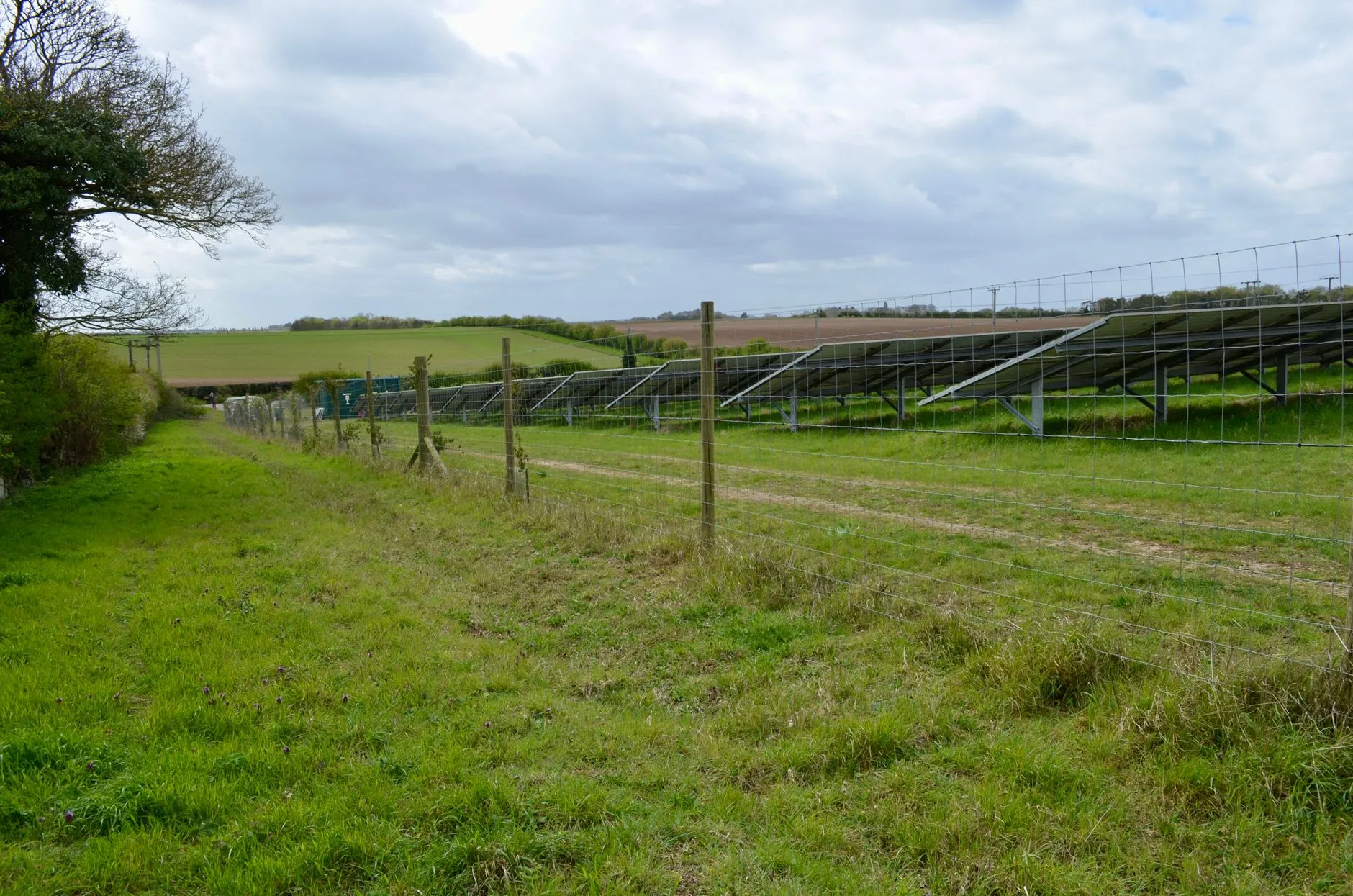
Wiltshire Council has given the green light to a 49.9 megawatt solar farm on farmland between Royal Wootton Bassett and Hook, despite local objections. The decision signals how planning authorities are weighing the need for renewable energy against concerns about visual impact and the temporary loss of agricultural land.
The Flaxlands Solar Farm will occupy 87 hectares near the M4 corridor in north Wiltshire. Consequently, the site covers an area equivalent to more than 120 football pitches. Planning officers determined that the project's contribution to energy security and carbon reduction justified the countryside trade-offs. Moreover, the site will return to agricultural use once the panels are decommissioned after up to 40 years.
This approval arrives as Wiltshire confronts broader tensions over large solar developments. Another scheme, Lime Down Solar Park, has attracted more than 5,000 objections during its national planning examination. That project would deliver 500 megawatts of capacity. The contrast between the two cases illustrates how debates over solar farms often hinge on scale and location rather than opposition to renewable energy itself.
For businesses with operations in the region, these planning decisions carry practical significance. Energy-intensive manufacturers may see opportunities to secure local power purchase agreements. Meanwhile, companies bidding for public contracts will need to demonstrate credible net-zero strategies as carbon reporting requirements tighten across the supply chain.
Solar and storage capacity in rural Wiltshire
The approved development at Flaxlands Farm includes battery energy storage alongside the solar arrays. This pairing is becoming standard for utility-scale renewable projects. Battery systems allow energy generated during daylight hours to be stored and released when demand peaks, typically in the evening.
According to Wiltshire Council, the installation will generate enough electricity to power approximately 5,500 homes each year. Therefore, the project contributes meaningfully to regional energy supply. The inclusion of electrical infrastructure and habitat creation areas forms part of the planning consent. Developers must integrate biodiversity measures to offset the environmental footprint of construction and operation.
Planning officers concluded that the benefits for renewable energy generation, energy security and carbon reduction outweighed the visual impact and temporary loss of farmland. This rationale reflects a common approach across England. Local authorities are increasingly treating land-use change as a short-term sacrifice in exchange for long-term climate and energy-system gains.
However, the approval does not resolve the underlying tension. Agricultural land remains a finite resource. Farmers and rural communities see productive fields being converted to industrial energy infrastructure, even if that conversion is reversible. The 40-year operational period means a generation of potential food production displaced by electricity generation.
The battery storage component adds a layer of complexity. Energy storage systems improve grid stability and reduce reliance on fossil fuel peaker plants. Nevertheless, they also introduce additional equipment, transformer stations and access roads. The overall footprint expands beyond the solar panels themselves.
Why councils continue to approve solar projects
Planning authorities operate within a national policy framework that prioritizes renewable energy deployment. The Department for Energy Security and Net Zero has set ambitious targets for solar capacity. Councils must balance local concerns against national obligations to support the energy transition.
In practice, this means officers conduct a balancing exercise. They weigh the harm caused by landscape change and farmland loss against the public benefit of clean electricity. The Flaxlands decision exemplifies this calculation. Officers acknowledged the visual impact but concluded it was outweighed by the renewable energy contribution.
Restoration commitments play a crucial role in these decisions. Developers must demonstrate that land will return to agricultural use after decommissioning. This commitment makes the trade-off more palatable to planners. Temporary harm becomes easier to justify than permanent loss.
Energy security arguments have also gained weight in recent years. The volatility of international energy markets has focused attention on domestic generation. Solar farms reduce dependence on imported gas and insulate the UK from price shocks. For councils, this strategic benefit adds to the case for approval.
Biodiversity net gain requirements further shape planning outcomes. Developers must create or enhance habitats to compensate for ecological disruption. Flaxlands includes habitat creation areas as part of the scheme. Consequently, planners can point to environmental improvements alongside the renewable energy benefits.
What this means for Wiltshire businesses
Companies operating in Wiltshire face a changing energy landscape. The proliferation of solar farms creates opportunities for local power purchase agreements. Businesses with high electricity consumption can potentially negotiate favorable terms with nearby generators. This approach reduces exposure to grid price fluctuations and supports corporate sustainability goals.
Supply chain implications extend beyond energy costs. Public sector procurement increasingly requires suppliers to demonstrate carbon reduction. The government's Procurement Policy Note 06/21, known as PPN 06/21, mandates carbon reduction plans for contracts above £5 million. Firms bidding for council or NHS work must show credible pathways to net zero.
Access to local renewable energy strengthens those submissions. A business that sources electricity from a nearby solar farm can evidence lower Scope 2 emissions. This becomes a competitive advantage in tenders where sustainability criteria carry significant weight. Consequently, the expansion of solar capacity in Wiltshire may improve procurement prospects for local suppliers.
Manufacturing and food processing businesses should consider on-site renewables alongside grid supply. The approval of large solar farms demonstrates that planning authorities are willing to support renewable projects. Smaller rooftop or ground-mounted installations on industrial estates may face fewer objections than utility-scale rural schemes.
However, businesses with agricultural supply chains face different pressures. The temporary loss of farmland affects regional food production. Companies reliant on local sourcing may see reduced availability or higher costs as productive land shifts to energy generation. This trade-off requires careful management within procurement strategies.
Energy-intensive sectors such as manufacturing, logistics and data centers stand to benefit most. Lower-cost renewable electricity improves competitiveness and reduces carbon footprints. Businesses in these sectors should engage early with developers and explore long-term supply agreements. Additionally, understanding ESG compliance requirements becomes essential as reporting obligations expand.
Five essential points for business leaders
- Wiltshire Council approved a 49.9 megawatt solar farm on 87 hectares of farmland between Royal Wootton Bassett and Hook, despite objections over landscape impact and agricultural land loss.
- The project includes battery energy storage, which improves grid stability and enables electricity generated during the day to be released during evening demand peaks.
- Planning officers determined that renewable energy benefits outweighed visual and countryside concerns, reflecting national policy priorities for clean energy deployment.
- The site will operate for up to 40 years before decommissioning and restoration to agricultural use, making the land-use change temporary rather than permanent.
- Wiltshire faces larger solar debates, with the 500 megawatt Lime Down Solar Park proposal attracting over 5,000 objections during its national planning examination.
Managing energy costs and carbon compliance
Businesses should treat the expansion of regional solar capacity as both an opportunity and a planning trigger. Electricity costs remain volatile. Locking in supply agreements with local generators can stabilize budgets and reduce exposure to wholesale market swings. Furthermore, such agreements support carbon reduction plans required for public sector tenders.
Carbon reporting obligations are tightening across the board. The government's net zero strategy requires businesses to measure and reduce emissions across all scopes. Scope 2 emissions, covering purchased electricity, represent a significant portion of total footprints for most companies. Switching to renewable supply directly cuts these emissions and simplifies compliance.
However, renewable energy alone does not satisfy all reporting requirements. Businesses must also address Scope 3 emissions from supply chains, employee travel and product life cycles. Training teams to understand these frameworks is essential. The SBS Academy offers tailored sessions on carbon accounting and reduction planning for small and medium enterprises.
Companies should also monitor planning applications in their areas. Solar farm approvals signal where renewable capacity will come online in the next two to three years. Early engagement with developers allows businesses to negotiate supply terms before projects reach commercial operation. This proactive approach secures better pricing and contract flexibility.
For businesses with land assets, the Flaxlands approval offers a precedent. Agricultural landowners may explore leasing options for solar development, creating income streams while retaining long-term ownership. This model requires careful legal and financial advice but can provide stable revenue over multi-decade periods.
Manufacturers should assess their own sites for renewable potential. Rooftop solar, battery storage and on-site wind generation reduce reliance on grid supply and lower operating costs. Planning authorities appear receptive to renewable proposals, particularly when they support local employment and industrial activity. Consequently, businesses should evaluate whether self-generation aligns with their operational and financial strategies.
Where to find official guidance and updates
Businesses seeking detailed information on planning decisions can access Wiltshire Council's planning portal. The portal provides application documents, officer reports and decision notices. This resource helps companies understand the criteria councils use when evaluating renewable energy projects.
The National Planning Policy Framework sets out the government's planning policies for England. It includes specific guidance on renewable and low-carbon energy. Businesses involved in development or procurement should familiarize themselves with this framework to understand how local decisions align with national priorities.
For energy market trends and policy updates, the Office of Gas and Electricity Markets provides regulatory oversight and publishes regular reports. Ofgem's guidance covers grid connections, supply licensing and consumer protections. Companies exploring power purchase agreements should review Ofgem resources to ensure compliance with market rules.
The government's net zero strategy outlines the UK's pathway to eliminating greenhouse gas emissions by 2050. This document clarifies expectations for businesses across sectors. Understanding these commitments helps firms align their own strategies with national decarbonization goals.
Businesses can also consult the Institute of Environmental Management and Assessment for professional guidance on environmental and sustainability management. IEMA publishes standards, training resources and best practice guidance relevant to carbon reporting and environmental compliance.