
Spain, Portugal and Luxembourg push for 2040 EU renewable energy target
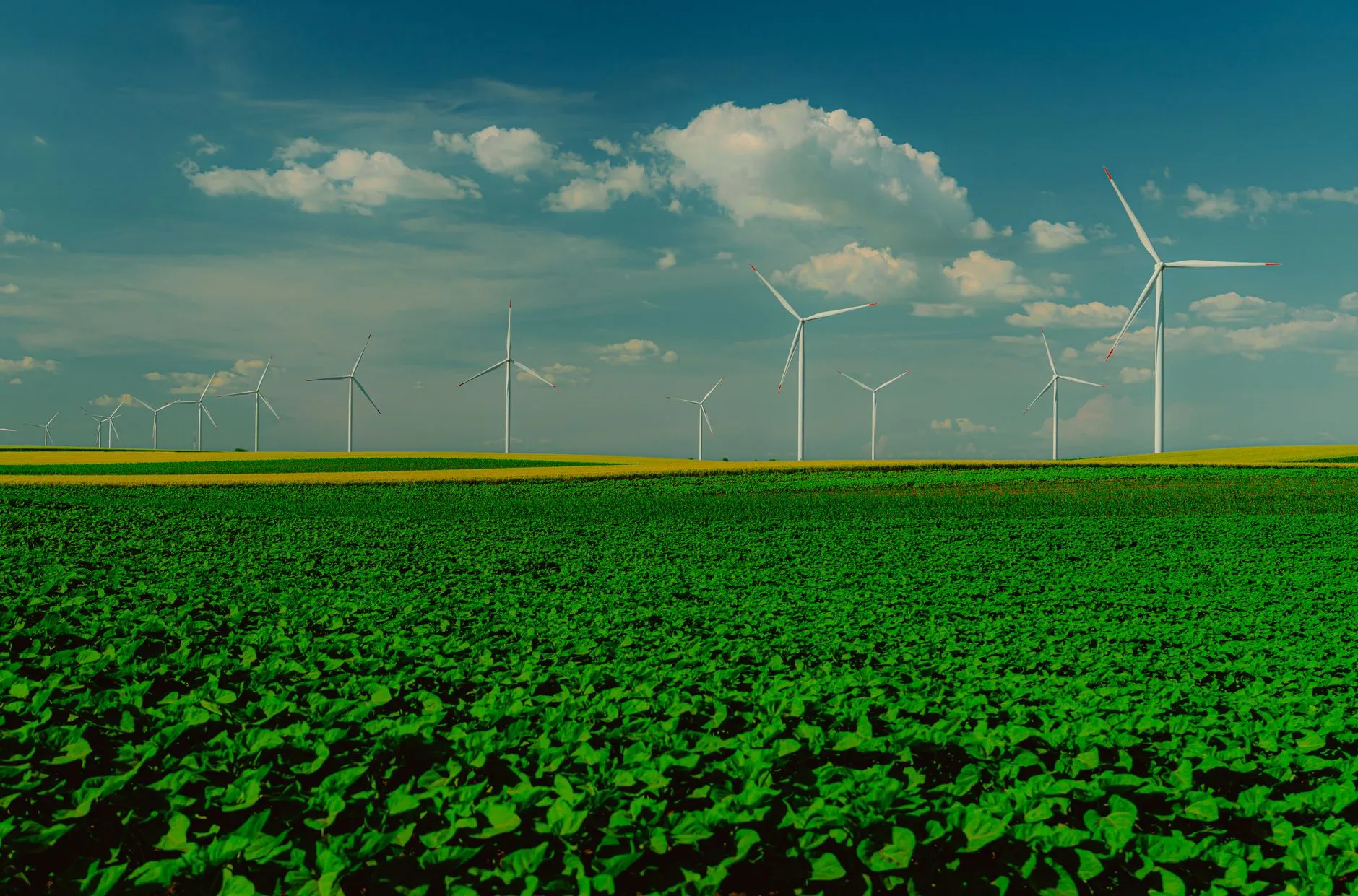
Three EU member states have asked Brussels to introduce a binding renewable energy target for 2040, arguing that the bloc's climate framework should drive faster clean power deployment alongside emissions cuts. Spain, Portugal and Luxembourg want the European Union to set a renewables benchmark that complements the existing 2040 climate goal, which focuses on emissions reduction but says nothing about how much of Europe's electricity should come from wind, solar and other clean sources.
Their request highlights a gap in the EU's climate architecture. The bloc already has a legally binding target to cut emissions by 90% from 1990 levels by 2040. However, it has no equivalent commitment on renewable energy for that year. The three countries argue that a renewables target would accelerate investment, reduce reliance on imported fossil fuels and strengthen energy security.
The push comes at a time when Europe is still grappling with the geopolitical fallout from volatile oil and gas markets. For businesses, the debate matters because it will shape the regulatory and investment landscape for the next decade. Companies exposed to energy costs, supply chain emissions or public sector procurement will need to understand how EU policy evolves between now and 2040.
The EU already has a 2040 emissions target but no renewables goal
In March 2026, EU member states approved a legally binding target to cut net greenhouse gas emissions by 90% by 2040, measured against 1990 levels. The European Parliament had backed the target in November 2025, with 379 votes in favor, 248 against and 10 abstentions. The Commission later clarified that the 90% headline figure includes an 85% domestic reduction and up to 5% covered by international carbon credits.
That distinction matters. The domestic target defines how much decarbonisation must happen within the EU, affecting industrial emissions, power generation and transport. The remaining 5% can be met through carbon credits purchased from projects outside Europe. Consequently, the effective emissions cut required from European industries is 85%, with room for external offsets to cover the gap.
The 2040 framework sits between two other EU climate commitments. The bloc has a binding target to cut emissions by at least 55% from 1990 levels by 2030. It also has a long-term commitment to climate neutrality by 2050. The 2040 goal was designed to bridge those two milestones and provide clarity for investment planning.
Nevertheless, the 2040 target addresses emissions, not energy sources. The EU has a binding renewable energy target of at least 42.5% for 2030, meaning that by the end of the decade, renewables must account for at least that share of final energy consumption. There is no equivalent benchmark for 2040. This is what Spain, Portugal and Luxembourg now want Brussels to fix.
Why Spain, Portugal and Luxembourg want a 2040 renewables benchmark
The three countries argue that a renewables target would complement the emissions goal by setting a clear pathway for clean power deployment. An emissions target tells you how much carbon to cut. A renewables target tells you how to generate the electricity needed to replace fossil fuels. The two policies work differently and serve different purposes.
Energy security is a central part of their case. Europe still imports large volumes of oil and gas, leaving it exposed to price volatility and geopolitical disruption. Faster renewable deployment would reduce that dependence and give the EU more control over its energy supply. For businesses, this translates into more predictable energy costs and less exposure to external shocks.
The three governments also see renewables as a driver of industrial competitiveness. Clean power is increasingly a factor in supply chain decisions, procurement criteria and access to green finance. Companies that can demonstrate low-carbon operations are better positioned to win contracts, particularly in public sector tenders where sustainability is now a standard evaluation criterion.
Finally, there is a practical argument about investment. A binding renewables target for 2040 would give developers, grid operators and manufacturers a clearer signal about the scale of deployment expected over the next 15 years. This matters because renewable infrastructure requires long lead times, planning permission and grid connections. Without a 2040 target, there is a risk that investment slows after 2030.
What this means for UK businesses with EU supply chains
UK companies that export to the EU or operate within European supply chains will be affected by how the bloc structures its climate policy. A 2040 renewables target would accelerate the shift toward clean power across member states, changing the regulatory and commercial environment for manufacturers, logistics providers and service firms.
For example, businesses selling into EU public sector contracts already face sustainability requirements under procurement rules. A stronger renewables target would likely lead to tighter criteria on supply chain emissions, energy sourcing and carbon reporting. Companies that rely on fossil fuel-based energy could find themselves at a competitive disadvantage compared to rivals using clean power.
Energy-intensive sectors such as manufacturing, food processing and data centres would also be affected. If the EU accelerates renewable deployment, the price and availability of clean electricity will change. Businesses operating on both sides of the Channel may need to factor in different energy costs and carbon intensities when planning production and logistics.
There are also implications for carbon reporting. The 2040 emissions target includes a domestic reduction of 85%, which means EU regulators will focus on emissions generated inside the bloc. Companies exporting goods or services into the EU will need to demonstrate the carbon footprint of their operations. Consequently, firms without credible emissions data or reduction plans may struggle to compete.
Moreover, the role of international carbon credits adds another layer. The EU allows up to 5% of the 2040 target to be met through external offsets. This suggests that some businesses may be able to offset residual emissions rather than eliminating them entirely. However, reliance on offsets is likely to be scrutinized, particularly for high-emitting sectors.
Core facts about the EU's 2040 climate framework
- The EU has set a legally binding target to cut net greenhouse gas emissions by 90% by 2040, measured against 1990 levels.
- This includes an 85% domestic reduction target and up to 5% covered by international carbon credits.
- EU member states approved the target in March 2026 following a European Parliament vote in November 2025.
- The bloc already has a binding renewable energy target of at least 42.5% for 2030, but no equivalent benchmark for 2040.
- Spain, Portugal and Luxembourg are calling for a 2040 renewables target to drive clean power deployment and reduce reliance on imported fossil fuels.
- The EU's existing climate framework includes a 55% emissions reduction target for 2030 and a commitment to climate neutrality by 2050.
How UK SMEs should respond to evolving EU climate policy
Businesses should start by understanding their exposure to EU markets and supply chains. If you export to Europe, supply EU-based customers or operate facilities on the continent, changes to the bloc's climate framework will affect your operations. The first step is to map where your business touches EU regulation.
Next, consider your energy sourcing and emissions profile. A 2040 renewables target would likely accelerate the shift toward clean power across Europe. If your business relies on fossil fuel-based energy, you may face higher costs or regulatory pressure to switch. Now is the time to assess whether your current energy contracts and infrastructure align with where EU policy is heading.
Carbon reporting will become more important. The 2040 framework includes a domestic emissions target, meaning EU regulators will focus on where emissions occur and how they are measured. Businesses that can provide credible, verifiable emissions data will have an advantage. Those without robust reporting systems may struggle to meet procurement criteria or supply chain requirements.
For companies tendering for public sector work, sustainability credentials are already a factor. A stronger EU renewables target would likely tighten these requirements. Our net zero program for carbon reporting compliance helps businesses meet these expectations with clear, defensible emissions data.
Finally, keep an eye on how the EU balances domestic action with international carbon credits. The 5% allowance for external offsets suggests some flexibility, but the policy debate could shift. Businesses should plan on the basis that EU climate policy will continue to tighten, and that reliance on offsets may become harder to justify.
Where to find official guidance and updates
The European Commission publishes updates on the 2040 climate framework through its 2040 climate target page, which includes details on the emissions reduction target, domestic action and international credits.
For information on the EU's existing renewable energy targets and the 2030 framework, the Commission's renewable energy section provides policy updates and legislative background.
UK businesses affected by EU procurement rules should refer to guidance from the Crown Commercial Service on carbon reduction plans in public sector contracts, which sets out how sustainability is assessed in UK tenders and provides context for similar EU requirements.
Further support on managing emissions reporting and preparing for tightening EU climate rules is available through our ESG compliance and carbon reporting services, designed specifically for SMEs navigating cross-border sustainability requirements.