
STL's Decarbonisation Initiative Signals a Shift to Green Power
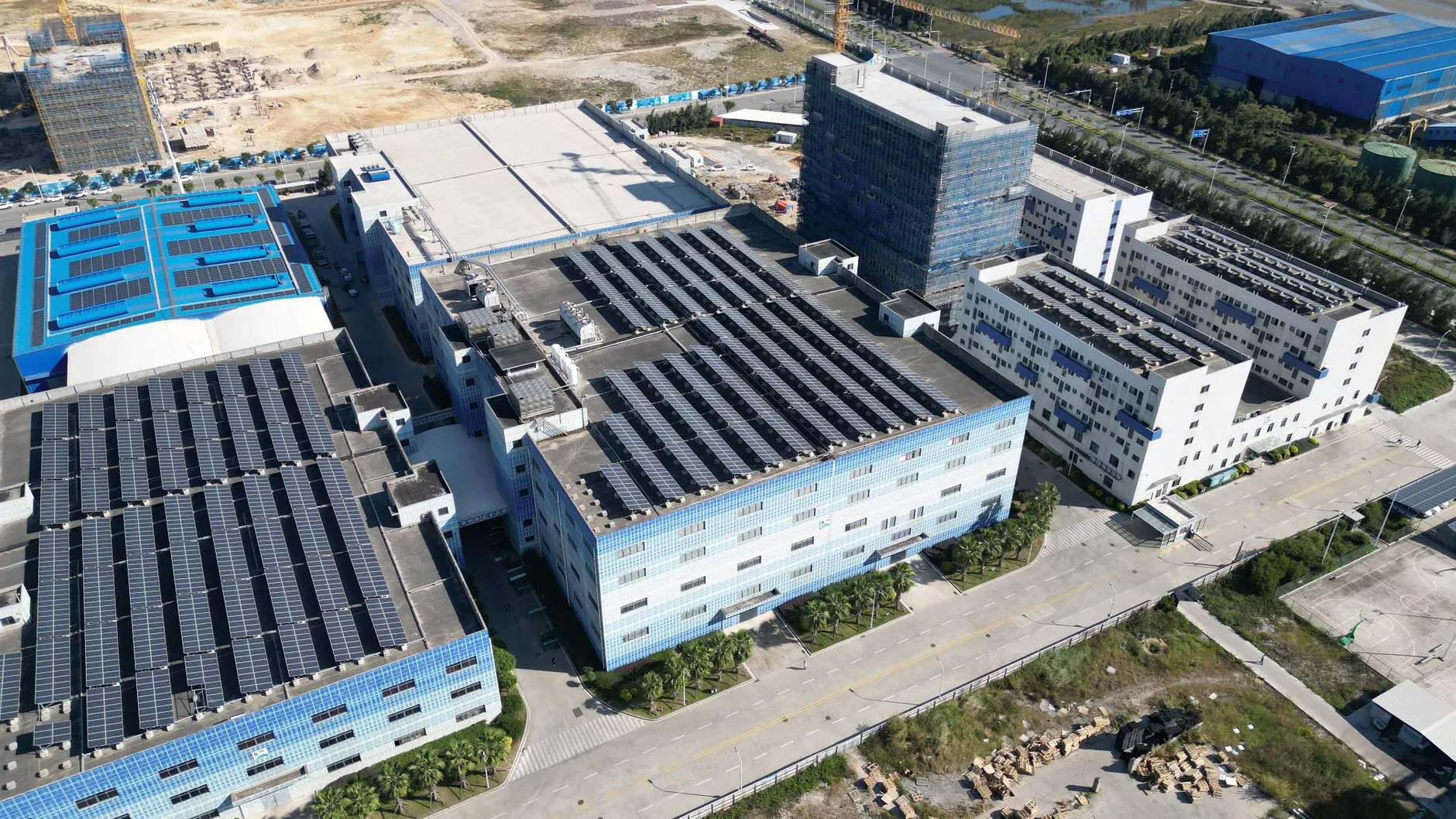
STL shifts Indian fibre plants to renewable electricity
STL has moved four manufacturing facilities in Maharashtra to 100% renewable power. The company says the transition will cut market-based Scope 2 emissions by around 65% across its optical fibre and cable plants. Meanwhile, the carbon footprint of its G.657.A2 fibre has dropped from 4.7 kg CO₂e per kilometre to 0.9 kg CO₂e per kilometre. That represents an 80% reduction in product-level emissions.
The announcement, made in August 2026, marks a significant step in STL's wider decarbonisation strategy. For businesses tracking supply-chain emissions or evaluating telecom infrastructure suppliers, the shift demonstrates how renewable electricity procurement can produce measurable reductions in both operational and product carbon intensity. However, the move also raises questions about how these gains translate across different markets and whether similar approaches are available to UK manufacturers facing their own net-zero deadlines.
Four Maharashtra plants now run on wind and solar power
STL operates as a connectivity solutions provider for digital infrastructure. The company has been signalling a sustainability focus for several years. In January 2022, it committed publicly to net-zero emissions in manufacturing facilities by 2030. That target came alongside pledges on sustainable sourcing, water positivity, and lifecycle assessments across its product range.
The latest development builds directly on that earlier commitment. STL has switched electricity sourcing for four plants in Chhatrapati Sambhaji Nagar from conventional grid power to wind and solar supply. The renewable electricity comes through Maharashtra State Electricity Distribution Company Limited. In addition, the company has integrated 100% green hydrogen into glass manufacturing, which is one of the most energy-intensive stages in fibre production.
Consequently, the company expects a substantial drop in Scope 2 emissions. Scope 2 covers indirect emissions from purchased electricity, heat, or steam. For industrial manufacturers, these emissions often represent a large share of the total footprint. By replacing grid electricity with renewable sources, STL can record an immediate reduction without waiting for longer-term process changes or technology upgrades.
The company framed the shift as a transition to green power across key Indian manufacturing sites. It highlighted the move as part of its decarbonisation journey and pointed to the expected 65% reduction in market-based Scope 2 emissions for optical fibre and cable operations. Market-based accounting uses the specific emissions factor of purchased electricity, rather than the average grid factor, so the reduction reflects the cleaner energy contract rather than grid improvements.
Product carbon footprint drops by 80% for G.657.A2 fibre
Beyond operational emissions, STL has reported a sharp fall in the embodied carbon of one of its core products. The G.657.A2 fibre is a bend-insensitive single-mode fibre used in telecom and data-centre applications. Previously, each kilometre of fibre carried a carbon footprint of 4.7 kg CO₂e. That figure has now fallen to 0.9 kg CO₂e per kilometre.
This 80% reduction stems from the same renewable electricity switch, combined with green hydrogen use in glass production. Glass manufacturing requires high temperatures, traditionally supplied by natural gas or other fossil fuels. Substituting green hydrogen removes a significant portion of process emissions. As a result, the carbon intensity of the finished fibre drops substantially.
For businesses procuring fibre-optic cable, this change has commercial implications. Telecom operators, data-centre developers, and infrastructure contractors increasingly face pressure to report Scope 3 emissions. Scope 3 covers indirect emissions in the value chain, including purchased goods and services. Lower-carbon fibre helps these buyers reduce their reported footprint without changing their own operations.
Moreover, public sector contracts in the UK and Europe are beginning to incorporate carbon criteria into tender evaluations. Suppliers with lower product carbon footprints may score more favourably in bid assessments. Therefore, STL's shift positions the company to compete on environmental performance as well as price and technical specification.
Nevertheless, the reduction applies specifically to one product line. STL manufactures a range of connectivity products, and the carbon footprint of other items may differ. Buyers should request product-specific carbon data rather than assuming uniform reductions across the portfolio. Similarly, the figures reflect manufacturing emissions and may not include upstream raw material extraction or downstream installation impacts, depending on the scope of the lifecycle assessment.
Green hydrogen integration targets process emissions
STL's use of green hydrogen in glass manufacturing addresses a different category of emissions than the electricity switch. While Scope 2 covers purchased electricity, process emissions from fuel combustion typically fall under Scope 1. By replacing fossil fuels with hydrogen produced from renewable electricity, the company reduces direct emissions from its operations.
Green hydrogen is produced by electrolysing water using renewable electricity. The process generates hydrogen without carbon emissions. When burned, hydrogen produces only water vapour. Therefore, it can substitute for natural gas or other fossil fuels in high-temperature industrial processes without releasing CO₂.
However, green hydrogen remains more expensive than fossil fuels in most markets. Production costs depend on renewable electricity prices, electrolyser efficiency, and utilisation rates. In India, falling solar and wind costs have made green hydrogen more competitive than in some other regions. Even so, the shift represents a significant operational investment.
For UK manufacturers, the hydrogen transition raises practical questions. Domestic green hydrogen production is still developing, and supply availability remains limited. The UK government has set a target of 10 GW of low-carbon hydrogen production capacity by 2030, but most industrial users cannot yet access reliable green hydrogen at scale. Consequently, while STL's approach demonstrates technical feasibility, it may not be immediately replicable in the UK without supply-chain development or import arrangements.
What this means for UK businesses tracking supply-chain emissions
STL's announcement matters to UK businesses in several contexts. First, companies procuring telecom infrastructure or connectivity products may see lower Scope 3 emissions if they source fibre with reduced carbon footprints. This becomes particularly relevant for businesses preparing carbon reduction plans under PPN 06/21 or responding to customer requests for supply-chain emissions data.
Second, the shift illustrates how renewable electricity procurement can deliver rapid emissions reductions in manufacturing. UK businesses with significant Scope 2 emissions should consider whether similar approaches are available domestically. Renewable electricity contracts, power purchase agreements, and on-site generation can all reduce grid-based emissions, though the scale of reduction depends on the current grid mix and contract terms.
Third, STL's integration of green hydrogen highlights an emerging option for high-temperature industrial processes. UK manufacturers in glass, ceramics, steel, or chemicals may face similar challenges in decarbonising process heat. While green hydrogen supply remains constrained, pilot projects and government support schemes are expanding availability. Businesses should assess whether hydrogen could replace fossil fuels in their operations and what infrastructure changes would be required.
However, UK businesses should also recognise the limitations of applying STL's approach directly. India's renewable electricity market operates differently from the UK's. Maharashtra benefits from strong solar and wind resources, and power purchase agreements may be structured differently than UK contracts. Similarly, green hydrogen availability and cost vary significantly by region. Therefore, while the principles are transferable, the economics and logistics require local assessment.
Additionally, market-based Scope 2 accounting can produce different results than location-based accounting. Market-based figures use the emissions factor of purchased electricity, reflecting renewable contracts or guarantees of origin. Location-based figures use the average emissions factor of the grid. UK businesses should understand which method their customers or regulators require and ensure their reporting aligns accordingly. Our compliance support services can help clarify these distinctions and ensure accurate carbon reporting.
Renewable electricity procurement reduces emissions but requires due diligence
Switching to renewable electricity can cut Scope 2 emissions substantially, as STL's example shows. However, businesses must verify the quality of renewable contracts and understand how reductions are calculated. Not all renewable electricity deals deliver the same emissions benefit, and accounting methods vary.
In the UK, businesses typically procure renewable electricity through several routes. Retail green tariffs are the simplest option. These contracts bundle renewable generation with supply, though the actual electricity delivered may still come from the grid mix. The supplier retires Renewable Energy Guarantees of Origin (REGOs) on behalf of the customer, providing evidence of renewable sourcing for Scope 2 reporting.
Power purchase agreements (PPAs) offer a more direct connection to renewable generation. Corporate PPAs involve long-term contracts with specific renewable projects, often wind or solar farms. These agreements provide price certainty and support new renewable capacity. For larger energy users, PPAs can deliver cost savings as well as emissions reductions.
On-site generation provides the most direct form of renewable electricity. Solar panels, wind turbines, or combined heat and power systems generate electricity at the point of use. This approach reduces grid reliance, cuts transmission losses, and provides operational resilience. However, capital costs and site suitability vary considerably.
Whichever route businesses choose, they should ensure their contracts provide credible evidence for carbon reporting. REGOs or equivalent certificates must be retired to avoid double-counting. Contracts should specify the renewable generation source, vintage, and location. Businesses preparing carbon reduction plans or responding to tender requirements should keep documentation that supports their claimed emissions reductions.
Furthermore, businesses should consider whether their renewable electricity procurement aligns with wider grid decarbonisation. Contracts that support new renewable capacity, such as corporate PPAs, contribute to long-term emissions reductions beyond the buyer's own footprint. Retail tariffs that simply rebadge existing generation may deliver accounting benefits without driving additional renewable deployment. For businesses aiming to demonstrate leadership on climate action, the distinction matters.
Key details about STL's transition
- STL announced the transition to renewable electricity in August 2026, covering four manufacturing plants in Chhatrapati Sambhaji Nagar, Maharashtra.
- The company expects the shift to deliver a 65% reduction in market-based Scope 2 emissions across optical fibre and cable plants.
- Product carbon footprint for G.657.A2 fibre has fallen from 4.7 kg CO₂e per kilometre to 0.9 kg CO₂e per kilometre, an 80% drop.
- STL has integrated 100% green hydrogen into glass manufacturing, addressing process emissions from high-temperature production.
- The transition builds on a January 2022 commitment to net-zero emissions in manufacturing by 2030, alongside sustainable sourcing and water positivity targets.
- Renewable electricity is supplied through Maharashtra State Electricity Distribution Company Limited, using wind and solar generation.
How UK manufacturers can assess similar transitions
UK businesses considering renewable electricity procurement or hydrogen integration should start with a clear understanding of their current emissions profile. A detailed carbon footprint, broken down by Scope 1, Scope 2, and major Scope 3 categories, identifies where reductions will have the greatest impact. For many manufacturers, Scope 2 emissions from electricity are substantial, making renewable contracts an obvious priority.
Once priorities are clear, businesses should evaluate available renewable electricity options. Retail green tariffs offer a straightforward entry point, particularly for smaller energy users. Larger businesses may find corporate PPAs more cost-effective, especially if they can commit to long-term contracts. On-site generation suits businesses with suitable premises and capital budgets, though payback periods vary depending on energy prices and available incentives.
For process emissions, hydrogen remains a developing option. Businesses should assess whether their production processes use high-temperature heat that could be supplied by hydrogen. If so, they should investigate local hydrogen supply, infrastructure requirements, and cost projections. Government schemes, such as the Industrial Energy Transformation Fund, may provide financial support for feasibility studies or capital investments.
Businesses should also consider lifecycle emissions beyond their own operations. If products have a significant carbon footprint, as STL's fibre does, reducing embodied carbon can create a commercial advantage. Lifecycle assessments identify emissions hotspots across raw material extraction, manufacturing, transport, use, and disposal. Targeting the largest sources of emissions delivers the most efficient reductions.
Finally, businesses should ensure their carbon accounting is robust and transparent. Renewable electricity contracts must be documented with credible evidence. Emissions reductions should be calculated using recognised methodologies, such as the GHG Protocol. Reporting should distinguish between market-based and location-based Scope 2 figures, and any offsets should be disclosed separately from reductions. Transparent reporting builds trust with customers, investors, and regulators. Our net-zero program helps businesses develop credible carbon reduction plans and meet reporting requirements.
Practical steps for businesses tracking Scope 3 emissions from suppliers
For businesses procuring goods and services, Scope 3 emissions often represent the largest share of the total footprint. Purchased goods fall under Scope 3 Category 1, which includes emissions from the production of items the business buys. If suppliers reduce their emissions, the buyer's Scope 3 footprint falls correspondingly.
To track supplier emissions effectively, businesses should request product-level carbon data. Generic industry averages provide a starting point, but specific figures from suppliers deliver more accurate footprints. Suppliers should disclose the scope of their calculations, including which lifecycle stages are covered and what data sources were used. This transparency allows buyers to compare suppliers on a consistent basis.
Businesses should also ask suppliers about their decarbonisation plans. Suppliers with credible reduction targets, renewable electricity contracts, or process improvements offer better long-term prospects for Scope 3 reductions. Conversely, suppliers without clear plans may represent a future risk if carbon costs rise or customer requirements tighten.
For public sector suppliers, carbon performance is increasingly a tender requirement. PPN 06/21 requires suppliers bidding for central government contracts above £5 million to publish a carbon reduction plan. The plan must include Scope 1, Scope 2, and relevant Scope 3 emissions, along with reduction targets and actions. Suppliers with lower baselines or stronger reduction plans may score more favourably in evaluations. Therefore, engaging with suppliers on carbon performance can improve tender competitiveness as well as emissions reporting.
Additionally, businesses should consider collaborative approaches to supply-chain decarbonisation. Industry initiatives, shared best practice, and joint purchasing can accelerate progress. For example, multiple buyers requesting low-carbon products can incentivise suppliers to invest in cleaner production. Similarly, businesses can share lessons on renewable electricity procurement, energy efficiency, or carbon accounting methodologies. Our sustainable procurement support helps businesses develop supplier engagement strategies and track Scope 3 emissions effectively.
Where to find further information
Businesses seeking guidance on renewable electricity procurement should consult Ofgem's resources on green tariffs and guarantees of origin. Ofgem regulates the REGO scheme and provides information on how renewable electricity contracts work. The Renewable Energy Guarantees of Origin section explains the certification process and reporting requirements.
For carbon accounting and reporting, the UK government's conversion factors for company reporting provide emissions factors for electricity, fuels, and other activities. These factors are updated annually and align with international standards. Businesses should use the latest factors to ensure accurate carbon footprints.
The Department for Energy Security and Net Zero publishes guidance on industrial decarbonisation and hydrogen deployment. The Hydrogen Sector Development Action Plan outlines government support for hydrogen production and use. Businesses considering hydrogen should review this guidance to understand available schemes and future supply projections.
For public sector suppliers, the Procurement Policy Note 06/21 sets out carbon reduction plan requirements. The note includes templates and examples to help suppliers prepare compliant submissions. Businesses should ensure their plans meet the specified criteria before submitting tenders.