
Thailand's Plastics Giant Bets on Sustainability for Business Growth
A major Asian chemicals producer has delivered a blunt message about the future of industrial sustainability. Indorama Ventures, one of the world's largest PET manufacturers, now argues that carbon regulation, recycling economics and workforce development will separate winners from losers in the chemicals sector over the next ten years.
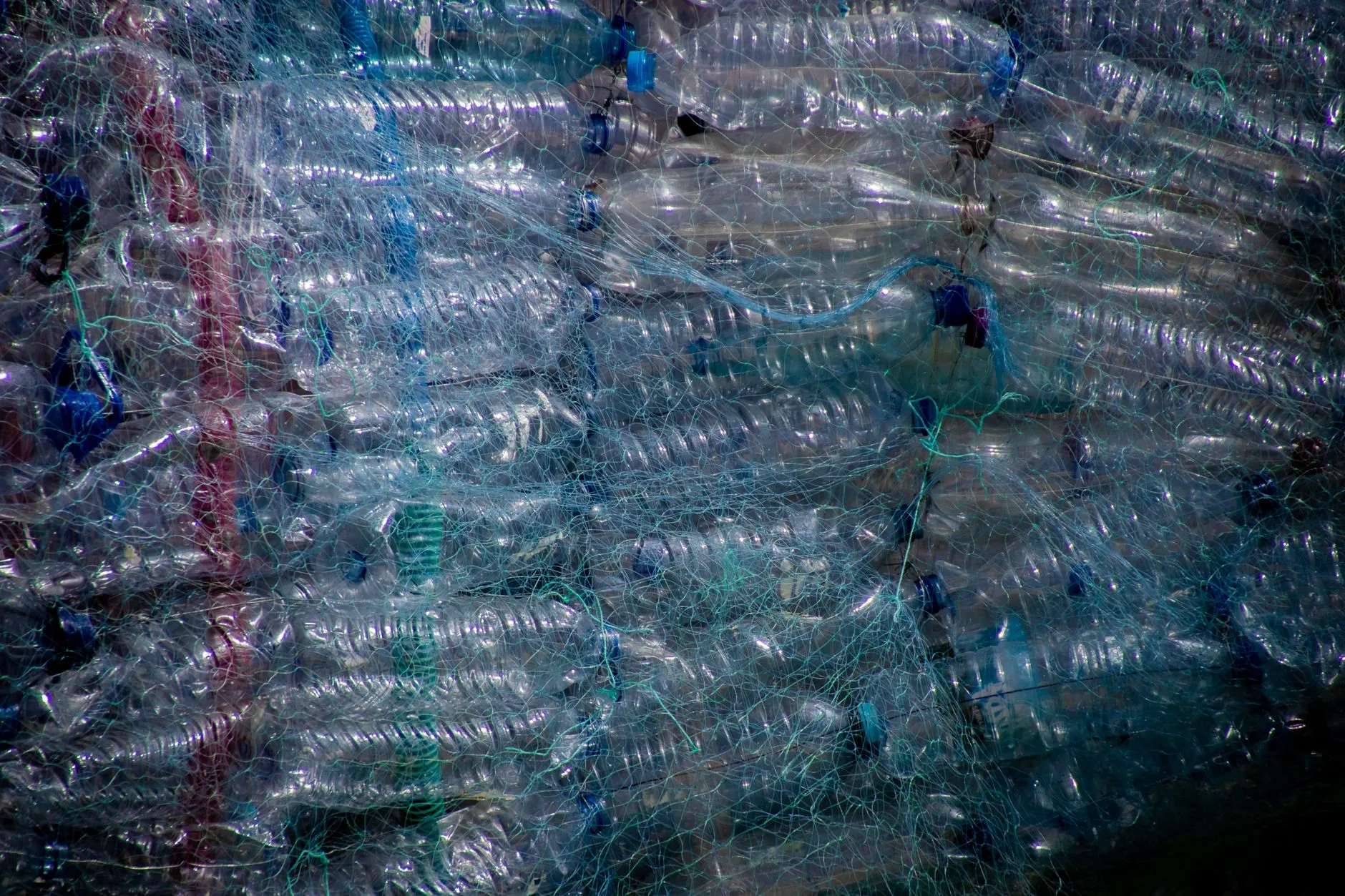
The company recently passed a significant milestone. In August 2025, it confirmed recycling more than 150 billion post-consumer PET bottles since 2011. That effort diverted 2.8 million tonnes of plastic waste from landfills and avoided an estimated 3.8 million tonnes of CO₂ emissions.
For UK manufacturers and suppliers facing similar pressures, the story illustrates how sustainability is shifting from a compliance exercise to a strategic necessity. Carbon pricing, recycled-content mandates and customer expectations are reshaping supply chains. Businesses without access to low-carbon feedstock or credible recycling infrastructure may find themselves at a structural disadvantage.
PET recycling and the scale challenge
Indorama Ventures operates in more than 30 countries. Its business spans packaging, specialty chemicals and fibres. Headquartered in Bangkok, the company is widely recognised as one of the largest PET producers and recyclers globally.
PET sits at the centre of plastics circularity debates. Multinational brands increasingly demand recycled content in packaging. Consequently, securing recycled feedstock has become as important as producing virgin material. Tightening climate and waste regulations add further urgency.
The company's formal targets reflect this shift. By 2025, it aims to process 750,000 tonnes of post-consumer PET bale input per year. That figure rises to 1.5 million tonnes by 2030. On bottle volumes, the goal is 50 billion bottles recycled annually by 2025 and 100 billion by 2030.
These are not modest ambitions. Meeting them requires sustained investment in collection systems, sorting technology and processing capacity. It also depends on consumer behaviour, policy support and the economics of waste collection in markets where formal recycling infrastructure remains underdeveloped.
Carbon intensity and renewable power commitments
Alongside recycling, Indorama Ventures has set clear decarbonisation targets. The company intends to reduce scope 1 and 2 greenhouse gas intensity by 10% by 2025 and 30% by 2030. Renewable electricity use is planned to reach 10% by 2025 and 25% by 2030.
Waste diversion is also part of the strategy. The company aims to divert 90% of waste from landfill by 2030. These commitments have been embedded into enterprise risk management and business continuity planning, signalling board-level oversight rather than siloed corporate responsibility efforts.
For UK businesses, this approach offers a useful benchmark. Climate risk is increasingly treated as an operational issue, not a reputational one. Companies tendering for public sector contracts under PPN 06/21 or pursuing supply chain partnerships with multinational buyers face similar expectations.
Our net-zero program for carbon reporting compliance supports businesses navigating these requirements.
Three forces shaping competitive advantage
Indorama Ventures' sustainability leadership has identified three external forces that will determine which chemicals companies remain viable. These are carbon regulation, recycling economics and access to skilled talent.
The company's position is clear. According to its sustainability chief, "we see the new global sustainability rules as both a business risk and a strategic opportunity." The same regulations that raise compliance costs also create clearer market signals for lower-carbon and circular solutions.
This framing acknowledges a tension familiar to many UK manufacturers. Decarbonisation and recycling create short-term costs. However, they also unlock market access, customer preference and long-term resilience. The challenge lies in managing the transition without compromising competitiveness.
Carbon pricing mechanisms, extended producer responsibility schemes and mandatory recycled-content requirements are all spreading. Businesses that delay investment in recycling capacity or low-carbon processes may find themselves locked out of key markets or supply chains.
Indorama Ventures has publicly described circularity, particularly PET recycling, as a key focus. The company argues it delivers measurable impact on plastic waste and resource efficiency. That positioning is designed to appeal to brand owners seeking to meet their own sustainability commitments.
Workforce development and future skills
The third pillar is less commonly discussed but equally important. Indorama Ventures believes collaboration with young people should move beyond sustainability awareness. Instead, the focus should be on practical experience, shared problem-solving and real-world implementation.
Skills gaps in carbon accounting, circular design and data science are identified as strategic constraints. These capabilities are essential for managing complex sustainability programmes, tracking scope 3 emissions and optimising material flows in circular business models.
For UK SMEs, this highlights a practical challenge. Many businesses lack internal expertise in carbon measurement, life cycle assessment or circular economy principles. That gap can slow progress on net-zero programmes and limit competitiveness in tenders where sustainability credentials are evaluated.
Training and upskilling are therefore not peripheral concerns. They are prerequisites for managing the transition. SBS Academy training on Scope 3 emissions and related topics can help businesses build the necessary capabilities.
Financial performance and the sustainability business case
The sustainability strategy is unfolding against a backdrop of improving financial performance. In May 2026, Indorama Ventures reported first-quarter revenue of THB 109.3 billion and EBITDA of THB 8.0 billion. The latter figure represented an 89% increase quarter-on-quarter, signalling recovery from the cyclical trough experienced between 2023 and 2025.
By August 2026, the company reported stronger first-half earnings. This matters because sustained capital investment in recycling infrastructure, renewable energy and decarbonisation technology is easier to justify when the underlying business is strengthening.
The broader implication is that sustainability is no longer treated as a corporate responsibility add-on. For Indorama Ventures, it has become the operating logic of the business. This shapes how the company sources materials, manages risk, allocates capital and prepares its workforce.
UK businesses should note this shift. Sustainability is increasingly integrated into core strategy rather than managed as a separate function. That integration affects procurement decisions, risk assessment, investment priorities and talent development.
What this means for UK manufacturers and suppliers
Several implications emerge from Indorama Ventures' approach. First, carbon regulation and recycled-content mandates are reshaping competitive dynamics in global supply chains. Businesses without credible decarbonisation plans or access to recycled materials may face exclusion from contracts or customer relationships.
Second, recycling economics remain challenging, particularly in markets where collection infrastructure is underdeveloped. Success depends not only on technology and capital but also on policy support, education and behaviour change. UK businesses operating in or sourcing from such markets should factor these complexities into supply chain planning.
Third, workforce capability is a strategic constraint. Businesses need staff who can manage carbon accounting, design circular processes and interpret sustainability data. Without these skills, compliance becomes harder and opportunities are missed.
Fourth, financial resilience supports sustainability investment. Companies with stable earnings and access to capital can more easily absorb the upfront costs of transitioning to lower-carbon operations. Conversely, financial pressure can delay or derail sustainability programmes.
Finally, transparency and target-setting are becoming standard expectations. Vague commitments or qualitative statements no longer suffice. Customers, investors and regulators expect quantified goals, clear timelines and evidence of progress.
Recycling 150 billion bottles since 2011
- Indorama Ventures recycled more than 150 billion post-consumer PET bottles between 2011 and August 2025.
- This effort diverted 2.8 million tonnes of plastic waste from landfills and avoided an estimated 3.8 million tonnes of CO₂ emissions.
- The company aims to recycle 50 billion bottles per year by 2025 and 100 billion by 2030.
- Recycling targets include processing 750,000 tonnes of post-consumer PET bale input annually by 2025, rising to 1.5 million tonnes by 2030.
- Decarbonisation goals include a 10% reduction in scope 1 and 2 GHG intensity by 2025 and 30% by 2030.
- Renewable electricity use is planned to reach 10% by 2025 and 25% by 2030.
- The company intends to divert 90% of waste from landfill by 2030.
- First-quarter 2026 revenue reached THB 109.3 billion, with EBITDA of THB 8.0 billion, up 89% quarter-on-quarter.
How UK businesses should respond
The Indorama Ventures case study underscores that sustainability is no longer optional for businesses competing in global supply chains. Carbon regulation, customer expectations and investor scrutiny are all intensifying. Businesses that treat sustainability as a side project risk falling behind competitors who integrate it into core strategy.
For manufacturers and suppliers, several actions are worth considering. First, establish quantified carbon reduction targets aligned with scope 1, 2 and 3 emissions. This provides a baseline for measuring progress and demonstrates credibility to customers and investors.
Second, assess your exposure to recycled-content mandates and circular economy requirements. If your products or packaging fall within scope, early investment in recycling partnerships or materials innovation may be necessary. Delaying action can limit options and increase costs.
Third, invest in workforce development. Carbon accounting, circular design and sustainability data management are emerging as essential capabilities. Businesses without these skills will struggle to meet reporting obligations or compete for contracts with strong sustainability criteria.
Fourth, integrate climate risk into enterprise risk management. This should include scenario planning for carbon pricing, supply chain disruption and changing customer preferences. Treating sustainability as an operational risk rather than a reputational one improves decision-making and resilience.
Finally, engage with industry bodies, government departments and technical standards organisations. Staying informed about regulatory developments, emerging standards and available support mechanisms helps businesses anticipate change and plan accordingly.
Our ESG compliance and carbon reporting services support businesses at every stage of this process.
Where to find further information
Businesses seeking guidance on carbon reporting, recycling obligations and circular economy initiatives can consult several authoritative sources. The Department for Energy Security and Net Zero publishes policy updates, guidance documents and sector-specific roadmaps.
The Environment Agency provides detailed information on waste regulation, extended producer responsibility and packaging compliance. IEMA, the Institute of Environmental Management and Assessment, offers resources on environmental standards and professional development.
For procurement-related sustainability requirements, the government's PPN 06/21 guidance sets out expectations for carbon reduction plans in public sector contracts. Businesses supplying the public sector should review this carefully.
Additionally, the British Standards Institution publishes standards on environmental management, carbon measurement and circular economy principles. These provide recognised frameworks for businesses developing sustainability programmes.