
Takeaways From the Sustainability Strategy Forum in London
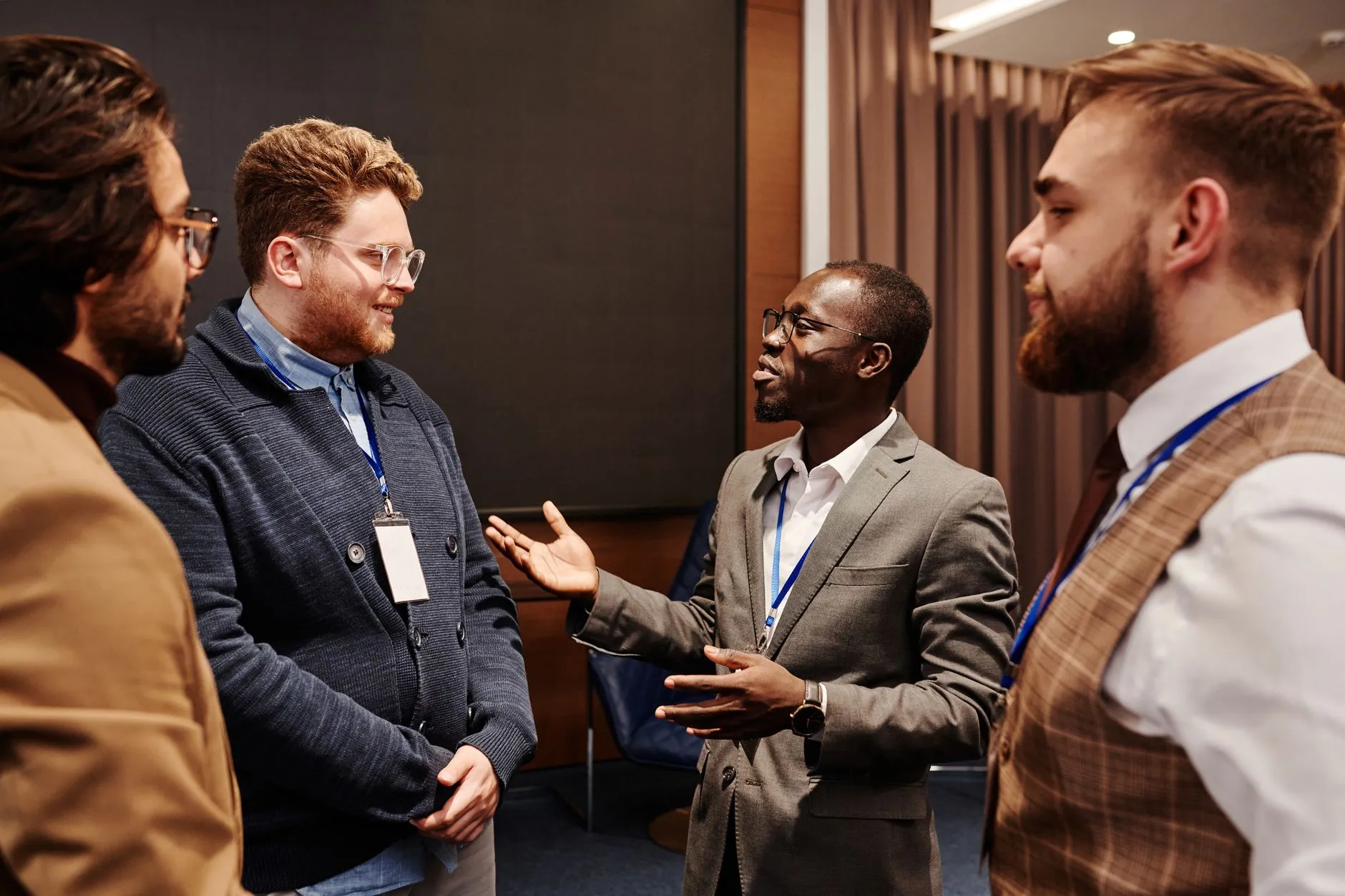
On 8 and 9 September 2026, senior sustainability leaders from three major UK organisations gathered at the QEII Centre in Westminster to discuss a challenge many businesses now face. How do you turn climate commitments into action that reaches every part of your organisation? The Sustainability Strategy Forum brought together Abigail Lovell from Experian, Nicki Lyons from VodafoneThree and Jaclyn Kaminski-Beneche from International Workplace Group to explore this question. Their session formed part of Sustainability LIVE: The London Summit, a two-day event attended by more than 1,000 professionals.
For UK SMEs watching these conversations, the topic carries practical weight. Large organisations face the same friction points you do when implementing sustainability programmes. Executive pledges need translating into purchasing decisions, site-level operations and middle-management priorities. As a result, the forum's focus on execution rather than ambition offers useful perspective for businesses of any size.
The event itself was organised by BizClik and Sustainability Magazine. It featured more than 50 speakers across 10 themes, with four interactive workshops and a programme designed to connect sustainability, procurement and supply-chain leaders. The forum sat within this broader agenda as a leadership-focused session sponsored by Experian. Organisers described it as addressing how chief sustainability officers can drive strategy through middle management and create accountability across teams.
Large organisations confront the same delivery gap
What stands out about the forum is its framing. This was not a panel about targets or disclosure frameworks. Instead, it concentrated on the operational challenge of embedding climate goals into day-to-day business functions. For many companies, the gap between boardroom commitment and frontline delivery remains wide. Sustainability strategies exist on paper but struggle to influence procurement, site management or performance reviews.
Experian's participation reflects its public positioning around ESG governance and business resilience. The company has made sustainability leadership part of its corporate narrative. VodafoneThree's involvement signals the telecoms sector's growing attention to operational decarbonisation and the energy efficiency of digital infrastructure. Meanwhile, International Workspace Group's presence connects to real estate, workplace management and the carbon footprint of flexible office environments.
These sectors face different technical challenges. However, they share a common need to move sustainability from a specialist function into core operations. That shared agenda explains why the forum focused on governance, middle-management engagement and cross-functional accountability. In practice, this means ensuring that sustainability criteria influence budget allocation, supplier selection and employee incentives.
The session took place within a summit that gave equal attention to net zero, decarbonisation, circularity and sustainable procurement. Consequently, the forum did not exist in isolation. It formed part of a wider industry effort to address implementation gaps and share practical lessons. For businesses attending or following the event, this created opportunities to compare approaches across sectors and learn from peers facing similar obstacles.
Why execution now matters more than ambition
UK businesses of all sizes face rising scrutiny over climate delivery. In recent years, regulators, investors and customers have moved beyond asking whether companies have net-zero targets. They now want evidence of progress, transparent reporting and proof that climate goals are shaping operational decisions. This shift makes the forum's emphasis on execution particularly relevant.
For SMEs, the lessons translate directly. You may not have a chief sustainability officer or dedicated ESG team. Nevertheless, you still need to embed sustainability into purchasing, energy management and supplier relationships. The challenge is similar at any scale. How do you ensure that stated climate commitments influence the decisions people make every day?
The forum's focus on middle management is especially pertinent. In many organisations, senior leaders set ambitious targets while operational teams lack the tools, budgets or incentives to deliver them. Bridging that gap requires clear communication, aligned KPIs and practical support. For example, procurement teams need guidance on evaluating supplier emissions. Site managers need budgets for energy efficiency improvements. Department heads need sustainability metrics built into their performance objectives.
VodafoneThree's presence at the forum highlights the telecoms sector's particular pressures. Digital infrastructure demands significant energy input. As data traffic grows, so does the carbon footprint of network operations. Therefore, telecoms companies face a dual challenge. They must decarbonise their own operations while helping customers reduce emissions through digital solutions. This balancing act requires careful strategy and disciplined execution.
International Workspace Group's involvement reflects similar pressures in the real estate and workplace sector. Flexible office providers manage multiple sites, each with heating, cooling, lighting and waste streams. They also serve clients who increasingly demand sustainability credentials from their office providers. Consequently, companies in this space must track and reduce emissions while meeting tenant expectations and regulatory requirements.
Public sector suppliers face additional compliance layers
If your business supplies the public sector, the execution challenge intensifies. Procurement Policy Note 06/21 requires suppliers bidding for central government contracts above certain thresholds to publish a carbon reduction plan. The plan must cover your emissions, reduction targets and the steps you are taking to achieve them. Furthermore, contracting authorities now assess these plans as part of tender evaluations.
This means sustainability is no longer optional for public sector suppliers. It is a condition of market access. As a result, businesses that fail to embed carbon management into their operations risk exclusion from significant tender opportunities. The same logic applies to supply chains more broadly. Large organisations increasingly audit their suppliers' sustainability performance and expect evidence of action, not just policy statements.
The forum's discussion around driving strategy through middle management speaks directly to this challenge. Carbon reduction plans are only credible if the actions they describe actually happen. Therefore, suppliers need internal systems that track emissions, assign responsibility and monitor progress. This requires engagement from operational teams, not just sustainability specialists.
For SMEs, this creates both risk and opportunity. On one hand, compliance demands add administrative burden and may require investment in measurement, reporting and reduction projects. On the other hand, businesses that build robust sustainability programmes can differentiate themselves in competitive tenders. Buyers value suppliers who demonstrate genuine commitment and provide transparent data.
The London summit's focus on practical delivery aligns with this shift. Consequently, sessions like the Sustainability Strategy Forum help leaders understand what effective execution looks like. For smaller businesses, the principles remain the same even if the scale differs. You need clear targets, assigned responsibilities, regular monitoring and visible senior support.
What the forum reveals about corporate climate priorities
The forum matters less for specific announcements than for what it signals about corporate sustainability priorities. By bringing together leaders from finance, telecoms and workspace sectors, the session underscored that climate action is becoming embedded in mainstream business leadership. Sustainability is no longer confined to CSR teams or annual reports. It now influences procurement, operations, risk management and strategic planning.
This shift has implications for how businesses approach climate programmes. In the past, many companies treated sustainability as a communications exercise. They published targets, issued statements and hoped this satisfied stakeholders. Now, investors, regulators and customers demand evidence of progress. They want to see emissions data, reduction trajectories and proof that climate goals are shaping business decisions.
The forum's emphasis on cross-functional accountability reflects this change. Effective sustainability programmes require input from finance, procurement, operations, HR and IT. Each function controls levers that influence carbon performance. Therefore, embedding sustainability across these teams is essential for delivering meaningful progress.
For SMEs, the same logic applies. You may not have separate departments, but you still have different business functions. Consequently, your sustainability programme needs to influence how you buy, how you manage energy, how you operate sites and how you engage suppliers. This requires coordination, clear communication and practical tools that help people understand their role in delivering climate goals.
The summit's scale also matters. With more than 1,000 attendees and 50 speakers, it provided a platform for peer learning and standard-setting. In this context, the forum helped amplify best practice and share lessons across sectors. For businesses unable to attend, the event's visibility nonetheless signals where industry attention is focused.
Five key points for UK businesses
- The Sustainability Strategy Forum took place on 8 and 9 September 2026 at the QEII Centre in Westminster, featuring leaders from Experian, VodafoneThree and International Workspace Group.
- The session focused on translating sustainability strategy into operational delivery and creating accountability across organisational layers.
- More than 1,000 professionals attended Sustainability LIVE: The London Summit, which included 50 speakers and covered net zero, decarbonisation, circularity and sustainable procurement.
- The forum emphasised the challenge of driving sustainability commitments from senior leadership through middle management to frontline teams.
- For public sector suppliers, effective execution of carbon reduction plans is now a market access requirement under Procurement Policy Note 06/21.
What SMEs should consider following this discussion
The forum's focus on execution offers useful lessons for smaller businesses. First, sustainability programmes succeed when they connect to everyday operations. Targets and policies matter, but they must translate into specific actions that teams can implement. This means assigning clear responsibilities, providing practical guidance and tracking progress regularly.
Second, middle management plays a critical role. Senior leaders can set direction, but operational managers control budgets, purchasing decisions and site-level practices. Therefore, sustainability programmes need to equip these managers with tools, data and support. For example, procurement teams benefit from clear supplier evaluation criteria. Facilities managers need energy usage data and guidance on efficiency improvements.
Third, sustainability is increasingly a commercial issue, not just a compliance task. Public sector tenders, supply chain audits and customer due diligence now routinely assess climate performance. Consequently, businesses that embed sustainability into their operations gain competitive advantage. Those that treat it as a peripheral concern risk losing access to contracts and customers.
At SBS, we work with SMEs to develop practical sustainability programmes that meet these challenges. Our net-zero program for carbon reporting compliance helps businesses measure emissions, set credible targets and build carbon reduction plans that satisfy tender requirements. We also provide sustainable procurement support for public sector suppliers, ensuring your purchasing practices align with regulatory expectations and buyer standards.
Fourth, collaboration and peer learning accelerate progress. Events like the London summit create opportunities to share lessons, compare approaches and identify common solutions. For smaller businesses, joining industry networks or working with consultancies provides access to similar insights. You do not need to solve every challenge alone.
Finally, transparency builds trust. Stakeholders increasingly expect businesses to report progress openly, acknowledge gaps and demonstrate improvement over time. Perfection is not the standard. Credible effort, honest reporting and visible action matter more than flawless performance. Therefore, businesses should focus on building robust systems, collecting reliable data and communicating progress clearly.
Where to find authoritative guidance and support
The UK government provides comprehensive resources on net zero and carbon reduction. The Department for Energy Security and Net Zero publishes policy updates, guidance documents and sectoral roadmaps. For public sector suppliers, Procurement Policy Note 06/21 sets out carbon reduction plan requirements in detail.
The Carbon Trust offers tools, standards and guidance on measuring and reducing emissions. Their resources cover Scope 1, 2 and 3 emissions, helping businesses understand their full carbon footprint. The Institute of Environmental Management and Assessment provides professional standards and training for sustainability practitioners.
For businesses seeking sector-specific guidance, trade associations often publish tailored resources. Meanwhile, our SBS Academy training on Scope 3 emissions helps teams understand supply chain carbon management and develop practical reduction strategies. Combining these resources with professional support ensures your sustainability programme meets regulatory requirements and supports commercial objectives.