
thyssenkrupp Rasselstein to source green electricity from an 8 MWp on-site photovoltaic system
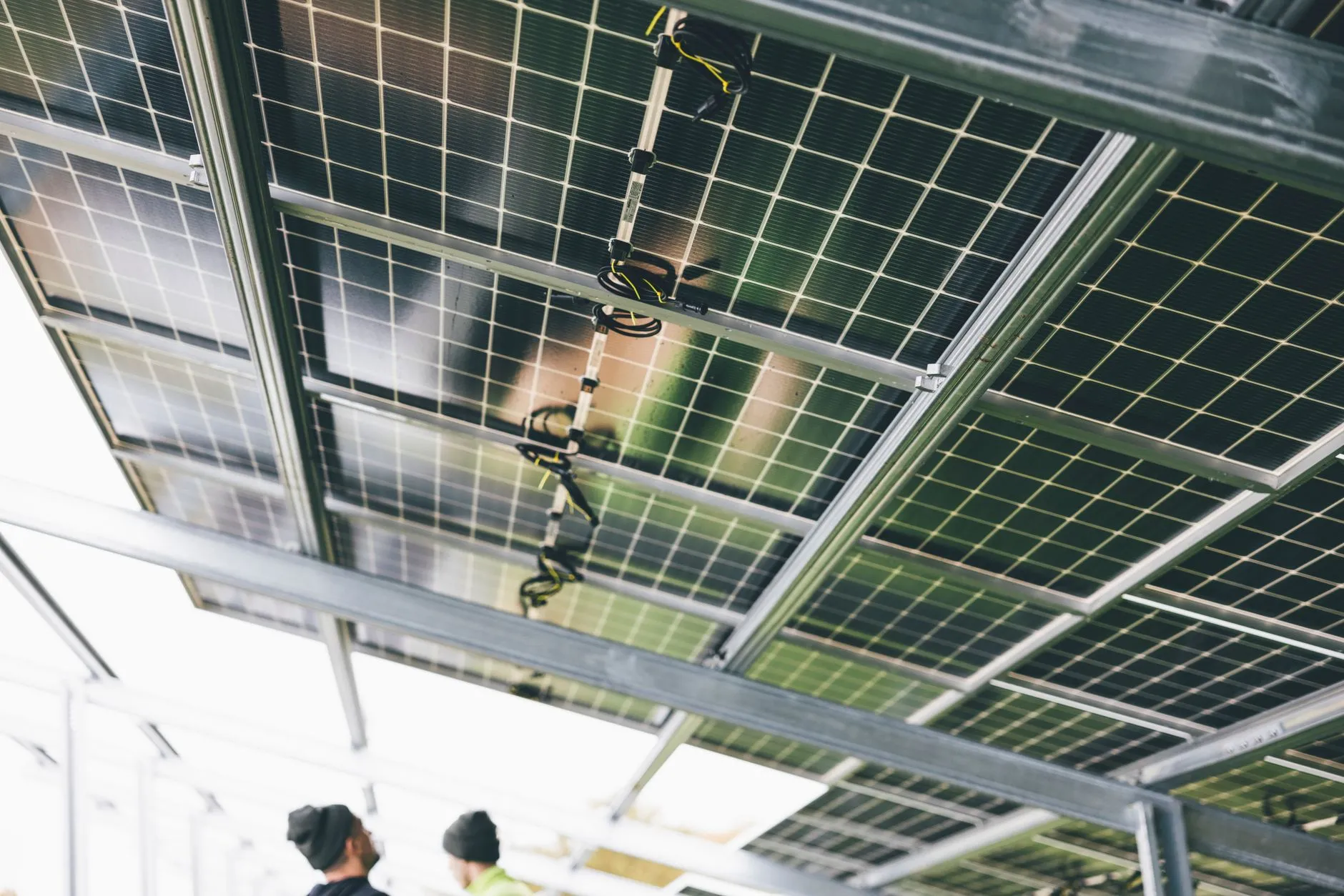
German tinplate maker installs 8 MWp solar farm under PPA contract
thyssenkrupp Rasselstein is building an 8 megawatt peak photovoltaic system at its Andernach plant in Germany. The installation will supply renewable electricity directly to the site under a 20-year power purchase agreement with VSB Integrated Energy Solutions. Construction is scheduled to begin in the fourth quarter of 2026, with the system expected to reach completion by mid-2027.
The company produces tinplate for food packaging, beverage cans, and industrial applications. It is Germany's only remaining tinplate manufacturer. This solar project forms part of thyssenkrupp Steel's wider decarbonisation programme, which includes long-term renewable electricity contracts across multiple production sites.
Rasselstein will purchase all electricity generated by the system. However, it will not own the asset itself. Instead, VSB will finance, build, and operate the installation. This structure allows the steelmaker to secure green power without the upfront capital expenditure typically required for large renewable installations.
Ground-mounted system uses 5.2 hectares of undeveloped land
The solar farm will occupy two previously unused areas totalling 5.2 hectares. That area is roughly equivalent to seven football pitches. The installation will use approximately 12,000 solar modules.
Annual generation is expected to reach around 8 gigawatt-hours. For context, that volume could supply roughly 2,000 households each year. In this case, the electricity will instead feed directly into the Andernach plant's operations.
The supporting steel structure for the solar park will use thyssenkrupp Steel's bluemint® Steel and ZM EcoProtect® Solar coating. The company states that this coating was developed specifically for ground-mounted photovoltaic systems. By using its own lower-carbon steel products in the project infrastructure, thyssenkrupp demonstrates internal supply chain integration between its steel production and renewable energy activities.
Dr Thorsten Krenke, chief technology officer at thyssenkrupp Rasselstein, confirmed that construction is planned for late 2026. He described the photovoltaic plant as part of a comprehensive green power strategy for the site.
On-site PPA provides renewable electricity without asset ownership
The contract structure is noteworthy. thyssenkrupp Rasselstein commits to buying 100 per cent of the electricity generated over a 20-year period. In return, VSB assumes responsibility for financing, constructing, and maintaining the system.
This model has become increasingly common among energy-intensive manufacturers. It reduces balance sheet exposure while securing long-term renewable supply. For businesses facing pressure to cut emissions quickly, on-site PPAs offer a faster route than self-financing large capital projects.
The arrangement also transfers performance risk. If the system underperforms due to equipment failure or unforeseen technical issues, VSB bears the financial consequences. Meanwhile, Rasselstein benefits from predictable electricity costs over two decades, which helps with financial planning and carbon accounting.
On-site generation offers additional advantages. Electricity produced at the point of use avoids transmission losses and grid congestion charges. It also provides a degree of energy security, particularly during periods of high grid demand or supply constraints.
Solar project supports emissions cuts across steel production
The installation will reduce the carbon footprint of both the Andernach plant and the tinplate products manufactured there. Lower operational emissions improve the company's performance against Scope 2 targets, which cover purchased electricity and heat.
For customers, this matters increasingly. Many food and beverage companies now scrutinise the embedded carbon in their packaging materials. Tinplate produced using renewable electricity carries a lower carbon intensity than material made with grid power from fossil sources. Consequently, this project may strengthen Rasselstein's position with buyers who face their own net-zero commitments.
In February 2025, thyssenkrupp announced contracts for around 230 gigawatt-hours of green electricity across multiple subsidiaries, including Rasselstein. Those agreements are expected to avoid more than 70,000 metric tonnes of carbon dioxide annually. The Andernach solar farm represents one component of that broader procurement strategy.
The company's overall climate targets include reaching net zero by 2050 globally, and by 2045 in Germany. These commitments have been validated by the Science Based Targets initiative, which assesses whether corporate climate goals align with limiting global warming to 1.5 degrees Celsius.
Near-term targets cover Scope 1, Scope 2, and Scope 3 emissions. Scope 1 includes direct emissions from owned or controlled sources. Scope 2 covers indirect emissions from purchased energy. Scope 3 encompasses all other indirect emissions in the value chain, including those from raw materials, transportation, and product end-of-life. Renewable electricity procurement primarily addresses Scope 2 emissions.
Tinplate production and carbon-intensive operations
thyssenkrupp Rasselstein operates in a carbon-intensive sector. Steel production traditionally relies on coal-fired blast furnaces, which generate substantial emissions. While this particular solar project addresses electricity rather than primary steelmaking, it reflects a wider industry trend towards electrification and renewable energy.
The company has not published a specific carbon reduction figure for this 8 megawatt installation. However, the scale of the system suggests meaningful annual savings. An 8 gigawatt-hour output, if displacing grid electricity with a typical German carbon intensity, would avoid several thousand tonnes of carbon dioxide each year. The precise figure depends on the grid's generation mix and whether the system displaces baseload or peak demand.
Industrial solar installations of this type also demonstrate land-use considerations. The Andernach site had 5.2 hectares of previously undeveloped space available. Not all manufacturing facilities have that luxury. Companies with space constraints increasingly turn to rooftop installations, carports, or partnerships with nearby landowners.
Industrial renewable procurement across European manufacturing
thyssenkrupp's approach mirrors developments across European heavy industry. Steelmakers, chemical manufacturers, and automotive companies are all accelerating renewable electricity procurement. Drivers include rising carbon prices under the EU Emissions Trading System, customer pressure for lower-carbon products, and regulatory requirements such as the Corporate Sustainability Reporting Directive.
Germany's industrial sector faces particular pressure. The country aims to phase out coal by 2030 and reach net zero by 2045. Energy-intensive industries must therefore secure renewable supply at scale. On-site generation offers one solution, but most large manufacturers also require grid-based renewables through PPAs or guarantees of origin.
For smaller businesses, the lessons are transferable. On-site solar can reduce electricity costs, hedge against price volatility, and improve environmental credentials. The technology has matured considerably. Costs have fallen, and financing structures like third-party PPAs remove barriers to entry.
However, site suitability varies. Businesses need adequate roof or ground space, minimal shading, and sufficient electricity demand to justify the installation. They should also consider grid connection arrangements, planning permissions, and whether battery storage might enhance the system's value.
What this means for energy-intensive UK businesses
UK manufacturers face similar pressures. Carbon reporting requirements have tightened under the Streamlined Energy and Carbon Reporting framework. Companies bidding for public sector contracts must now demonstrate their approach to carbon reduction under Procurement Policy Note 06/21. Meanwhile, corporate customers increasingly demand supply chain emissions data.
On-site renewable generation can address multiple objectives. It cuts Scope 2 emissions, reduces exposure to grid price volatility, and provides tangible evidence of climate action. For businesses with suitable sites, the case for investment has strengthened considerably.
The contract structure used by thyssenkrupp offers a viable model. Third-party ownership through PPAs allows companies to secure renewable electricity without tying up capital or managing unfamiliar assets. The provider handles installation, maintenance, and performance risk. The buyer receives predictable pricing and renewable supply.
Feed-in tariffs and other subsidies have largely ended, but the economics still work in many cases. Electricity prices remain elevated compared to historical levels. Solar generation costs have fallen dramatically. For high-volume users with suitable sites, the business case often stacks up even without subsidies.
Businesses should also consider how on-site generation integrates with broader energy strategy. Solar output varies by season and time of day. Battery storage can improve utilisation, but adds cost. Alternatively, companies can combine on-site generation with grid-based renewable PPAs to cover total demand.
Planning and grid connection can present obstacles. Local authorities sometimes resist large ground-mounted installations. Distribution network operators may impose connection charges or require reinforcement work. Early engagement with both helps avoid delays and unexpected costs.
Eight key facts about the thyssenkrupp Rasselstein solar project
- The photovoltaic system has a capacity of 8 megawatt peak and will generate approximately 8 gigawatt-hours of electricity annually.
- VSB Integrated Energy Solutions will finance, build, and operate the installation under a 20-year power purchase agreement.
- thyssenkrupp Rasselstein will purchase 100 per cent of the electricity produced, using it to power operations at the Andernach plant.
- Construction is scheduled to begin in the fourth quarter of 2026, with completion expected by mid-2027.
- The ground-mounted system will occupy 5.2 hectares of previously undeveloped land and use roughly 12,000 solar modules.
- The supporting steel structure will use thyssenkrupp's bluemint® Steel and ZM EcoProtect® Solar coating, demonstrating internal supply chain integration.
- This project forms part of a wider procurement strategy that includes contracts for around 230 gigawatt-hours of green electricity across thyssenkrupp Steel subsidiaries.
- thyssenkrupp aims to reach climate neutrality by 2045 in Germany and 2050 globally, with targets validated by the Science Based Targets initiative.
Strategic decisions for manufacturers considering on-site renewables
Businesses evaluating similar projects should start with a detailed energy audit. Understanding current consumption patterns, peak demand periods, and future growth projections is essential. Solar generation profiles must align with operational needs to maximise value.
Site surveys identify physical constraints and opportunities. Roof condition, structural capacity, shading, and orientation all affect system performance. Ground-mounted installations require available land, planning permission, and consideration of alternative uses.
Financial modelling should compare multiple scenarios. Direct ownership, third-party PPAs, and lease arrangements each carry different risk and return profiles. Tax treatment, capital allowances, and accounting implications vary by structure. Professional advice is usually worthwhile.
Grid connection arrangements require early attention. Distribution network operators need to assess whether existing infrastructure can accommodate exports or whether reinforcement is necessary. Connection costs and timescales can significantly affect project viability.
Carbon accounting rules matter. Businesses must ensure their renewable procurement approach aligns with reporting standards such as the Greenhouse Gas Protocol. Location-based and market-based accounting methods treat renewable electricity differently. For public sector suppliers, compliance with PPN 06/21 requires specific evidence and reporting.
Our net-zero programme helps manufacturers develop comprehensive decarbonisation strategies that integrate renewable procurement, energy efficiency, and carbon reporting. We support businesses through site assessments, financial modelling, supplier selection, and ongoing compliance management.
For companies targeting public sector contracts, we provide specialist support with PPN 06/21 compliance and carbon reduction plan development. This includes Scope 1, 2, and 3 emissions calculations, target setting aligned with science-based approaches, and documentation that meets procurement requirements.
Where to find additional guidance and technical resources
The Department for Energy Security and Net Zero publishes guidance on renewable energy procurement, grid connections, and climate policy. Its resources cover subsidy schemes, planning frameworks, and emissions reporting requirements relevant to UK businesses.
The Office of Gas and Electricity Markets regulates energy markets and network connections. Its website provides information on distribution network access, connection processes, and electricity market arrangements that affect on-site generation projects.
The Carbon Trust offers technical resources on renewable energy technologies, carbon measurement, and net-zero strategy development. While we do not link to commercial consultancies in our articles, the Carbon Trust operates as a mission-driven organisation with publicly funded research and guidance materials.
For businesses seeking structured learning on carbon management and renewable procurement, the SBS Academy provides practical training on emissions measurement, reduction planning, and sustainability reporting frameworks applicable to UK manufacturers.