
TPE unveils £1bn battery train fleet to transform rail travel across the north
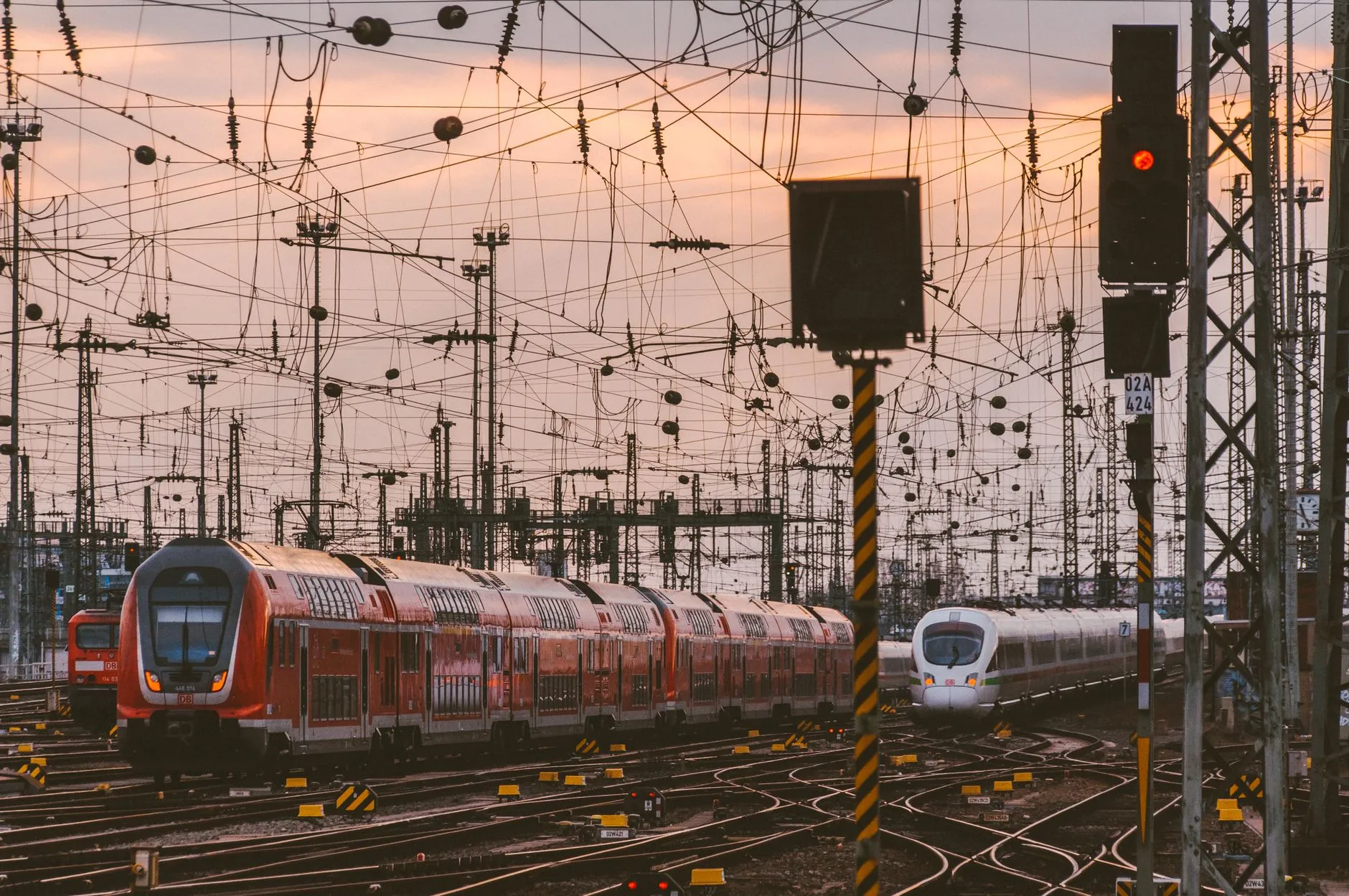
Britain is about to see its first mainline battery-electric trains enter passenger service. TransPennine Express has confirmed a deal worth almost £1 billion for 29 new trains that will run across the North of England from winter 2034. For businesses that rely on regional rail connections, the investment signals a shift in how the UK intends to decarbonise transport without waiting for full network electrification.
The trains will be built in Derby by Alstom. They will serve routes linking Liverpool, Manchester, York, Hull, Scarborough and Saltburn. Manufacturing is due to start in 2028, with full delivery expected by winter 2032 and passenger service following two years later.
This is not simply a fleet replacement. The project includes depot upgrades, new charging infrastructure, and long-term maintenance contracts. It also carries weight as an industrial policy statement. According to the Department for Transport, the order will support more than 350 jobs at Alstom and around 6,000 positions across the UK supply chain.
Battery power on mixed electrification routes
The trains, named Adessia Stream, are five-car battery-electric multiple units. They are designed to run on electrified track where available and switch to battery power on sections without overhead wires. This approach offers zero-emission operation on non-electrified stretches, which is particularly relevant across the TransPennine corridor where electrification remains incomplete.
For UK SMEs, the significance lies in what the technology could enable. Battery-electric trains avoid the cost and disruption of extending electrification across the entire network. Consequently, they may allow faster decarbonisation of regional routes that serve manufacturing hubs, freight interchanges, and business districts outside London.
The trains are expected to carry up to 300 passengers and run at speeds up to 110 mph. The Department for Transport has indicated that journey times could be cut by up to 10 minutes between Manchester and Leeds, and by up to 14 minutes between Manchester and York. Faster, more reliable connections matter commercially. They affect labour markets, meeting schedules, supplier relationships, and the attractiveness of regional locations for investment.
Charging facilities will be built at Hull, Scarborough and Saltburn. These installations represent significant infrastructure investment in areas that have historically received less railway capital spending than major intercity routes. Therefore, the deal has a clear regional development dimension alongside its environmental purpose.
How the order fits UK rail decarbonisation goals
Britain's rail network is only partially electrified. Extending overhead wires is expensive and slow. Battery technology offers a different pathway. If these trains perform as planned, they could become a model for other operators facing similar constraints.
The TransPennine Route Upgrade is already underway. It aims to improve capacity, reliability, and journey times across one of the busiest cross-northern corridors. The new battery fleet is designed to work within that upgraded infrastructure. As a result, the project combines network improvements with cleaner rolling stock, rather than relying on either alone.
For businesses tracking sustainability policy, this deal reflects how government is allocating capital to decarbonise transport. The investment is substantial, but the timeline is long. Manufacturing does not begin until 2028. Passengers will not see the trains in service until 2034. This shows that decarbonising regional rail remains a multi-decade infrastructure challenge, not a quick technology swap.
Nevertheless, the order has immediate implications for supply chains. Alstom's Litchurch Lane Works in Derby will manufacture the trains. Around 6,000 jobs across the UK supply chain are expected to benefit from the order. This includes component suppliers, engineering firms, and specialist contractors involved in depot upgrades and charging infrastructure.
Industrial policy and regional manufacturing
The government has framed the deal as part of efforts to "reindustrialise Britain." Locating production in Derby supports high-value rail manufacturing in the UK. It also ties the project to broader economic objectives beyond emissions reduction.
Rock Rail is financing the trains. This arrangement reflects how major rail rolling stock procurement increasingly involves private finance alongside public sector contracting. For SMEs in the supply chain, understanding these financing structures matters. Payment terms, contract lengths, and revenue models all affect how opportunities flow through to smaller suppliers.
Battery-electric trains also create demand for new types of expertise. Charging infrastructure, battery maintenance, energy management systems, and integration with grid networks all require specialist knowledge. Consequently, the project may generate opportunities for firms with relevant capabilities, particularly those already working in electric vehicle charging or energy storage.
Meanwhile, the routes themselves serve economically important areas. Liverpool and Manchester are major business centres. York and Hull are key nodes for logistics, manufacturing, and agriculture. Scarborough and Saltburn rely heavily on tourism. Improved rail connections affect all these sectors differently, but the common thread is that journey time, reliability, and capacity all influence competitiveness.
Commercial implications for businesses using TransPennine services
For companies that depend on these routes, the investment offers potential benefits but also a long wait. The trains will not enter service until 2034. In the meantime, businesses must plan around existing rolling stock and performance levels.
However, the deal does signal long-term commitment to the corridor. That matters for location decisions, recruitment strategies, and capital investment. If a business is considering opening a facility in Hull or expanding operations in Scarborough, knowing that rail connectivity will improve by 2034 becomes part of the strategic picture.
Suppliers to Alstom or its subcontractors may see more immediate opportunities. The manufacturing timeline runs from 2028 to 2032. Companies capable of contributing components, engineering services, or specialist materials should be tracking procurement channels now. Our sustainable procurement support for public sector suppliers can help businesses understand how to position themselves for these opportunities.
There are also implications for carbon reporting. Businesses that report Scope 3 emissions from employee travel or logistics may eventually see reduced emissions from trips taken on these routes. Similarly, companies bidding for public sector contracts that include journey-time or emissions criteria could benefit from improved rail options. Understanding how transport decarbonisation affects your carbon reporting compliance is increasingly important for SMEs in supply chains.
What the deal reveals about infrastructure investment timelines
The six-year gap between full delivery in 2032 and passenger service in 2034 reflects the complexity of introducing new trains. Testing, driver training, depot commissioning, and regulatory approvals all take time. For businesses, this underscores the importance of planning around long lead times when infrastructure change is involved.
It also highlights the role of integrated projects. The battery trains require new charging infrastructure, depot modifications, and coordination with the TransPennine Route Upgrade. None of these elements delivers value in isolation. Therefore, the commercial benefits depend on successful integration across multiple workstreams, each with its own risks and dependencies.
For SMEs, this suggests that opportunities will emerge in phases. Early-stage design and engineering work precedes manufacturing. Manufacturing precedes installation and commissioning. Commissioning precedes operational maintenance contracts. Tracking these phases and understanding where your capabilities fit is essential for firms seeking to participate.
Key details about the TransPennine battery train order
- The order comprises 29 five-car battery-electric trains, the first mainline battery fleet in Britain.
- Alstom will build the trains at Litchurch Lane Works in Derby, with manufacturing starting in 2028.
- Full delivery is expected by winter 2032, with passenger service beginning in winter 2034.
- Routes will include Liverpool, Manchester, York, Hull, Scarborough and Saltburn, with charging facilities at Hull, Scarborough and Saltburn.
- The Department for Transport estimates the deal will support more than 350 jobs at Alstom and around 6,000 across the UK supply chain.
- Journey times could be reduced by up to 10 minutes between Manchester and Leeds and up to 14 minutes between Manchester and York.
- The trains will run on electrified sections and switch to battery power on non-electrified stretches, offering zero-emission operation where overhead wires are not present.
What businesses should consider now
If your business operates in the regions served by TransPennine Express, the investment provides a signal of future connectivity improvements. While the benefits will not arrive until 2034, strategic planning should account for improved journey times and increased capacity. Location decisions, recruitment catchments, and customer access strategies may all be affected.
Suppliers with relevant capabilities should investigate how Alstom and its partners are structuring procurement. The manufacturing phase runs for four years, creating a sustained pipeline of work. However, getting onto approved supplier lists and meeting technical requirements takes time. Early engagement with procurement processes is usually more effective than late-stage tendering.
For businesses already reporting carbon emissions, tracking developments in transport infrastructure helps refine Scope 3 calculations. Rail decarbonisation affects employee commuting, business travel, and in some cases logistics emissions. Understanding the timeline and scale of these changes improves the accuracy of long-term carbon reduction plans.
Companies bidding for public sector contracts should also note how government is prioritising regional rail investment. Demonstrating understanding of local transport infrastructure and its decarbonisation trajectory can strengthen tender responses, particularly where social value or local economic impact are scored criteria.
Finally, the deal illustrates how battery technology is being deployed at scale in the UK. For businesses in energy storage, charging infrastructure, or electric vehicle supply chains, the rail sector represents a growing market. The technical requirements differ from road transport, but the underlying skills and technologies overlap. Consequently, firms active in one area may find transferable opportunities in the other.
Where to find further information
The Department for Transport has published details of the order, including job creation estimates and timeline information, on the official government website. This remains the authoritative source for policy context and industrial strategy framing.
TransPennine Express provides updates on fleet plans and service improvements through its official channels. Businesses using these routes should monitor announcements for updates on delivery schedules and service changes.
Alstom publishes information about its manufacturing facilities and supply chain requirements. Suppliers interested in opportunities linked to the Derby production should consult Alstom's procurement pages for qualification criteria and tender processes.
For broader context on UK rail decarbonisation, the Department for Energy Security and Net Zero provides policy updates and sector-specific guidance on transport emissions reduction. Understanding how battery trains fit into wider decarbonisation plans helps businesses anticipate future investment patterns and regulatory direction.