
Türkiye's COP31 Targets Include Electrification and Waste Reduction
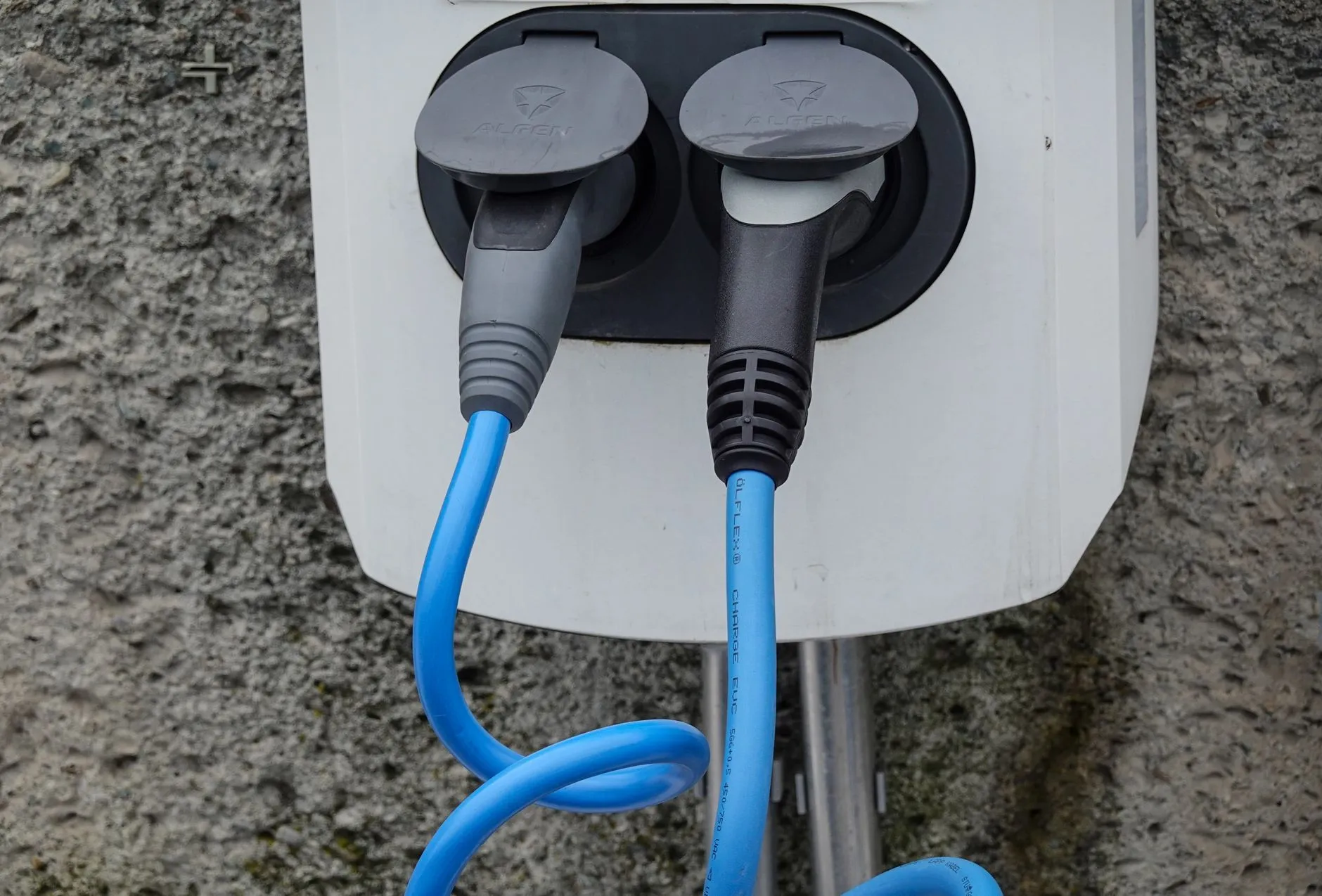
Türkiye sets measurable electrification and waste targets for COP31
Türkiye has published a detailed agenda for COP31 that centres on electrification, methane cuts, and zero waste. The host country is framing the November 2026 summit in Antalya as an implementation-focused event rather than another round of high-level declarations. The Presidency wants electricity to account for 35% of global final energy demand by 2035, up from just over 20% today. It also aims to halve the growth rate of waste generation by 2035 and cut building-sector energy intensity by at least 25% over the same period.
These are quantified targets tied to specific sectors. Consequently, they offer a different structure to previous summits that relied on broader pledges without clear sectoral benchmarks. For UK businesses tracking international climate policy, the COP31 agenda signals a shift toward delivery mechanisms that link energy infrastructure, urban systems, and industrial activity to measurable emissions outcomes.
COP31 framed as delivery summit with sector focus
Türkiye is hosting COP31 in Antalya in November 2026. The Presidency has used its preparatory communications to describe the summit as an action-oriented event. In presentations at Bonn and related materials, officials outlined priorities spanning electrification, zero waste, food security, resilient cities, green industrialisation, youth participation, health, and education.
COP31 President-Designate Murat Kurum has emphasised that climate policy must connect to practical outcomes in energy, waste, and urban systems. He described electrification as a core transition goal. Meanwhile, he identified methane reduction as one of the fastest available routes to slowing warming. He also stressed that waste management can deliver rapid climate benefits.
The agenda reflects a deliberate attempt to move from ambition to implementation. Rather than focusing solely on long-term decarbonisation pathways, the Presidency is highlighting systems that shape daily energy use and emissions. This includes buildings, industry, cities, and waste. The approach suggests Türkiye wants COP31 to be remembered for sector-specific progress rather than only diplomatic statements.
Ten thematic areas underpin the action agenda
The COP31 Action Agenda is organised around ten thematic areas. These include clean energy transition, zero waste and methane reduction, food security, climate-resilient cities, oceans and seas, youth and education, green industrialisation, resilient health systems, Rio synergy, and a climate implementation bridge. Each theme is linked to specific objectives and, in some cases, measurable targets.
The headline quantified goals are notable for their precision. The Presidency wants global electrification to reach 35% by 2035. This represents a significant increase from current levels. It also seeks a 50% reduction in the growth rate of waste generation by 2035. In addition, it targets at least a 25% reduction in energy-use intensity in the building sector by 2035. Finally, it aims for at least 15% circular material use in production and manufacturing by 2035.
These targets are accompanied by broader implementation priorities. The Presidency has linked the thematic areas to climate finance, institutional capacity, and investment-ready projects. The agenda therefore attempts to connect ambition with the mechanisms needed to turn commitments into deployment. This includes programming around finance, technology transfer, and capacity building.
Furthermore, the Presidency has published an expanded programme outline. This assigns thematic days to food and agriculture, energy and transport, zero waste, resilient cities, science and industry, and implementation support. The structure suggests a deliberate effort to create momentum around specific sectors during the summit itself.
Electrification and methane feature in Presidency statements
The COP31 Presidency has been explicit about why it considers electrification and methane reduction central to the agenda. On electrification, officials stated that by demonstrating a shared global will to accelerate electrification, the aim is to reach a 35% electrification rate by 2035. This target is intended to serve as a reference point for national policy and international coordination.
On methane and waste, Kurum said that reducing methane is one of the quickest and most implementable opportunities to slow global warming. He noted that the waste sector accounts for roughly 20% of human-caused methane emissions. Moreover, he emphasised that proven, scalable solutions are already available. He urged parties to adopt the goal of halving the increase in waste production by 2035.
These statements suggest the Presidency views both areas as politically achievable and technically ready. Electrification can be advanced through grid expansion, renewable generation, and electrified transport and heating. Methane reduction in the waste sector can be delivered through improved landfill management, organic waste diversion, and biogas capture. Both interventions offer near-term emissions benefits without requiring fundamental technological breakthroughs.
Commercial relevance for UK businesses and supply chains
The COP31 agenda has direct implications for UK companies operating in energy-intensive sectors or managing international supply chains. Electrification targets are likely to influence procurement criteria, infrastructure investment, and regulatory expectations across multiple jurisdictions. Businesses supplying goods or services to public sector clients may face increased scrutiny of their electrification plans, particularly if COP31 outcomes feed into updated procurement standards.
For manufacturers, the 15% circular material use target signals a growing policy focus on material loops and resource efficiency. This may affect sourcing decisions, product design, and end-of-life planning. Companies that can demonstrate circular practices are likely to find themselves better positioned in tenders and supply chain audits. Conversely, those reliant on linear production models may face competitive disadvantage as circular economy expectations become embedded in procurement frameworks.
The zero waste and methane reduction goals also carry operational implications. Businesses with significant waste streams, particularly in food production, hospitality, or manufacturing, may face tighter regulatory requirements or reputational pressure to reduce waste generation and capture methane emissions. The Presidency's emphasis on proven, scalable solutions suggests policy measures are likely to favour technologies and practices that can be deployed quickly. Therefore, companies should consider waste audits, methane capture systems, and organic waste diversion as part of near-term operational planning.
Energy intensity reductions in the building sector will affect property owners, landlords, and facilities managers. A 25% reduction in energy-use intensity by 2035 implies upgrades to heating systems, insulation, lighting, and building management technology. For businesses with commercial property portfolios, this target may translate into capital expenditure requirements, regulatory compliance costs, or mandatory disclosure obligations. However, it also creates opportunities for cost savings through reduced energy consumption and improved asset values.
The agenda's focus on investment-ready projects and climate finance mechanisms suggests that businesses with credible decarbonisation plans may find improved access to finance. Banks and investors are increasingly aligning lending and investment criteria with international climate frameworks. Consequently, companies that can articulate how their operations align with COP31 priorities such as electrification, methane reduction, or circular material use may benefit from favourable financing terms. This is particularly relevant for SMEs seeking growth capital or refinancing existing debt.
European Commission aligns with electrification target
The European Commission has signalled alignment with the COP31 electrification goal through its Electrify Now initiative. This explicitly cites the 35% electrification target as a reference point for policy coordination. The Commission's support suggests the Presidency's framing is already influencing climate discussions beyond Türkiye's own delegation. For UK businesses, this means electrification may become a more prominent feature of European regulatory and procurement landscapes, even as the UK pursues its own net zero pathway.
This development is significant because it demonstrates how COP outcomes can shape regional policy before a summit even takes place. The Commission's endorsement gives the electrification target additional political weight. It also increases the likelihood that electrification benchmarks will appear in future EU regulations, standards, and funding criteria. UK exporters and businesses with European operations should monitor how the 35% target is operationalised in European policy over the coming months.
The alignment between Türkiye and the European Commission also reflects a broader trend toward sector-specific climate targets that can be tracked and compared internationally. This approach contrasts with earlier climate negotiations that focused primarily on aggregate emissions reductions. By defining targets for specific systems such as electricity, buildings, and waste, the COP31 agenda creates clearer benchmarks for policy performance and corporate accountability.
Measurable outcomes in energy and waste systems
- Türkiye is hosting COP31 in Antalya in November 2026 and has framed it as an implementation-focused summit with quantified sector targets.
- The Presidency wants global electrification to reach 35% of final energy demand by 2035, up from just over 20% today.
- Waste generation growth is targeted for a 50% reduction by 2035, alongside at least 25% cuts in building-sector energy intensity.
- Methane reduction is emphasised as a fast, implementable opportunity, with the waste sector accounting for roughly 20% of human-caused methane emissions.
- The agenda includes ten thematic areas covering energy, waste, cities, oceans, youth, health, industrialisation, and finance mechanisms.
- The European Commission has aligned its Electrify Now initiative with the COP31 electrification target, suggesting the agenda is already shaping international policy discussions.
- The focus on investment-ready projects and climate finance indicates that delivery mechanisms are being built into the summit structure from the outset.
Implementation bridge connects ambition to deployment
The inclusion of a climate implementation bridge within the COP31 agenda is a deliberate structural choice. It reflects recognition that ambition alone does not guarantee progress. The bridge concept refers to mechanisms that move commitments into projects, deployment, and measurable outcomes. This includes finance structures, capacity building, technology transfer, and institutional support.
For businesses, the implementation bridge suggests that COP31 may produce more than aspirational targets. It may also generate frameworks that link climate goals to capital allocation, procurement standards, and regulatory enforcement. Companies that can demonstrate alignment with the summit's priorities may find themselves better positioned to access finance, win contracts, or meet compliance requirements. Conversely, businesses that delay action risk being left behind as policy and market expectations shift.
The Presidency's emphasis on practical delivery also suggests that COP31 outcomes will be judged on measurable progress rather than only diplomatic consensus. This raises the stakes for participating countries and, by extension, for businesses operating in sectors covered by the agenda. Electrification, methane reduction, and waste management are all areas where progress can be tracked through data on energy use, emissions intensity, and material flows. Therefore, the summit may establish reporting frameworks or benchmarks that influence national policy and corporate disclosure requirements.
Moreover, the focus on resilient cities and green industrialisation indicates that urban and industrial systems will be central to implementation efforts. UK businesses involved in construction, energy infrastructure, manufacturing, or municipal services should pay close attention to how these themes develop in the lead-up to COP31. The summit may generate new standards, best practices, or funding mechanisms that shape project pipelines and investment decisions in these sectors.
Finance and grid expansion underpin electrification goals
Achieving 35% global electrification by 2035 will require substantial investment in grid infrastructure, renewable generation, and demand-side electrification. The Presidency has acknowledged this by linking the electrification target to climate finance and investment-ready projects. For UK businesses, this means electrification is not just a policy goal but also a commercial opportunity. Companies involved in renewable energy, grid technology, electric vehicle supply chains, or heat pump deployment may see increased demand as countries work toward the COP31 target.
However, electrification also presents challenges. Grid capacity constraints, permitting delays, and skills shortages are all barriers to rapid deployment. Businesses that rely on stable energy supply or plan to electrify operations should assess whether local grid infrastructure can support their requirements. Additionally, companies should consider how electrification targets may affect energy costs, particularly if grid upgrades or renewable generation capacity require significant capital expenditure that is passed through to consumers.
The electrification agenda also intersects with decarbonisation of heat and transport. For businesses operating in these sectors, the COP31 target may accelerate regulatory timelines or tighten performance standards. For example, manufacturers of heating equipment may face increased pressure to shift from fossil fuel systems to electric heat pumps. Similarly, transport operators may encounter stricter emissions requirements or incentives to electrify fleets. These shifts create both compliance obligations and market opportunities, depending on a company's positioning and preparedness.
Where to find authoritative information on COP31
The official UNFCCC website provides updates on COP31 preparations, including Presidency announcements and thematic programming. Businesses should monitor UNFCCC communications for details on agenda development, negotiating texts, and outcomes as the summit approaches. The UK government's Department for Energy Security and Net Zero also publishes guidance on international climate policy and how it intersects with UK commitments.
For companies seeking practical support with carbon reporting, electrification planning, or compliance with evolving climate standards, our net zero program provides structured assistance tailored to UK SMEs. Additionally, our compliance services help businesses navigate regulatory requirements linked to international climate frameworks. Understanding how COP31 outcomes may influence procurement criteria, supply chain expectations, and reporting obligations is essential for businesses aiming to stay ahead of policy developments.