
UK clean energy transition faces £511bn investment challenge by 2040
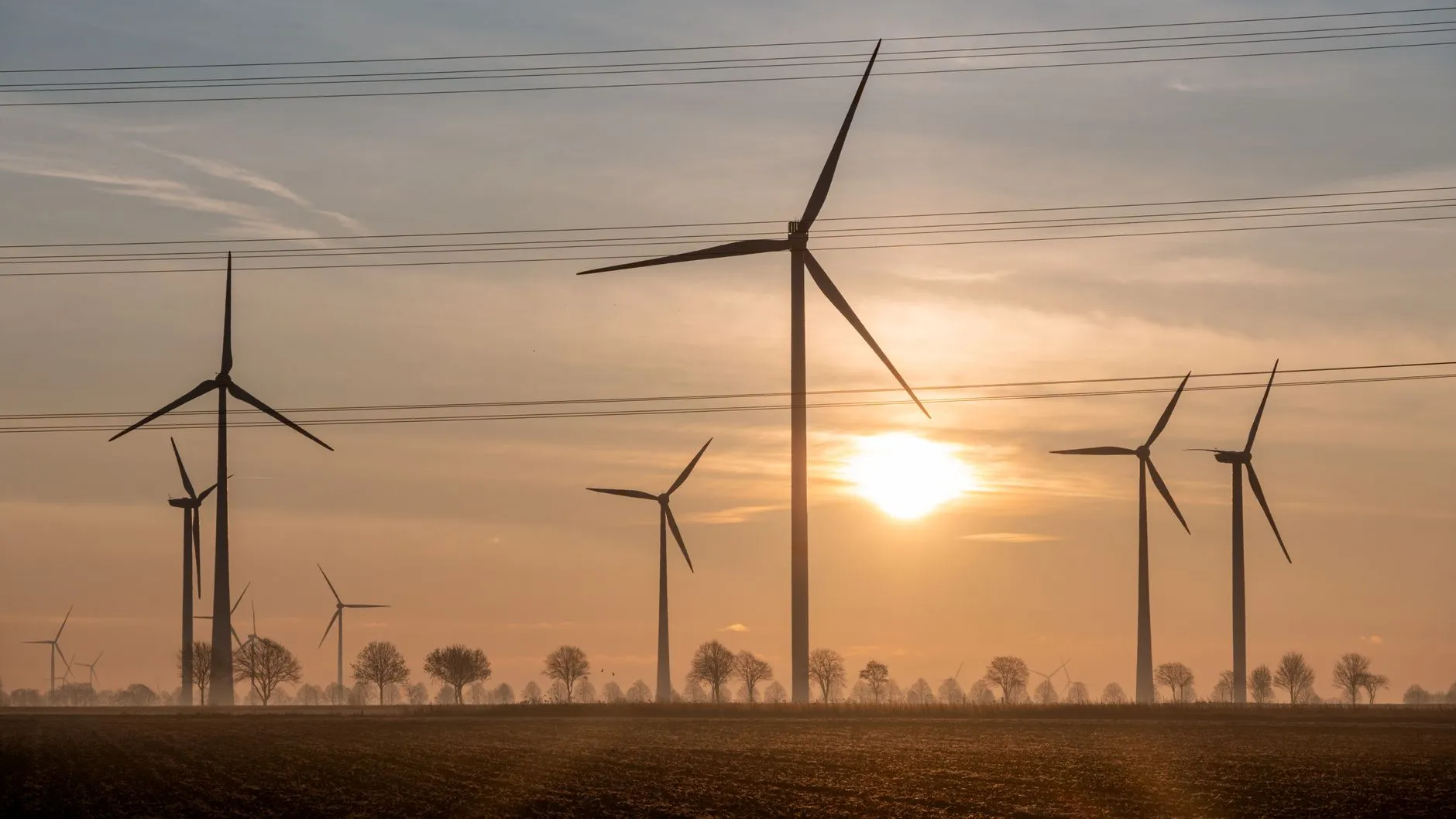
Britain faces a £511 billion investment challenge over the next fifteen years if it wants to deliver on its clean energy commitments. That figure comes from new analysis commissioned by Standard Life and Santander, and it puts the financing question at the heart of the energy transition. For businesses watching policy develop, the report makes clear that the shift to clean power is no longer just about technology or planning consent. It's about capital, risk allocation, and whether the UK can mobilise private finance at the scale and speed required.
The report estimates that around £40 billion a year will be needed on average between 2026 and 2040. That investment must span renewable generation, electricity networks, storage infrastructure, and emerging low-carbon technologies. However, the analysis also argues that the challenge is manageable if banks, pension funds, and public finance institutions can coordinate more effectively. In practice, that means rethinking who finances projects, how risk is shared, and what structures make long-term capital accessible to clean energy developers.
For UK businesses, particularly those in manufacturing, construction, and energy-intensive sectors, these financing dynamics will shape everything from grid connection timelines to the cost of power purchase agreements. Consequently, understanding the investment model behind the transition is becoming as important as understanding the technology itself.
How the £511 billion breaks down
The total investment figure covers twelve clean energy technologies across four broad categories: renewable generation, electricity networks, storage, and low-carbon technologies still emerging. The analysis suggests that roughly £137 billion of the total will need to come through project finance debt. Currently, banks provide more than 90% of that debt, which creates both a concentration risk and a capacity constraint.
The report argues that greater participation from institutional investors could unlock about £120 billion in financing opportunities. Moreover, it estimates that this shift could free up around £137 billion in bank capital, allowing it to be recycled into new projects rather than tied up in long-term energy infrastructure. The analysis also suggests that broader institutional involvement could generate about £3 billion in financing savings over project lifetimes, primarily by lowering the cost of capital through risk diversification.
These figures matter because they highlight a structural issue. Banks have balance sheet limits, and energy projects typically require long-term, low-return capital. Therefore, the transition needs patient investors like pension funds and insurance companies. Yet these institutions have historically been cautious about direct energy project exposure, particularly where construction risk, regulatory uncertainty, or revenue volatility remain high.
The report identifies six financing approaches designed to address these barriers: credit enhancement guarantees, blended finance structures, project aggregation, contract standardisation, cross-sector collaboration, and wider institutional involvement. Each approach targets a different friction in the capital allocation process, from perceived risk to transaction costs.
Grid infrastructure and project finance constraints
Grid upgrades represent one of the largest components of the investment requirement. Britain's electricity network was not designed for decentralised renewable generation or large-scale electrification of heat and transport. As a result, network reinforcement, new substations, and offshore transmission infrastructure are now critical path items for the energy transition.
For businesses, grid constraints translate into delayed connection dates, higher connection costs, and uncertainty around power availability. In some regions, connection wait times for new renewable projects have stretched to over a decade. Similarly, manufacturers looking to electrify processes or install onsite generation often face long lead times and unpredictable costs.
The financing model for grid infrastructure is particularly important because network assets are regulated, long-lived, and low-risk once operational. Institutional investors typically favour these characteristics. Nevertheless, construction risk, planning delays, and regulatory review processes can deter capital. Therefore, the report emphasises credit enhancement and blended finance as tools to bridge the gap between investor appetite and project reality.
Storage infrastructure is another area where financing structures need to evolve. Battery storage, pumped hydro, and other technologies are essential for balancing intermittent renewable supply. Yet many storage projects struggle to secure affordable finance because revenue models remain complex and merchant exposure is high. Consequently, standardising revenue contracts and aggregating smaller projects into institutional-scale portfolios are seen as necessary steps.
What this means for UK businesses and supply chains
The investment pathway outlined in the report has direct implications for businesses operating in energy supply chains, construction, engineering, and professional services. A £40 billion annual investment programme creates demand for equipment, labour, project management, legal services, and technical expertise. For SMEs in particular, the transition represents both opportunity and risk.
Manufacturers supplying components for wind turbines, solar installations, or grid equipment will see sustained demand. However, they may also face pressure to demonstrate sustainability credentials, secure working capital, and navigate longer payment cycles. Additionally, businesses tendering for public sector contracts are increasingly required to show alignment with net zero targets, including embodied carbon in supply chains and decarbonisation plans for their own operations.
Energy-intensive businesses will be watching the cost of capital closely. If the financing model works and institutional capital flows into clean energy projects, the cost of electricity should stabilise or fall over time. Conversely, if financing bottlenecks persist, the UK risks slower deployment, higher wholesale prices, and increased reliance on imported energy. For businesses with long-term electricity contracts, understanding these financing dynamics can inform procurement strategy and budget planning.
There are also risks around timing and policy certainty. The report assumes that planning reforms, grid connections, and regulatory frameworks will support faster project delivery. In practice, delays in any of these areas can derail investment plans. Businesses relying on renewable power purchase agreements or onsite generation need to build in contingency for permitting delays, grid connection slippage, and financing gaps.
Furthermore, the shift towards institutional capital introduces new actors into the energy project market. Pension funds and insurance companies operate on different timescales and risk appetites compared to commercial banks. They favour stable, contracted revenues and low operational risk. This may drive further standardisation of project contracts, procurement processes, and performance warranties, which in turn affects how suppliers and contractors engage with the market.
Five key points from the analysis
- The UK requires at least £511 billion of investment in clean energy infrastructure between 2026 and 2040, equivalent to around £40 billion per year on average.
- Banks currently provide more than 90% of project finance debt for energy projects, but this concentration limits overall capacity and increases financing costs.
- Greater institutional investor participation could unlock about £120 billion in financing opportunities and free up approximately £137 billion in bank capital for recycling into new projects.
- The analysis estimates that broader institutional involvement could generate about £3 billion in financing savings over project lifetimes by lowering the cost of capital.
- The report identifies six financing approaches to attract long-term capital: credit enhancement guarantees, blended finance, project aggregation, contract standardisation, cross-sector collaboration, and wider institutional involvement.
Commercial considerations for businesses navigating the transition
Businesses should consider how changes in energy financing structures affect their own operations and supply chains. The shift towards institutional capital may improve long-term project availability, but it also changes the terms on which energy projects are financed and contracted. Understanding these dynamics can help businesses make better decisions around power procurement, capital investment, and supply chain resilience.
For businesses considering onsite renewable generation or battery storage, the financing environment is becoming more accessible. Aggregation platforms and standardised contracts are making it easier for smaller projects to attract institutional capital. However, businesses still need to navigate planning consent, grid connections, and revenue certainty. Working with experienced advisers who understand both the technical and financial aspects of clean energy projects is increasingly important.
Energy procurement strategies are also evolving. Long-term power purchase agreements with renewable generators are becoming more common, but these contracts require careful risk assessment. Businesses need to understand price floors, indexation, volume risk, and counterparty credit. Similarly, businesses with flexibility in their energy demand may find new revenue opportunities through demand-side response programmes or capacity markets, both of which are growing as the grid becomes more complex.
Supply chain pressures are another consideration. As investment scales up, demand for components, materials, and skilled labour will increase. Businesses relying on imported equipment may face longer lead times and currency risk. Meanwhile, those supplying domestic content may benefit from policy support for local manufacturing. Either way, procurement planning needs to account for longer project timelines and greater coordination between developers, contractors, and financiers.
For businesses tendering for public contracts, alignment with net zero targets is no longer optional. Procurement Policy Note 06/21 requires suppliers to report carbon emissions and publish carbon reduction plans. Understanding how clean energy investment supports your own decarbonisation trajectory can strengthen tender responses and demonstrate commercial awareness. Our net zero program for carbon reporting compliance helps businesses navigate these requirements and build credible decarbonisation plans.
Finally, businesses should monitor policy developments closely. The investment pathway outlined in the report assumes supportive planning frameworks, grid investment, and regulatory stability. Changes in government policy, energy regulation, or grid charging structures can all affect project economics and delivery timelines. Staying informed and maintaining flexibility in energy strategy will be essential as the transition accelerates.
Where to find further information
The full report, titled "Unlocking investment to finance the UK's energy transition", is available from Standard Life and Santander. For broader context on UK energy policy and investment frameworks, the Department for Energy Security and Net Zero publishes regular updates on clean power policy and investment programmes.
Businesses looking for guidance on grid connections and network planning should consult Ofgem, which regulates electricity network operators and oversees connection policy. For information on carbon reporting requirements and public sector procurement standards, visit Procurement Policy Note 06/21 on the government website.
Businesses needing support with sustainable procurement, carbon reporting, or clean energy strategy can access training and resources through the SBS Academy. For tailored advice on decarbonisation planning and compliance, our ESG compliance and carbon reporting services provide practical support for UK SMEs navigating the energy transition.