
UK Government Proposes Changes to the Zero Emission Vehicle Mandate
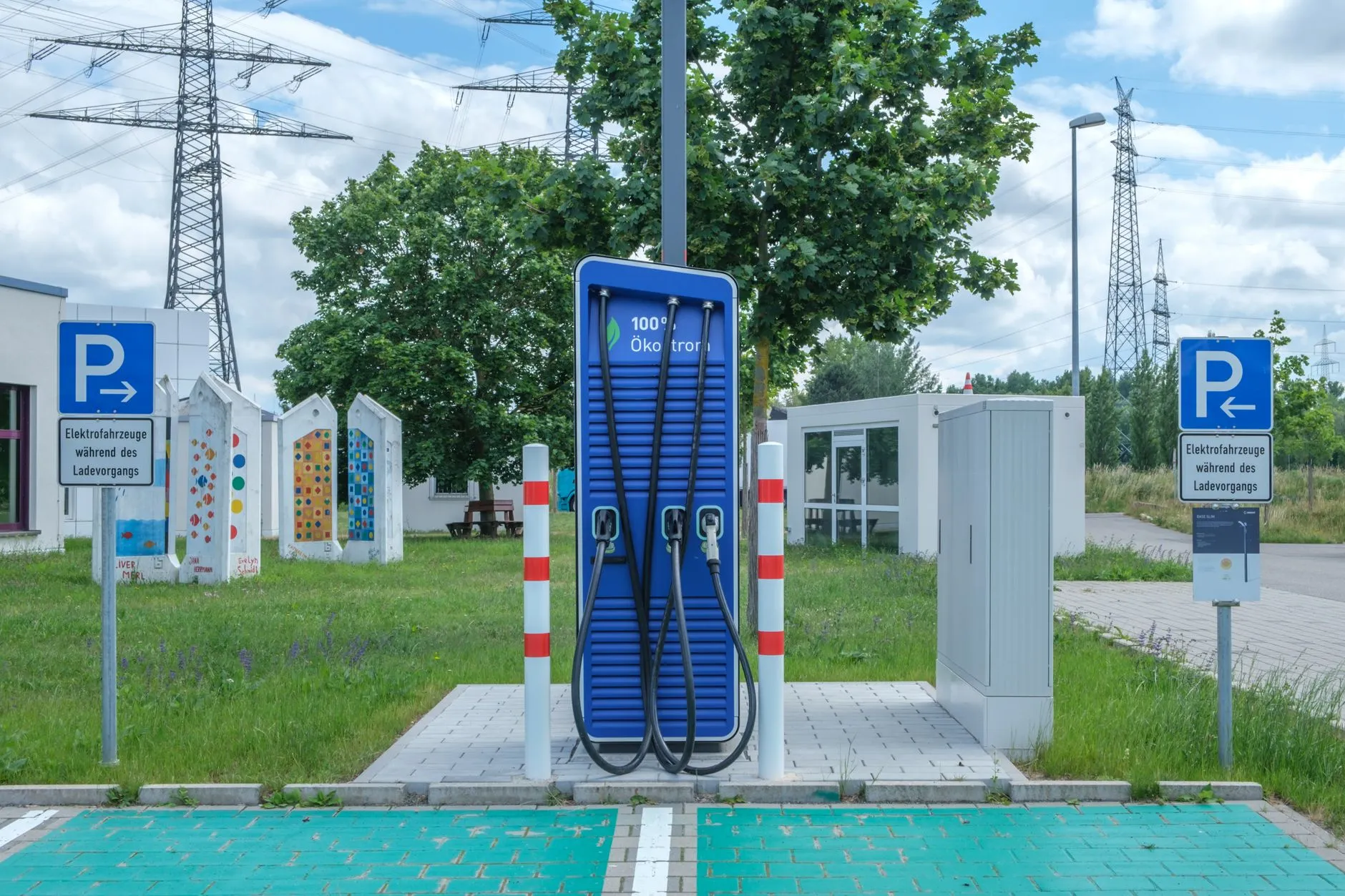
Government opens review of 2030 electric vehicle sales targets
The UK government has launched a consultation on possible changes to the Zero Emission Vehicle mandate. The review runs until 23 October 2026. Ministers are considering whether to lower the 2030 sales requirement for electric cars while keeping the overall petrol and diesel phase-out date intact.
The consultation opens debate on how to balance climate commitments with slower than expected consumer demand for electric vehicles. It also responds to pressure from car manufacturers facing difficulty meeting current annual targets.
Officials are reportedly considering reducing the 2030 car sales requirement from 80 percent zero emission to somewhere between 50 and 70 percent. However, the government says it remains committed to ending new petrol and diesel car sales by 2030 and requiring all new cars and vans to be zero emission by 2035.
The consultation questions under consideration
The government announced the consultation on 14 August 2026. It asks industry stakeholders whether the current annual sales targets remain appropriate. Specifically, it examines how the UK should reach its commitment to end sales of new petrol and diesel cars by 2030.
The core issue is whether manufacturers can realistically meet the 80 percent target set for 2030. Media reports suggest officials are exploring alternative figures including 50, 60, and 70 percent. No final decision has been made.
The consultation closes on 23 October 2026. Responses will inform whether ministers adjust the mandate trajectory or keep the existing pathway. The government has said it recognises manufacturers face challenges but wants to hear evidence before making changes.
How the ZEV mandate currently operates
The Zero Emission Vehicle mandate sets rising annual sales requirements for manufacturers. These requirements are designed to push the market toward electric and hydrogen vehicles. Companies that miss their targets face financial penalties.
Under the published pathway, new car sales were required to reach 22 percent zero emission in 2024. The target rises to 28 percent in 2025, then 33 percent in 2026. Subsequently, it continues climbing to 80 percent by 2030.
For vans, the trajectory starts lower. The requirement was 10 percent in 2024, increasing to 16 percent in 2025 and 24 percent in 2026. Vans must reach 70 percent zero emission sales by 2030.
The government first set out this pathway in 2023. At that point, ministers stated that 80 percent of new cars and 70 percent of new vans sold in Great Britain would need to be zero emission by 2030. All new vehicles must be zero emission by 2035.
Policy adjustments made before this review
The mandate has already been softened through earlier changes. In April 2025, the government extended the sale of hybrid cars until 2035. This gave manufacturers more time to transition away from pure petrol and diesel engines.
At the same time, officials extended the sale of internal combustion engine vans until 2035. They also increased flexibility around credit transfers between manufacturers. Small and micro volume manufacturers were exempted from the 2030 petrol and diesel phase-out entirely.
Those changes were presented as support for industry transition. Ministers said they preserved the headline phase-out dates while recognising practical challenges. The current consultation suggests they are now willing to revisit the target structure itself, not just the flexibilities around it.
A government spokesperson told Sky News in March 2026 that ministers recognised manufacturers were facing challenges. The spokesperson said the government had shown it was adaptable before and was beginning conversations to inform the planned review.
What the numbers show about current progress
Electric vehicle sales have grown significantly over the past five years. However, uptake has not accelerated as quickly as the original mandate trajectory assumed. Consequently, some manufacturers are struggling to meet annual requirements without relying heavily on credits and banking mechanisms.
The 2026 targets are 33 percent for cars and 24 percent for vans. These figures represent a substantial step up from previous years. Manufacturers have warned that consumer demand may not support these levels without additional policy intervention or market stimulus.
Industry groups have argued that the transition depends not only on manufacturer supply but also on charging infrastructure, vehicle affordability, and consumer confidence. They say adjusting the 2030 target could align policy more closely with realistic market conditions.
Environmental groups counter that weakening targets sends the wrong signal. They argue that manufacturers need certainty and that softening the mandate could delay investment in UK production capacity for electric vehicles.
Commercial implications for UK businesses
The consultation matters for any business that operates a vehicle fleet. Changes to the ZEV mandate will affect vehicle availability, pricing, and running costs over the next five years. Additionally, the outcome may influence corporate sustainability plans and carbon reporting.
Fleet operators have been planning replacement cycles around the current trajectory. If the government lowers the 2030 target, manufacturers may focus resources differently. This could affect which models are available in the UK market and at what price points.
For companies with net zero commitments, the consultation raises questions about supply chain emissions. Transport often represents a significant portion of Scope 1 and Scope 3 carbon footprints. Slower electric vehicle adoption could make it harder for businesses to meet internal reduction targets or comply with client requirements.
Public sector suppliers face additional considerations. Many tenders now include sustainability criteria linked to fleet emissions. If the mandate trajectory changes, procurement frameworks may need updating. Suppliers should monitor the consultation outcome to understand how requirements might shift.
What businesses should consider doing next
Fleet managers should review their current replacement plans in light of potential policy changes. If you have committed to electric vehicle adoption dates based on the existing mandate, you may need to reassess timelines depending on the consultation outcome.
Companies responding to the consultation directly should focus on evidence rather than general advocacy. The government has asked for specific input on whether current targets remain achievable. Your response will carry more weight if it includes data on your own fleet transition challenges or successes.
For businesses with sustainability commitments, now is a good time to check whether your carbon reduction plans depend on the existing ZEV mandate trajectory. If the 2030 target is lowered, you may need to find alternative measures to stay on track. This might include accelerating other decarbonisation initiatives or revising interim targets.
We work with clients on carbon reporting and net zero program compliance. Many are reassessing transport emissions in light of this consultation. If your fleet represents a significant part of your carbon footprint, it may be worth modelling different scenarios based on potential mandate changes.
Important dates and figures for the consultation
- The consultation launched on 14 August 2026 and closes on 23 October 2026, giving stakeholders ten weeks to respond.
- The current 2030 car target stands at 80 percent zero emission sales, with the 2030 van target set at 70 percent.
- Headline targets for 2026 are 33 percent for cars and 24 percent for vans under the existing mandate pathway.
- The final goal remains 100 percent zero emission new cars and vans by 2035, a date the government has repeatedly committed to maintaining.
- Media reports suggest ministers are considering alternative 2030 car targets of 50, 60, or 70 percent, though no formal proposal has been published.
- The April 2025 policy changes already extended hybrid car sales and internal combustion engine van sales until 2035, providing some manufacturer flexibility.
Why the mandate structure matters for climate policy
The ZEV mandate is one of the UK's central transport decarbonisation policies. It represents a supply-side intervention designed to force manufacturers to offer more electric vehicles regardless of immediate consumer demand. Weakening the 2030 target could ease short-term pressure on car makers.
However, a lower target may also slow electric vehicle deployment across the UK market. This could affect the country's ability to meet broader climate commitments. Transport is the largest emitting sector in the UK, accounting for around a third of domestic carbon emissions.
The consultation outcome will signal how the government balances industrial policy with environmental goals. A strict trajectory maintains pressure on manufacturers but risks compliance difficulties if consumer demand lags. A softer target gives industry more breathing room but may reduce the incentive to invest in UK electric vehicle production.
Environmental groups have warned that weakening the mandate could undermine investor confidence. The UK has positioned itself as a leader in electric vehicle transition. Policy certainty is essential for attracting manufacturing investment and building supply chain capacity.
Conversely, industry groups argue that unrealistic targets do not serve anyone. They say the mandate should reflect achievable market conditions to avoid punishing manufacturers for factors beyond their control, such as charging infrastructure gaps or consumer affordability concerns.
Where to find detailed information on the consultation
The Department for Transport is running the consultation. You can find the full consultation document and response guidance on the official government website. The department has published background papers explaining the current mandate structure and the reasons for reviewing it.
For technical details on the existing ZEV mandate, the Driver and Vehicle Licensing Agency provides manufacturer data on zero emission vehicle registrations. This data shows how the market is performing against current targets.
The Society of Motor Manufacturers and Traders publishes monthly sales figures for new cars and vans, including breakdowns by fuel type. These figures provide context on market trends and adoption rates.
Businesses concerned about how mandate changes might affect fleet planning can access support through organisations such as the Energy Saving Trust, which offers advice on electric vehicle transition for fleets. Additionally, our sustainable procurement team helps clients align vehicle purchasing with carbon reduction requirements.
The likely direction of policy after consultation
The consultation does not change the law immediately. However, it signals that ministers are prepared to revisit the pace of the UK's electric vehicle transition. The government has been clear that the 2030 petrol and diesel phase-out date itself is not under review. The question is how to get there.
The likely outcome is a recalibration rather than abandonment of near-term targets. Ministers will weigh industry concerns against climate commitments and political pressure from environmental groups. The range of options now on the table shows that the government is actively considering how ambitious the mandate should remain.
Whatever the outcome, businesses should prepare for some level of policy adjustment. Fleet planning will need to account for potential changes to vehicle availability and pricing. Companies with carbon reduction commitments should consider whether alternative measures may be needed to offset slower electric vehicle adoption.
The consultation closes in October 2026. We expect a government response and any policy changes to be announced before the end of the year. Until then, the existing mandate remains in force and manufacturers must continue meeting current annual targets.