
UN Climate Chief Urges EU to Support COP31
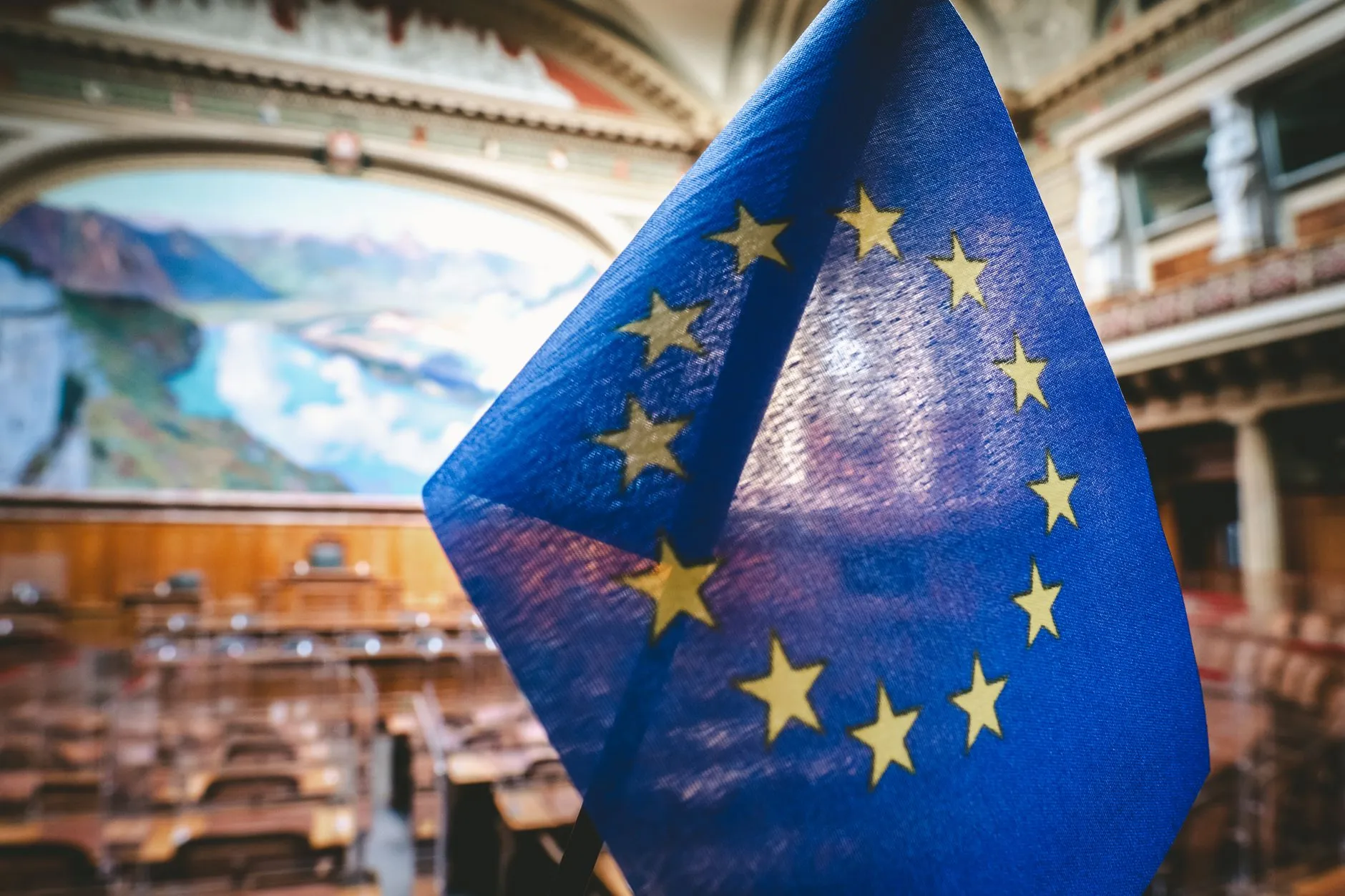
The UN's top climate official has issued a direct appeal to European lawmakers, urging the bloc to back Turkey's upcoming climate summit and warning that inaction carries real economic costs. Simon Stiell, who leads the UN Framework Convention on Climate Change, used an appearance before the European Parliament to frame climate change as a security threat already hitting businesses, infrastructure, and public budgets across the continent. His message arrives as preparations gather pace for COP31, scheduled to open in Antalya in November 2026.
For UK businesses tracking climate policy, the intervention signals where international momentum may be heading. Consequently, it also clarifies what governments expect from the private sector in the next phase of carbon reduction.
UN climate chief addresses European Parliament in Brussels
Simon Stiell appeared before the European Parliament's Committee on the Environment, Climate and Food Safety on 10 September 2026. According to the official UN transcript, he made a clear request. "I ask the EU to throw itself behind helping COP31 in Türkiye to deliver further progress," he said. The hearing took place in Brussels and was widely reported across European media.
Stiell described the climate crisis as "a continent-wide economic security emergency." He pointed specifically to extreme summer heat, which has strained energy grids, disrupted supply chains, and increased costs for households and businesses. Euronews quoted him warning that without cuts to fossil fuel use, recent European summers would "seem mild compared to the permanent climate nightmare that will follow."
The tone was blunt. However, it was also grounded in observable trends. European businesses have already faced production stoppages, transport delays, and insurance premium rises linked to weather extremes. Stiell's argument is that these disruptions will worsen unless governments accelerate clean energy deployment and resilience planning.
His comments were not solely about environmental protection. Instead, they linked climate action to competitiveness, energy security, and inflation control. That framing matters for businesses navigating policy uncertainty and procurement requirements tied to carbon performance.
COP31 confirmed for Antalya in November 2026
The 31st UN climate conference will take place in Antalya, Turkey, from 9 to 20 November 2026. The UNFCCC confirmed the dates and location earlier this year. Turkey will host the summit, while Australia serves as President of Negotiations under a partnership arrangement detailed in European Parliament briefing materials.
COP31 follows a series of summits that have focused heavily on national commitments and long-term targets. This time, the emphasis appears to be shifting. Stiell and other officials have signaled that the summit should prioritize implementation over new pledges. The European Commission has acknowledged the conference schedule on its climate action pages, reflecting the bloc's engagement with the process.
The summit's Action Agenda includes targets for electrification, urban resilience, waste reduction, and energy efficiency. Notably, it sets a goal of electricity meeting 35% of final global energy demand by 2035. That figure represents a significant increase from current levels and implies faster grid expansion, storage deployment, and industrial electrification.
For businesses, the implication is clear. Electrification is moving from a preferred pathway to an expected transition. Companies in manufacturing, logistics, and property management may face growing pressure to demonstrate progress on electrified heat, transport, and processes. Public procurement criteria in the UK already reflect similar priorities, and COP31 is likely to reinforce that direction.
What European leadership means for UK business policy
Stiell's appeal to the EU carries weight because European policy often influences UK regulatory development, particularly in areas where international standards and trade requirements intersect. If the EU commits to stronger positions on methane reduction, adaptation finance, or sectoral decarbonization targets, UK suppliers to European markets may need to align their own reporting and performance.
European climate policy has historically driven private sector action through several mechanisms. These include carbon border adjustments, supply chain due diligence rules, and public tender requirements. Therefore, shifts in EU ambition at COP31 could cascade into procurement criteria, financing conditions, and trade terms that affect UK exporters and service providers.
The framing Stiell used is also significant. By describing climate change as an economic security issue, he positioned action as a form of risk management rather than a cost burden. This argument resonates with finance directors and board members concerned about supply chain volatility, insurance availability, and regulatory compliance.
UK businesses are already navigating overlapping carbon reporting requirements, including the Streamlined Energy and Carbon Reporting framework and emerging Scope 3 disclosure expectations. COP31 may accelerate the pace at which these requirements expand, especially if the summit produces agreed methodologies for methane, food systems, or urban emissions.
Moreover, the emphasis on resilience planning reflects a broader shift in policy focus. Adaptation is no longer treated as secondary to mitigation. Consequently, businesses may face new expectations around climate risk disclosure, asset vulnerability assessments, and continuity planning tied to physical climate impacts.
Methane, cities, and food systems on the COP31 agenda
The COP31 Action Agenda highlights methane reduction as a priority. Methane is a potent greenhouse gas with a short atmospheric lifespan, meaning cuts deliver rapid climate benefits. For businesses in agriculture, waste management, and energy, this focus suggests tighter monitoring and reporting requirements are likely.
Urban resilience is another stated priority. Cities account for a large share of global emissions and are vulnerable to heat, flooding, and infrastructure strain. The summit's focus on resilient urban planning could influence UK policy on building standards, retrofit programs, and local authority climate plans.
Food security has also been flagged as a key topic. Climate impacts on agriculture are already affecting yields, prices, and supply reliability. Businesses reliant on agricultural inputs or food distribution may need to assess vulnerability to weather disruption and consider diversification or insurance strategies.
Critically, the summit is designed to produce measurable outcomes in these sectors rather than aspirational commitments. This approach reflects frustration with the gap between pledges and delivery. For businesses, it means policy interventions are more likely to be specific, enforceable, and tied to reporting obligations.
Summary of key facts
- Simon Stiell addressed the European Parliament's environment committee in Brussels on 10 September 2026.
- He described the climate crisis as a continent-wide economic security emergency affecting infrastructure, businesses, and public budgets.
- COP31 will take place in Antalya, Turkey, from 9 to 20 November 2026, under a Turkey-Australia partnership.
- The summit's Action Agenda targets 35% of global final energy demand being met by electricity by 2035.
- Priority topics include methane reduction, urban resilience, food security, and energy efficiency.
- Stiell urged the EU to support COP31 in delivering progress on implementation rather than new headline commitments.
What businesses should consider ahead of the summit
COP31 arrives at a moment when carbon reporting, supply chain transparency, and climate risk disclosure are already reshaping business operations. The summit is unlikely to reverse that trend. Instead, it will probably accelerate the shift toward sector-specific targets and enforcement mechanisms.
For SMEs, the immediate focus should be on understanding your current carbon footprint and identifying where regulatory pressure is most likely to increase. Methane-intensive sectors such as agriculture, waste, and gas distribution face heightened scrutiny. Similarly, businesses in construction, property, and urban services should monitor resilience and adaptation policy closely.
Electrification targets will affect capital planning. If the 35% electricity demand goal gains traction, expect faster phaseouts of fossil fuel heating and transport. Fleet managers, facilities teams, and procurement functions should assess timelines for switching to electric alternatives and evaluate grid capacity, charging infrastructure, and cost implications.
Supply chain due diligence is also likely to tighten. European buyers are already asking UK suppliers for emissions data, and COP31 may formalize reporting expectations around Scope 3 emissions, particularly in food, textiles, and manufacturing. Getting ahead of these requests now can protect contract renewals and tender competitiveness.
Public sector suppliers should pay particular attention. UK procurement policy increasingly mirrors EU standards on sustainability, and COP31 outcomes may inform future versions of frameworks such as PPN 06/21, which sets carbon reduction requirements for central government contracts. Businesses without credible carbon reduction plans risk exclusion from public tenders.
At SBS, we work with businesses to build carbon reporting systems that meet compliance requirements and position them competitively for evolving procurement criteria. The emphasis is on practical, cost-effective action that aligns with both regulatory expectations and commercial realities.
Finally, consider how climate risk intersects with financial resilience. Insurance costs are rising in climate-exposed sectors, and lenders are beginning to factor physical and transition risk into credit decisions. Understanding your exposure and demonstrating a credible response can reduce both premiums and financing costs.
Where to find further information
The UN Framework Convention on Climate Change maintains official updates on COP31 preparations, including the Action Agenda and confirmed dates, on its website. The European Commission's climate action pages provide details on EU engagement with the summit and related policy developments.
UK businesses should also monitor guidance from the Department for Energy Security and Net Zero, which publishes updates on international climate negotiations and their implications for domestic policy. The Environment Agency offers resources on climate adaptation and resilience planning relevant to business operations.
For sector-specific guidance, trade bodies such as the Institute of Environmental Management and Assessment and the Chartered Institute of Procurement and Supply provide practical resources on carbon management, supply chain transparency, and compliance. The British Standards Institution has published standards on carbon reporting and net zero that align with international frameworks likely to be referenced at COP31.
Businesses seeking support with carbon reporting, compliance, or sustainable procurement can access structured guidance through SBS Academy training programs, which cover emissions measurement, reduction planning, and tender readiness for public and private sector contracts.