
VELUX and WWF Complete 450,000 Hectares of Forest Protection
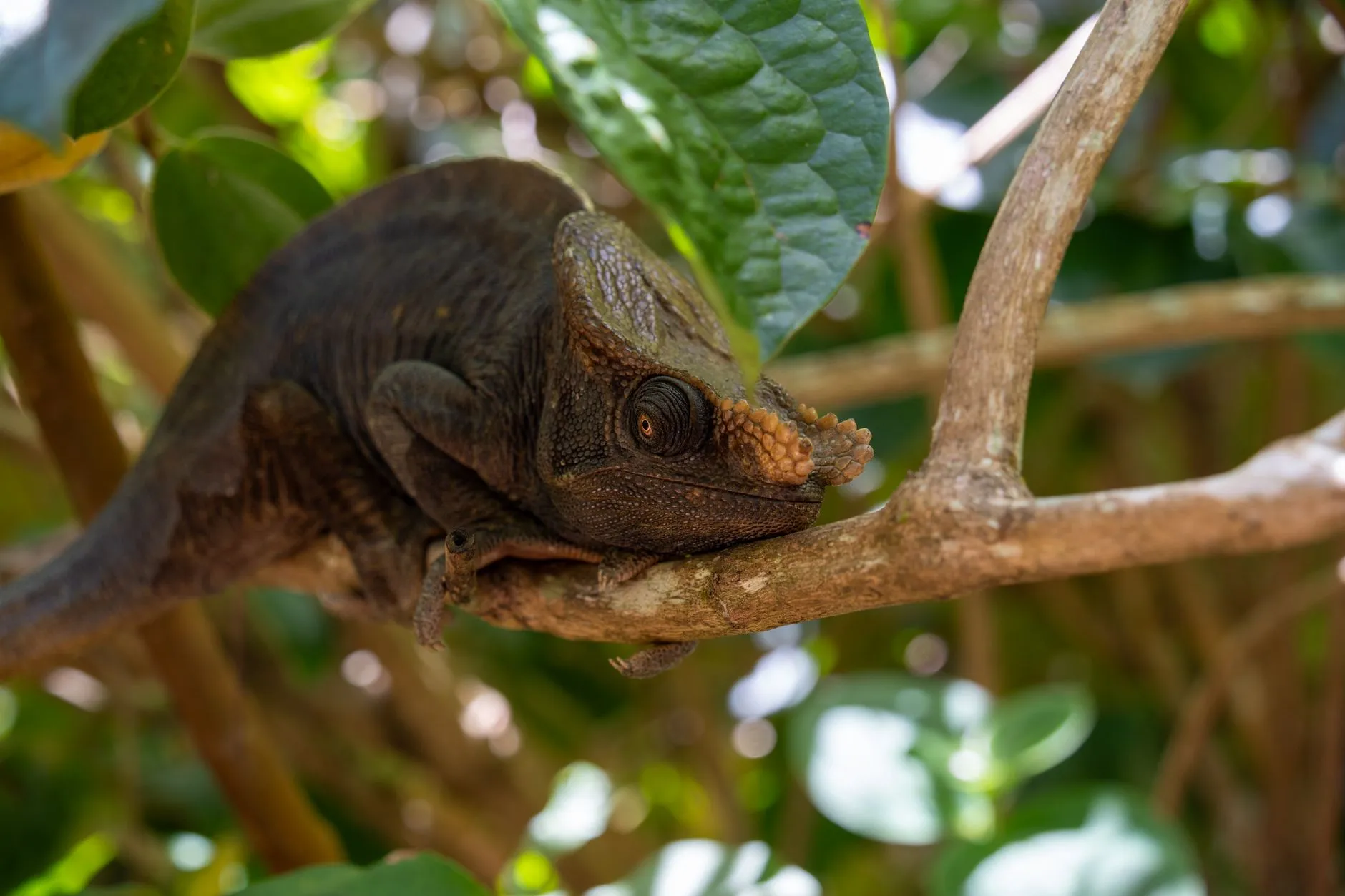
VELUX completes 450,000 hectare forest protection portfolio with WWF
VELUX has finalised a 20-year forest conservation partnership with WWF, adding a fourth and final project in Madagascar. The portfolio now covers more than 450,000 hectares across three countries. The Danish window manufacturer says the program addresses its historical carbon footprint through long-term forest protection and restoration in biodiverse tropical regions.
The expansion brings the total protected area to a scale rarely seen in corporate conservation finance. For UK businesses watching voluntary carbon markets and nature-based solutions, this represents a reference point in how large companies are structuring long-term environmental commitments. However, the real test lies in delivery over the next two decades.
Four projects across Uganda, Vietnam and Madagascar
VELUX launched the partnership in 2020 with a focus on tropical forests under pressure from deforestation. The company committed to finance projects expected to reduce or remove at least 4.5 million tonnes of CO2e over 20 years. This figure matches VELUX's cumulative scope 1 and 2 emissions since the company was founded in 1941.
The first project began in Uganda in 2021. It focused on the Kagombe area, where WWF documentation highlights severe deforestation pressure. Activities include both forest restoration and protection measures designed to stabilise the landscape while supporting local communities.
In 2023, VELUX and WWF announced two additional projects. One covers forest protection in Vietnam, estimated to deliver more than 2 million tonnes of CO2 reductions or removals. The other, in Madagascar, was projected to contribute more than 0.5 million tonnes. The latest announcement confirms the Madagascar project is now the fourth and final addition, bringing the portfolio to full operational scale.
Each project combines REDD activities, which stands for reducing emissions from deforestation and forest degradation, with afforestation, reforestation and revegetation work. The portfolio is structured to deliver both climate mitigation and biodiversity outcomes. WWF partnership materials describe the approach as creating positive change for people, nature and climate.
What the completion of the portfolio means for climate strategy
This development matters for several reasons. First, it moves the partnership from announcement to full implementation across all planned sites. The 20-year agreement is now operational at the scale originally envisaged. Consequently, the focus shifts from commitment to delivery.
Second, the portfolio illustrates how some large corporations are structuring nature-based solutions alongside emissions reduction programs. VELUX has framed the initiative as a way to take responsibility for historical emissions while continuing operational decarbonisation. The company is explicit that these projects sit within a broader climate strategy, not as a substitute for cutting current emissions.
Third, the scale is significant. A 450,000 hectare conservation footprint is substantial in the context of voluntary carbon markets. For comparison, that area is larger than the combined size of Greater London, Greater Manchester and the West Midlands. The sheer geographic scope means the program could influence local forest governance and land management practices across three countries.
Nevertheless, the ultimate impact depends on long-term project performance. Forest protection outcomes, community governance structures and biodiversity gains must all be maintained over two decades. The carbon reduction and removal estimates are projections based on avoided deforestation and forest growth. Actual results will emerge gradually as monitoring data accumulates.
Moreover, there are questions about additionality and permanence that apply to all forest-based carbon projects. Additionality refers to whether the forest protection would have happened anyway. Permanence concerns the risk that forests could be lost to fire, disease or future land-use change. These are inherent challenges in nature-based solutions, particularly over multi-decade timescales.
Commercial context for UK businesses considering nature-based solutions
For UK SMEs evaluating their own environmental strategies, the VELUX-WWF partnership offers useful context. It shows how one approach to historical emissions works at corporate scale. However, it also highlights the complexity and cost of financing long-term conservation projects in distant geographies.
Most small and medium businesses lack the resources to structure bespoke forest portfolios. Therefore, companies looking at nature-based solutions typically engage with aggregated programs or certified carbon removal projects. The key is understanding what those projects deliver, how they are verified and whether they align with your wider sustainability commitments.
UK firms increasingly face expectations around Scope 3 emissions, supply chain sustainability and public procurement criteria such as PPN 06/21. Forest conservation can form part of a credible climate strategy, but only if it complements genuine emissions reduction. Buyers and regulators are sceptical of carbon offsetting that substitutes for operational decarbonisation.
In addition, reputational risk is a consideration. Forest protection projects have attracted scrutiny over verification standards, community impact and double-counting of carbon credits. Businesses should ensure any nature-based solution they support is transparently monitored and independently certified. Due diligence matters, particularly as stakeholders become more informed about the limitations of voluntary carbon markets.
Furthermore, costs are rising. Demand for high-quality carbon removal is increasing, and prices for verified forestry credits have climbed accordingly. Companies entering this market should budget for higher costs than older, lower-quality offset programs. Cheaper credits often come with higher risk of non-delivery or weak additionality.
Essential details about the VELUX WWF forest portfolio
- The portfolio now covers more than 450,000 hectares across Uganda, Vietnam and Madagascar.
- The final Madagascar project adds 275,000 hectares of forest protection and conservation activities.
- VELUX and WWF structured the partnership as a 20-year commitment starting in 2020.
- The program aims to reduce or remove at least 4.5 million tonnes of CO2e, equivalent to VELUX's scope 1 and 2 emissions since 1941.
- The Vietnam project alone is estimated to deliver more than 2 million tonnes of CO2 reductions or removals over the program period.
- Projects combine REDD activities with afforestation, reforestation and revegetation to address both climate and biodiversity goals.
How long-term forest partnerships fit into corporate decarbonisation
The VELUX-WWF initiative represents a specific model of corporate climate action. The company has used forest conservation to address historical emissions while maintaining separate commitments to reduce operational carbon output. This two-track approach is becoming more common among large manufacturers.
For businesses evaluating similar strategies, the distinction between historical responsibility and ongoing emissions is important. Carbon reporting under PPN 06/21 and net zero commitments typically focuses on current and future emissions. Historical footprints are not part of most regulatory frameworks, so addressing them is a voluntary choice.
However, customers, investors and employees increasingly expect companies to acknowledge their cumulative impact. Long-term nature-based projects can signal that commitment, provided they are additional to mandatory reductions. The risk lies in presenting them as an alternative to cutting current emissions, which regulators and civil society groups view with suspicion.
Additionally, forest protection portfolios require governance structures to ensure delivery. VELUX and WWF have structured this partnership with staged project rollout and specific carbon targets. Monitoring and verification systems must track forest cover, carbon sequestration and community outcomes over decades. Without robust accountability, even well-intentioned programs can underdeliver.
Businesses considering nature-based solutions should also assess reputational exposure. Public and private sector buyers are increasingly literate about the difference between high-integrity carbon removal and low-quality offsetting. Procurement teams now ask detailed questions about additionality, permanence and co-benefits before accepting environmental claims tied to forest projects.
What happens next for forest-based carbon finance
The completion of this portfolio does not end the debate about nature-based solutions. Instead, it raises questions about how such programs perform over time. VELUX and WWF will need to publish regular updates on forest cover, carbon outcomes and community engagement. Transparency will determine whether this model proves credible or becomes a cautionary example.
Equally, the program may influence how other companies structure their own conservation finance. A 20-year commitment is unusually long in corporate timescales. Most businesses operate on quarterly or annual planning cycles. Locking capital into multi-decade forest protection requires board-level support and patient investors. That may limit replication to large, well-capitalised firms.
For UK SMEs, the lesson is less about copying this model and more about understanding the principles. Nature-based solutions can support climate strategies, but they must be credible, verifiable and complementary to emissions reduction. Compliance frameworks such as SECR, ESOS and Streamlined Energy and Carbon Reporting do not accept offsetting as a substitute for operational efficiency, so businesses should prioritise cutting emissions first.
Moreover, smaller companies often find better value in regional or local nature projects. UK-based tree planting, peatland restoration or habitat creation can deliver carbon benefits while supporting domestic biodiversity and community engagement. These projects are easier to visit, verify and communicate to stakeholders. They also avoid some of the governance risks associated with tropical forest conservation in developing countries.
Where to find further information on forest conservation and carbon finance
WWF's partnership page with VELUX provides background on the forest portfolio and the organisations' shared objectives. The WWF global site includes information on REDD projects and conservation finance models.
The UK government's approach to nature-based solutions is set out in the Department for Environment, Food and Rural Affairs guidance on nature-based solutions for climate and biodiversity. This document explains how nature projects align with UK climate commitments.
For details on carbon market standards and verification, the UK government's greenhouse gas reporting conversion factors provide context on emissions accounting. Businesses looking at carbon removal should also consult independent certification schemes to assess project quality before committing funds.