
Virgin Media O2 launches £3 million Tech Rehome Network Fund
Two major UK infrastructure operators are backing sustainability at commercial scale this autumn. Virgin Media O2 is putting £3 million into local device reuse networks, and DPD is adding 341 electric vans to a fleet that will soon exceed 4,000 battery vehicles. Both developments show how environmental commitments are shifting from trial projects to core operations.
For businesses watching their own supply chains, these announcements matter. Device reuse, fleet electrification and circular procurement are all areas where regulators, investors and public sector buyers now expect evidence of action. Knowing what scaled delivery looks like helps frame your own next steps.
Meanwhile, the timing is notable. Virgin Media O2's funding round opens in September 2026, and DPD's new vans enter service the same month ahead of the Christmas peak. Sustainability plans are increasingly tied to operational calendars, not standalone CSR cycles.
Virgin Media O2 backs city-level device recovery schemes
The Tech Rehome Network Fund will run through 2030. It targets councils, charities and community organisations that collect unwanted tech, refurbish it and pass it on to people who need it. Virgin Media O2 describes this as building a "device reuse culture" across the UK.
Grants of up to £100,000 are available per project. The fund aims to support reuse networks in 30 cities across England, Scotland and Wales. Projects can span one to two years, giving local teams time to establish processes and build capacity.
The first funding round opens on 8 September 2026 and closes on 30 October 2026. Consequently, organisations planning to apply need to get proposals ready over the summer. The company has said it wants to share learning between cities so that successful models can be replicated elsewhere.
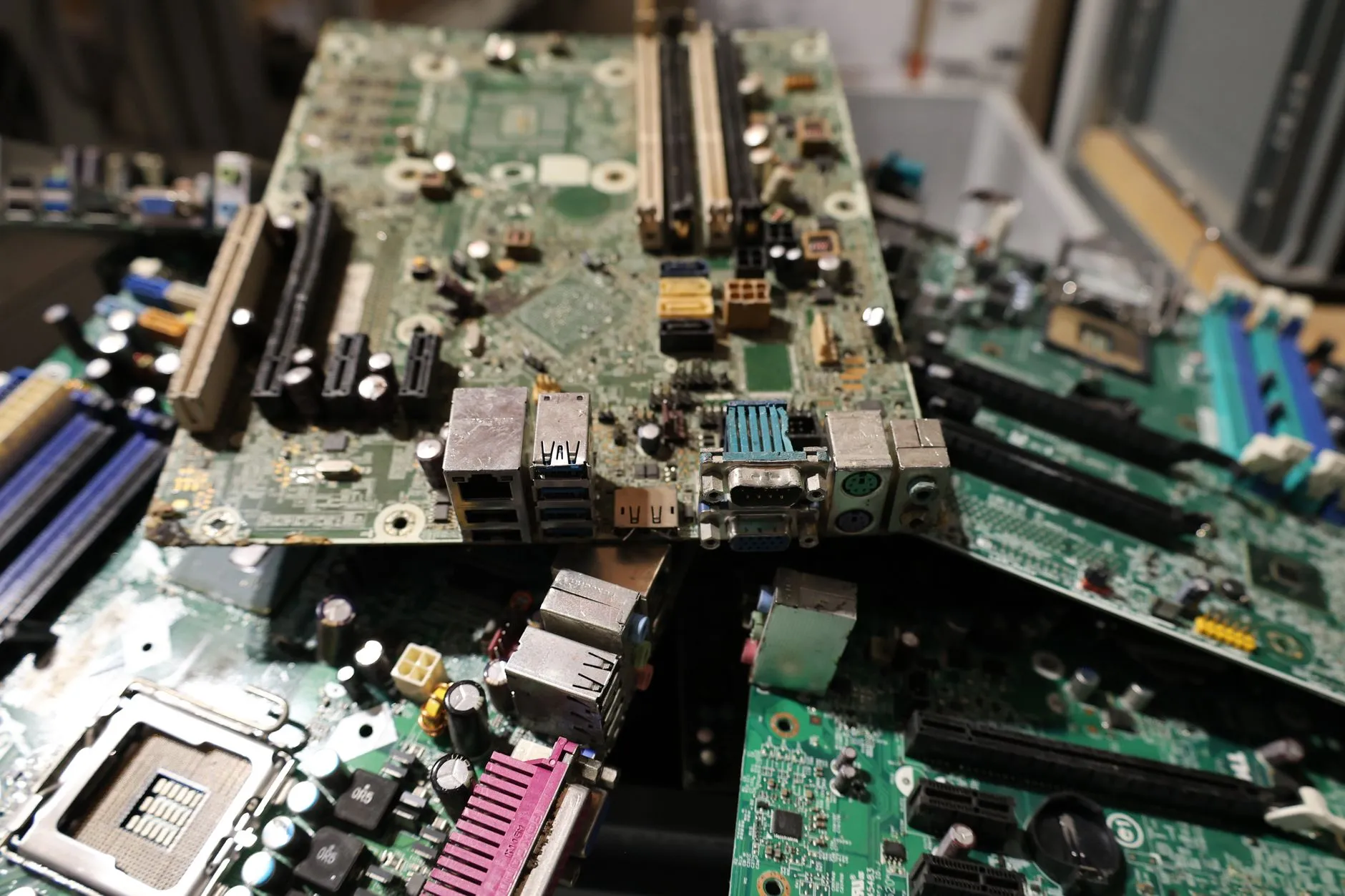
Virgin Media O2 cites research indicating that 460 million digital devices sit unused in UK homes and businesses. Many are still functional. Others could be repaired or refurbished, yet they remain in drawers or cupboards rather than being returned to use.
This creates two problems. First, e-waste accumulates even though devices retain value. Second, households that cannot afford new equipment miss out on digital access. The fund tries to address both by strengthening the infrastructure needed to recover and redistribute tech locally.
The initiative forms part of Virgin Media O2's broader Responsible Business Plan. That plan includes circularity goals, emissions reduction targets and social inclusion commitments. Funding city networks fits within all three themes.
DPD pushes electric fleet past 4,000 vehicles
DPD's latest order comprises 341 Mercedes-Benz eSprinter vans. Deliveries begin in September 2026, and all vehicles should be operational by the end of October. The timing reflects the need for extra capacity ahead of peak Christmas demand.
Once deployed, these vans will take DPD's UK electric vehicle total above 4,000. That makes the company one of the largest operators of battery-electric delivery fleets in the country. More importantly, it means electrification is now central to DPD's logistics network rather than confined to urban pilot zones.
The new vehicles will operate within the M25 and in other parts of the UK. Previously, much of DPD's EV deployment focused on city centres where air quality rules and congestion charges made electric vans a regulatory necessity. Expanding beyond those areas indicates that the business case for EVs now works in a wider range of delivery environments.
DPD has described its aim as becoming "the greenest delivery company on the planet." Fleet electrification is the most visible part of that strategy. Battery vans produce no tailpipe emissions, cutting local air pollution in residential areas where parcels are delivered.
However, electric vans also bring operational complexity. Charging infrastructure must be in place at depots, and route planning needs to account for vehicle range. The fact that DPD is scaling its EV fleet this quickly suggests those challenges are being managed successfully.
What this means for UK businesses and supply chains
Both announcements reflect a broader shift in how large companies approach sustainability. Environmental initiatives are no longer standalone projects managed by CSR teams. They are integrated into operations, procurement and service delivery.
For SMEs, this creates both opportunity and pressure. On one hand, programmes like Virgin Media O2's Tech Rehome Network Fund open doors for local organisations that refurbish devices or run community tech schemes. Charities and social enterprises working in this space now have access to multi-year funding that can support growth.
On the other hand, companies supplying larger businesses need to stay aware of changing expectations. If your customers are electrifying fleets or embedding circular economy principles, they will eventually ask suppliers to do the same. Procurement questionnaires, tender criteria and supply chain audits increasingly include sustainability requirements.
Fleet operators face particular scrutiny. DPD's move to 4,000 electric vans sets a benchmark for the logistics sector. Competitors will be asked why their own fleets are not following suit, especially as zero-emission zones expand in UK cities. From 2025 onwards, several local authorities have signalled plans to tighten air quality standards, making electric vehicles a compliance issue as well as an environmental one.
Businesses that rely on delivery services should also pay attention. As more parcel operators switch to electric fleets, the cost structure of last-mile delivery may change. Battery vans have lower fuel costs but higher upfront capital costs and different maintenance profiles. These factors could influence pricing, especially if operators invest heavily in charging infrastructure.
Device reuse programmes have different implications. Virgin Media O2's fund is designed to strengthen local refurbishment networks, but those networks depend on a steady supply of unwanted tech. Companies with IT refresh cycles, office relocations or equipment upgrades should consider how they handle end-of-life devices. Sending functional equipment to certified refurbishers can cut waste, support social outcomes and provide auditable evidence for ESG reporting.
Furthermore, businesses tendering for public sector contracts should note that circular economy practices are increasingly written into procurement frameworks. Procurement Policy Note 06/21 requires suppliers bidding for large central government contracts to publish carbon reduction plans. Local authorities are adopting similar standards. Demonstrating participation in reuse schemes or circular procurement programmes can strengthen tender responses.
There is also a talent dimension. Both Virgin Media O2 and DPD are communicating their sustainability work publicly, using it to build brand reputation. Companies competing for skilled staff may find that environmental credentials matter in recruitment, particularly among younger workers who prioritise employers with clear climate commitments.
Key points for business owners and procurement managers
- Virgin Media O2 is offering grants of up to £100,000 to councils, charities and community groups that recover and refurbish unwanted devices, with the first funding round opening on 8 September 2026.
- DPD is adding 341 electric vans to its UK fleet, pushing the total above 4,000 battery vehicles and extending zero-emission delivery beyond inner-city zones.
- Both initiatives show sustainability moving from pilot schemes to operational scale, with implications for supply chain expectations and tender requirements.
- Research cited by Virgin Media O2 suggests 460 million devices sit unused in UK homes and businesses, highlighting the scale of potential material recovery.
- Fleet electrification and circular economy practices are increasingly embedded in public sector procurement criteria, especially for suppliers to central and local government.
- Companies with IT refresh cycles or equipment upgrades should consider partnering with certified refurbishers to meet ESG reporting expectations and reduce waste.
Planning for circular tech and low-emission logistics
Virgin Media O2's fund is structured to encourage collaboration. Cities that receive grants will be expected to share results and learning with other participants. This model recognises that device reuse is not a problem individual organisations can solve alone. It requires coordination between collectors, refurbishers, distributors and end users.
Businesses can apply similar thinking to their own operations. Instead of treating unwanted equipment as a disposal issue, consider how it might feed into local reuse networks. Some refurbishers offer collection services and provide certificates confirming that devices have been wiped, repaired and redistributed. This documentation supports ESG reporting and demonstrates due diligence on data security.
There is also a cost angle. Replacing equipment on shorter cycles creates higher capital costs and more waste. Extending device lifespans through repair and refurbishment can reduce both. For businesses with tight budgets, accessing refurbished tech through schemes supported by funds like Virgin Media O2's may provide affordable alternatives to new purchases.
On the logistics side, DPD's fleet expansion shows that electric vehicles are viable at scale. However, transitioning your own fleet requires planning. Charging infrastructure is the main barrier for most businesses. You need to assess whether your depot or premises can support the electrical load, and whether you can charge vehicles overnight when tariffs are lowest.
Range is less of an issue than it was five years ago. Modern electric vans can cover 150 to 200 miles on a single charge, which suits most urban and regional delivery routes. For longer journeys, hybrid vehicles may bridge the gap until charging networks improve.
Grants and incentives are available. The government's plug-in van grant has been scaled back in recent years, but other support exists through local authority schemes and energy suppliers. Additionally, businesses committed to net zero may find that our net-zero program for carbon reporting compliance helps structure fleet transition plans in ways that meet regulatory expectations and reduce financing costs.
Training also matters. Drivers and fleet managers need to understand how electric vehicles behave differently from diesel vans. Regenerative braking, range management and charging protocols all require new skills. Some businesses find that investing in SBS Academy training on emissions and operational sustainability helps teams adapt faster and avoid costly mistakes.
Where device reuse and fleet electrification intersect with compliance
Both Virgin Media O2's fund and DPD's fleet expansion reflect a commercial reality that many SMEs now face. Sustainability is no longer optional if you supply large organisations, bid for public contracts or seek investment. Regulators, investors and procurement teams all expect evidence of environmental performance.
Device reuse contributes to circular economy goals. It reduces the demand for raw materials, cuts manufacturing emissions and diverts waste from landfill. These outcomes align with the UK government's Resources and Waste Strategy and upcoming Extended Producer Responsibility rules for electronics.
Fleet electrification addresses Scope 1 emissions, the direct emissions from vehicles and operations that you control. For logistics and delivery businesses, transport is often the largest source of carbon. Switching to electric vehicles cuts those emissions immediately, making it one of the fastest ways to improve your carbon footprint.
Both approaches can strengthen your position in tenders. Public sector buyers increasingly require suppliers to demonstrate environmental management systems, carbon reduction plans and circular economy practices. Having documented evidence of participation in reuse schemes or electric fleet operations makes those requirements easier to meet.
Private sector supply chains are moving in the same direction. Large retailers, manufacturers and service providers are setting net-zero targets and cascading expectations down to their suppliers. If you provide goods or services to these businesses, you may soon be asked to report your own emissions and show how you are reducing them.
This is where structured support helps. Understanding your baseline emissions, identifying reduction opportunities and building a credible plan requires expertise. Our compliance support for carbon reporting and ESG requirements helps businesses navigate these expectations without getting lost in technical detail or spending more than necessary.
Authoritative sources and further reading
Virgin Media O2 has published full details of the Tech Rehome Network Fund on its website, including eligibility criteria and application guidance. Organisations considering applying should review those materials before the September 2026 funding round opens.
DPD's fleet expansion has been covered by several trade publications focused on electric vehicles and logistics. These sources provide technical details on the Mercedes-Benz eSprinter vans and context on how DPD's electrification strategy compares to other parcel operators.
For broader context on circular economy policy, the UK government's Resources and Waste Strategy sets out the regulatory direction for product reuse and waste reduction. The strategy is available on the gov.uk website, along with updates on Extended Producer Responsibility schemes.
Businesses exploring fleet electrification should consult guidance from the Energy Saving Trust, which provides independent advice on electric vehicles, charging infrastructure and available grants. The organisation also publishes case studies showing how different businesses have managed the transition.
Finally, companies looking to understand how sustainability fits into procurement should review Procurement Policy Note 06/21, which explains carbon reduction plan requirements for central government contracts. Many local authorities have adopted similar standards, making this guidance relevant beyond Whitehall.