
Weakened ZEV Mandate could cut £1.56bn from EV charging sales
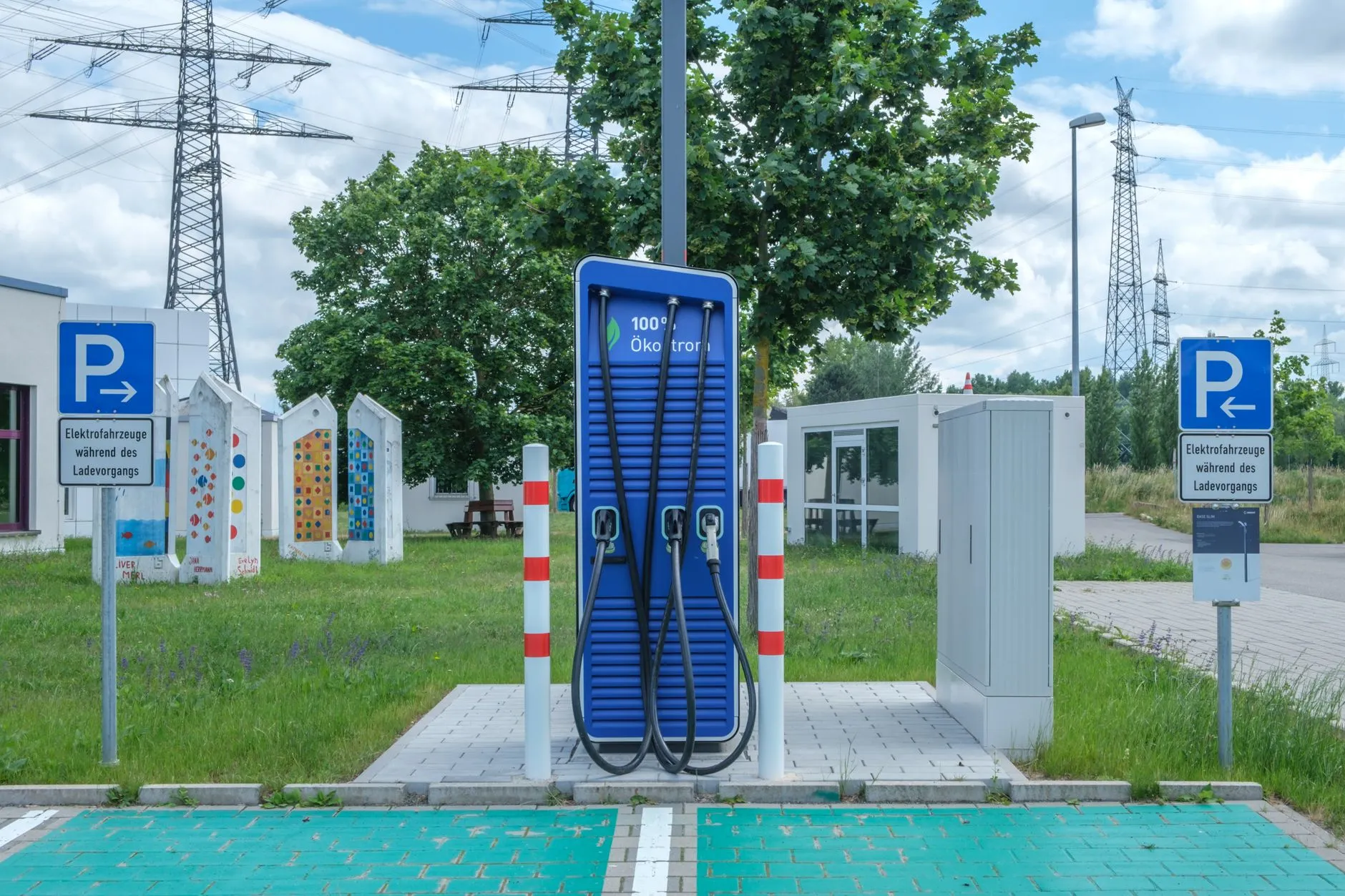
Government review could cut charging infrastructure investment by £1.56bn
Weakening the UK's Zero Emission Vehicle Mandate could reduce future home charger sales by up to 1.7 million units by 2034. New analysis suggests the change would also cut flexible charging capacity by 12GW and remove approximately £1.56bn from the sector. The findings come as ministers weigh proposals to lower the 2030 new car sales target from 80% to potentially 50%.
The research matters because it treats the mandate as more than a car sales rule. It shapes infrastructure investment, grid flexibility and the commercial outlook for charging networks. Consequently, policy changes will affect manufacturers, installers, energy suppliers and the broader smart charging market.
For businesses operating in this space, the uncertainty creates immediate planning challenges. Supply chain decisions, workforce investment and capital allocation all depend on clear demand signals. If the government softens its targets, those signals weaken.
How the Zero Emission Vehicle Mandate currently works
The mandate is the UK's primary tool for forcing carmakers to increase zero emission vehicle sales year on year. Under the current framework, the headline target for cars reaches 80% by 2030 and 100% by 2035. Manufacturers can use flexibilities such as borrowing, banking and CO2 conversion to help meet their obligations.
Parliament made the policy law in early 2024. At the same time, government committed more than £2bn to support charging infrastructure and adoption incentives. In August 2026, ministers launched a formal review. The consultation runs until 23 October 2026.
The review examines whether the 80% target remains appropriate. Reports suggest alternatives between 50% and 70% are under consideration. However, no final decision has been announced.
Impact on charging infrastructure and grid flexibility
The new analysis, backed by BEAMA, warns that a weaker mandate would slow uptake of domestic chargers and smart charging systems. By 2034, flexible charging capacity could fall by up to 12GW compared to the current trajectory. This reduction would directly affect the government's Clean Flexibility Roadmap, which targets 4.5GW from smart charging by 2030.
Smart charging allows vehicles to charge during periods of low demand or high renewable generation. This capability helps balance the grid and reduces the need for expensive peak capacity. Therefore, fewer chargers mean less ability to shift demand away from peak periods.
The analysis also estimates up to £1.56bn in lost charger sales. This figure reflects both reduced hardware sales and lower installation revenue. For suppliers and installers, it represents a substantial market contraction over the next decade.
Charge point deployment relies heavily on confidence that EV adoption will continue at pace. Industry reporting has already flagged concerns that a softer mandate could slow investment and reduce the sector's economic value. In other words, policy uncertainty undermines commercial planning across the entire charging ecosystem.
What government has said about charging investment
Officials have emphasised continued support for charging rollout despite the review. The government is investing an additional £600m to expand public charge points. The UK now has around 120,000 public chargers plus more than one million chargers in homes and workplaces.
Ministers also highlight cost savings for drivers who charge at home. According to official figures, home charging can save approximately £1,400 per year in running costs compared to petrol or diesel. These savings depend on off peak electricity tariffs and typical mileage patterns.
Nevertheless, the review creates uncertainty about future demand. Manufacturers and installers need long term visibility to commit capital. Without clear targets, investment decisions become harder to justify.
Commercial implications for UK businesses
The mandate review carries direct consequences for several business categories. Manufacturers of home charging equipment face potential demand reduction. Installers may see fewer projects. Energy suppliers offering smart tariffs could lose customers. Fleet operators planning electrification need to reassess timelines.
For companies tendering for public sector contracts, the picture becomes more complex. Many procurement frameworks now include sustainability criteria. Lower EV adoption rates could affect how those criteria are scored. Similarly, businesses pursuing net zero commitments may find it harder to justify fleet electrification if the policy framework weakens.
Supply chain planning presents another challenge. Components for charging equipment often require long lead times. Orders placed now anticipate demand in 2026 and beyond. If the mandate softens, manufacturers could face overcapacity. Conversely, if targets hold firm, those who delayed investment may struggle to scale quickly.
The grid flexibility question also matters commercially. Energy suppliers are developing tariffs and demand response services based on projected EV numbers. Fewer vehicles charging at home means smaller markets for these products. It also reduces the revenue potential from grid balancing services.
Training and workforce development add further complexity. Installers need qualified electricians trained in EV charging standards. If installation volumes drop, the business case for training weakens. This creates a risk of skills shortages if demand later rebounds.
Policy timeline and decision points
The government launched its review on 14 August 2026. The consultation period runs until 23 October 2026. After that, ministers will consider responses and make a final decision. No timeline for the decision has been published.
Proposals under discussion include reducing the 2030 target to 50%, 60% or 70%. Each option would change the pace of transition and therefore the trajectory for charging infrastructure. BBC reporting suggests all three figures have been considered, though no formal announcement has confirmed which will be adopted.
Meanwhile, the current mandate remains in force. Manufacturers must still meet the 80% target unless and until the regulations change. This creates a planning challenge because businesses must prepare for multiple scenarios.
Recent developments affecting the charging sector
Several factors have influenced the review. Car manufacturers have raised concerns about meeting current targets given market conditions. Some argue that consumer demand for EVs has not kept pace with regulatory requirements. Others point to affordability challenges and charging availability as barriers to faster adoption.
At the same time, the grid flexibility case has strengthened. National Grid ESO's analysis shows that smart charging can significantly reduce the cost of integrating EVs into the electricity system. Therefore, the infrastructure question has become more important to energy planning.
The political context also matters. The review follows broader debates about the pace of net zero policies and their economic impact. Some voices argue for maintaining ambition to support industrial strategy. Others prioritise consumer choice and affordability.
What the numbers tell us
The analysis estimates up to 1.7 million fewer home charge points by 2034 if the mandate weakens. This figure assumes a shift from the current 80% target to a lower trajectory. It represents a substantial reduction in market size for the sector.
The 12GW flexible charging capacity figure refers to the ability to shift charging demand in response to grid conditions. This capacity supports grid balancing and reduces the need for additional generation or storage. Losing it would increase system costs elsewhere.
The £1.56bn sales estimate covers hardware, installation and associated services. It reflects the cumulative impact over the period to 2034. For context, the government's £600m charging investment represents less than half this potential loss.
Current infrastructure includes around 120,000 public chargers and more than one million home and workplace units. The growth trajectory for these numbers depends heavily on vehicle adoption rates. Therefore, mandate changes directly affect deployment plans.
Grid and energy system considerations
The Clean Flexibility Roadmap targets 4.5GW from EV smart charging by 2030. Achieving this requires both sufficient EV numbers and high smart charging uptake. A weaker mandate makes both harder to deliver.
Smart charging works by shifting demand to periods when electricity is cheaper and cleaner. This typically means overnight charging when renewable generation is available and demand is low. The system benefits through lower peak capacity requirements and better renewable integration.
For energy suppliers, smart charging creates new revenue opportunities. Time of use tariffs, vehicle to grid services and demand response programs all depend on EV participation. Fewer vehicles mean smaller markets and reduced commercial incentive to develop these services.
The electricity system as a whole also benefits from predictable EV growth. Network operators plan upgrades based on projected demand. Uncertainty about adoption rates complicates this planning and may lead to either over investment or capacity constraints.
Related policy and regulatory framework
The ZEV Mandate sits alongside other policies supporting electrification. These include grants for home chargers, funding for public infrastructure and building regulations requiring charge points in new developments. Together, they create a framework intended to support the transition.
However, the mandate is the primary demand driver. Without clear vehicle sales targets, other policies become less effective. Infrastructure funding matters less if fewer vehicles need charging. Building regulations achieve less if new homes sit empty or buyers choose petrol cars.
Planning for electrification also connects to broader net zero commitments. The UK's legally binding carbon budgets assume significant transport decarbonisation. Slower EV uptake requires faster progress elsewhere or risks missing overall targets. This makes the mandate review relevant to economy wide climate planning.
Essential facts about the review and its potential impact
- The current Zero Emission Vehicle Mandate requires 80% of new car sales to be zero emission by 2030, rising to 100% by 2035.
- The government launched a review on 14 August 2026, with consultation closing on 23 October 2026.
- Proposed alternatives under discussion include targets as low as 50%, with 60% and 70% also reported by BBC News.
- Analysis estimates that weakening the mandate could reduce flexible charging capacity by 12GW by 2034.
- The same analysis projects up to 1.7 million fewer home charge point sales, creating a £1.56bn revenue loss for the sector.
- The government has committed £600m in additional funding for public charging infrastructure expansion.
- The UK currently has approximately 120,000 public chargers and more than one million home and workplace charge points.
- Officials estimate that drivers charging at home can save around £1,400 annually compared to petrol or diesel vehicles.
What businesses should consider now
Companies in the charging sector face immediate planning decisions despite the ongoing review. Capital investment, workforce planning and supply chain commitments cannot wait for policy clarity. Therefore, businesses need strategies that work across multiple scenarios.
For manufacturers, this might mean flexible production capacity that can scale up or down. Installers may need to diversify revenue streams beyond EV charging. Energy suppliers should assess which tariff structures remain viable under different adoption rates. Fleet operators must model electrification costs across various policy outcomes.
Businesses pursuing carbon reporting compliance under PPN 06/21 should also consider transport emissions carefully. Fleet electrification decisions made now will affect reported emissions for years. If policy changes make EVs less attractive, alternative decarbonisation strategies may be needed.
Supply chain resilience becomes more important in uncertain policy environments. Relying on a single product line or customer segment increases risk. Companies serving multiple markets or offering diverse services are better positioned to adapt.
Training and skills development present a particular challenge. Investment in workforce capabilities takes time to pay back. However, delaying training risks capacity constraints if demand proves stronger than expected. Businesses must therefore balance immediate cost control against future capability needs.
Contract terms and pricing structures also need attention. Fixed price agreements made now may prove uneconomical if volumes drop. Conversely, flexible pricing protects margins but may make it harder to win work. Businesses should review their commercial terms in light of policy uncertainty.
For those seeking support with carbon reduction planning, our compliance services help businesses navigate changing regulatory requirements and develop resilient sustainability strategies.
Where to find authoritative information
The government's consultation documents and supporting analysis are published on GOV.UK. These provide the most authoritative source for policy details and timelines. The Department for Transport maintains the primary policy responsibility, while the Department for Energy Security and Net Zero oversees the broader energy system implications.
For technical standards and installation requirements, the Institution of Engineering and Technology publishes guidance on EV charging infrastructure. The legislation.gov.uk website provides access to the Zero Emission Vehicle Mandate regulations as enacted in 2024.
Industry bodies including the Society of Motor Manufacturers and Traders and the Energy Networks Association publish regular analysis on EV adoption trends and infrastructure development. These sources offer commercial and technical perspectives to complement government policy documents.
National Grid ESO's Future Energy Scenarios reports provide detailed modelling of electricity system impacts under different EV adoption pathways. This analysis helps contextualise the grid flexibility questions raised by the current debate. Energy suppliers and network operators often reference these scenarios in their own planning.