
World Kinect's Growth Potential in Renewable Fuels
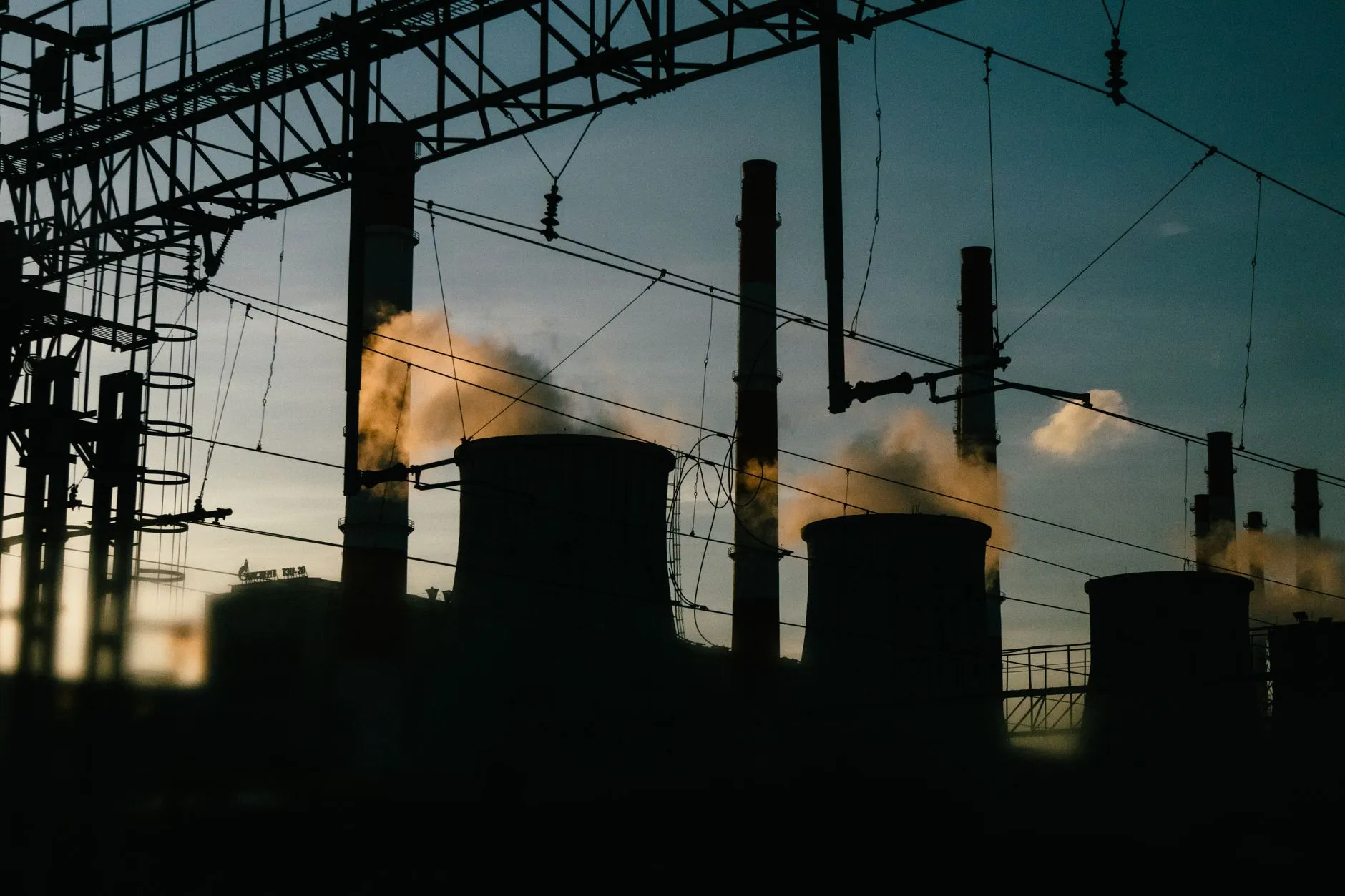
World Kinect Corp. operates in a space that many UK businesses know well: fuel supply, logistics, and the pressures that come with managing energy costs and carbon reporting. The company distributes aviation, marine, and land fuels across more than 200 countries. Recently, however, its share price has attracted attention for a different reason. Analysts suggest the stock may be undervalued by around 15 per cent, not because of fuel volumes alone, but because the market may be missing the scale of its renewable fuels footprint and carbon reduction capabilities.
For UK SMEs navigating net zero targets, supply chain carbon reporting, and PPN 06/21 compliance, this story offers a useful case study. It shows how traditional energy businesses are repositioning around decarbonisation. It also highlights the commercial questions that matter when evaluating suppliers or understanding where fuel cost volatility and transition risks intersect.
Strong earnings lift the investment case
World Kinect reported second quarter 2026 results in July that exceeded expectations. Gross profit reached $365 million. Adjusted EBITDA came in at $136 million. The company raised its full year adjusted earnings per share guidance to a range of $3.20 to $3.40, up from $2.65 to $2.85 previously. That represents a material upgrade and signals confidence in both operational execution and demand conditions.
First quarter performance earlier in the year had already set a positive tone. Gross profit stood at $271 million. Adjusted EBITDA was $94 million. Management had lifted guidance then, too, moving the full year range to $2.65 to $2.85 from $2.20 to $2.40. The company also bought back $75 million of its own shares in the first quarter, a sign that leadership sees value in the stock at current levels.
These results matter because they provide a foundation for the valuation argument. A stock trading at a perceived discount needs earnings momentum to support the thesis. World Kinect has delivered that momentum across consecutive quarters. Consequently, the renewable fuels narrative is landing on fertile ground rather than being pitched into a vacuum.
Segment performance shows breadth of strength
Aviation delivered record quarterly gross profit of $208 million in the second quarter. Marine hit $80 million, also a quarterly record for that division. Land operations posted meaningful improvement in adjusted income from operations. Management attributed part of this strength to elevated price volatility, better execution, and contributions from Universal Trip Support Services, which the company acquired in late 2025.
Price volatility often squeezes buyers, but fuel marketers can benefit when they have the scale and systems to manage inventory and timing effectively. World Kinect appears to have capitalised on those conditions. However, volatility is a double-edged sword. It can support margins in one quarter and compress them in the next. Therefore, the sustainability of these results depends on whether operational improvements persist once market conditions normalise.
The company increased its quarterly dividend by 15 per cent and repurchased $14 million of stock during the second quarter. Those capital allocation decisions suggest management is balancing growth investment with shareholder returns. For investors, that combination can reinforce confidence when a stock is being valued on both current earnings and future optionality.
Valuation hinges on renewable fuels positioning
The 15 per cent undervaluation estimate comes from Simply Wall St, published in October 2026. The analysis pegs fair value at $42 per share, compared with a closing price around $35.85. The thesis is not based solely on a discounted cash flow model. Instead, it emphasises World Kinect's role in renewable fuels and carbon reduction solutions, arguing that the company is well positioned to capture demand as regulation tightens and customer preferences shift.
Specifically, the analysis suggests that World Kinect has built operational capabilities and customer relationships in renewables ahead of many peers. That first mover advantage could unlock new revenue streams and improve margins as the transition accelerates. Essentially, the market is being invited to value the stock not just on today's fuel distribution earnings, but on tomorrow's decarbonisation platform.
This framing is important for UK businesses. Many are being asked by clients, procurement teams, or regulators to demonstrate supply chain emissions reductions. Fuel suppliers with credible renewable offerings and transparent carbon data become more valuable partners in that context. World Kinect's pitch is that it already operates that infrastructure at global scale.
What lower carbon fuels mean in practice
World Kinect describes its network as integrated, spanning supply, logistics, and delivery of fuels to meet customer needs globally. The company explicitly mentions lower carbon fuels as part of that offer, supporting customers' energy transition objectives. That language appears in formal company materials and underpins the investment narrative.
Lower carbon fuels include sustainable aviation fuel, biodiesel, renewable diesel, and other alternatives that reduce lifecycle emissions compared with conventional fossil fuels. Demand is growing, driven by corporate net zero commitments, regulatory mandates such as the EU's ReFuelEU Aviation rules, and customer pressure in sectors like logistics and public sector fleets.
For example, UK businesses tendering for public contracts often face carbon reduction requirements. Suppliers that can demonstrate use of renewable fuels or credible transition plans score better. Similarly, companies reporting Scope 3 emissions need data from fuel suppliers to calculate transport and logistics footprints accurately. World Kinect's positioning suggests it can provide both the physical product and the data layer that customers increasingly require.
Nevertheless, the company has not disclosed renewable fuels as a separate profit centre in recent results. The contribution is embedded within broader segment performance. This makes it harder to assess how much of the earnings upgrade is driven by renewables versus traditional fuel marketing and volatility gains. Therefore, investors and business customers alike need to read between the lines and ask direct questions about volume, margin, and growth trajectory.
Commercial implications for UK businesses
World Kinect's story illustrates a broader shift affecting UK supply chains. Fuel suppliers are no longer competing solely on price and reliability. Carbon intensity, transparency, and transition credibility now matter. For businesses managing fleets, logistics operations, or complex supply chains, this changes the procurement conversation.
Consider a manufacturing SME tendering for a contract with a public sector buyer. PPN 06/21 requires suppliers to publish a carbon reduction plan and demonstrate progress. If your logistics partner cannot provide accurate fuel emissions data or offer lower carbon alternatives, you carry that risk. Conversely, a supplier with renewable fuel access and robust reporting gives you a compliance advantage and potential cost stability as carbon pricing mechanisms expand.
Fuel cost volatility also remains a live concern. World Kinect benefited from volatility in recent quarters, but businesses buying fuel face the opposite exposure. Hedging strategies, fixed price contracts, and fuel efficiency programmes become more important as geopolitical risks and transition dynamics interact. Understanding how your suppliers manage their own exposure can inform your risk planning.
Additionally, businesses with Scope 3 emissions reporting obligations need granular data from fuel suppliers. Many UK companies are moving beyond basic carbon footprinting to align with Science Based Targets or prepare for mandatory climate disclosures. Fuel and logistics typically represent a significant share of Scope 3. Suppliers that offer detailed emissions factors, renewable fuel certificates, and verifiable data make that reporting process faster and more defensible.
Renewable fuels growth depends on policy and infrastructure
World Kinect's valuation thesis assumes that renewable fuels demand will accelerate. That assumption is reasonable but not guaranteed. Growth depends on several factors outside the company's control. Regulatory mandates, infrastructure investment, feedstock availability, and price competitiveness all play a role.
In the UK, the Renewable Transport Fuel Obligation requires fuel suppliers to blend a minimum percentage of renewable content into road fuels. That obligation increases over time. Similarly, the government has committed to mandating sustainable aviation fuel in UK flights, starting at 10 per cent by 2030 and rising to 75 per cent by 2050. These policies create structural demand.
However, renewable fuels often carry a price premium. Businesses face a trade off between carbon reduction and cost control. Unless regulatory pressure or customer requirements force the switch, adoption may lag. World Kinect's ability to grow its renewable fuels business therefore depends on whether it can offer competitive pricing, reliable supply, and a value proposition that justifies the premium.
Infrastructure also matters. Sustainable aviation fuel, for example, requires blending, storage, and certification infrastructure at airports. Renewable diesel needs compatible distribution networks. World Kinect's global footprint gives it scale advantages, but execution risk remains. The company must invest in the right geographies, build partnerships with producers, and navigate complex certification regimes across jurisdictions.
Stock valuation reflects both performance and narrative
World Kinect's share price at around $35.85 implies that the market values the company primarily on its current fuel distribution earnings and operational strength. The 15 per cent upside to $42 per share depends on investors accepting the renewable fuels narrative as a credible growth driver. That gap represents both opportunity and uncertainty.
Earnings momentum supports the bull case. The company has beaten guidance twice in 2026 and raised expectations each time. Segment performance has been strong across aviation, marine, and land. Management has demonstrated capital discipline through buybacks and dividend growth. Those are tangible, near term positives that reduce downside risk.
The renewable fuels element introduces a longer term, more speculative dimension. If World Kinect can convert its customer base and infrastructure into meaningful renewable fuels revenue with attractive margins, the stock could re rate. Investors might assign a higher multiple to a company positioned as a transition enabler rather than a legacy fuel distributor. However, that outcome depends on execution, market conditions, and the pace of regulatory and customer adoption.
For UK businesses, the investment story is less relevant than the operational reality. What matters is whether World Kinect and companies like it can deliver reliable, competitively priced, lower carbon fuel with the data and compliance support that procurement and sustainability teams now demand. The stock valuation reflects market sentiment, but your procurement decision should reflect service capability and commercial terms.
Key details worth noting
- World Kinect's second quarter 2026 gross profit reached $365 million, with adjusted EBITDA of $136 million.
- Full year 2026 adjusted earnings per share guidance was raised to $3.20 to $3.40, up from $2.65 to $2.85.
- Aviation segment gross profit hit a quarterly record of $208 million, while marine posted $80 million, also a record.
- The company operates across more than 200 countries and includes lower carbon fuels in its product portfolio.
- Simply Wall St estimates fair value at $42 per share, implying roughly 15 per cent upside from the $35.85 close.
- World Kinect repurchased $75 million of stock in the first quarter and $14 million in the second quarter of 2026.
- The quarterly dividend was increased by 15 per cent during the second quarter.
What businesses should consider in fuel procurement
If you manage logistics, fleet operations, or complex supply chains, World Kinect's trajectory offers a reminder that fuel procurement is evolving. Price and reliability remain fundamental, but carbon intensity and data transparency are now part of the equation. Businesses that treat fuel as a pure commodity risk missing compliance requirements, tender scoring opportunities, and cost optimisation levers tied to efficiency and lower carbon alternatives.
Start by understanding your current fuel emissions profile. Request detailed data from suppliers, including fuel type, volume, emissions factors, and any renewable content. Many UK companies discover that logistics and fuel represent 20 to 40 per cent of their total carbon footprint. Without accurate data, your net zero strategy and Scope 3 reporting will have significant gaps.
Next, evaluate whether your suppliers can offer lower carbon alternatives at viable prices. Ask about availability, pricing structures, certification, and the commercial terms attached to renewable fuels. Some suppliers bundle renewable fuel with fixed price contracts or carbon offset schemes. Others offer it on request at spot pricing plus a premium. Understanding these options helps you model cost scenarios and plan phased adoption.
Consider your sector and customer base. If you supply the public sector, renewable fuels and documented carbon reductions can improve tender scores under PPN 06/21 and similar frameworks. If you sell to corporates with science based targets, demonstrating Scope 3 reductions in your own operations strengthens your commercial position. Fuel switching is one of the most direct, measurable interventions available.
Finally, build relationships with suppliers that understand compliance and reporting. Fuel suppliers offering carbon data, renewable fuel certificates, and integration with carbon accounting platforms save time and reduce risk. SBS works with businesses on carbon reporting compliance and net zero planning, and we consistently see that supplier data quality determines the speed and credibility of your reporting process.
Broader trends in energy transition and supply chain risk
World Kinect's focus on renewable fuels is part of a wider reconfiguration of energy supply chains. Traditional fuel distributors face structural pressure as carbon pricing, mandates, and customer demands shift. Those that adapt by building renewable fuel sourcing, blending, and logistics capabilities position themselves for long term relevance. Those that do not risk margin compression and customer attrition.
For UK businesses, this transition creates both risk and opportunity. On the risk side, reliance on suppliers without credible decarbonisation plans exposes you to price volatility, compliance failures, and reputational damage. On the opportunity side, early adoption of lower carbon fuels can reduce costs over time as policy support grows, improve competitiveness in tenders, and enhance your employer and customer value proposition.
Moreover, fuel transition intersects with other sustainability priorities. Businesses investing in electric vehicle fleets, hydrogen pilots, or efficiency programmes need suppliers that can support mixed fuel strategies during the transition period. World Kinect's integrated network model shows how scale and geographic reach can support diverse customer needs. However, smaller, specialised suppliers may offer more tailored solutions for specific sectors or regions.
The key is to treat fuel procurement as a strategic decision, not a transactional one. Engage procurement, sustainability, and finance teams together. Model scenarios for cost, carbon impact, and compliance risk. Build supplier relationships that support your medium term objectives rather than optimising for quarterly cost savings alone. This approach aligns with the guidance we provide through sustainable procurement support for businesses managing complex supply chains.
Where to find authoritative information
World Kinect Corp. publishes quarterly earnings releases and investor presentations on its corporate website. These provide detailed financial performance, segment breakdowns, and management commentary. The company is listed on the New York Stock Exchange under ticker symbol WKC, and filings are available through the US Securities and Exchange Commission's EDGAR database.
For UK businesses interested in renewable fuels policy, the Department for Energy Security and Net Zero publishes guidance on the Renewable Transport Fuel Obligation and sustainable aviation fuel mandates. The Department for Energy Security and Net Zero website includes consultation documents, policy updates, and compliance resources.
The Environment Agency provides guidance on greenhouse gas reporting conversion factors, which include emissions factors for transport fuels. These are essential for calculating Scope 1 and Scope 3 emissions from fuel use. Additionally, the Renewable Transport Fuel Obligations Order 2007 and subsequent amendments set out the legal framework for renewable fuel blending in the UK.
For broader context on net zero policy and business support, the UK government's Net Zero Strategy outlines sector specific pathways and timelines. Businesses can also access support through local growth hubs, sector trade associations, and organisations like the Energy Saving Trust, which offers advice on transport decarbonisation.