
Study: Watering down ZEV Mandate could delay £1.5bn in home charging investment
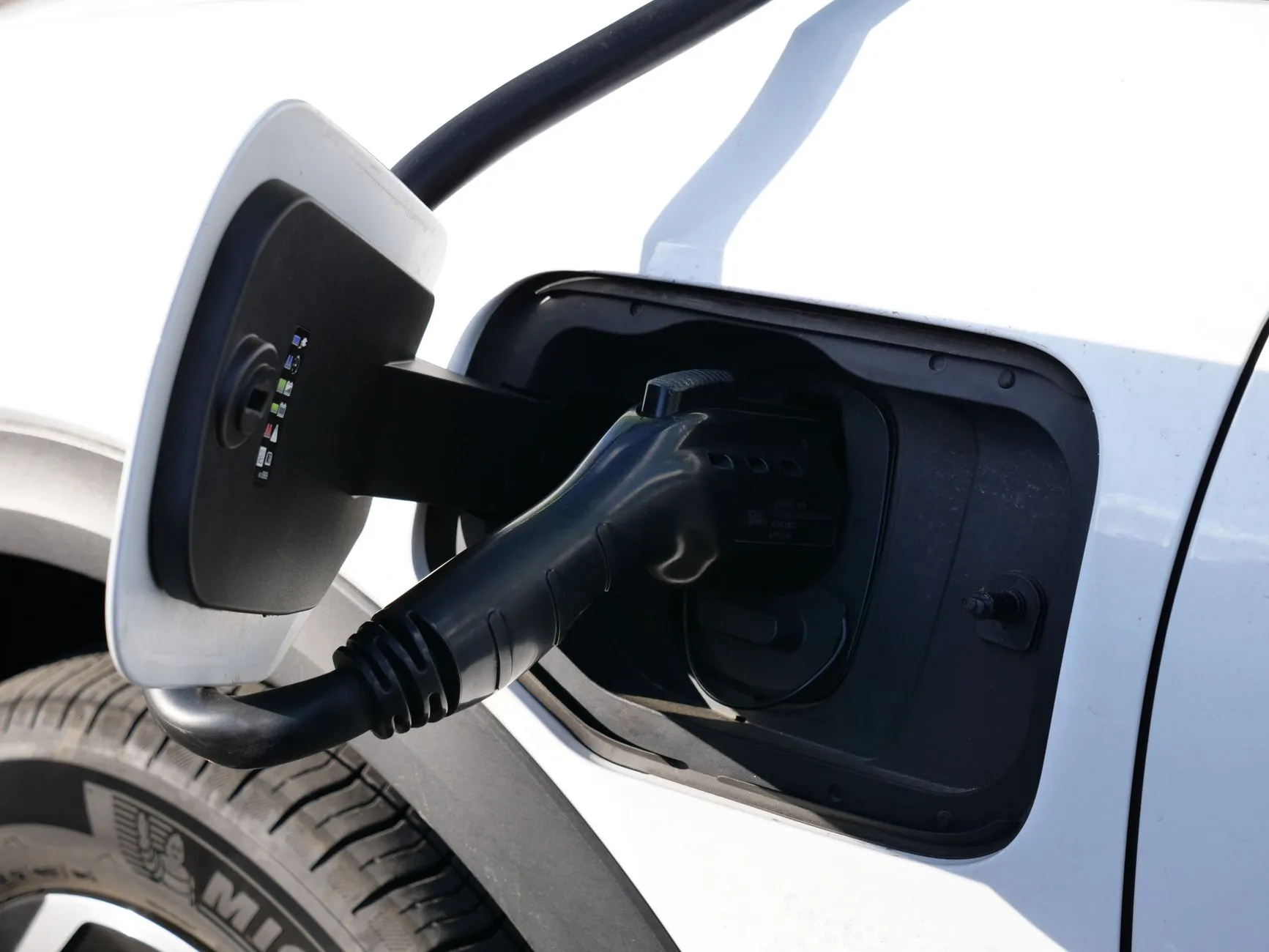
ZEV mandate review could put £1.5bn charging investment at risk
A new UK analysis warns that weakening the Zero Emission Vehicle mandate could delay around £1.5 billion in home-charging investment. The same research suggests the country might have up to 12 gigawatts less flexible charging capacity available by 2034. These findings arrive as the government reviews targets that set annual requirements for the share of new vehicles sold as zero-emission models.
The figures add weight to existing industry warnings. Trade bodies and analysts argue that softening the mandate would undermine the investment case for charging infrastructure. Operators and energy companies depend on predictable EV adoption to justify deployment costs. Without that certainty, major projects may stall or shrink.
The core issue centres on confidence. Charging infrastructure requires significant upfront capital. Investors need to know that enough drivers will buy electric vehicles to use that infrastructure. The ZEV mandate provides that visibility. Consequently, any dilution of the targets risks breaking the link between policy intent and commercial planning.
Current ZEV mandate targets and government timelines
The mandate currently requires manufacturers to reach an 80 per cent zero-emission share of new car sales by 2030. A longer pathway then extends to 100 per cent by 2035. The government has committed to phasing out new petrol and diesel cars by 2030. However, it opened a review process for the mandate that runs through 23 October 2026.
Charging policy has been built on the assumption that EV adoption will continue rising. Smart-charging regulations already require domestic and workplace charge points sold in Great Britain to include smart capability. They must also feature a default off-peak schedule. This framework helps shift demand away from peak hours and creates flexible capacity that supports grid balancing.
That flexibility matters because it allows the electricity system to absorb renewable generation more efficiently. For example, EVs can charge overnight when wind output is high and demand is low. This reduces the need for fossil fuel generation and helps manage grid constraints. Therefore, the loss of 12 gigawatts of flexible capacity would represent a substantial setback for energy planners.
Investment figures and sector commitments already made
Trade bodies have cited more than £6 billion in private charging-sector investment unlocked by the mandate's certainty. ChargeUK, the industry association, states that its members are investing over £6 billion through 2030 specifically because the mandate gives them demand visibility. Meanwhile, the government has announced £600 million to expand charging infrastructure, building on a network of 120,000 public charge points and more than one million home and workplace chargers.
The government's own review paper acknowledges the importance of this pipeline. It notes that the mandate has unlocked £6 billion in private investment and could support a potential £30 billion total cumulative investment through to 2035. Officials also state that the ZEV mandate trajectory remains central to the country's transition strategy. These commitments are therefore substantial and interdependent.
However, the £1.5 billion in delayed home-charging investment represents only part of the risk. Home chargers typically account for the majority of EV charging activity, because they offer the cheapest and most convenient option for overnight charging. If households postpone installing chargers, it reduces the overall attractiveness of EV ownership. That, in turn, can slow vehicle sales and create a negative feedback loop.
How weaker targets affect charging operators and grid flexibility
Charging operators make investment decisions based on forecast utilisation rates. Those forecasts depend on the number of EVs on the road. If the mandate is diluted, fewer EVs enter the fleet each year. Consequently, utilisation falls and return on investment weakens. Operators may then delay or cancel projects, particularly in areas with lower population density or longer payback periods.
Workplace charging faces similar pressures. Employers install charge points to support staff who drive electric vehicles and to meet corporate sustainability commitments. Nevertheless, if EV adoption slows, fewer employees need workplace chargers. Businesses may therefore defer installations or reduce the number of points they plan to install. This further erodes the infrastructure base.
Grid flexibility also suffers. Smart chargers can respond to price signals and grid conditions, shifting load to times when electricity is cheapest and cleanest. The National Grid uses this flexibility to balance supply and demand. For instance, on windy nights, grid operators can signal chargers to increase load, absorbing surplus renewable generation. Without that flexible capacity, the system relies more heavily on gas-fired generation or expensive battery storage.
Energy companies have invested in domestic tariffs designed around EV charging patterns. These tariffs offer lower overnight rates in exchange for the ability to manage charging times remotely. However, if EV uptake slows, the customer base for these tariffs shrinks. Energy suppliers may then reduce investment in smart-charging platforms and time-of-use products. This weakens another layer of the flexibility ecosystem.
Employment and supply chain implications across the sector
ChargeUK has warned that weakening the mandate would put billions of pounds of investment, thousands of jobs and the supply of second-hand EVs at risk. The charging sector employs electrical contractors, software developers, grid connection specialists and customer support teams. Many of these roles have been created in the past three years as the market has scaled. A slowdown in deployment would therefore affect employment across multiple skill areas.
Supply chains also depend on volume and predictability. Manufacturers of charging hardware, cable management systems and grid connection equipment plan production runs based on forecast demand. If that demand falls short, unit costs rise and some suppliers may exit the market. This reduces competition and can increase prices for the infrastructure that does get built. Smaller installers, in particular, face cash flow pressures if project pipelines dry up unexpectedly.
The second-hand EV market relies on a steady flow of new vehicles entering the fleet. As cars age, they move down the price ladder and become accessible to a wider range of buyers. However, if new EV sales slow, fewer used EVs become available. This keeps second-hand prices high and delays the point at which electric vehicles achieve mass-market affordability. Consequently, the transition remains concentrated among higher-income households for longer.
Broader economic and decarbonisation risks tied to slower EV adoption
Several recent analyses suggest that weaker EV targets could raise long-term running costs for households and businesses. Petrol and diesel prices remain subject to global oil markets and geopolitical volatility. In contrast, electricity prices, while variable, are increasingly influenced by domestic renewable generation. Therefore, slower EV adoption extends the UK's dependence on imported oil and exposes consumers to fuel price shocks.
Decarbonisation targets across multiple sectors depend on transport electrification. The UK's net-zero commitment requires deep emissions cuts from road transport, which currently accounts for around a fifth of the country's greenhouse gas output. If the ZEV mandate is weakened, the trajectory of transport emissions reductions flattens. This puts additional pressure on other sectors, such as heating and industry, to compensate. That may prove more expensive or technically challenging.
Local air quality also suffers if petrol and diesel vehicles remain on the road for longer. Tailpipe emissions contribute to nitrogen dioxide and particulate pollution, particularly in urban areas. Public health costs associated with poor air quality run into billions of pounds annually. Therefore, delaying the transition to zero-emission vehicles has health and economic consequences beyond carbon accounting.
Public sector fleets and procurement strategies increasingly favour electric vehicles. Central government, local authorities and the NHS have set targets to electrify their fleets. However, these plans assume a growing second-hand market and competitive pricing for new vehicles. If the ZEV mandate is diluted, procurement teams may struggle to meet their commitments within budget. This creates reputational and compliance risks for public bodies.
What UK businesses and fleet operators should consider now
Businesses planning fleet electrification should monitor the mandate review closely. Any changes to the 2030 target could affect vehicle availability, pricing and residual values. Fleet managers may need to adjust replacement cycles or revisit total cost of ownership calculations. However, most analysts still expect the long-term direction of travel to remain towards electrification, even if the pace shifts.
Companies installing workplace charging should consider the lifetime value of that infrastructure. Chargers typically last ten to fifteen years. Even if EV adoption slows in the short term, the installed base will continue growing. Therefore, businesses that install chargers now may still see strong utilisation over the medium term. Additionally, workplace charging can support employee attraction and retention, particularly in sectors where sustainability matters to staff.
Organisations with exposure to energy costs should explore time-of-use tariffs and smart-charging options. These products can reduce electricity bills regardless of the ZEV mandate's trajectory. However, the value of flexibility may increase if grid constraints tighten. Businesses that establish smart-charging capability early can therefore benefit from future market opportunities. Our net-zero program helps companies assess these options within their wider carbon reduction plans.
Supply chain resilience also deserves attention. Businesses that rely on road transport should understand how fuel costs and vehicle availability might evolve under different policy scenarios. Logistics firms, in particular, face complex decisions about when to electrify van and truck fleets. Those decisions depend on infrastructure availability, vehicle range and total cost of ownership. Consequently, any uncertainty around the mandate complicates planning.
Smaller firms may find that grant funding and support schemes evolve in response to policy changes. The government has offered various incentives for EV adoption and charging infrastructure. However, these schemes often depend on achieving broader policy goals. Therefore, businesses should stay informed about changes to available support. Training and skills development will also matter as the sector matures. Resources such as the SBS Academy can help teams understand the commercial and technical aspects of fleet electrification.
Five key points about the ZEV mandate review
- Weakening the mandate could delay around £1.5 billion in home-charging investment and reduce flexible charging capacity by up to 12 gigawatts by 2034.
- The current mandate requires 80 per cent of new car sales to be zero-emission by 2030, rising to 100 per cent by 2035, with a government review running through October 2026.
- Trade bodies report that the mandate has already unlocked over £6 billion in private charging-sector investment, supporting thousands of jobs and infrastructure deployment.
- Slower EV adoption would reduce grid flexibility, making it harder to absorb renewable generation and increasing reliance on fossil fuel generation during peak periods.
- Delays in infrastructure rollout and weaker second-hand EV markets could keep electric vehicles less affordable for longer, concentrating adoption among higher-income groups.
Why the mandate matters beyond vehicle sales targets
The ZEV mandate functions as an investment signal for a much wider ecosystem. Charging infrastructure, grid planning, energy tariffs and fleet procurement all depend on predictable EV adoption. When policy creates certainty, private capital flows into the sector. When that certainty weakens, investment stalls. This is not unique to the UK. However, the scale of infrastructure already committed and the proximity of the 2030 deadline make the current review particularly significant.
The £6 billion in private investment cited by ChargeUK represents real capital deployed into projects across the country. Those projects create jobs, support supply chains and build the physical infrastructure that enables the transition. If the mandate is weakened, some of that investment will prove harder to justify. Operators may seek to recover costs through higher charging prices, which would make EV ownership less attractive. Alternatively, they may reduce service coverage in less profitable areas, creating regional disparities.
Grid flexibility has value beyond transport. As the UK increases its reliance on wind and solar generation, it needs more tools to balance supply and demand. EV charging offers one of the largest sources of flexible load available. National Grid and distribution network operators have factored this flexibility into their planning. Losing 12 gigawatts of capacity would therefore complicate grid management and could increase system costs. Those costs ultimately flow through to all electricity consumers, not just EV drivers.
The second-hand market also plays a critical role in affordability. New EVs remain expensive for many households, even with falling battery costs. Used vehicles provide an accessible entry point. However, the second-hand market depends on new sales feeding the pipeline. A slower rate of new EV sales means fewer used vehicles become available. This keeps prices high and delays the point at which electric vehicles compete directly with used petrol and diesel cars on cost.
Where to find official guidance and current policy detail
The Department for Energy Security and Net Zero publishes the government's position on the ZEV mandate and the consultation process. You can find updated guidance and consultation responses on the department's website. The official ZEV mandate page includes the regulatory framework and annual compliance requirements for manufacturers.
For charging infrastructure standards and smart-charging regulations, the Office for Zero Emission Vehicles provides technical guidance. The electric vehicle chargepoint design standards set out requirements for public chargers. Additionally, the Energy Saving Trust offers independent information on grants, incentives and installation options for businesses and households.
Trade bodies such as ChargeUK and the Society of Motor Manufacturers and Traders publish regular updates on industry investment and policy positions. These organisations represent the commercial interests of manufacturers, charger operators and related sectors. Their submissions to government consultations often include detailed analysis of economic impacts. Reading these alongside official government publications provides a fuller picture of the issues at stake.