
Amazon opens its first UK net-zero carbon delivery station
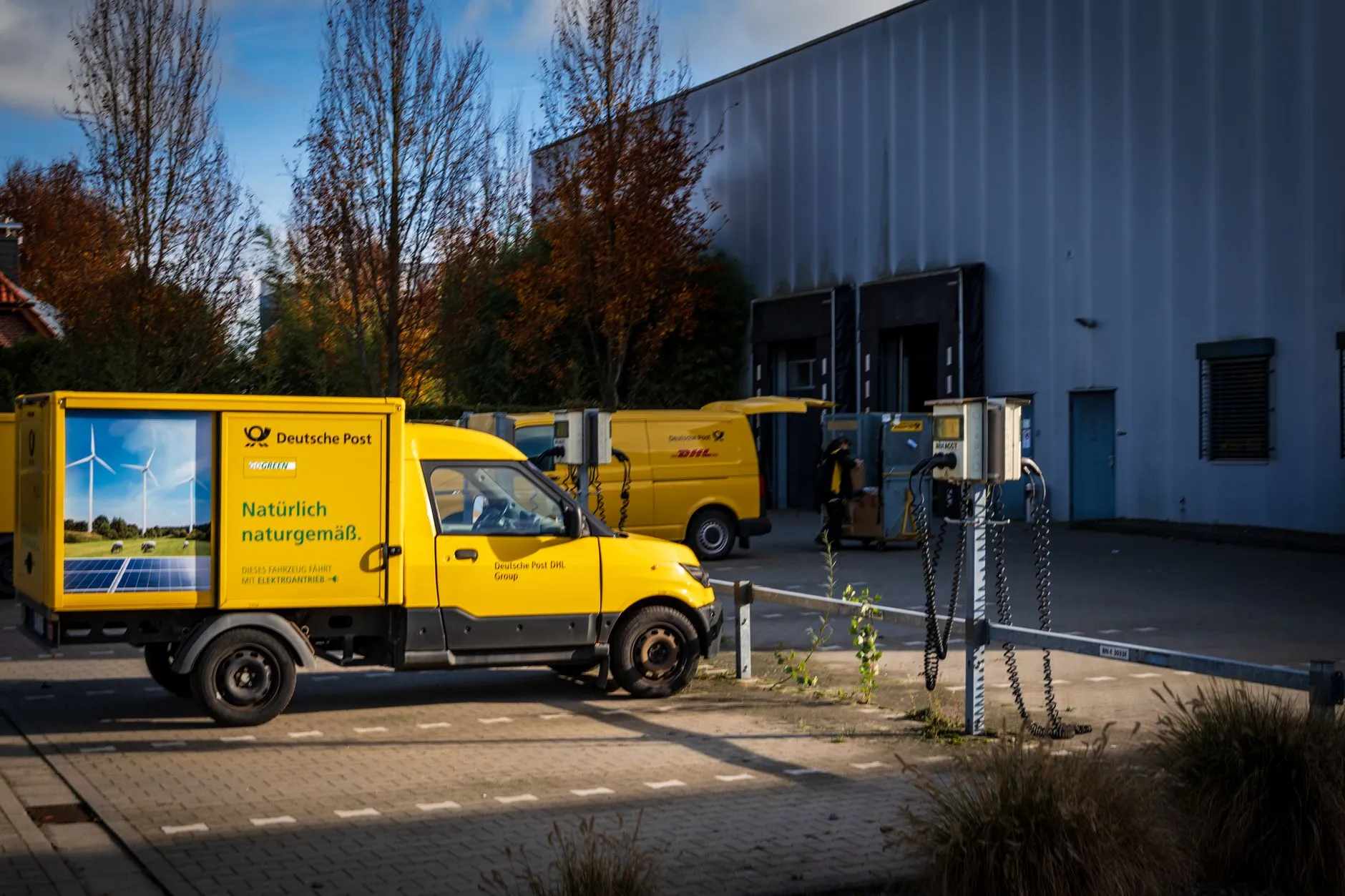
Amazon has just completed a £40 million delivery station in Stockton-on-Tees designed to show how large logistics buildings can cut carbon emissions through both construction choices and day-to-day operations. The facility uses lower-carbon steel, mass timber and cement-free paving materials alongside all-electric heating and rooftop solar panels. It targets a 20% reduction in construction-related emissions compared with Amazon's previous builds and aims to use roughly half the energy of a typical warehouse.
The station opened on 21 October 2026 and sorts parcels for delivery across North Yorkshire and County Durham. Amazon says it was built to meet the UK Net Zero Carbon Buildings Standard and has registered to pursue the International Living Future Institute's Zero Carbon Certification. However, formal certification requires a full year of operational data, meaning independent verification is not expected until 2027.
The project matters because it tackles emissions from two distinct sources. Embodied carbon comes from making and moving construction materials such as concrete and steel. Operational carbon is generated when a building is heated, lit and run day after day. Many warehouse developments focus only on energy performance once the doors open. This site attempts to address both categories at once.
For UK businesses watching their own carbon footprints, the project highlights a practical question. Can lower-carbon construction materials and energy systems be applied to large distribution buildings at commercially viable costs? The answer depends partly on whether Amazon's design projections hold up under real-world use and partly on how quickly these materials and methods become standard rather than experimental.
Lower-carbon materials used across the structure
The building incorporates approximately 1,500 tonnes of steel with high recycled content, produced using renewable electricity. More than 200 tonnes of mass-timber beams were installed as structural elements. Concrete volumes exceeded 4,400 cubic metres, specified to reduce carbon intensity compared with conventional mixes.
Amazon prioritised local sourcing where possible to cut transport emissions during construction. The combined effect of these material choices is expected to reduce embodied emissions by at least 20% relative to the company's earlier design standards. That comparison is internal rather than sector-wide, so the reduction is measured against Amazon's own baseline, not against all UK logistics facilities.
Several emerging technologies were tested during construction. CarbiCrete paving blocks replace conventional cement with steel slag and store captured carbon permanently in precast units. Roughly 6,400 square metres of this material was laid across parking areas and footpaths. Fibre-optic sensors embedded in sections of the paving will monitor performance under daily loading from vehicles and foot traffic.
Paebbl technology was used to embed captured carbon dioxide in concrete products. AI-based carbon tracking software monitored emissions across building systems, from electrical wiring to plumbing fixtures. Digital image-recognition tools recorded materials entering and leaving the site, helping track waste flows and supply-chain movements throughout the construction phase.
All-electric systems and rooftop solar generation
The facility operates without gas-fired heating. Heating and cooling rely on high-efficiency heat pumps, while heat-recovery equipment captures energy that would otherwise escape through ventilation systems. Air curtains at loading-bay doors limit heat loss when delivery vehicles and staff move in and out.
More than 1,400 square metres of rooftop solar panels are installed to supply daytime electricity demand. Amazon projects that the building will consume around half the energy of a typical logistics facility, though this estimate requires validation through operational data collected over the coming year.
Water-saving plumbing fixtures are expected to reduce consumption by approximately 20% compared with conventional designs. These measures together form the operational carbon strategy, which complements the lower-carbon construction materials used in the build phase.
The combination of electric heating, solar generation and heat recovery represents a shift from standard warehouse design. Most large distribution buildings still rely on gas boilers and grid electricity without on-site renewable capacity. Consequently, the operational energy profile of this site differs substantially from older facilities in the same sector.
Employment and local investment in north-east England
The 10,800-square-metre station is expected to create approximately 100 local jobs. Full-time salaries start above £31,000, according to reporting by edie. The facility sorts parcels for delivery across a catchment area that includes parts of North Yorkshire and County Durham.
Amazon describes the project as part of a wider UK investment programme worth £40 billion between 2025 and 2027. That programme covers logistics infrastructure, job creation and technology development, including artificial intelligence applications. The Stockton-on-Tees site therefore sits within a broader capital commitment to UK operations rather than functioning as a standalone sustainability project.
For local suppliers and contractors, the emphasis on locally sourced materials and shorter supply chains during construction may offer insights into how large-scale logistics developments can support regional supply networks. However, the commercial viability of replicating this approach across multiple sites depends on material availability, cost and lead times in different regions.
Electric vehicle fleet expansion across UK operations
The building forms one part of Amazon's effort to decarbonise its logistics network. Transportation accounts for a substantial share of emissions in e-commerce operations, so vehicle electrification runs in parallel with building improvements. More than 800 electric Mercedes-Benz eSprinter vans were scheduled to arrive in the UK during early 2026.
Additionally, Amazon's carbon-reduction plan states that more than 140 Mercedes-Benz eActros 600 electric heavy trucks and eight Volvo FM Battery Electric trucks are expected to join the UK fleet by the end of 2026. These vehicles complement the building-focused measures deployed at Stockton-on-Tees rather than replacing them.
The company has committed through The Climate Pledge to reach net-zero carbon across its operations by 2040. Transportation and buildings together represent the largest emission sources in logistics operations, so progress on both fronts is necessary to meet that target. Electric vehicles reduce tailpipe emissions, while lower-carbon buildings address the energy and materials used in fixed infrastructure.
What this means for UK logistics and construction sectors
The Stockton-on-Tees facility demonstrates that large distribution buildings can integrate lower-carbon materials and all-electric systems at significant investment levels. Nevertheless, the approach raises questions about scalability and cost. Can smaller logistics operators afford similar specifications? Are the materials and monitoring systems available at competitive prices outside a major corporate procurement programme?
Embodied carbon in construction is gaining regulatory attention. The UK Net Zero Carbon Buildings Standard provides a framework for measuring and reducing emissions from both construction and operations. As more local authorities and public sector clients require carbon reporting in tenders, businesses involved in construction and property development may face growing pressure to specify lower-carbon materials and demonstrate lifecycle emissions reductions.
For SMEs in the supply chain, this shift could create opportunities. Demand for lower-carbon steel, mass timber, cement alternatives and digital monitoring tools may increase as larger firms adopt similar standards. However, it also raises the bar for compliance and reporting. Suppliers will need to provide credible carbon data for their products and materials, which means investing in measurement and verification systems.
The 20% construction-emissions reduction claimed by Amazon is measured against the company's previous design standards. This internal benchmark does not necessarily indicate how the building compares with sector-wide averages or best practice in sustainable construction. Formal certification in 2027, following a year of operational data collection, will provide a clearer picture of actual performance versus design projections.
Amazon's use of emerging technologies such as CarbiCrete paving and Paebbl carbon-storing concrete suggests that experimental materials are moving from pilot projects to larger commercial applications. If these materials prove durable and cost-effective, they may become more widely available. If not, they remain niche solutions suited to high-profile projects with flexible budgets.
Reporting standards and certification timelines
The facility was built to meet the UK Net Zero Carbon Buildings Standard and has registered to pursue version 1.1 of the International Living Future Institute's Zero Carbon Certification. Formal certification has not yet been awarded because the building must first complete a full year of operational data collection. Independent assessors will then review performance, with eligibility anticipated in 2027.
This timeline matters for businesses considering similar projects. Design projections are not the same as verified performance. Energy consumption, carbon emissions and water use must be measured over an extended period before certification bodies can confirm whether a building meets its stated targets.
For companies preparing carbon reporting under frameworks such as PPN 06/21 or ESG disclosure requirements, the distinction between design-stage claims and post-occupancy verification is important. Facilities built to ambitious standards may still fall short of targets once operational realities such as occupancy patterns, equipment loads and maintenance practices come into play.
The AI-based carbon tracking and digital material monitoring systems used during construction could offer useful models for businesses looking to improve emissions reporting. Real-time data collection across building systems and supply chains helps identify emission hotspots and supports more accurate carbon accounting. As reporting requirements tighten, these tools may become standard rather than optional.
Key details for the Stockton-on-Tees delivery station
- The facility is located in Stockton-on-Tees, north-east England, and opened on 21 October 2026.
- Amazon invested approximately £40 million in the 10,800-square-metre building, which is expected to create around 100 jobs.
- Construction-related emissions are projected to be at least 20% below Amazon's previous design standards, while operational energy use is expected to be roughly 50% of a typical logistics building.
- The site uses approximately 1,500 tonnes of lower-carbon steel, more than 200 tonnes of mass timber, and over 4,400 cubic metres of lower-carbon concrete.
- More than 1,400 square metres of rooftop solar panels are installed to supply daytime electricity, and the building operates without gas-fired heating.
- The station was designed to meet the UK Net Zero Carbon Buildings Standard and has registered to pursue ILFI Zero Carbon Certification, with formal certification expected in 2027 after a full year of operational data collection.
- Emerging technologies tested on site include CarbiCrete cement-free paving, Paebbl carbon-storing concrete, AI-based carbon tracking software, and digital material monitoring systems.
Considerations for businesses managing carbon footprints
The project offers several lessons for UK businesses tracking their own emissions. First, construction-phase carbon can be reduced through material choices and supply-chain management. Specifying lower-carbon steel, timber and concrete alternatives requires upfront planning and collaboration with suppliers, but it directly reduces embodied emissions before a building even opens.
Second, operational energy savings depend on integrated system design. Heat pumps, heat recovery, air curtains and rooftop solar must work together to achieve meaningful reductions. Installing one or two measures in isolation typically delivers smaller gains than a coordinated approach across heating, cooling, ventilation and power generation.
Third, measurement and verification are essential. Amazon's projections for energy and emissions reductions remain unconfirmed until independent assessors review a full year of operational data. Businesses making similar claims should prepare for post-occupancy evaluation and ensure that design targets translate into actual performance.
For companies involved in public sector tenders, the emphasis on net-zero construction may become more common. Local authorities and government departments increasingly require carbon reduction plans and emissions reporting as part of procurement criteria. Understanding how to specify lower-carbon materials, track construction emissions and demonstrate operational performance could become a competitive advantage in bidding for contracts.
If you're preparing for carbon reporting requirements or managing emissions reductions across your operations, our net-zero program for carbon reporting compliance provides structured support for Scope 1, 2 and 3 emissions measurement.
SMEs in construction supply chains may also need to provide product-level carbon data to meet client requirements. This means investing in lifecycle assessments, third-party verification and transparent reporting systems. As standards such as the UK Net Zero Carbon Buildings Standard gain traction, suppliers without credible carbon data may find themselves excluded from larger projects.
The emerging technologies used at Stockton-on-Tees illustrate how digital tools and alternative materials are becoming part of mainstream construction. Businesses that understand these options and can integrate them into project planning may find new opportunities as demand for lower-carbon buildings increases.
Where to find further information
The UK Net Zero Carbon Buildings Standard is managed by the UK Green Building Council and provides a framework for reducing emissions from construction and building operations. You can find detailed guidance and technical resources on the UK Green Building Council website.
The International Living Future Institute's Zero Carbon Certification sets performance standards for buildings that achieve net-zero operational carbon. Information on the certification process and requirements is available on the Living Future Institute's website.
For broader context on UK climate policy and net-zero targets, the Department for Energy Security and Net Zero publishes updates and strategic documents at gov.uk.
Businesses looking for guidance on sustainable construction and carbon reduction in buildings can also consult the Institute of Environmental Management and Assessment, which provides professional standards and training for environmental practitioners.
If your business needs support with carbon reporting, ESG compliance or sustainable procurement strategies, we can help you navigate the practical steps required to meet regulatory and client expectations.