
Amazon's $1.4 Million Investment in Japanese Forest Restoration
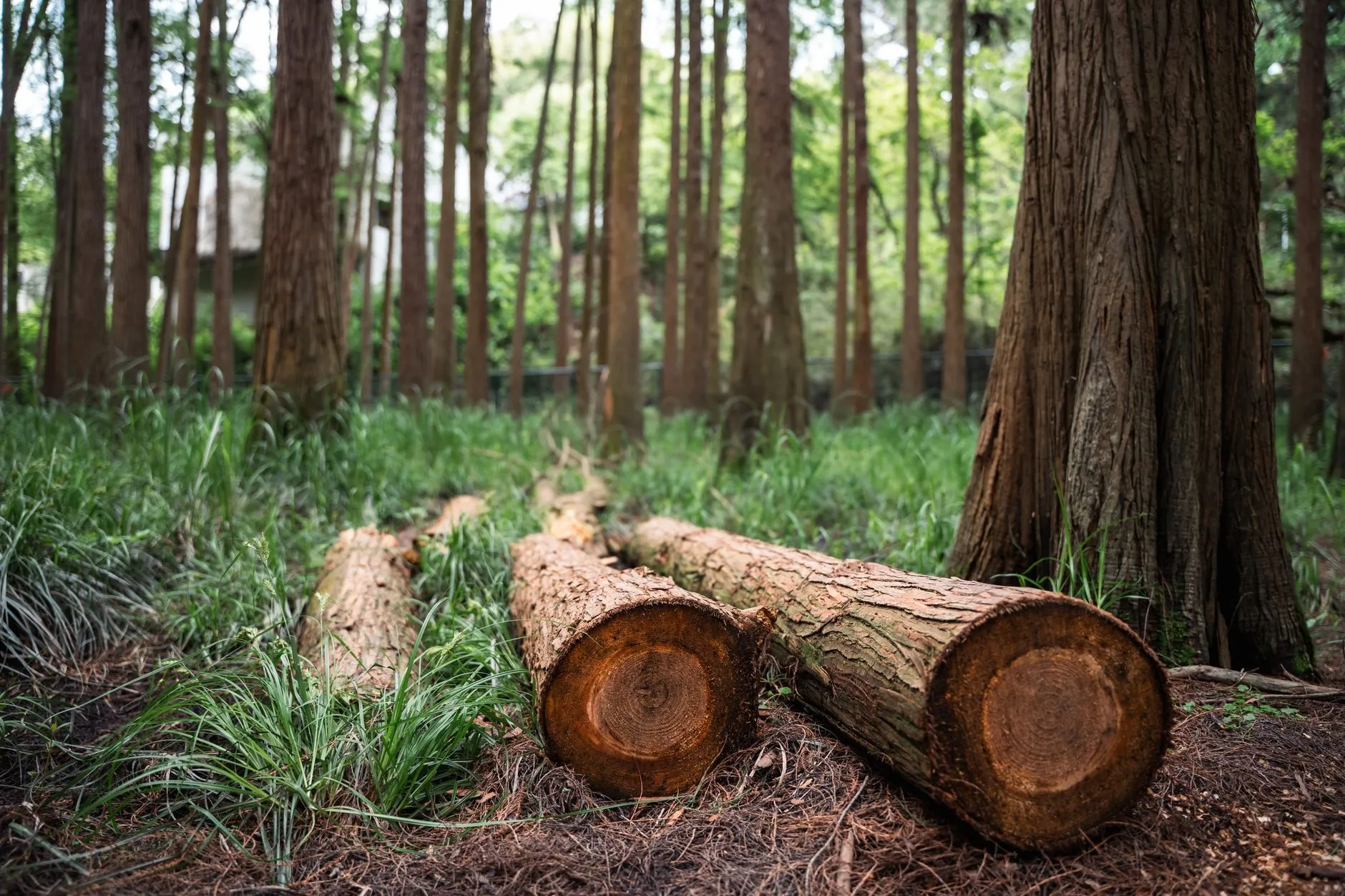
Amazon has committed ¥220 million to restore forests across Japan. That figure translates to roughly US$1.4 million. The money comes through the company's Right Now Climate Fund and will support work at up to 20 forest sites covering 100 hectares near Tokyo, Osaka and Nagoya over the next five years.
For UK businesses watching corporate environmental commitments, this move is worth noting. It shows how companies are using nature finance to address biodiversity loss alongside carbon goals. Moreover, it demonstrates a shift from simple tree planting toward comprehensive restoration that requires monitoring, local partnerships and sustained ecological management.
The investment marks Amazon's first use of the Right Now Climate Fund in Japan. Established in 2019, the fund holds US$100 million designated for conservation, restoration and climate resilience projects worldwide. This Japanese program runs through 2030 and involves partnership with the National Land Afforestation Promotion Organization, known as NALAPO.
The selected sites require active management rather than protection alone. Many Japanese forests face ecological degradation from overcrowding, invasive species or damage from deer browsing. Consequently, restoration involves thinning overcrowded stands, removing invasive plants, replanting native broadleaf species and managing bamboo growth. Teams will also monitor biodiversity changes to assess whether interventions produce measurable habitat improvements.
Restoration methods tailored to local forest conditions
Each site will receive treatment based on its specific ecological challenges. Activities may include removing invasive species that outcompete native vegetation. In some locations, teams will thin overcrowded forest stands to allow more light penetration. Others will focus on replanting native broadleaf trees or managing aggressive bamboo spread. Wildlife habitat restoration and biodiversity monitoring will occur at all sites.
The program aims to restore conditions that allow wildlife to live, move and breed successfully. Furthermore, all 20 sites are expected to pursue recognition as Other Effective area-based Conservation Measures, abbreviated as OECMs. These areas sit outside formally protected zones but still deliver biodiversity conservation outcomes.
Work has already started in several locations. One example is near the Kiryu River headwaters in Gunma Prefecture. Deer browsing and heavy snowfall have damaged or killed trees there, degrading forest structure and ecological health. Restoration teams are thinning damaged or overcrowded trees and replanting native broadleaf species along riverbanks. The intended result is straightforward. Improved forest structure allows more sunlight to reach the ground and stream, supporting insects and the fish that feed on them.
Initial and planned locations include the Kazusa-no-Sato project in Mutsuzawa and Otaki, Chiba Prefecture. Another site covers the Kiryu River headwaters and Umeda forest in Kiryu, Gunma Prefecture. Planned projects include forest restoration in the Yogo area of Nagahama, Shiga Prefecture, and biodiversity restoration spanning Nagahama and Maibara, also in Shiga. The forest surrounding the Takatsuki Forest Tourism Center in Osaka Prefecture is also among the sites.
The full list of 20 locations is still being finalised. Additional sites are expected to begin work during 2026 and early 2027.
Public participation and environmental education components
The initiative combines ecological restoration with community engagement. Over five years, it aims to provide approximately 72,000 people with opportunities to connect with nature. This includes around 20,000 students who will participate in hands-on environmental education programmes. Additionally, the project targets roughly 2,000 volunteers for forest restoration activities and approximately 50,000 people reached through events and educational programmes.
This approach reflects growing recognition that conservation requires community support. Educational components help build public understanding of forest ecology and the reasons behind specific management interventions. Volunteer programmes create direct participation in restoration work, which may encourage longer-term engagement with local natural environments.
For businesses considering similar initiatives, the education component represents an investment in social licence. Projects that involve local communities tend to generate better outcomes than those imposed without consultation or participation. However, the challenge lies in converting short-term volunteer participation into sustained involvement beyond the initial funding period.
Alignment with Japan's 30by30 biodiversity target
The investment supports Japan's commitment to conserve at least 30% of its land and sea by 2030. This target, known as 30by30, aligns with global biodiversity goals agreed at the Convention on Biological Diversity. Because the Amazon-backed sites are expected to seek OECM status, the programme could contribute to that national target even where forests lack formal protected-area designation.
This distinction matters in Japan, where many forests are privately or communally managed. Conservation outcomes in these areas often depend on active maintenance rather than simply restricting development. Restoration measures such as thinning and invasive-species control can improve habitat quality in forests that have become overgrown or ecologically unbalanced due to reduced human activity or wildlife pressure.
The programme also reflects a shift from tree planting alone toward comprehensive restoration. Thinning, native-species reintroduction, ecological monitoring and community education are intended to produce measurable benefits for habitats and local residents. This contrasts with approaches that focus solely on the number of trees planted without assessing survival rates, species appropriateness or habitat value.
OECM designation provides a framework for recognising conservation value in areas that are actively managed rather than left untouched. For businesses, this model may be relevant when considering nature investments or biodiversity net gain commitments. It demonstrates how working landscapes can deliver conservation outcomes when management is guided by ecological objectives.
Monitoring systems using AI and ecological surveys
Amazon and its partners plan to use ecological surveys to evaluate restoration outcomes. The Japanese Forest Technology Association is supporting planning related to OECM applications. Meanwhile, the biodiversity technology company Biome is expected to contribute artificial-intelligence-based monitoring tools, particularly for documenting plant and other biodiversity changes.
This monitoring component addresses a common weakness in corporate environmental commitments. Restoration claims can be difficult to evaluate without systematic data collection. Measuring species presence, habitat quality and changes in forest structure helps determine whether investment produces lasting ecological benefits. It also provides evidence for OECM designation and supports future management decisions.
For UK businesses with environmental commitments, robust monitoring is increasingly expected by stakeholders. Supply chain partners, investors and regulators want evidence that nature projects deliver genuine outcomes rather than reputational benefits alone. AI-based monitoring tools can reduce the cost and complexity of long-term biodiversity assessment, making it feasible to track changes across multiple sites over years.
However, monitoring tools are only as good as the questions they answer. The programme will need to demonstrate improvements in specific ecological indicators, such as native species richness, habitat structure or water quality. These indicators must be measured consistently across sites and over time to show whether restoration methods are working.
Key details about Amazon's forest restoration programme
- The ¥220 million investment will support restoration at up to 20 forest sites covering 100 hectares near major Japanese metropolitan areas through 2030.
- All sites are expected to pursue recognition as Other Effective area-based Conservation Measures, contributing to Japan's 30by30 biodiversity conservation target.
- Restoration activities are tailored to local conditions and include thinning, invasive species removal, native tree planting and biodiversity monitoring using AI-based tools.
- The programme aims to engage approximately 72,000 people over five years, including 20,000 students in environmental education and 2,000 volunteers in restoration work.
- Initial work has begun in Gunma, Chiba and Shiga prefectures, with additional sites scheduled to start during 2026 and early 2027.
- The Japanese Forest Technology Association and biodiversity company Biome are providing technical support for OECM applications and ecological monitoring respectively.
- This is Amazon's first Right Now Climate Fund project in Japan, separate from the company's water replenishment initiatives in Yamanashi and Chiba.
What this programme reveals about corporate nature finance
The ¥220 million commitment is modest compared with the scale of Japan's forests. Nevertheless, its significance lies in the model it establishes. By concentrating on multiple sites near major metropolitan areas, the project links conservation with public access and education while supporting locally tailored restoration.
For UK SMEs facing growing pressure to demonstrate environmental action, this approach offers several lessons. First, nature-based commitments are moving beyond carbon offsets toward comprehensive biodiversity outcomes. Supply chain partners and procurement frameworks increasingly expect businesses to address nature loss, not just emissions. Consequently, understanding how to invest in ecological restoration may become commercially important.
Second, the programme shows how corporate funding can support outcomes that align with national policy goals. Japan's 30by30 target creates a framework within which private investment can contribute to public conservation objectives. In the UK, similar opportunities exist through biodiversity net gain requirements, environmental compliance frameworks and emerging disclosure rules.
Third, the emphasis on monitoring and OECM designation reflects rising expectations for transparency and accountability. Businesses making environmental claims must increasingly demonstrate measurable outcomes through credible data. This shift affects not only large corporations but also SMEs supplying public sector contracts or operating in regulated sectors.
The initiative also demonstrates how forest restoration can generate multiple benefits beyond carbon storage. Healthy forests regulate water, reduce erosion, provide habitat and support climate resilience. However, these benefits depend on long-term management and ecological monitoring, not one-time interventions.
Long-term success depends on sustained management
The programme's effectiveness will depend on several factors. First, restoration must continue after the five-year funding period ends. Ecological recovery takes decades, and initial gains can reverse quickly without ongoing maintenance. Therefore, local partnerships and funding mechanisms beyond Amazon's commitment will determine whether improvements persist.
Second, biodiversity monitoring must be transparent and methodologically sound. AI-based tools can collect data efficiently, but results must be interpreted carefully and shared openly. Stakeholders will expect to see evidence of improved habitat conditions, not just reports that monitoring has occurred.
Third, OECM applications must lead to durable conservation commitments. Recognition as an OECM should trigger management obligations that prevent future degradation. Without such safeguards, there is a risk that restored sites could be developed or mismanaged once initial attention fades.
Fourth, community participation must evolve into sustained involvement rather than short-term volunteering. Educational programmes can build awareness, but long-term stewardship requires ongoing engagement and local ownership. The extent to which communities continue caring for these forests after 2030 will be a key measure of success.
Finally, the project must demonstrate that its model can be replicated elsewhere. If the approach proves effective across 20 diverse sites, it could inform similar initiatives in Japan and other countries. However, if results are mixed or difficult to evaluate, the programme may not generate wider adoption.
For businesses considering similar investments, these factors highlight the importance of planning beyond initial funding commitments. Nature-based projects require long-term thinking, robust partnerships and clear accountability mechanisms. Announcing an investment is straightforward. Delivering measurable, lasting ecological improvements is considerably harder.
Broader context of Amazon's environmental activity in Japan
This forest initiative forms part of Amazon's broader environmental activity in Japan but is distinct from the company's separate water replenishment projects. Amazon has supported forest management in Yamanashi's Tabayama Village, within the watershed serving Tokyo. Activities there include thinning, pruning and management of young trees to improve forest health and water regulation.
In Chiba Prefecture, another Amazon-supported forest restoration initiative focuses on the Yoro River watershed. The project is expected to cover 250 hectares and could return more than 170 million litres of water annually to local communities. Improved forest structure enhances the landscape's ability to retain and regulate water, benefiting both ecosystems and human populations.
These projects illustrate how forest restoration can generate multiple benefits. Biodiversity protection, improved watershed function, climate resilience, environmental education and stronger community engagement can all result from well-designed interventions. However, achieving these outcomes requires integrating ecological science, local knowledge and sustained management.
The water replenishment projects also highlight connections between corporate environmental commitments and business operations. Amazon's facilities and logistics networks depend on reliable water supplies and functioning ecosystems. Investing in watershed health can therefore serve both environmental and operational objectives, though the extent to which such alignment drives investment decisions varies across companies and contexts.
Further information on Japan's conservation policy and forest management
Businesses interested in understanding Japan's 30by30 commitment can find detailed information through the Japan Biodiversity Information System, which provides resources on conservation targets and OECM designation processes.
The Ministry of the Environment's biodiversity pages explain national policy frameworks and how they align with international commitments under the Convention on Biological Diversity.
For those tracking corporate environmental commitments more broadly, Amazon's sustainability reporting outlines the company's climate and nature goals, including details of the Right Now Climate Fund and its global activities.
Understanding how forest restoration connects with climate and biodiversity goals is becoming commercially relevant for UK businesses. Public sector procurement, supply chain requirements and emerging disclosure rules increasingly expect businesses to demonstrate environmental action. Our net zero resources explain how carbon and nature commitments intersect and what SMEs should consider when developing environmental strategies.