
Ancient insect-eating diets and sustainable food systems
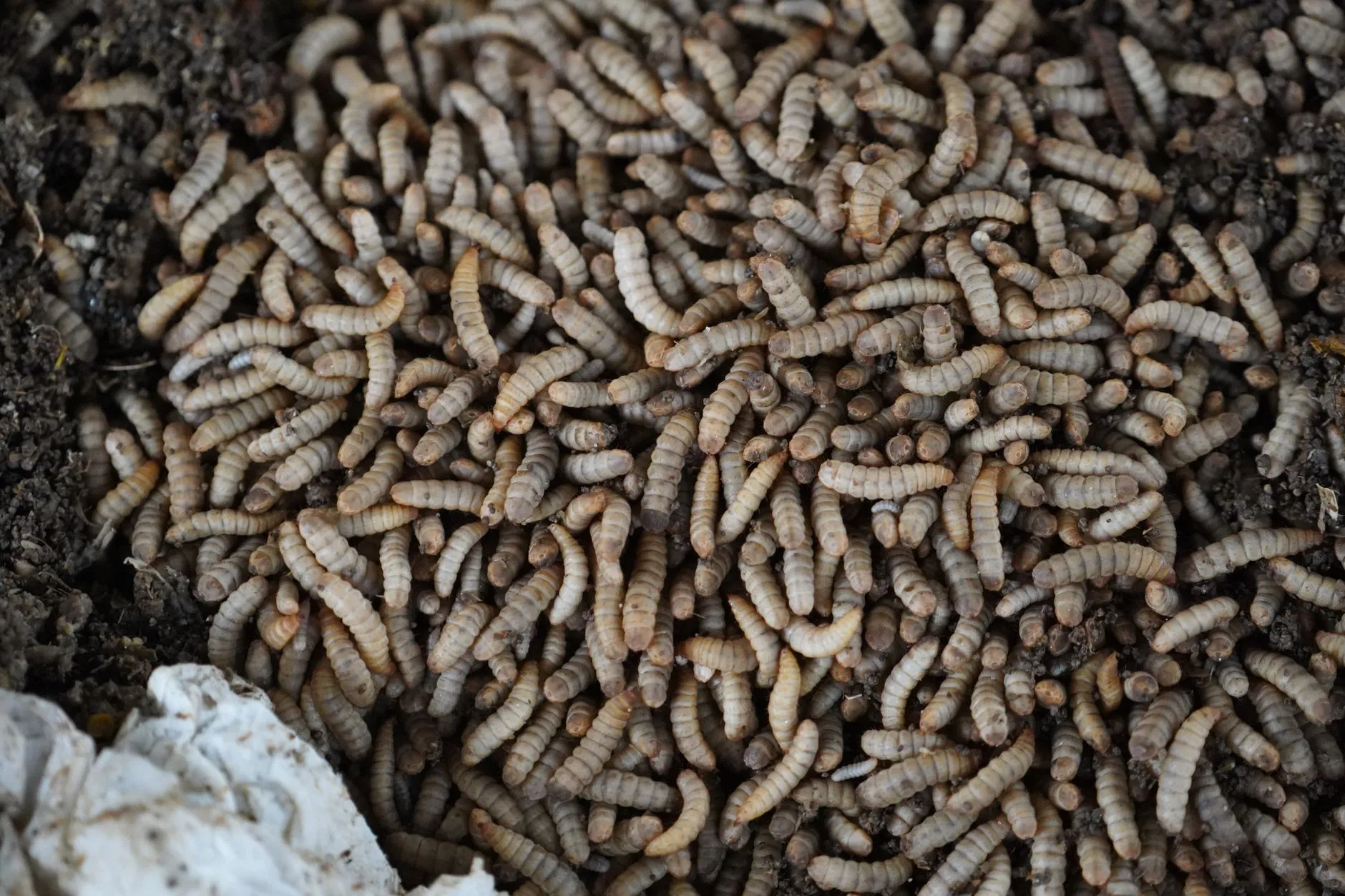
Thousands of years before modern sustainability debates, communities across the world were already eating insects. New archaeological research from Durham University suggests that this practice was far more widespread than conventional accounts acknowledge. For UK businesses now exploring alternative proteins, this historical perspective offers more than academic interest. It reframes insects as heritage foods with deep cultural roots rather than experimental novelties.
Professor Lisa-Marie Shillito led the study, published in World Archaeology on 27 October 2026. Her team argues that insect consumption has formed part of human diets since at least the Palaeolithic period. However, preservation bias and research gaps have hidden this history from view. The findings matter because they challenge how we think about food system transitions today.
Archaeological evidence reveals consistent insect consumption across continents
Researchers identified ancient insect eating through multiple methods. Fossilised human waste contains preserved insect remains. Cooking vessels show chemical traces. Stone tools carry residues that reveal food preparation techniques. These discoveries appear across different continents and time periods.
A meta-analysis examined more than 9,000 human coprolites from 52 archaeological sites throughout the Americas. Roughly one third showed evidence of deliberate insect consumption. The pattern suggests seasonal harvesting rather than occasional opportunism. Ancient communities planned for and relied on these protein sources.
Specific examples include grasshoppers and beetles in North America. In Australia, people cooked and ground moths into food approximately 2,000 years ago. Meanwhile, traditional food cultures in Africa, Asia and Latin America still include insects today. Ugandan and Mexican communities eat grasshoppers as established parts of their cuisine.
The challenge lies in detection. Insect remains preserve less readily than animal bones or pottery fragments. Consequently, conventional archaeology may systematically undercount their dietary importance. What looks like absence might simply reflect preservation limits rather than actual eating habits.
Mixed food economies used insects alongside other protein sources
The Durham study makes a crucial distinction. Insects complemented rather than replaced other foods in ancient diets. They supplied protein, fat and micronutrients within broader systems that combined foraging, horticulture and agriculture. No evidence suggests communities relied solely on insect protein.
This historical pattern holds lessons for current food system planning. A single alternative protein source seems unlikely to solve sustainability challenges. Instead, resilient systems probably need diverse options including plant-based foods, fungi, algae and insects. Each contributes different nutrients and suits different production contexts.
The Food and Agriculture Organization has documented several environmental advantages of insect farming. Generally, insects need less land and water than conventional livestock. They produce lower greenhouse gas emissions and less ammonia. Feed conversion efficiency exceeds most traditional meat production systems.
Crickets require approximately six times less feed than cattle to produce equivalent protein. They need four times less than sheep and twice less than pigs or broiler chickens. For feed conversion, insects typically transform about 2 kilograms of feed into 1 kilogram of body mass. Cattle require roughly 8 kilograms of feed for each kilogram of weight gain.
Earlier lifecycle research found that mealworm production generated substantially lower greenhouse emissions than common livestock systems. Nevertheless, energy use affects overall environmental performance. Heating and maintaining controlled rearing environments can offset some climate benefits, particularly where fossil fuels power operations.
Commercial implications for UK food businesses and supply chains
UK businesses face growing pressure to demonstrate sustainable sourcing. Public sector procurement rules increasingly consider environmental criteria. Private sector supply chains demand emissions data and reduction targets. Alternative proteins therefore represent both compliance opportunities and commercial risks.
Companies exploring insect-based ingredients need to consider regulatory approval pathways. Novel foods legislation in Great Britain requires pre-market authorisation from the Food Standards Agency. Each insect species needs separate assessment. Applications must demonstrate safety, including microbial, chemical and allergen risks.
Feed inputs matter significantly for environmental claims. Insects raised on resource-intensive feeds or dried using fossil fuel equipment may deliver fewer climate benefits than headline comparisons suggest. Consequently, businesses making sustainability claims must verify production methods throughout their supply chains. Vague assertions risk greenwashing allegations and reputational damage.
Energy costs present a particular challenge. Insects often require controlled temperatures for efficient breeding and growth. Where operations rely on grid electricity with high carbon intensity, the climate advantage narrows. Operators using renewable energy or waste heat gain competitive differentiation on environmental performance.
Food manufacturers incorporating insect protein face formulation challenges beyond sustainability metrics. Taste, texture and colour must meet consumer expectations. Processing techniques affect nutritional content and allergen profiles. Product development cycles can extend considerably compared with established ingredients.
Several insect species contain 50 to 70 percent protein by dry weight. This concentration rivals or exceeds conventional meat products. However, protein content alone does not determine commercial viability. Cost per kilogram, supply reliability, regulatory status and consumer acceptance all influence purchasing decisions.
Land requirements offer potential advantages for space-constrained operations. Some insect proteins need approximately two to ten times less agricultural land than pig or cattle protein production. For businesses evaluating facility locations or expansion plans, this efficiency could reduce capital costs and planning constraints.
Supply chain transparency becomes essential when making environmental claims. Third-party verification, lifecycle assessments and clear methodology statements help businesses defend sustainability marketing. As enforcement of green claims guidance intensifies, documented evidence protects against regulatory challenge and consumer complaints.
Understanding the commercial context for insect protein adoption
- Durham University published the archaeological research in World Archaeology on 27 October 2026, examining insect consumption across multiple continents and time periods.
- Analysis of more than 9,000 human coprolites from 52 sites across the Americas found intentional insect consumption evidence in approximately one third of assemblages.
- Crickets require about six times less feed than cattle, four times less than sheep, and twice less than pigs or broiler chickens to produce equivalent protein quantities.
- Several approved insect species contain 50 to 70 percent protein by dry weight, comparable to or exceeding conventional meat products.
- Insect farming can reduce agricultural land needs by approximately two to ten times compared with pig or cattle protein, depending on species and production methods.
- Energy requirements for heating and controlled environments significantly affect overall climate performance, particularly where operations depend on fossil fuel electricity.
- Each insect species requires separate novel food authorisation in Great Britain, with safety assessments covering microbial, chemical and allergen risks.
Cultural acceptance determines market viability beyond environmental metrics
Professor Shillito's research addresses a barrier that technology cannot solve alone. Many consumers in Western markets regard insects as unfamiliar or unappealing. This perception creates commercial resistance regardless of environmental performance data. Marketing strategies must therefore address cultural framing alongside product benefits.
Presenting insects as foods with historical significance may prove more effective than positioning them as futuristic alternatives. Archaeology demonstrates that insect consumption represents continuity rather than disruption in human food systems. This narrative could ease consumer conversations by emphasising adaptation and local knowledge instead of novelty.
The approach also avoids treating Western dietary preferences as universal standards. Insects remain established foods in numerous communities worldwide. Industrial insect farming and ingredient development are expanding in various markets with different cultural contexts and regulatory frameworks.
Businesses entering this sector should consider how their messaging acknowledges existing food traditions. Companies that respect cultural knowledge may build trust more effectively than those marketing insects solely as technological solutions. This distinction matters particularly for brands targeting diverse customer bases or international markets.
Consumer research indicates that familiarity increases through gradual exposure. Products incorporating insect protein as an ingredient often face less resistance than whole insects presented visibly. Consequently, food manufacturers might begin with processed forms before introducing more recognisable insect products.
Allergen management requires careful attention. People with shellfish allergies may react to insects due to shared proteins. Clear labelling protects consumers and reduces liability exposure. Businesses must implement robust testing protocols and train staff on allergen communication.
Wild harvesting presents different challenges from controlled farming. Intensive collection could pressure local insect populations and damage ecosystems. Escaped farmed insects might threaten native species in some environments. Therefore, businesses sourcing from wild populations need sustainability assessments and harvesting limits. Those operating farms require biosecurity measures preventing environmental release.
Regulatory compliance extends beyond initial authorisation. Ongoing monitoring, traceability systems and documentation requirements continue throughout production. Companies lacking compliance infrastructure face operational disruptions when enforcement intensifies. Consequently, our compliance support helps businesses establish systems that scale with growth.
Investment decisions should account for market development timelines. Consumer acceptance builds gradually. Regulatory pathways take months or years. Supply chains need time to mature and stabilise pricing. Businesses expecting rapid returns may face cash flow challenges that threaten viability despite sound underlying concepts.
Practical considerations for businesses evaluating insect protein options
Companies should start by clarifying their strategic objectives. Are you reducing supply chain emissions? Meeting tender requirements? Differentiating products? Responding to investor pressure? Each goal suggests different approaches and investment priorities. Vague sustainability ambitions often lead to scattered efforts and weak returns.
Assess your current baseline before making commitments. What are your existing protein sources? Where do emissions concentrate in your supply chain? Which products face the strongest sustainability pressure from customers or regulators? This analysis identifies where alternative proteins deliver genuine advantage rather than marginal gains.
Engage suppliers early in evaluation processes. Insect protein availability varies by species, processing form and volume. Lead times may exceed conventional ingredients. Pricing remains less stable than established commodity markets. Early supplier conversations reveal practical constraints that desk research cannot capture.
Consider how insect ingredients affect your existing operations. Do you need new equipment? Will formulations require reformulation? How do handling and storage requirements differ? What staff training becomes necessary? Operational changes often represent hidden costs that erode anticipated savings.
Test consumer response before full-scale launches. Small production runs, limited market trials and customer research reduce exposure if reception proves weaker than expected. Social media amplifies both positive and negative reactions. Consequently, controlled testing helps you refine messaging before broader exposure.
Document everything for compliance and marketing purposes. Lifecycle assessments, supply chain audits, safety testing and quality records support environmental claims and regulatory requirements. Additionally, this documentation becomes essential if you face challenges from competitors, regulators or consumer groups.
Our net-zero program for carbon reporting compliance helps businesses measure emissions across their supply chains, identifying where alternative proteins deliver meaningful reductions. We work with food manufacturers, hospitality businesses and retailers navigating ingredient transitions while maintaining regulatory compliance and customer confidence.
Authoritative sources for further technical and regulatory guidance
The Food Standards Agency provides current guidance on novel food applications in Great Britain, including specific requirements for insect species approval. Their website details the authorisation process, safety assessment criteria and approved products list.
The Food and Agriculture Organization publishes comprehensive technical papers on insect farming, covering environmental performance, food safety considerations and production systems. Their research summarises lifecycle assessments and feed conversion data across multiple insect species.
The Department for Environment, Food and Rural Affairs offers policy updates on sustainable food systems and alternative proteins. Their materials address regulatory frameworks, environmental standards and support schemes relevant to food businesses exploring new ingredients.
UK Research and Innovation funds studies examining consumer acceptance, production efficiency and sustainability metrics for alternative proteins. Their project databases identify current research that may inform business planning and product development strategies.
Finally, the British Standards Institution develops standards for emerging food production systems. Following their guidance helps businesses demonstrate quality management and safety protocols that satisfy both regulators and commercial customers.