
Battery-Electric Ferry Launches Commercial Service
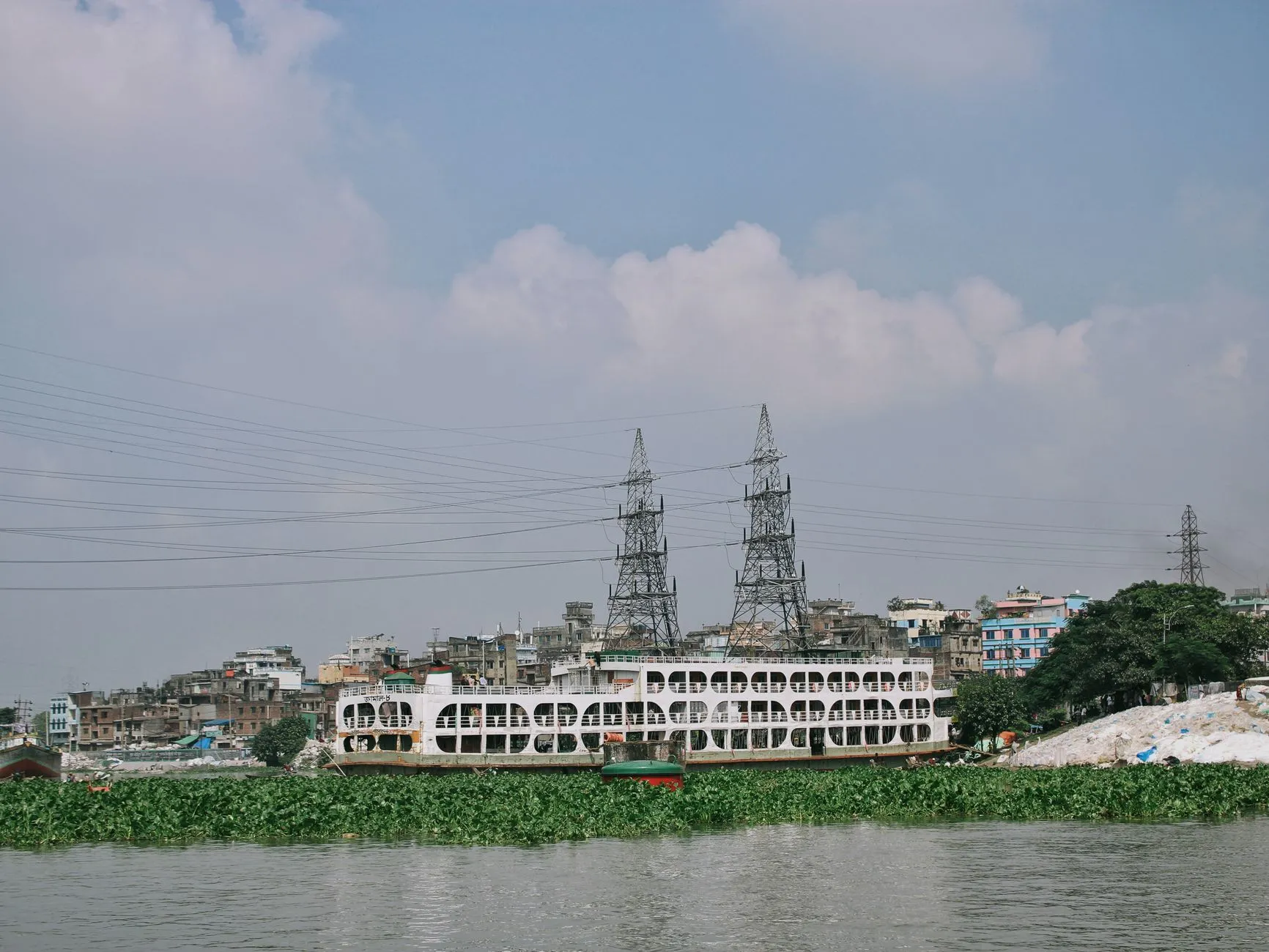
A 130-metre passenger ferry running entirely on battery power has started regular commercial service between Argentina and Uruguay. The vessel carries more than 2,000 passengers and 225 vehicles across the Río de la Plata without using diesel engines. For UK businesses tracking maritime decarbonisation, the vessel's operation provides evidence that electric propulsion can move from trial projects into everyday use on demanding routes.
The ferry matters because it operates at a scale that previously required fossil fuels. Smaller electric vessels already run on short crossings in Norway and elsewhere. However, moving several thousand people and hundreds of vehicles at 25 knots requires substantially more power. The vessel therefore tests whether battery technology, charging infrastructure and vessel design have matured enough to support commercial operations without compromising timetables or capacity.
For businesses involved in transport, supply chains or public procurement, the project demonstrates how decarbonisation progresses in practice. Progress depends on coordinated investment in vessels, shore infrastructure and operational planning. Consequently, the ferry's performance will influence whether operators commission similar vessels for other routes. It also offers insight into how heavy transport electrification develops when range and weight constraints remain significant.
Battery capacity enables short crossings without diesel
The vessel, named China Zorrilla, completed its first paying journey on 22 October 2026. It connects Buenos Aires with Colonia del Sacramento, a distance of approximately 55 kilometres. The crossing takes around 75 minutes. Built by Incat Tasmania in Hobart, the aluminium catamaran measures 130 metres and operates eight electrically driven waterjets.
Its battery system holds more than 40 megawatt-hours of energy. That capacity is roughly four times larger than any battery installation previously fitted to a ship. The system weighs over 250 tonnes and contains more than 5,000 individual modules. Unlike hybrid vessels that combine batteries with diesel generators, the China Zorrilla runs purely on stored electrical energy during crossings.
High-power charging equipment has been installed at terminals on both sides of the Río de la Plata. Recharging takes between 60 and 90 minutes, depending on operating conditions. The vessel therefore charges between services rather than during crossings. This approach requires reliable shore power and careful scheduling to maintain service frequency.
Because the battery system is designed for short routes, the ferry could not sail independently from Tasmania to South America. Instead, it was loaded onto a heavy-lift vessel and transported across the Pacific. The delivery method highlights a key limitation of current battery technology: range remains constrained by weight and charging time.
Construction and testing in Tasmania established operational parameters
Incat designed and built the vessel at its Hobart facility. Sea trials in the River Derwent confirmed that the ferry could reach its intended cruising speed. The trials also tested the responsiveness of the electric propulsion system under varying load conditions. Robert Clifford, Incat's founder and chairman, described the project as one of the company's most technically demanding builds.
The vessel's design reflects the specific demands of its route. The 55-kilometre crossing is short enough to be completed on battery power, yet the route carries substantial passenger and vehicle traffic. Therefore, the ferry needed to match the capacity and speed of conventional diesel vessels while operating on electricity alone. Meeting those requirements meant installing battery capacity far beyond what smaller electric ferries require.
Incat is now building three additional battery-electric ferries, each 129 metres long, for Molslinjen in Denmark. The company is also constructing two 78-metre hybrid-electric vessels at its Hobart shipyard. The expanding order book suggests that operators view electric propulsion as commercially viable for specific routes, not simply as an experimental technology.
Short routes with predictable schedules suit battery propulsion
The China Zorrilla demonstrates that battery-electric propulsion can work on routes where vessels return frequently to the same terminals. Fixed schedules allow charging to be integrated into turnaround times. Meanwhile, predictable energy demand makes it easier to size battery systems and plan charging infrastructure. These conditions do not apply to long-distance shipping, where vessels spend days or weeks at sea between port calls.
For UK businesses, the implications depend on exposure to maritime transport. Manufacturers shipping goods through coastal or short-sea routes may find that electric vessels become available for specific lanes. However, ocean freight will continue to rely on other decarbonisation pathways, including alternative fuels such as methanol or ammonia. Battery weight and charging time currently make pure electric propulsion impractical for long voyages.
Public sector suppliers face different pressures. Central government procurement policy increasingly requires suppliers to demonstrate progress toward net zero. Ferry operators serving UK routes may therefore consider electric vessels to meet emissions reduction targets and improve air quality in port areas. Notably, local authorities managing ferry concessions could include electric propulsion as a tender requirement where route conditions allow.
Supply chain emissions are also relevant. Businesses reporting Scope 3 emissions under frameworks such as the Greenhouse Gas Protocol must account for transport in their value chains. If electric ferries displace diesel vessels on routes used by suppliers or logistics partners, those emissions reductions can be included in corporate carbon accounts. However, the overall climate benefit depends on the carbon intensity of the electricity used for charging.
The project illustrates how infrastructure investment shapes decarbonisation timelines. Installing high-capacity charging systems requires grid connections, planning approvals and capital investment. Consequently, electrification progresses faster where port authorities, vessel operators and energy providers coordinate planning. For businesses reliant on specific routes, understanding these infrastructure plans can inform logistics and compliance strategies.
Commercial operation provides data on durability and cost
The vessel's entry into service shifts the focus from construction to operation. Real-world performance will determine whether the technology meets commercial expectations. Battery durability, charging cycle efficiency, maintenance costs and passenger demand all influence the business case for similar projects. Therefore, operators and financiers are likely to monitor the China Zorrilla's performance closely before committing to additional vessels.
Safety procedures for large battery systems also require validation. The ferry carries more than 250 tonnes of lithium-ion batteries in a passenger environment. Regulatory frameworks for battery safety on ships are still developing, particularly for installations of this scale. Successful operation will provide evidence that large battery systems can be managed safely in commercial service, which may influence future regulatory standards.
Insurance and liability considerations also come into play. Insurers need data on failure rates, fire risk and emergency response protocols for battery-electric vessels. As the largest vessel of its type, the China Zorrilla will generate operational data that insurers can use to refine risk models. This data may affect insurance premiums for future electric vessels, influencing their commercial viability.
Manufacturing and skills implications for UK businesses
The ferry's construction in Tasmania demonstrates that specialised shipbuilding capability remains concentrated in specific regions. For UK businesses, this raises questions about where electric vessel manufacturing capacity will develop. Britain has a strong marine engineering sector, but large-scale battery-electric vessel production requires coordination between shipbuilders, battery suppliers and electrical systems integrators.
Skills development is also critical. Designing, building and maintaining battery-electric vessels requires expertise in electrical engineering, battery management systems and high-voltage safety. These skills differ from those used in conventional marine diesel engineering. Consequently, shipyards and operators need training programmes to build the necessary workforce. Our SBS Academy offers training on emerging sustainability skills that can help businesses prepare for these transitions.
Component supply chains will also evolve. Battery cells, power electronics and charging systems represent new supply chains distinct from traditional marine diesel equipment. UK manufacturers involved in these sectors may find opportunities in electric vessel components. However, competition from established battery manufacturers and systems integrators will be significant.
Key facts about the world's largest battery-electric ferry
- The China Zorrilla entered commercial service on 22 October 2026, operating between Buenos Aires, Argentina, and Colonia del Sacramento, Uruguay.
- The vessel measures 130 metres, carries up to 2,100 passengers and 225 vehicles, and cruises at approximately 25 knots using eight electric waterjets.
- Battery capacity exceeds 40 megawatt-hours, roughly four times larger than any previous maritime battery installation, with total battery weight over 250 tonnes.
- The ferry operates without diesel engines, relying entirely on stored electrical energy for crossings of approximately 55 kilometres that take around 75 minutes.
- High-power charging systems installed at terminals on both sides of the Río de la Plata enable recharging in 60 to 90 minutes between services.
- Incat Tasmania built the vessel in Hobart and is now constructing three additional battery-electric ferries for Danish operator Molslinjen, plus two hybrid-electric vessels.
- The ferry could not sail independently from Australia to South America due to range limitations, so it was transported aboard a heavy-lift vessel.
Electrification will progress route by route, not across entire fleets
The China Zorrilla should not be interpreted as evidence that all shipping can switch to batteries. Ocean-going vessels face very different constraints. Long-distance routes require energy storage far beyond what current battery technology can provide at commercially viable weights. Therefore, deep-sea shipping is exploring alternative fuels such as green methanol, ammonia and hydrogen, alongside wind-assisted propulsion.
However, the vessel confirms that battery-electric propulsion is now viable for high-capacity passenger and vehicle ferries on short routes. This finding is commercially significant. Many coastal and inland waterway routes share similar characteristics: fixed schedules, predictable energy demand and regular terminal access. If the China Zorrilla operates reliably, it strengthens the case for electrifying similar services elsewhere.
For UK businesses, the practical lesson is that decarbonisation pathways vary by transport mode and route. Businesses developing net-zero strategies need to assess which technologies apply to their specific logistics networks. Our net-zero programme supports businesses in evaluating decarbonisation options tailored to their operational circumstances.
Public sector suppliers face additional considerations. Procurement frameworks such as PPN 06/21 require suppliers to publish carbon reduction plans and demonstrate progress toward net-zero targets. Understanding how transport decarbonisation is progressing helps businesses set credible interim targets and identify where emissions reductions are achievable within realistic timescales.
Infrastructure investment determines where electrification becomes feasible
The ferry's operation depends as much on shore infrastructure as on the vessel itself. Installing high-capacity charging systems requires substantial electrical capacity, grid connections and physical space at terminals. These requirements mean that electrification progresses faster where port authorities prioritise investment and where grid capacity is available or can be upgraded economically.
UK ports face similar decisions. Some routes may justify investment in charging infrastructure if operators commit to electric vessels and passenger demand supports the business case. However, financial viability depends on multiple factors, including electricity prices, capital costs, route utilisation and the availability of grants or low-cost finance for decarbonisation projects.
Central government policy can accelerate or delay these investments. Funding programmes, planning reforms and regulatory requirements all influence whether port operators and ferry companies proceed with electrification projects. Businesses reliant on specific ferry routes should therefore monitor policy developments that could affect service availability or cost structures.
The electricity supply itself also matters. Battery-electric vessels eliminate direct emissions during operation, but the overall carbon benefit depends on how the electricity is generated. Charging from a coal-heavy grid produces different climate outcomes than charging from renewable sources. Consequently, port decarbonisation strategies need to consider both vessel technology and energy sourcing.
What businesses should consider as maritime electrification develops
Companies shipping goods or managing logistics networks should assess whether electric vessels could serve routes they use. For coastal shipping and short-sea freight, electric propulsion may become available on specific lanes within the next five to ten years. Early engagement with shipping lines and logistics providers can help businesses understand how service options may change.
Businesses reporting carbon emissions should consider how transport electrification affects their Scope 3 calculations. If suppliers or logistics partners switch to electric vessels, those changes can reduce reported emissions. However, businesses need data from carriers to quantify reductions accurately. Our compliance services help businesses manage carbon reporting requirements and ensure emissions data reflects operational changes.
Public sector suppliers need to monitor how transport decarbonisation influences tender requirements. Some public authorities may specify low-emission transport in future contracts, particularly for services involving regular vehicle or passenger movements. Understanding these trends helps businesses anticipate requirements and plan investments in low-carbon logistics.
Manufacturers and engineering firms should evaluate opportunities in electric vessel supply chains. Battery systems, power electronics, charging infrastructure and electrical safety equipment all represent growing markets. However, entering these markets requires technical capability, regulatory knowledge and relationships with vessel operators or shipbuilders. Businesses considering this direction should assess their strengths against market requirements before committing resources.
Where to find further information on maritime decarbonisation
The UK government's Department for Transport provides policy information on shipping decarbonisation and clean maritime initiatives. The department's Clean Maritime Plan sets out the government's approach to reducing emissions from domestic and international shipping.
The Maritime and Coastguard Agency regulates safety and environmental standards for vessels operating in UK waters. The agency's guidance includes requirements for alternative fuel systems and battery installations on ships.
The International Maritime Organization sets global standards for shipping emissions and safety. The IMO's greenhouse gas strategy establishes targets for international shipping and influences how national regulations develop.
The Department for Energy Security and Net Zero oversees the UK's net-zero transition, including transport decarbonisation. The department's publications cover funding programmes, regulatory frameworks and strategy documents relevant to businesses managing emissions reductions.
Trade bodies such as the British Marine organisation provide sector-specific guidance on decarbonisation for businesses involved in marine manufacturing, operation or services. These resources help businesses understand technical developments and regulatory changes affecting their markets.