
Birmingham City University adopts heat pumps in decarbonisation project
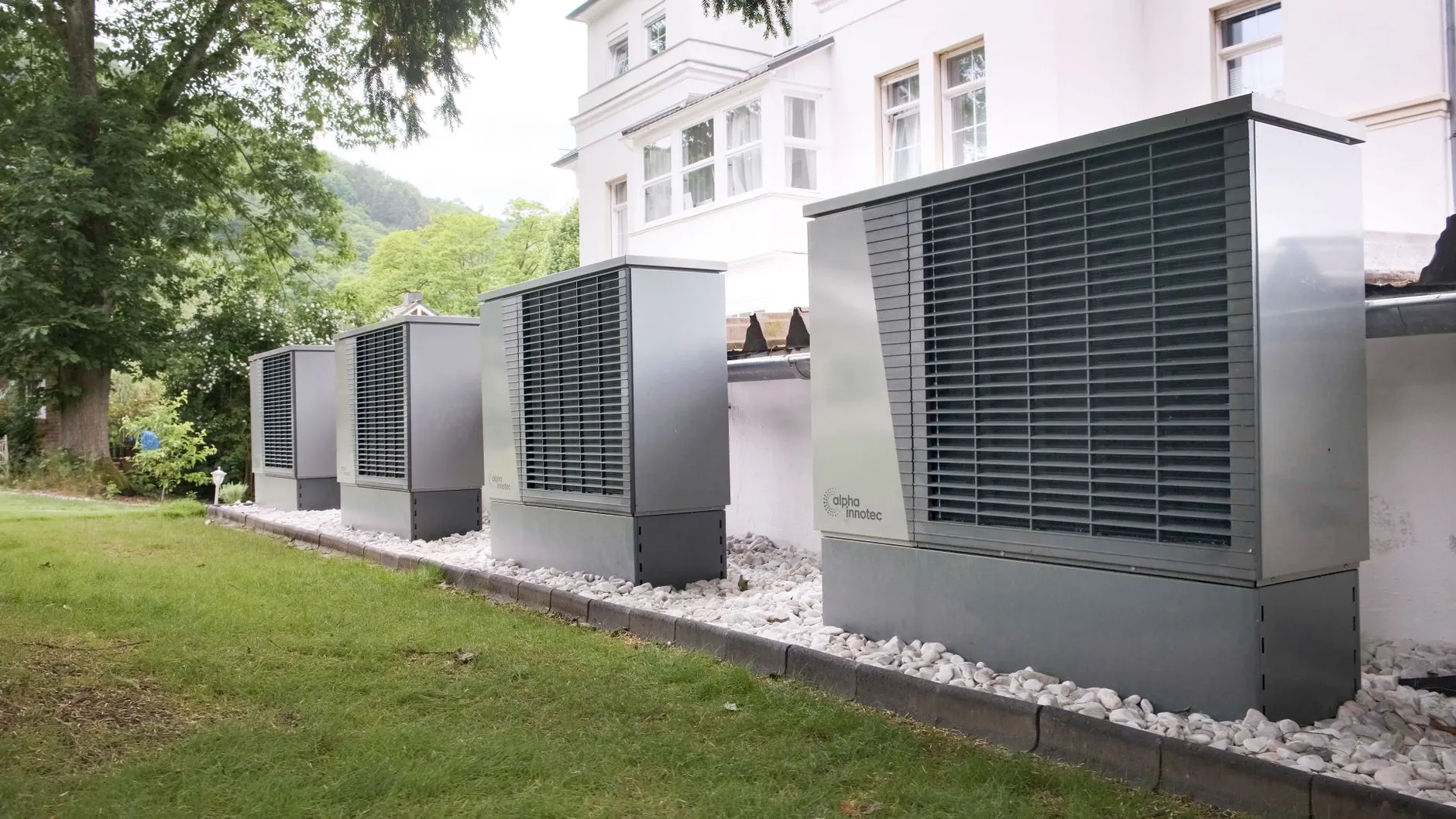
University of Birmingham campus replaces gas heating with electric heat pumps
Birmingham City University has removed gas boilers from its City South Campus in Edgbaston and replaced them with air-source heat pumps. The new system provides more than 1MW of heating and 1MW of cooling for the School of Health Sciences. This is one of the larger heat-pump installations in the UK higher education sector. The project was funded through a combination of public grant money and university capital.
The work forms part of a wider programme to cut emissions across the university estate. Birmingham City University secured £3.3 million in public grants for decarbonisation work at its Seacole and Pavilion buildings. The university contributed a further £450,000, bringing the total project value to approximately £3.8 million. The funding covered heat pumps, LED lighting, solar panels, chillers, insulation and building energy management systems.
City South Campus houses the university's health and life sciences faculties. Courses in health professions, nursing, midwifery, life sciences and social work are taught there. The Seacole Building, which is part of the campus, is used for health and social care teaching. Consequently, the campus requires reliable heating and cooling year-round to support laboratory work, clinical skills training and staff offices.
Scale of the heat pump installation at City South Campus
The combined output of more than 1MW for heating and 1MW for cooling indicates a substantial plant designed to serve a major academic building. Most UK heat pump projects in the public sector have been smaller domestic or light commercial installations. This project demonstrates that the technology can work at institutional scale where cooling demand is significant.
Air-source heat pumps extract heat from outdoor air and use it to warm buildings. They can also reverse the process to provide cooling during warmer months. This dual function makes them particularly useful for buildings with laboratories, teaching spaces and computer rooms that generate heat even in winter. The system at City South Campus replaces gas boilers that previously provided heating only.
The university already uses a mix of low-carbon technologies across its estate. These include solar panels, combined heat and power systems and biomass. Therefore, the heat pump installation at City South Campus is part of a broader transition rather than an isolated project. The university's environmental reporting describes the work as part of a Heat Decarbonisation programme to move buildings away from fossil-fuel heating.
Public funding drives decarbonisation in higher education buildings
The £3.3 million grant came from public funding streams designed to support decarbonisation and energy efficiency in the public sector. Universities are significant property holders in the UK. Many operate ageing buildings originally designed around gas or oil heating. Retrofitting these buildings to use electric heat is expensive and technically challenging. Public grants help bridge the funding gap.
Birmingham City University's contribution of more than £450,000 shows that institutions are expected to co-invest. Grants rarely cover the full cost of decarbonisation projects. However, the combination of public and private funding can make projects financially viable that would otherwise be delayed or abandoned. The total project cost of £3.8 million reflects the complexity of upgrading heating, cooling, lighting and building controls in a working academic building.
In addition to heat pumps, the project included LED lighting, solar panels, improved insulation and building energy management systems. These measures work together to reduce overall energy demand while shifting the remaining demand away from gas. Energy management systems allow buildings to use heat and electricity more efficiently by monitoring occupancy, weather and equipment loads. Insulation reduces heat loss, which in turn reduces the size and running cost of the heat pump system.
How the changes affect emissions and running costs
Replacing gas boilers with electric heat pumps eliminates direct combustion of natural gas at the campus. This removes Scope 1 emissions from the university's carbon footprint. However, the heat pumps still rely on grid electricity, which currently produces some emissions depending on the generation mix. As the UK electricity grid decarbonises further, the carbon intensity of running the heat pumps will fall.
Heat pumps are more efficient than gas boilers because they move heat rather than generate it through combustion. For every unit of electricity consumed, a well-designed air-source heat pump can deliver three or more units of heating. This efficiency advantage means lower running costs in many scenarios, particularly when electricity prices are stable and the building has good insulation.
Nevertheless, electricity remains more expensive per kilowatt-hour than gas. The financial case for heat pumps often depends on capital grants, lower maintenance costs and avoiding future carbon pricing on gas use. Universities also face pressure from students, staff and funding bodies to demonstrate progress on net-zero commitments. Decarbonising heating is one of the most visible and measurable steps they can take.
Cooling demand at City South Campus is also significant because of laboratory equipment, computing infrastructure and high occupancy in teaching spaces. Previously, cooling may have been provided by separate chiller systems. The heat pump installation allows heating and cooling to be managed through a single integrated system. This reduces capital cost, simplifies maintenance and improves overall energy efficiency.
Summary of the City South Campus heat pump project
- Birmingham City University replaced gas boilers with air-source heat pumps at its City South Campus in Edgbaston, providing more than 1MW of heating and 1MW of cooling.
- The project was funded by a £3.3 million public grant plus more than £450,000 from the university, totalling approximately £3.8 million.
- The work included heat pumps, LED lighting, solar panels, chillers, insulation and building energy management systems across the Seacole and Pavilion buildings.
- City South Campus houses the School of Health Sciences, including courses in nursing, midwifery, life sciences and social work.
- The installation is one of the larger heat pump projects in UK higher education and demonstrates the technology can work at institutional scale.
Why this project matters for other public sector organisations
Birmingham City University's heat pump project provides a working example of how large institutions can retrofit legacy buildings to remove gas heating. Many universities, hospitals, schools and local authority buildings face similar challenges. Their buildings were designed around gas boilers and cannot easily switch to electric heat without significant capital investment and technical redesign.
The combination of public grant funding and institutional co-investment offers a replicable model. Public bodies that can secure grant funding and commit their own capital can deliver projects of this scale. The project also shows that heat pumps can meet the heating and cooling needs of complex buildings with high and variable thermal loads. This is important because scepticism about heat pump performance in larger buildings remains a barrier to adoption.
For businesses supplying universities or other public sector organisations, decarbonisation projects like this one signal future changes to campus infrastructure. Contractors, equipment suppliers and energy consultants can expect more work retrofitting heating systems. Similarly, businesses located near universities may face questions about their own heating systems as institutions raise environmental standards for their supply chains.
Universities are also significant procurers of goods and services. As they improve their own carbon performance, they often extend environmental requirements to suppliers through tender processes. Businesses that sell to the public sector should anticipate more detailed questions about energy use, emissions and sustainability credentials. Demonstrating progress on heating decarbonisation can therefore improve competitiveness in public sector tenders.
What businesses should consider when reviewing heating systems
Commercial and industrial sites considering heat pump installations should assess several factors. First, the building's existing insulation and heat distribution system matter greatly. Heat pumps work best with good insulation and low-temperature heating systems such as underfloor heating or larger radiators. Buildings with poor insulation or old radiators may need additional upgrades to achieve acceptable performance.
Second, the balance between heating and cooling demand affects the business case. Buildings that need both heating in winter and cooling in summer can benefit more from reversible heat pump systems. Conversely, sites with heating-only demand may find the capital cost harder to justify without grant funding or carbon pricing on gas use.
Third, electricity supply and grid connection capacity can be a limiting factor. Large heat pump systems draw significant electrical power. Sites with constrained grid connections may need expensive upgrades to accommodate the additional load. In some cases, combining heat pumps with on-site solar generation or battery storage can reduce peak grid demand and improve economics.
Finally, the regulatory and financial landscape is changing. The UK government has committed to phasing out new gas boiler installations in non-domestic buildings, although timelines remain unclear. Carbon pricing, energy reporting requirements and public procurement rules are all moving in favour of electrified heat. Businesses that wait too long may face higher costs, fewer grants and tighter deadlines.
At SBS, we support businesses through carbon reporting and net-zero planning, including assessments of heating decarbonisation options. We also provide sustainable procurement guidance for suppliers to public sector organisations facing rising environmental standards. Our ESG compliance services help businesses understand changing energy regulations and prepare for stricter carbon reporting rules.
Where to find further information on heat pumps and public sector decarbonisation
The UK government provides detailed guidance on the Public Sector Decarbonisation Scheme, which funds projects like the one at Birmingham City University. Information on eligibility, application processes and technical requirements is available through the Department for Energy Security and Net Zero.
The Chartered Institution of Building Services Engineers publishes technical guidance on heat pump design and installation for non-domestic buildings. This includes advice on system sizing, integration with existing infrastructure and performance monitoring.
Businesses considering heat pumps for commercial or industrial sites should also review guidance from the Carbon Trust on technology selection and business case development. Additionally, Ofgem provides information on electricity grid capacity and connection processes for sites planning significant increases in electrical load.