
Bradford's £75m Low-Carbon Heat Network Goes Live
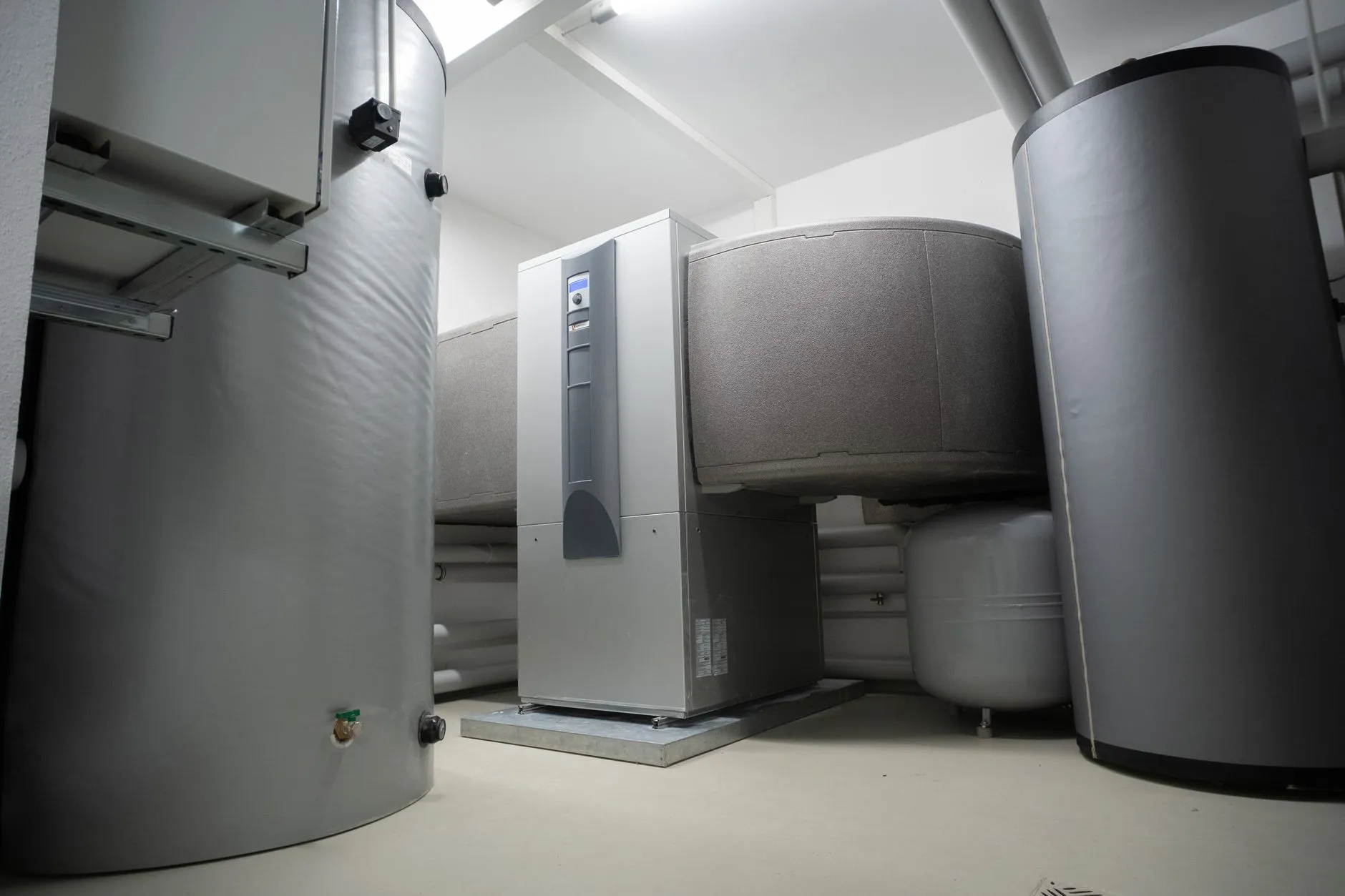
Bradford has switched on one of the largest air-source heat-pump district heating systems in the country. The £75 million Bradford Energy Network now supplies low-carbon heat to the city's town hall, university, college and courts from a new energy centre built on the site of a Victorian gasworks. The project marks a significant shift from the city's industrial past towards locally generated renewable heating infrastructure.
The scheme combines £55 million of private investment with £20 million from the government's Green Heat Network Fund. Furthermore, Bradford has secured an additional £9.7 million in government funding to extend the network southwards. Developers say the system could eventually serve around 10,000 homes alongside the public buildings already connected.
For businesses watching heat decarbonisation policy unfold, Bradford offers a working example of how urban heating infrastructure is changing. Consequently, the project raises practical questions about cost, reliability and the commercial case for district heating in other UK cities.
Air-source heat pumps replace Victorian gas infrastructure
The Thornton Road energy centre occupies the site where Bradford once produced town gas for street lighting and heating. Today, that same location houses a large array of air-source heat pumps that extract ambient heat from the surrounding air, raise its temperature and transfer it into water circulating through underground pipes.
The heated water travels through approximately 5 kilometres of insulated pipework laid beneath city-centre streets. Those pipes connect the energy centre to Bradford City Hall, the University of Bradford, Bradford College and the city's court buildings. The council describes City Hall as the first Grade I-listed building in England to connect to a district heat network.
A tall chimney remains visible at the Thornton Road site. However, it does not burn fuel continuously. Instead, the structure disperses water vapour produced during normal heat-pump operation. Backup gas boilers are installed for emergencies or equipment failures, but the system is designed to run primarily on electricity-powered heat pumps.
The network also includes thermal storage tanks and digital control systems. These features help balance supply and demand throughout the day, manage peak heating periods and improve overall efficiency. The storage capacity allows the system to generate heat when electricity is cheaper or less carbon-intensive, then release it when buildings need it most.
Public buildings anchor the initial phase
The first phase of the network connects large public and educational institutions with substantial heating requirements. These anchor customers provide a stable baseline of demand that makes the economics of district heating viable during the early years of operation. Bradford City Hall alone represents a significant heat load, given the size and age of the building.
The underground pipework was installed alongside Bradford's wider city-centre redevelopment works, including pedestrianisation programmes. Coordinating the infrastructure installation with those works reduced disruption and avoided the need to repeatedly dig up the same streets. Consequently, the network reached major buildings before the energy centre began generating heat.
The system remains open to new connections. Residential developments, commercial buildings and additional public facilities can join the network as it expands. However, growth depends on further construction, investment and commercial agreements between the network operator and property owners.
1Energy, the company delivering the scheme, expects emissions from connected buildings to fall by at least 75% compared to their previous heating systems. The actual reduction will depend on how efficiently the heat pumps operate, the carbon intensity of the electricity grid and how often backup boilers are needed. The stated objective is for the network to reach zero carbon operation by 2040.
Southern extension receives government backing
Bradford has received a further £9.7 million from the Green Heat Network Fund to support a southern extension of the network. This second phase is expected to connect St Luke's Hospital, 255 homes and seven schools and colleges to the system. The expansion will extend the network's reach beyond the initial cluster of public buildings in the city centre.
District heating schemes typically become more economically efficient as they grow. The fixed costs of the energy centre and initial infrastructure are spread across a larger number of customers. Additionally, connecting residential properties provides a more consistent heating demand throughout the day and across seasons, complementing the patterns of public buildings.
Bradford Council's infrastructure planning documents identify the heat network as a strategic project for the city centre. The council has listed the scheme as a £75 million investment combining private finance with central government grants. Planning documents also describe the potential for further extensions beyond the currently funded phases.
Existing buildings and public procurement considerations
Bradford's scheme illustrates how heat networks can supply existing buildings through retrofitted connections. The city hall, university buildings and courts were not designed with district heating in mind. Connecting them required modifications to internal heating systems and new pipework linking each building to the main distribution network.
For businesses supplying public-sector organisations, the project demonstrates how local authorities are changing their energy infrastructure to meet climate commitments. Public buildings connected to low-carbon heat networks can show lower operational emissions in carbon reporting, which may influence how councils evaluate their own supply chains and procurement criteria.
The shift towards district heating in city centres could affect tender requirements for construction, facilities management and energy services. Contractors working on public buildings may need to understand how existing heating systems can connect to district networks. Similarly, facilities management contracts may need to address service arrangements with heat network operators rather than managing individual boilers.
Businesses leasing space in buildings connected to heat networks face different arrangements than those with independent heating systems. Instead of controlling their own boiler and fuel supply, tenants receive heat through the building's connection to the network. Therefore, lease terms, service charges and energy cost allocation become important commercial considerations.
What Bradford's approach reveals about heat decarbonisation
Heat accounts for roughly half of the UK's total energy consumption, yet it remains heavily reliant on natural gas. Decarbonising heating is widely recognised as one of the more challenging aspects of reaching net zero. Bradford's network represents one approach to that challenge, particularly suited to dense urban areas where multiple buildings sit close together.
Several features make the Bradford model noteworthy. The heat-pump installation is among the largest of its type operating in the UK. The distribution network crosses a city centre rather than serving a single development or campus. Public-sector buildings form the foundation customer base, providing the demand needed to justify the initial infrastructure investment.
The project also repurposes a site with industrial heritage. The former gasworks once supplied fossil fuel for heating and lighting. Now the same location houses equipment that generates heat without combustion, using electricity to extract warmth from the air. This transformation carries symbolic weight, but the practical question is whether the model can expand affordably while maintaining reliable service.
Electricity costs will significantly influence operating expenses. Air-source heat pumps consume power to run compressors and pumps. Consequently, the network's running costs depend on wholesale electricity prices and the availability of lower-cost power during off-peak periods. The carbon benefit also depends on how the electricity itself is generated, though the UK grid continues to reduce its carbon intensity as renewable generation increases.
Reliability presents another consideration. Backup gas boilers remain part of the system to cover equipment failures or exceptional demand during cold weather. These boilers mean the network cannot claim to be entirely gas-free at launch. However, they provide a safety margin while the heat-pump infrastructure proves itself under varying conditions and seasonal demand.
Five essential details about Bradford's heat network
- The £75 million Bradford Energy Network combines £55 million of private capital with £20 million from the government's Green Heat Network Fund, creating one of the UK's largest air-source heat-pump district heating systems.
- The network currently supplies heat through 5 kilometres of underground pipework to Bradford City Hall, the University of Bradford, Bradford College and the city's courts, with the town hall becoming the first Grade I-listed building in England to connect to a district heat network.
- An additional £9.7 million in government funding will support a southern extension connecting St Luke's Hospital, 255 homes and seven schools and colleges to the system.
- The energy centre on Thornton Road occupies the site of a Victorian gasworks, using air-source heat pumps to generate heat with backup gas boilers available for emergencies.
- Emissions from connected buildings are expected to fall by at least 75% compared to their previous heating systems, with the stated objective of reaching zero-carbon operation by 2040.
Commercial realities shaping district heating expansion
The long-term success of Bradford's network will depend on factors beyond the initial construction phase. Customer growth is essential to the economics of the scheme. As more buildings connect, the fixed costs of the energy centre and main distribution pipes are shared across a larger base. However, expansion requires additional investment in pipework, connection equipment and legal agreements with property owners.
Transparent pricing will influence how quickly the network can attract new customers. Building owners and tenants need clear information about tariffs, how costs compare to alternative heating options and how savings are distributed between the network operator and customers. If heat from the network costs significantly more than gas boilers, uptake will slow despite the environmental benefits.
System efficiency matters both environmentally and commercially. Heat networks lose some energy through the distribution pipes, even with insulation. The efficiency of the heat pumps themselves varies with outdoor temperature and operating conditions. Minimising these losses keeps operating costs down and strengthens the environmental case for the technology.
Public confidence depends on consistent service and clear communication. Customers connecting to the network give up control over their heating equipment. They rely on the operator to maintain reliable heat supply throughout the year. Any significant service interruptions or billing disputes could damage the network's reputation and slow expansion efforts.
For businesses considering similar projects elsewhere, Bradford demonstrates that district heating can work at city scale with the right combination of funding, planning and anchor customers. Nevertheless, replicating the model requires suitable sites for the energy centre, sufficient density of heat demand, capital to fund infrastructure and access to government support programmes. Not every town or city will find those conditions easy to meet.
Implications for climate strategy and supply chains
Bradford's heat network fits within wider government policy to decarbonise heating across the UK. The Green Heat Network Fund, which provided £20 million towards the initial project and a further £9.7 million for the extension, exists specifically to support low-carbon district heating schemes. Consequently, other local authorities with suitable conditions may pursue similar projects using the same funding route.
For suppliers to the public sector, this trend suggests changes ahead in how buildings are heated and maintained. Carbon reporting requirements for public-sector suppliers increasingly examine Scope 3 emissions, which can include energy use in buildings. Organisations leasing space in council-owned buildings may find their reported emissions change when the building connects to a low-carbon heat network.
Construction firms, engineering consultancies and facilities management companies may see demand for skills in district heating design, installation and operation. Heat networks require different expertise than individual boiler installations. The planning, hydraulic design, control systems and ongoing maintenance involve specialised knowledge that some parts of the UK construction sector have limited experience with.
Manufacturers of heat pumps, thermal storage equipment and insulated pipework could see increased demand if more cities follow Bradford's approach. However, the market remains relatively small compared to the gas boiler sector. Growth depends on continued government funding, supportive regulation and confidence among local authorities that the technology can deliver reliable, affordable heat at scale.
The presence of backup gas boilers in Bradford's system highlights a practical reality. During the transition to low-carbon heating, hybrid systems that combine renewable technology with conventional backup may be necessary to maintain service reliability. This affects procurement decisions, maintenance contracts and carbon accounting for connected buildings.
Where to find detailed information
The Department for Energy Security and Net Zero administers the Green Heat Network Fund, which provides capital grants for low-carbon district heating projects across England and Wales. The fund's guidance documents set out eligibility criteria, application processes and technical requirements for schemes seeking government support.
Bradford Council publishes information about the city's heat network and wider infrastructure planning through its official website. The council's planning documents and policy statements describe how the district heating system fits within broader regeneration and climate strategies for the city centre.
The Department for Energy Security and Net Zero's heat network policy framework provides context for how district heating supports national climate objectives. The Heat Networks: Building a Market Framework sets out the government's approach to developing the sector, including regulation, consumer protection and technical standards.
For businesses evaluating their own heating options or considering supply-chain implications, support with ESG compliance and carbon reporting can help clarify how changes to building energy systems affect reported emissions and regulatory obligations. Understanding these connections becomes increasingly important as public and private sector organisations face growing scrutiny of their environmental performance.