
bremenports Publishes First Sustainability Report Under European VSME Standard
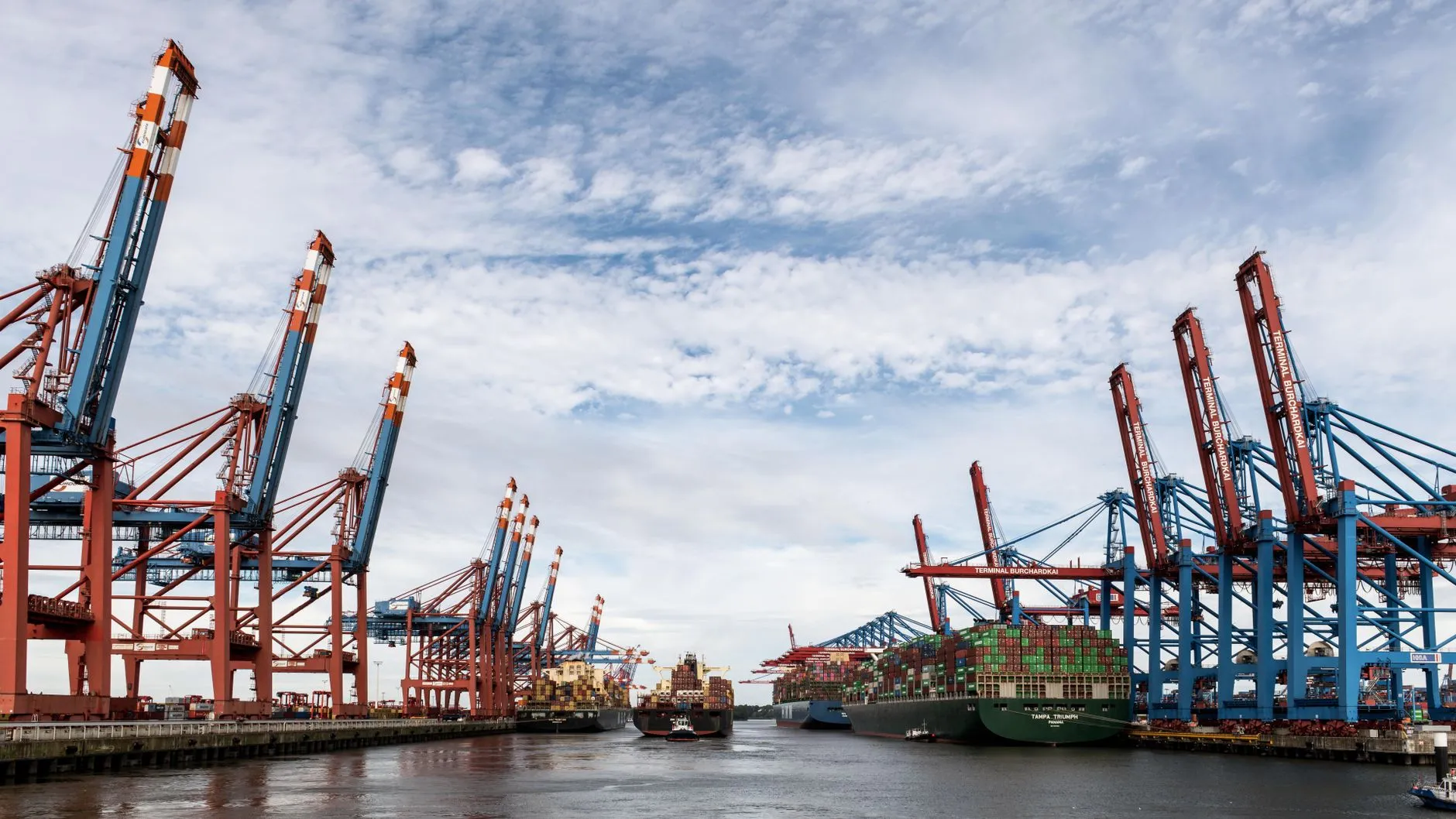
A German port authority has become one of the first public infrastructure operators to adopt Europe's new voluntary sustainability reporting standard for small and medium businesses. The move offers a preview of how reporting expectations are changing for UK companies that sit outside mandatory disclosure regimes but still face pressure from banks, customers and supply chains to provide structured environmental and social data.
bremenports, the state-owned company managing the ports of Bremen and Bremerhaven, published its tenth sustainability report in early 2025. For the first time, the report follows the Voluntary Sustainability Reporting Standard for SMEs, known as VSME. The framework was developed by the European Financial Reporting Advisory Group and delivered to the European Commission in December 2024.
The standard is designed for businesses with fewer than 250 employees that fall outside the scope of the Corporate Sustainability Reporting Directive. However, bremenports' decision to adopt it reflects a wider trend. Many smaller organisations now find themselves caught between voluntary and mandatory reporting. They may not be legally required to disclose sustainability performance, yet they face growing demands from lenders, procurement teams and large corporate customers.
Consequently, the VSME framework attempts to solve a practical problem. Instead of responding to dozens of inconsistent questionnaires, companies can provide a single standardised report. That report can be used to support green finance applications, respond to tender requirements and satisfy supply chain due diligence requests.
VSME replaces older international framework for Bremen ports
bremenports had prepared sustainability reports using Global Reporting Initiative standards since 2013. GRI remains the most widely used international framework, particularly among larger organisations and those with global operations. Nevertheless, the port authority decided to switch to VSME for its 2024 and 2025 financial years.
The European framework offers two modules. The Basic Module includes core disclosures on greenhouse gas emissions, environmental performance, workforce data and business conduct. The Comprehensive Module adds information typically requested by banks and investors, including transition plans, emissions reduction targets and selected value chain risks.
bremenports applied both modules. The report covers not only the company's own activities but also the special funds for the ports and fishing port it manages. This broader scope reflects the public governance structure common in German port management, where infrastructure is owned by the state but operated through a commercial entity.
In addition, bremenports supplemented the VSME framework with a double materiality assessment. This assessment examines two dimensions: the impact of port operations on the environment and society, and the way external environmental, social and economic developments might create risks or opportunities for the organisation. Double materiality is a core principle of the European Sustainability Reporting Standards, which apply to larger companies under the Corporate Sustainability Reporting Directive.
Why ports face particular sustainability reporting challenges
Port authorities operate at the intersection of infrastructure, logistics, energy and environmental regulation. Their sustainability footprint extends far beyond office operations. Emissions sources include port equipment, buildings, land use, dredging, waste management and the activities of tenants and shipping operators.
Moreover, ports are expected to provide infrastructure for the energy transition. This includes facilities for alternative fuels such as hydrogen and ammonia, shore power for vessels, renewable energy imports and the logistics networks needed for offshore wind construction. These activities create both environmental responsibilities and commercial opportunities.
Reporting frameworks originally designed for manufacturing or service businesses do not always fit this context. Port authorities need to account for emissions they do not directly control, environmental impacts that span decades, and infrastructure investments whose climate benefits depend on future demand. A double materiality assessment helps clarify which issues matter most, both for the port's own strategy and for external stakeholders.
For bremenports, the assessment highlighted areas where climate change, new environmental requirements and shifting energy markets could affect long term financial and operational performance. It also identified where port activities influence local air quality, biodiversity, employment conditions and regional economic resilience.
Scope 3 emissions disclosure remains incomplete but planned
One significant gap in current reporting is Scope 3 emissions data. Scope 1 emissions come from sources the organisation owns or controls, such as vehicles and heating systems. Scope 2 emissions come from purchased electricity and heat. Scope 3 emissions arise from the wider value chain, including contractors, business travel, purchased goods, tenants and, potentially, shipping activity within the port area.
bremenports has stated that the transition to VSME will bring more extensive Scope 3 information in future reports. Comprehensive figures were not available at the time the environmental report was published. This reflects a common challenge. Scope 3 accounting requires data from multiple third parties, clear boundary definitions and often complex allocation decisions.
For a port, Scope 3 emissions can dwarf direct operational emissions. Shipping, freight handling, warehousing and construction activity all generate significant carbon outputs. However, the extent to which these emissions should be attributed to the port authority, rather than to shipping lines or cargo owners, remains a matter of methodological debate.
Nevertheless, banks and corporate customers increasingly expect Scope 3 disclosure. Therefore, the commitment to expand this reporting is commercially relevant, not just a technical accounting exercise.
How double materiality shapes infrastructure planning
The double materiality assessment used by bremenports is not required under the VSME standard itself. The port authority chose to include it, aligning the approach with European Sustainability Reporting Standards. This decision suggests that voluntary frameworks may be used more rigorously than their minimum requirements imply, particularly by public sector bodies or organisations operating in regulated or scrutinised sectors.
Double materiality works in two directions. It asks what the organisation does to the environment and society, but also what external sustainability trends mean for the organisation's risk profile and strategy. For infrastructure operators, this dual perspective is especially relevant. Port development decisions made today will shape emissions, land use and biodiversity for decades. Meanwhile, climate related disruption, changing fuel markets and new environmental legislation can affect revenue, operating costs and asset values.
The assessment can therefore inform capital planning, risk management and stakeholder engagement. It provides a structured way to connect sustainability performance with long term financial planning, rather than treating environmental reporting as a compliance task separate from core business decisions.
Essential details about the Bremen sustainability report
- bremenports published its tenth sustainability report in early 2025, covering the 2024 and 2025 financial years.
- The report uses the European Voluntary Sustainability Reporting Standard for SMEs, replacing the Global Reporting Initiative framework applied since 2013.
- Both the Basic Module and Comprehensive Module of VSME have been applied, alongside a double materiality assessment aligned with European Sustainability Reporting Standards.
- The report covers bremenports and the special funds for the ports and fishing port managed by the company.
- Future reports are expected to include more comprehensive Scope 3 emissions data, which was not fully available in the current reporting period.
- The VSME framework was developed by the European Financial Reporting Advisory Group and delivered to the European Commission in December 2024.
- The standard is designed for non listed companies with fewer than 250 employees that are not subject to mandatory Corporate Sustainability Reporting Directive requirements.
What UK businesses should consider about voluntary reporting standards
The European VSME framework is not directly applicable in the UK. However, it illustrates where reporting expectations are heading, particularly for companies that work with European customers, receive funding from European banks or participate in cross border supply chains. UK businesses in similar positions face comparable pressures, even if the regulatory architecture differs.
Many UK SMEs are asked for sustainability data by procurement teams, especially when bidding for public sector contracts or working with large corporate buyers. The questions often vary between customers, creating duplication and inefficiency. A standardised voluntary framework can reduce that burden, provided it covers the information requesters actually need.
Furthermore, banks are increasingly incorporating environmental and social factors into lending decisions. Access to green finance, lower interest rates and certain grant programmes can depend on credible sustainability reporting. A voluntary framework that meets lender expectations can therefore have direct financial benefits.
UK companies should also pay attention to double materiality, even if not legally required to assess it. Understanding how your business affects the environment and society, and how environmental and social trends might affect your business, is basic risk management. It can inform decisions about capital investment, supply chain resilience, workforce planning and product development.
For port operators, logistics companies, construction firms and infrastructure providers, materiality assessments can clarify which sustainability issues genuinely matter and which are peripheral. This focus helps prioritise limited resources and avoid generic reporting that satisfies no one.
Additionally, Scope 3 emissions reporting is becoming unavoidable. Large customers are setting net zero targets that require engagement with their supply chains. If your customers are measuring their Scope 3 emissions, your operations become part of their data request. Having credible emissions data, even if disclosure is not yet mandatory, can protect commercial relationships and support contract renewals.
SBS works with businesses to prepare for these reporting expectations through our compliance and carbon reporting services. We help clients understand which frameworks apply to their situation, what data they need to collect and how to present sustainability performance in ways that meet procurement, finance and regulatory requirements.
Where to find guidance on voluntary sustainability reporting
UK businesses looking for authoritative information on sustainability reporting frameworks should consult several key sources. The European Financial Reporting Advisory Group publishes detailed guidance on the VSME standard, including implementation support and technical advice, available through its official website.
The Department for Energy Security and Net Zero provides policy updates on UK sustainability disclosure requirements, including guidance on emissions reporting and net zero planning for businesses. The department's resources cover both mandatory and voluntary reporting expectations.
For businesses working on carbon measurement and reporting, the government's greenhouse gas reporting conversion factors provide the official emissions data needed for UK reporting. These are updated annually and cover Scope 1, Scope 2 and many Scope 3 emission sources.
The Global Reporting Initiative remains the most widely used international framework and offers extensive free resources, including sector specific guidance. Companies considering which framework to adopt should review both GRI and emerging European standards to understand which best fits their reporting obligations and stakeholder expectations.
Finally, businesses subject to procurement requirements should review Procurement Policy Note 06/21, which sets out how carbon reduction plans are assessed in UK public sector tenders. Understanding these requirements can help shape voluntary reporting in ways that support commercial objectives as well as environmental accountability.