
Britain’s grid upgrade plans expected to deliver £58bn economic boost
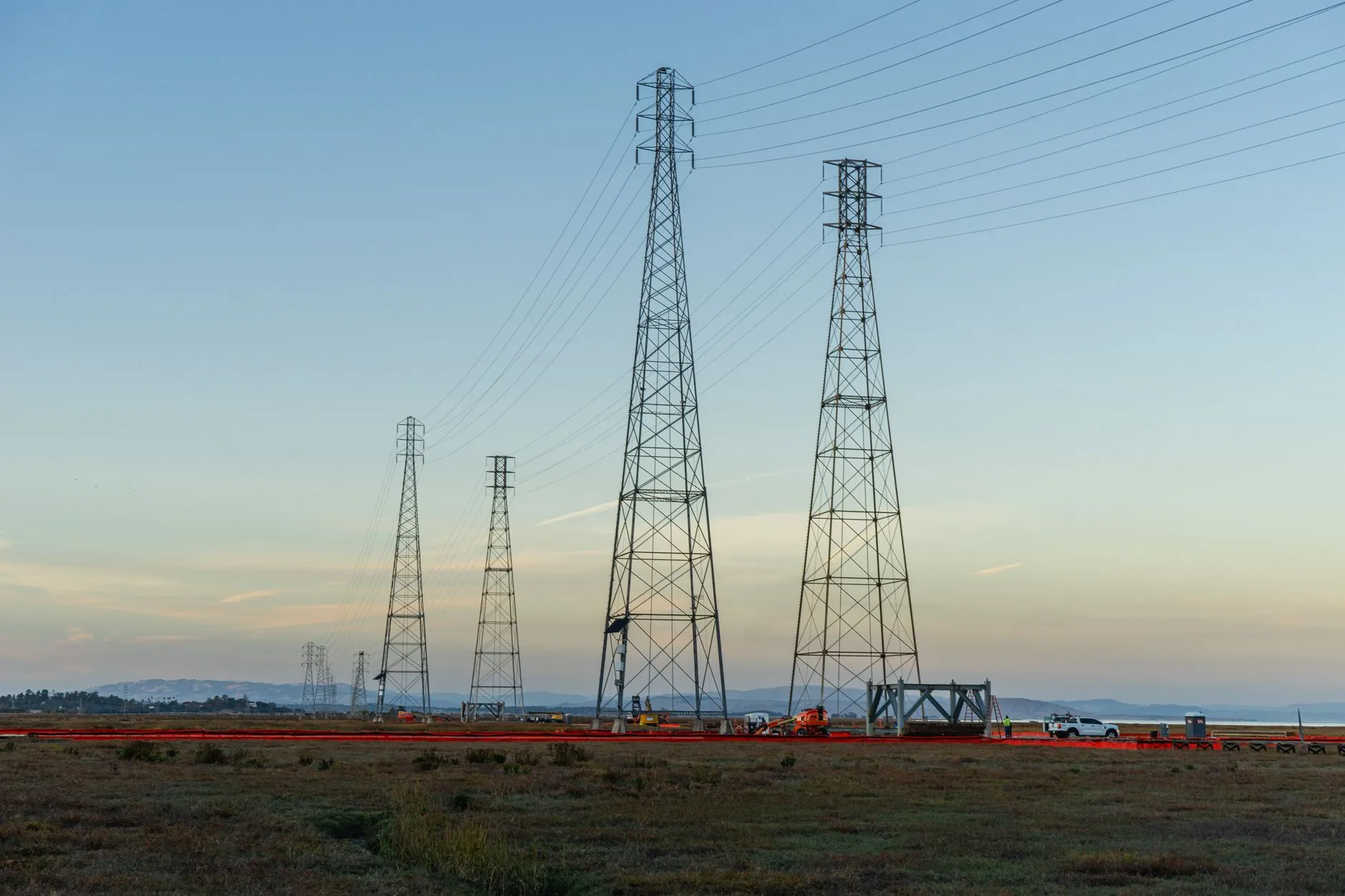
Britain is preparing for the largest expansion of its electricity grid in a generation. Network companies and their suppliers expect to invest around £200 billion over the next decade. According to recent analysis, that spending could generate an economic boost of approximately £58 billion through direct construction activity, manufacturing orders, employment growth and productivity gains.
The expansion is designed to connect new renewable generation, support the shift from fossil fuels to electric transport and heating, and lay the infrastructure foundation for net zero. However, the scale of the investment raises important questions about delivery, cost control and whether domestic manufacturing priorities can be reconciled with value for money.
For small and medium businesses, the programme matters for several reasons. Faster connections could reduce delays for firms seeking to expand or electrify. New infrastructure may improve energy security and access to low-cost renewable power. Meanwhile, the supply-chain activity creates commercial opportunities for manufacturers, contractors and specialist service providers.
Nevertheless, the investment will ultimately be recovered through regulated network charges on energy bills. The challenge is to build capacity quickly enough to avoid bottlenecks without locking consumers into expensive infrastructure that proves surplus to requirements.
Why electricity demand is set to rise sharply
The electricity system is entering a period of structural change. Ofgem describes the current moment as a once-in-a-century period of grid expansion. Demand could double by 2050 as transport, heating and industrial processes move away from gas and oil.
Britain's distribution networks currently comprise approximately 800,000 kilometres of infrastructure serving 30 million customers. Much of that network must be reinforced or replaced while new transmission links are built to move power from generation centres to population and industrial hubs.
Offshore wind, solar farms, battery storage and other low-carbon projects require connections to transmission and distribution networks. Those connections have been delayed by years in many cases, even when the underlying generation investment was ready to proceed. Consequently, clearing the backlog and building capacity ahead of demand have become central priorities for both Ofgem and government.
The grid is also essential to the government's ambition for a largely clean power system by 2030 and the statutory target of net zero greenhouse-gas emissions by 2050. Without sufficient network capacity, renewable power cannot be moved efficiently from where it is generated to where it is needed.
How the £58 billion economic benefit is expected to arise
The projected economic boost would come through several channels. Direct spending on grid construction, engineering and maintenance forms the largest component. Orders for British manufacturers producing cables, transformers, switchgear and control systems contribute a further share.
Employment in engineering, construction, manufacturing and project management is expected to grow substantially. Ofgem reports that turnover among UK network-manufacturing companies has increased by more than 25% since 2023. Employment in the same sector has risen by more than 50% over the same period.
The regulator expects the expansion programme to require tens of thousands of specialised workers in engineering, production and quality assurance. National Grid separately told Parliament that its wider investment programme could support 55,000 additional UK jobs by the end of the decade.
Productivity gains from faster connections for businesses and new electricity generation also contribute to the overall economic case. Local economic activity around major infrastructure projects provides a further boost, particularly in regions where manufacturing and construction employment have declined in recent decades.
Recent company-level investments illustrate the trend. Siemens Energy committed £2 million to its Newcastle production facilities, adding 65 jobs to an existing workforce of around 550. Schneider Electric announced nearly £50 million for facilities in Leeds and Scarborough, creating more than 100 jobs. Winder Power invested £3.5 million to expand its Leeds factory, creating 40 jobs. Early approval for the Shetland Link 2 project helped support Britain's first high-voltage direct-current cable factory, expected to create 150 jobs.
Regulatory approvals begin to unlock spending
Ofgem's regulatory framework is designed to give network operators enough certainty to make long-term investments while limiting unnecessary costs for consumers. The regulator's RIIO-3 price control has approved £28.1 billion of upfront investment for transmission-network reinforcement, connections and asset replacement.
Transmission investment between 2026 and 2031 could exceed £70 billion, according to Ofgem's supply-chain assessment. Distribution investment could reach £50 billion by 2050. For local distribution networks, Ofgem has set out rules for companies' 2028 to 2033 business plans.
The regulator is taking a phased approach because the timing and location of electrification remain uncertain. Electric vehicles, heat pumps and industrial demand could develop in patterns that differ from current forecasts. Therefore, the policy challenge is to build infrastructure quickly enough to avoid bottlenecks without committing consumers to expensive assets that may not be needed.
Ofgem has emphasised delivery, cost control and the need to adjust investment as demand forecasts develop. The regulator has also stressed that timely investment can reduce longer-term costs by avoiding congestion, delays and expensive reliance on alternative generation.
Connection reform and the queue for new projects
A major constraint has been the queue for connecting new generation and large electricity users. Projects have often waited years for network capacity, even when the underlying generation or industrial investment was ready to proceed. Government proposals on strategic connections aim to remove projects that are unlikely to progress and prioritise developments that support economic growth and the clean-power transition.
The government estimates that a more strategic approach could avoid up to £5 billion in unnecessary reinforcement costs for billpayers. Faster connections could help unlock up to £40 billion a year in predominantly private investment in clean-power projects and related infrastructure.
Transmission upgrades are also being accelerated. Ofgem's Accelerated Strategic Transmission Investment framework covers 26 strategically important projects designed to expand capacity and connect renewable generation more quickly. These projects address the geographic mismatch between electricity generation and demand.
Offshore wind and other renewable resources are often located far from major cities and industrial clusters. Consequently, new transmission capacity is essential if that power is to reach consumers and businesses efficiently.
What network investment means for energy bills
The economic benefits must be weighed against the fact that network investment is ultimately recovered through regulated charges on energy bills. Ofgem has stressed that timely investment can reduce longer-term costs. One Ofgem speech cited National Audit Office analysis suggesting that timely transmission upgrades could save consumers £30 to £60 a year compared with delaying investment.
However, the near-term effect is more complicated. A recent estimate cited by i newspaper said approved network investment could add roughly £108 to annual household bills by 2031. That figure comprises approximately £48 for gas and £60 for electricity. Wider system savings could offset around £80, leaving a net increase of about £30 or less than £3 a month.
The final impact will depend on construction costs, financing, supply-chain conditions, connection reform and whether the new infrastructure is used efficiently. Delays could increase costs. Inadequate investment could leave renewable power curtailed and businesses waiting for connections.
For businesses, the bill impact will vary according to energy consumption and the mix of transmission and distribution charges. Firms with high electricity demand may see larger absolute increases, though the relative impact depends on overall energy costs and operational margins.
Industrial policy and the case for domestic supply chains
The grid programme is being presented as an opportunity to rebuild British industrial capacity. Greater domestic production could reduce exposure to international supply disruptions, shorten supply chains and create long-term demand for skilled manufacturing.
Ofgem has argued that sourcing equipment locally can support economic growth and employment while improving supply-chain resilience. The government has considered giving greater weight to domestic jobs and skills when network companies select contractors.
That approach creates a policy tension. Prioritising British manufacturing may strengthen strategic capabilities and regional economies. However, domestic suppliers can sometimes have higher upfront costs than overseas competitors. If those costs are passed through to consumers, the industrial benefits would need to justify the additional bill impact.
Consequently, the success of the strategy will depend not simply on the total amount invested. It will depend on whether projects are delivered competitively, on schedule and with measurable benefits for workers and communities.
For businesses in the supply chain, the opportunity is substantial. Network companies are seeking long-term relationships with suppliers who can deliver quality, reliability and innovation. Firms that can demonstrate technical capability and competitive pricing may secure multi-year contracts that provide revenue stability and support workforce planning.
Summary of the key figures
- Estimated total investment over the next decade is approximately £200 billion.
- Projected economic boost from grid expansion is around £58 billion.
- Transmission investment between 2026 and 2031 could exceed £70 billion.
- Distribution investment could reach £50 billion by 2050.
- Electricity demand could potentially double by 2050.
- Britain's existing distribution network comprises about 800,000 kilometres serving 30 million customers.
- National Grid estimates that its investment programme could support 55,000 additional UK jobs by the end of the decade.
- Connection reform could avoid up to £5 billion in unnecessary reinforcement costs for billpayers.
What businesses should consider as the programme develops
The grid expansion represents both opportunity and obligation for UK businesses. Firms in manufacturing, engineering and construction should assess whether their capabilities align with network companies' procurement requirements. Supply-chain opportunities are likely to favour businesses with established quality systems, relevant accreditations and capacity for multi-year commitments.
Businesses planning significant capital investment should also monitor connection timescales. If your firm is considering electrification, site expansion or on-site generation, early engagement with your distribution network operator can help identify constraints and avoid costly delays. Connection reform is intended to accelerate approvals, but timelines remain uncertain for many project types.
Energy-intensive businesses should track the bill impact of network investment. While the net increase may be modest for households, firms with high consumption could see material changes to their network charges. Understanding how those costs are structured and whether they can be managed through demand flexibility or contract negotiation will become more important.
Businesses tendering for public-sector contracts should also be aware that sustainable procurement and net-zero commitments are becoming standard requirements. Carbon reporting compliance and credible reduction plans are increasingly expected. The grid expansion supports the broader transition, but individual businesses still need to demonstrate their own progress.
For firms considering renewable energy procurement, the expansion should eventually improve access to low-cost generation. However, the timing and location of new capacity will vary. Businesses should consider whether long-term power purchase agreements or on-site generation align with their operational needs and risk appetite.
Finally, businesses should prepare for a more electrified future. The grid investment assumes substantial growth in electric vehicles, heat pumps and industrial electrification. Firms that plan ahead can manage the transition more smoothly and potentially benefit from lower long-term energy costs. Those that delay may face higher costs, limited capacity and competitive disadvantage.
Where to find authoritative guidance and updates
Ofgem publishes detailed information on network regulation, investment decisions and consumer protection. Its supply-chain analysis and forward work programme provide insight into regulatory priorities and timelines. Visit Ofgem's website for the latest updates.
The Department for Energy Security and Net Zero sets strategic policy for the electricity system and publishes consultations on connection reform, transmission planning and industrial strategy. Government guidance is available at gov.uk.
National Grid's website includes information on transmission projects, connection processes and investment plans. Businesses seeking connections or contract opportunities should consult the relevant network operator directly.
For businesses seeking support with carbon reporting, procurement or net-zero planning, SBS compliance services provide tailored guidance on regulatory requirements and practical implementation. SBS Academy also offers training on energy management and sustainability topics relevant to the changing electricity system.