
Cabinet Tightens Sustainability Rules for Biomass
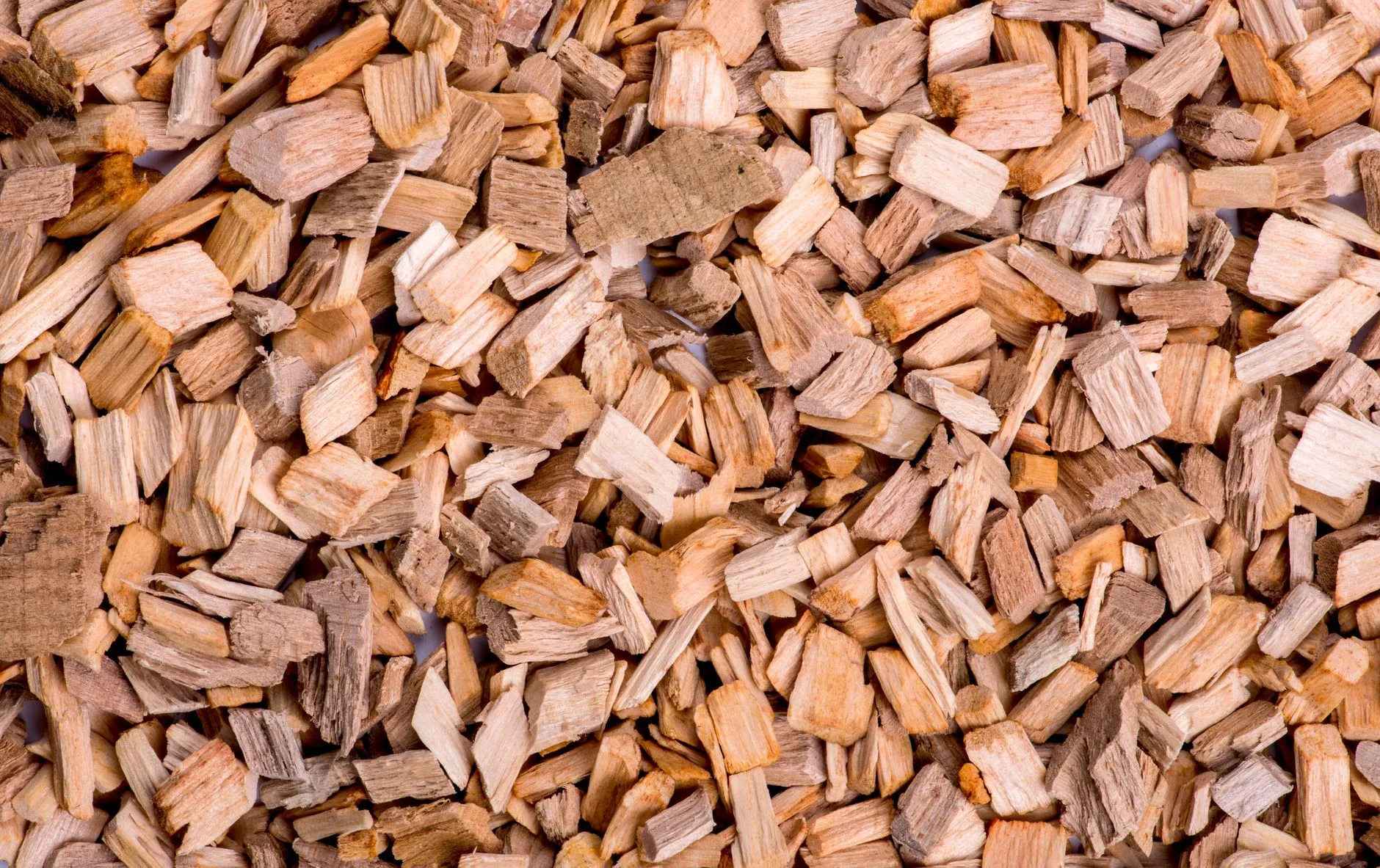
Germany has approved sweeping changes to its bioenergy regulations. The Federal Cabinet adopted amendments to two key ordinances governing biomass electricity and biofuels on 28 October 2026. These reforms implement the European Union's revised Renewable Energy Directive and establish stricter environmental and traceability requirements across the bioenergy sector.
The changes mark a fundamental shift in how Germany regulates renewable energy from biological sources. Previously, biomass enjoyed broad support as a renewable resource. Now, operators must prove their fuel delivers genuine climate benefits and comes from verifiable, sustainable sources.
For UK businesses with German operations or supply chains, these reforms create new compliance obligations. They also signal a wider European trend towards more rigorous sustainability criteria for bioenergy. Companies exporting biomass products to Germany or operating facilities there will need to understand how the new rules affect their operations.
Lower certification thresholds bring smaller plants into scope
The most immediate change affects solid biomass power plants. The threshold for mandatory sustainability certification has dropped from 20 megawatts to 7.5 megawatts of total thermal input. Consequently, hundreds of smaller facilities now fall under certification requirements for the first time.
This expansion means plant operators must document their fuel's origin and sustainability credentials. They will need to work with approved certification bodies and maintain detailed records of their biomass supply chains. For many smaller operators, this represents a significant administrative burden they have not faced before.
The German government introduced this change to close a regulatory gap. Smaller plants collectively consume substantial amounts of biomass. However, they previously operated outside formal sustainability oversight. The Federal Office for Agriculture and Food will oversee compliance and has gained expanded inspection powers under the new framework.
UK businesses supplying wood pellets, chips or other solid biomass to German facilities should expect increased documentation requirements. Buyers will demand proof of sustainable sourcing to meet their own certification obligations. This mirrors similar trends in UK regulations around biomass sustainability.
Greenhouse gas savings requirements increase for new installations
Plants commissioned after 20 November 2023 face tougher climate performance standards. The required greenhouse gas saving has risen from 70 percent to 80 percent compared to fossil fuel alternatives. This applies to facilities seeking support under Germany's Renewable Energy Sources Act, known as the EEG.
Existing plants generally retain their earlier requirements. Most facilities already receiving EEG support before November 2023 can continue under previous RED II standards until the end of 2030. This transitional arrangement protects operating plants from retrospective rule changes that could undermine their business models.
Nevertheless, the higher threshold for new plants raises the bar significantly. Operators must demonstrate their biomass delivers substantial carbon reductions across the full lifecycle. This includes emissions from cultivation, processing, transport and combustion. Plants burning low-grade or heavily processed biomass may struggle to meet the 80 percent target.
The distinction between new and existing facilities creates a two-tier system. Meanwhile, it preserves the economics of current operations while driving higher environmental standards for future investments. UK companies planning German biomass projects need to factor these stringent carbon calculations into feasibility studies.
Forest protection rules limit high-value wood use for energy
Germany has strengthened safeguards for forests and sensitive ecosystems. The revised ordinances clarify sustainability requirements for wood residues and restrict biomass sourced from old-growth forests, peatlands and heathlands. These provisions implement RED III protections for biodiversity and carbon-rich landscapes.
A parallel reform to the Biomass Ordinance takes this further. Several categories of valuable forest material will generally lose eligibility for EEG support. This includes sawn timber logs, veneer logs, industrial-quality roundwood, and stumps and roots harvested from forests.
The policy reflects the principle of cascade use. High-value wood should serve industries that generate greater economic and environmental benefits. Furniture manufacturing, construction and wood products create longer-lived carbon storage and higher value than burning the same material for electricity.
Industrial residues and genuine waste wood remain eligible under the framework. Exceptions also apply where energy use is necessary for energy security or where local industry lacks capacity to process the material for higher-value purposes. However, operators must justify these exceptions with evidence.
This shift will affect UK exporters of wood-based biomass to Germany. Materials must clearly fall within acceptable categories. Additionally, documentation proving the wood is genuinely residual or waste material becomes essential. Buyers will scrutinize supply chains more carefully to avoid losing support eligibility.
Enhanced fraud detection for biofuels supply chains
The biofuels sector faces substantially tougher oversight. Germany has removed the previous "protection of trust" provision that limited retrospective action when fraud was discovered. Under the new rules, improperly declared biofuels can be excluded from compliance with fuel quota requirements even after certification.
Sustainability certificates must now be transferred or submitted to the German biofuel quota authority within three years. Certification bodies face stricter obligations and more frequent audits. The Federal Office for Agriculture and Food gains access to detailed supply chain information and expanded inspection powers.
Once operational, the EU's Union Database will become mandatory for tracking liquid and gaseous renewable fuels. This system creates an end-to-end record of biofuel movements through the supply chain. It will make misrepresenting origin, composition or sustainability performance significantly harder.
These measures respond to documented fraud cases in European biofuels markets. Some operators have falsely claimed sustainability credentials or misrepresented feedstock origins. Germany aims to restore confidence in biofuel sustainability claims through better traceability and enforcement.
UK biofuel producers and traders serving German markets should review their certification processes. Robust internal controls and third-party verification become more important. Furthermore, companies relying on German quota compliance for revenue must ensure their sustainability documentation withstands increased scrutiny.
Implications for biomass plant economics and fuel procurement
The combined effect of these reforms will reshape biomass project economics. Smaller plants face new certification costs without necessarily having the scale to absorb them efficiently. Higher greenhouse gas thresholds may require more expensive feedstocks or processing methods to demonstrate sufficient carbon savings.
Restrictions on forest-derived material will increase competition for eligible feedstock. Wood residues, agricultural waste and other qualifying materials may command higher prices as demand concentrates on approved sources. Plants dependent on mixed feedstocks including restricted categories will need to restructure their supply arrangements.
Some operators may respond by investing in combined heat and power systems. These achieve higher overall efficiency and better carbon performance. Others might explore biomass carbon capture and storage, which receives favorable treatment under the proposed framework as a potential decarbonization pathway.
The reforms may also accelerate consolidation in the biomass sector. Larger operators can spread certification and compliance costs across greater capacity. They typically have more sophisticated supply chain management and better access to verified sustainable feedstocks. Smaller independent plants may struggle with the administrative burden and cost increases.
For UK businesses, these dynamics create both risks and opportunities. Companies with robust sustainability credentials and transparent supply chains gain competitive advantage. Those unable to demonstrate compliance face market exclusion. German buyers will increasingly favor suppliers who can deliver comprehensive documentation and verified sustainability claims.
Parliamentary scrutiny and industry response
The Bundestag's Economic Affairs Committee held hearings on the Biomass Ordinance amendments. Expert testimony revealed broad support for implementing European sustainability requirements. However, witnesses disagreed significantly on practical and economic consequences.
Industry representatives raised concerns about impacts on existing plants and the scope of restrictions. Forestry sector experts warned that limiting wood use for energy could create waste management challenges in some regions. Environmental organizations generally welcomed the reforms but called for even stronger protections for primary forests.
The treatment of existing plants emerged as a particular point of debate. While transitional provisions protect current support arrangements, some operators argue the new framework creates uncertainty for long-term investment. Others contend that grandfathering existing plants dilutes the environmental objectives and delays necessary improvements.
These discussions highlight tensions inherent in reforming established support schemes. Germany must balance environmental goals against economic impacts on current operators and rural communities dependent on biomass facilities. The chosen approach protects existing investments while steering new capacity towards higher sustainability standards.
UK policymakers face similar challenges as domestic biomass policy evolves. German experience offers useful lessons on managing transitions, protecting incumbent interests and setting credible sustainability thresholds. It also demonstrates growing European consensus that biomass sustainability requires rigorous verification rather than assumption.
What UK businesses need to know about Germany's biomass reforms
- Germany approved amendments to its Biomass Electricity Sustainability Ordinance and Biofuels Sustainability Ordinance on 28 October 2026, implementing the EU's revised Renewable Energy Directive.
- The certification threshold for solid biomass plants has fallen from 20 megawatts to 7.5 megawatts of thermal input, bringing hundreds of smaller facilities under mandatory sustainability requirements.
- New biomass electricity plants commissioned after 20 November 2023 must achieve 80 percent greenhouse gas savings compared to fossil fuels, up from the previous 70 percent requirement.
- High-value forest materials including sawn timber logs, veneer logs and industrial roundwood will generally lose eligibility for electricity generation support under parallel Biomass Ordinance reforms.
- Biofuels face enhanced traceability requirements, including mandatory use of the EU Union Database and removal of protections against retrospective certificate withdrawal when fraud is detected.
- The Federal Office for Agriculture and Food has gained expanded inspection powers and access to detailed supply chain information to improve enforcement.
- Existing plants receiving support before November 2023 generally retain earlier RED II requirements until the end of 2030, protecting current operations from retrospective rule changes.
- The reforms take effect the day after publication in the Federal Law Gazette and do not require Bundesrat approval.
Strategic considerations for businesses with German exposure
Companies operating biomass facilities in Germany should assess their compliance readiness immediately. Certification requirements, greenhouse gas calculations and fuel documentation standards all demand attention. Early engagement with certification bodies helps avoid bottlenecks as many facilities seek approval simultaneously.
Supply chain transparency becomes a competitive differentiator. Operators who can demonstrate clear feedstock origins and sustainability credentials will secure better fuel prices and market access. Those with opaque or complex supply chains face higher costs and potential exclusion from support schemes.
UK exporters to German biomass markets need to upgrade their documentation systems. Buyers will demand detailed evidence of sustainable sourcing, greenhouse gas performance and compliance with cascade use principles. Generic sustainability claims without supporting data will no longer suffice. Our compliance support services help businesses develop robust sustainability reporting systems.
Businesses planning new biomass investments in Germany should model projects against the 80 percent greenhouse gas threshold from the outset. Feedstock selection, processing methods and facility design all affect carbon performance. Projects marginal under old rules may become unviable under the new requirements.
The reforms also signal likely future direction for UK policy. European sustainability standards for bioenergy continue to tighten. Companies building capability now in carbon accounting, supply chain verification and sustainable feedstock sourcing position themselves better for evolving UK requirements. Training on these topics through SBS Academy helps teams develop necessary expertise.
Finally, businesses should monitor implementation carefully. Detailed guidance, certification procedures and enforcement approaches will emerge as Germany operationalizes the new framework. Early movers who adapt quickly gain advantage over competitors waiting for perfect clarity that may never arrive.
Official guidance and further information
The Federal Ministry for Economic Affairs and Climate Action provides official information on Germany's biomass regulations. Their website includes the full text of the amended ordinances once published in the Federal Law Gazette.
The Federal Office for Agriculture and Food oversees biofuel sustainability certification and maintains detailed guidance for operators and certification bodies. Their resources cover certification procedures, greenhouse gas calculation methodologies and supply chain documentation requirements.
The European Commission's Renewable Energy Directive pages explain the RED III framework that Germany's amendments implement. This context helps businesses understand how German rules fit within broader European sustainability policy for bioenergy.
UK businesses can also consult the Department for Energy Security and Net Zero for information on how similar sustainability standards apply domestically. Understanding parallel UK requirements helps companies develop compliance systems that work across multiple markets rather than creating separate processes for each jurisdiction.