
Less than 1% of climate finance reaches smallholders, ministers warn
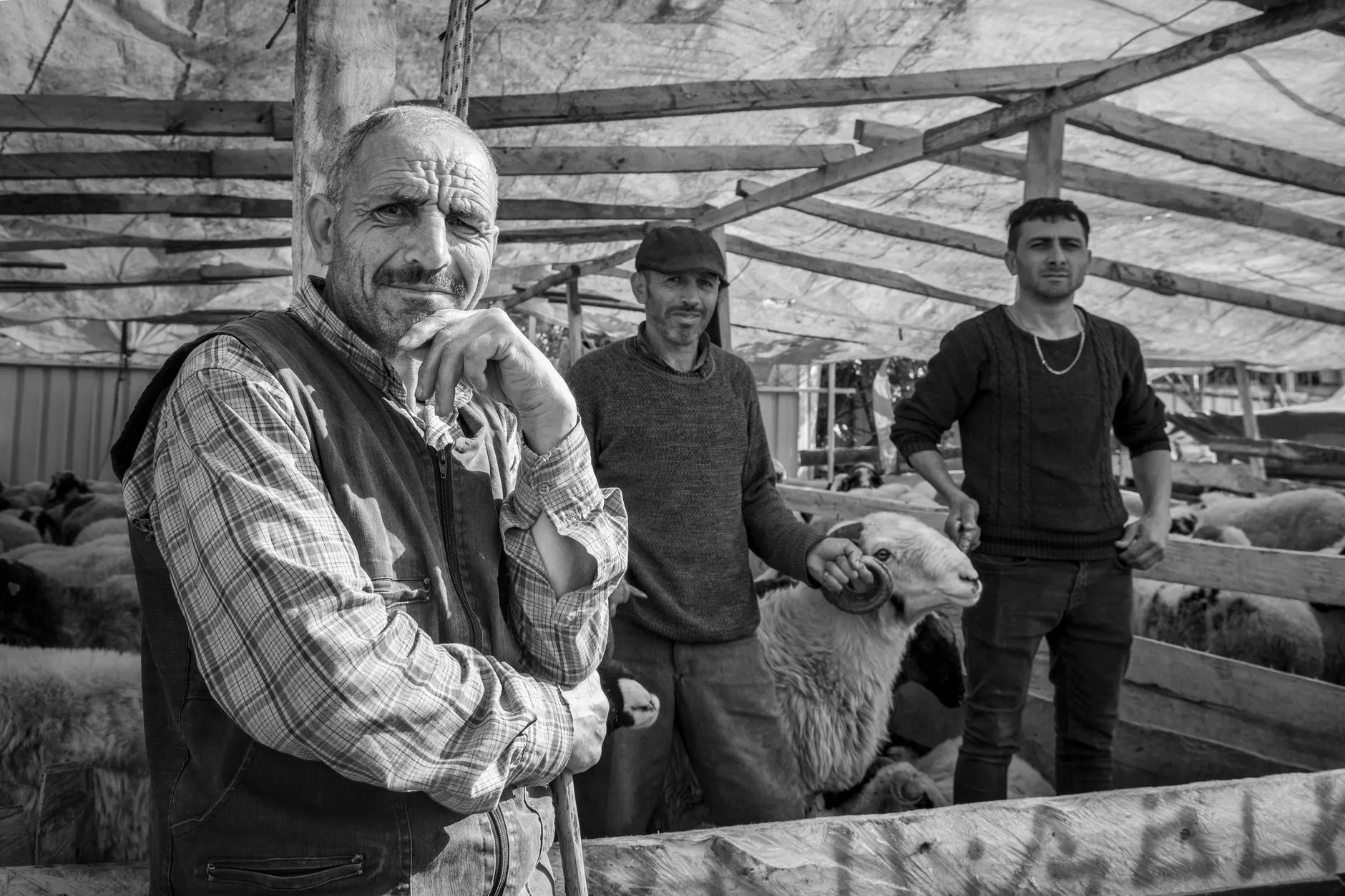
Smallholder farmers receive less than one percent of global climate finance. Ministers from six countries have warned that this funding gap threatens progress on food security, biodiversity protection and international nature targets. The figure comes from a joint statement backed by Brazil, Cambodia, Italy, Norway, Rwanda and Sierra Leone during recent UN biodiversity talks.
According to the statement, only 0.8% of climate finance reaches smallholder farmers despite their central role in managing agricultural landscapes and implementing nature-based solutions. The ministers argue that without better access to funding, the world will struggle to meet commitments under the Kunming-Montreal Global Biodiversity Framework by 2030.
The warning highlights a structural problem. Climate finance systems often favour large programmes with complex application processes. Smallholders and local cooperatives frequently lack the administrative resources or formal collateral needed to access international funds. As a result, money intended for climate action fails to reach the people best placed to deliver it.
Smallholders face climate risks with limited support
Smallholder and family farmers produce a significant share of global food. They manage diverse agricultural systems across millions of hectares. Many operate without reliable access to credit, insurance or technical assistance. This makes them particularly vulnerable to droughts, floods, heatwaves and soil degradation.
These same farmers are often responsible for implementing sustainable land management practices. Agroecology, agroforestry, ecosystem restoration and biodiversity conservation all depend on local knowledge and participation. However, the financial infrastructure required to support these approaches remains underdeveloped.
The ministers issued their statement through the Alliance of Champions for Food Systems Transformation. Their document, titled Food Systems for Nature: Closing the Implementation Gap, was released during the UN biodiversity conference COP17. It calls for climate and biodiversity finance to become more accessible, predictable and flexible for farmers and local communities.
Global biodiversity targets depend on agricultural reform
The Kunming-Montreal Global Biodiversity Framework sets out international commitments to halt and reverse biodiversity loss by 2030. One headline target aims to conserve at least 30% of the world's land and oceans by that deadline. Other commitments focus on ecosystem restoration and reforming subsidies that harm nature.
More than half of the framework's 23 targets relate in some way to food systems. Agriculture drives habitat loss, deforestation and pressure on freshwater resources. Consequently, delivering global biodiversity goals depends on changing how food is produced and land is managed.
With four years remaining until 2030, the ministers warned that progress is insufficient. Food production continues to degrade ecosystems at scale. Meanwhile, the farmers expected to shift towards nature-positive practices receive minimal financial support to make those changes viable.
Debt and complex procedures block finance flows
The statement identifies three main barriers preventing climate finance from reaching smallholders. First, debt distress limits the capacity of vulnerable countries to invest in resilience and nature protection. Second, high borrowing costs make long-term agricultural projects harder to finance. Third, complex funding procedures prevent money from flowing to local organisations and producers.
These obstacles are especially acute in countries facing severe climate impacts. Even when international funds are available, bureaucratic requirements can delay disbursement or divert money through multiple intermediaries. By the time finance reaches the intended recipients, amounts may be reduced and timeframes compressed.
Short project cycles compound the problem. Building resilient farming systems takes years. Benefits such as healthier soils, restored watersheds and diversified crops materialise slowly. Funding models designed around two-year or three-year cycles discourage investments whose returns are ecological and long-term rather than immediate and financial.
Rigid spending rules also create difficulties. Smallholders may need flexible support that responds to seasonal conditions, market shifts or unexpected weather events. Bureaucratic fund management rarely allows for this kind of adaptive spending. Consequently, finance becomes harder to use effectively on the ground.
What ministers want governments and investors to do
The joint statement urges governments, development institutions and private investors to redirect capital towards specific priorities. These include agroecology, regenerative farming, agroforestry, sustainable fisheries and aquaculture. Ecosystem restoration and conservation of crop and livestock genetic diversity also feature prominently.
Support for women, young people and family farmers is emphasised throughout. The ministers also called for measures to reduce debt pressures on vulnerable countries and communities. This reflects recognition that debt servicing can crowd out investment in climate adaptation and nature protection.
Closer coordination between agriculture, environment and finance ministries was highlighted as essential. Agricultural policies often incentivise production growth. Environmental policies seek to limit land degradation and biodiversity loss. Finance ministries determine funding allocations. Without alignment across these areas, contradictory policies can undermine progress.
The statement backs several international initiatives as examples of approaches that could help scale investment. These include the Tropical Forest Forever Facility, designed to support long-term forest protection. TERRA, which stands for Together for the Expansion of Resilient and Restorative Agroecology and Agroforestry, was also mentioned. RAIZ, a framework for resilient agriculture investment and net-zero land degradation, received endorsement as well.
Why this matters for UK businesses and supply chains
UK companies with agricultural supply chains face growing scrutiny over environmental impacts. Investors, regulators and customers increasingly expect evidence of sustainable sourcing. Smallholder farmers often sit deep within these supply chains, producing commodities such as coffee, cocoa, palm oil and cotton.
If smallholders cannot access finance to improve practices, supply chain sustainability becomes harder to achieve. Businesses reliant on these producers may face reputational risks, regulatory challenges or physical supply disruptions as climate impacts intensify. Therefore, how finance reaches farming communities affects commercial resilience as well as environmental outcomes.
The UK government has committed to aligning financial flows with environmental goals. Understanding where climate finance actually goes matters for policy coherence. It also matters for companies making net-zero commitments that depend on Scope 3 emissions reductions across agricultural supply chains.
Many UK SMEs engage with international supply chains indirectly through distributors, processors or importers. However, due diligence expectations are tightening. Future regulations may require businesses to demonstrate that sourcing practices support rather than undermine biodiversity goals. Knowing whether producers receive adequate financial support to meet those standards will become commercially relevant.
For businesses involved in public procurement, environmental criteria already shape tender evaluations. Our net-zero program for carbon reporting compliance helps SMEs demonstrate credible supply chain engagement. As scrutiny extends from carbon to biodiversity, understanding finance flows and producer support systems will become part of that evidence base.
Finance delivery mechanisms need redesign
Increasing total climate finance will not solve the problem if delivery mechanisms remain unchanged. The 0.8% figure suggests that current systems are not designed to reach smallholders effectively. Money may be committed at international conferences but fail to translate into accessible funding at local level.
Several changes could improve delivery. Simplified application processes would reduce administrative burdens on small organisations. Longer grant periods would better match the timeframes required for ecological and agricultural transitions. Local financial intermediaries, such as cooperatives or community development funds, could act as trusted conduits for international finance.
Direct funding models, where grants reach farmer organisations without passing through multiple layers of intermediaries, could also increase effectiveness. Stronger technical support would help recipients manage reporting requirements and project implementation. Improved monitoring would establish how much funding actually reaches farmers rather than being counted at programme level.
These adjustments require changes in how development banks, climate funds and bilateral donors operate. Accountability frameworks would need to track disbursement to end recipients, not just allocation to national programmes. Performance metrics would need to include accessibility and speed of delivery alongside financial volumes.
Key facts about climate finance and smallholder farmers
- Smallholder farmers receive only 0.8% of global climate finance despite their role in managing agricultural landscapes and implementing nature-based solutions.
- Ministers from Brazil, Cambodia, Italy, Norway, Rwanda and Sierra Leone issued a joint warning during the UN biodiversity conference COP17.
- More than half of the 23 targets in the Kunming-Montreal Global Biodiversity Framework depend on addressing environmental impacts of food systems.
- The framework aims to conserve at least 30% of land and oceans by 2030, with only four years remaining to meet that deadline.
- Debt distress, high borrowing costs and complex funding procedures prevent climate finance from reaching local organisations and producers effectively.
- Short project cycles and rigid spending rules discourage investments in resilient farming systems whose benefits materialise over years rather than months.
- The statement calls for better coordination between agriculture, environment and finance ministries to align policies and funding flows.
Implications for food security and ecosystem health
Food systems account for roughly one-third of global greenhouse gas emissions. Agriculture also drives deforestation, soil degradation and biodiversity loss. Shifting towards regenerative practices could reduce emissions, restore ecosystems and improve resilience. However, farmers cannot make these transitions without financial support.
Climate impacts are already affecting yields and growing seasons. Smallholders often lack resources to invest in drought-resistant crops, improved irrigation or soil conservation. Without access to finance, adaptation remains limited. This creates risks for food security, rural livelihoods and ecosystem health simultaneously.
Nature-positive farming practices can deliver multiple benefits. Agroforestry systems provide shade, improve soil health and sequester carbon. Crop diversification reduces pest pressure and improves nutrition. Restored wetlands regulate water flows and support biodiversity. These approaches require upfront investment and yield benefits over time, making finance critical to adoption.
The ministers' statement emphasises that smallholders and local communities are best placed to implement these practices. They possess detailed knowledge of local conditions, traditional crop varieties and ecosystem dynamics. However, knowledge alone cannot drive change without reliable funding to support experimentation, training and infrastructure.
Governance challenges and policy coordination
Delivering the 2030 biodiversity targets requires coordination across government departments and international institutions. Agriculture ministries typically focus on productivity and food security. Environment ministries prioritise conservation and pollution control. Finance ministries manage budgets and debt servicing. These priorities can conflict unless deliberately aligned.
Climate and biodiversity finance often flows through separate channels. Adaptation funds, mitigation programmes and biodiversity grants may have different eligibility criteria, reporting requirements and disbursement schedules. For smallholders navigating this landscape, complexity multiplies. Accessing multiple funding streams can require duplicated applications and separate monitoring systems.
The statement calls for finance to become more predictable and flexible. Predictability allows farmers to plan multi-year investments. Flexibility enables adaptation to changing conditions without triggering compliance issues. Both characteristics require institutional reforms in how international finance is managed and distributed.
Political will also matters. Redirecting finance towards smallholders means shifting priorities within development budgets and climate funds. It may involve accepting higher transaction costs per dollar disbursed in exchange for better targeting and local ownership. These are governance decisions, not purely technical adjustments.
What businesses and advisors should consider
Companies with agricultural supply chains should monitor how finance reaches producers. Supply chain sustainability depends partly on whether farmers can afford to adopt better practices. If finance remains inaccessible, businesses may need to consider direct support mechanisms such as premium payments, technical assistance or blended finance partnerships.
Due diligence processes should include questions about producer access to finance and support services. Understanding financial barriers helps identify where supply chain risks are concentrated. It also highlights where intervention could improve resilience and reduce environmental impacts most effectively.
For SMEs developing sustainability strategies, biodiversity considerations are becoming as important as carbon metrics. Our compliance support helps businesses navigate environmental reporting requirements as expectations broaden beyond emissions alone. Understanding how global biodiversity targets relate to supply chains will increasingly inform procurement decisions and risk assessments.
Investors focused on environmental, social and governance factors should scrutinise how portfolio companies engage with smallholder finance. Commitments to sustainable sourcing need backing with evidence that producers receive adequate support. This includes finance, training and long-term purchasing agreements that reward improved practices.
Public sector suppliers face particular scrutiny. Procurement frameworks increasingly incorporate biodiversity and nature-based criteria alongside carbon reduction targets. Demonstrating credible engagement with these issues requires understanding how finance flows through supply chains and whether producers benefit from sustainability initiatives.
Where to find further information
The Kunming-Montreal Global Biodiversity Framework is available through the Convention on Biological Diversity website. It sets out the 23 targets underpinning international biodiversity commitments through 2030.
The UK government's approach to nature and biodiversity is outlined in the Environmental Improvement Plan, published by the Department for Environment, Food and Rural Affairs. This includes domestic targets and international commitments.
For businesses working on supply chain sustainability, the UK government guidance on due diligence in supply chains provides a framework for assessing environmental and social risks.
The Center for International Forestry Research and World Agroforestry publishes research on smallholder agriculture, agroforestry and sustainable land management relevant to policy and practice.
Organisations needing support with carbon reporting, biodiversity considerations or sustainable procurement can find guidance through SBS compliance services and SBS Academy training resources.