
COP31 Action Tracker: Insights for UK Businesses
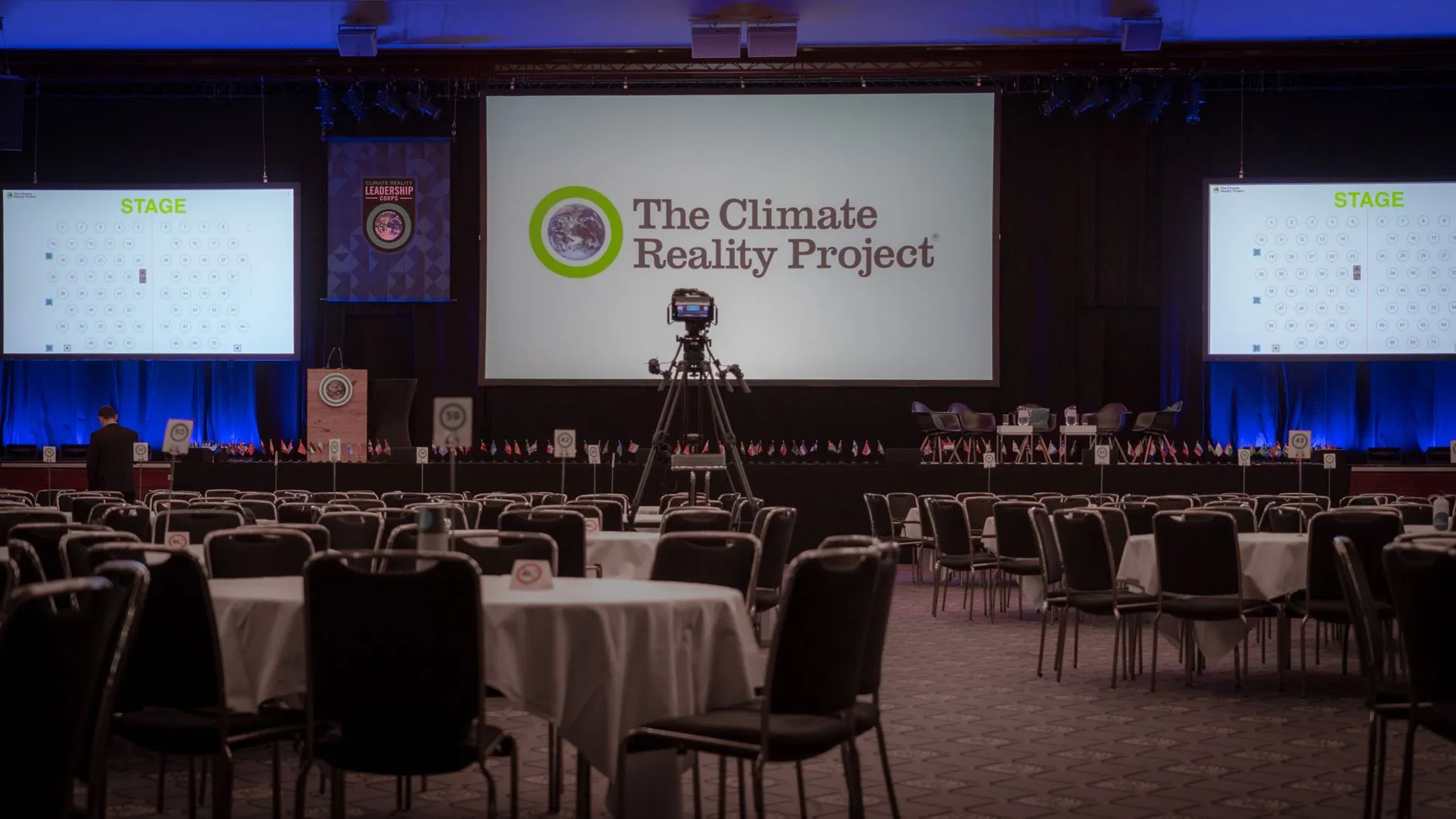
The UN climate summit scheduled for November 2026 in Türkiye arrives at a moment when delivery matters more than promises. COP31 will test whether governments can turn national pledges into tangible emissions cuts, finance flows and institutional reform. For UK businesses navigating net zero commitments, tender requirements and supply chain scrutiny, this summit marks a transition point. The focus shifts from setting targets to proving progress.
Two developments frame the year ahead. First, the 2026 US midterm elections could reshape American climate policy and international funding commitments. Second, Brazil is developing sector-specific roadmaps that may offer a template for combining economic growth with emissions reduction. Both cases matter to UK SMEs because they influence the pace of global decarbonisation, the cost of climate finance and the credibility of international climate agreements that underpin domestic regulation.
Understanding these dynamics helps businesses anticipate policy direction, investment trends and compliance expectations. Consequently, the summit's outcomes will affect procurement standards, carbon reporting frameworks and the viability of export markets in economies adjusting to climate risk.
Türkiye hosts COP31 with implementation as central theme
Türkiye will host the 31st Conference of the Parties to the UN Framework Convention on Climate Change from 9 to 20 November 2026. The venue is the Antalya Expo Center. A World Leaders' Summit is scheduled for 11 and 12 November within the broader conference programme.
The summit will also convene the 21st meeting of parties to the Kyoto Protocol and the eighth meeting under the Paris Agreement. Australia is leading negotiations in cooperation with Pacific island countries, though Türkiye holds the formal presidency.
Official statements from the UN describe COP31 as a gathering of governments, businesses, civil society groups and other stakeholders working to advance the Paris Agreement. The programme emphasises practical themes: food and agriculture systems, water efficiency, health impacts, investment-ready projects, access to finance and institutional capacity building.
This emphasis reflects a shift in diplomatic focus. Governments have made long-term net zero commitments, but current policies and investment patterns fall short of delivering them. Therefore, COP31's significance depends less on new declarations than on whether countries can demonstrate measurable progress on emissions reductions, adaptation measures and climate finance deployment.
US midterm elections and climate policy continuity
The 2026 US midterm elections take place shortly before COP31. Congressional control affects federal climate programme funding, regulatory oversight and the durability of clean energy support. For international climate diplomacy, the outcome matters because it signals whether US commitments under the Paris Agreement will endure beyond a single administration.
Congress influences several areas relevant to climate policy. It controls appropriations for environmental and energy agencies, shapes support for clean energy manufacturing and deployment, and determines US contributions to international climate finance. Additionally, legislative action or inaction affects the administration's ability to implement or reverse regulatory measures on emissions and environmental standards.
A change in congressional control could alter budget allocations, oversight intensity and the legislative environment surrounding climate programmes. However, the midterms alone will not determine US climate policy. Executive authority, state-level initiatives, court decisions and private sector investment will continue to shape outcomes regardless of election results.
For other governments negotiating at COP31, the US election represents a test of policy reliability. International climate negotiations depend on confidence that major economies will maintain commitments across political cycles. Uncertainty over US participation complicates discussions on finance, technology transfer and collective emissions targets.
This issue carries particular weight because the United States remains one of the world's largest historical greenhouse gas emitters and a major source of public and private climate finance. A perceived retreat could make it harder for developed countries to persuade emerging economies to increase their own ambition. UK businesses exporting to US markets or participating in transatlantic supply chains may face divergent regulatory environments depending on the election's outcome.
Brazil develops roadmaps linking development with emissions reduction
Brazil's role at COP31 stems from three factors: its economic size, its influence among developing countries and the global importance of Amazon deforestation. Brazil contains most of the Amazon rainforest, making forest protection central to international climate policy. Its energy system includes substantial renewable generation, while its economy remains heavily exposed to agriculture, land use change and climate-related disruption.
The reference to Brazilian roadmaps points to a sector-specific approach rather than relying solely on economy-wide targets. Effective roadmaps would need to connect deforestation reduction with forest restoration, improve agricultural productivity while cutting emissions from livestock, expand renewable power and grid infrastructure, decarbonise industrial processes, develop low-carbon transport including biofuels, and build adaptation measures against droughts, floods and ecosystem loss.
Critically, these plans must link policies to finance flows, monitoring systems and verification processes. Brazil's approach will carry diplomatic weight if it demonstrates how a major developing economy can combine economic development with credible emissions reductions. Such a model could help bridge disagreements between developed countries seeking faster mitigation and developing countries demanding greater financial and technological support.
For UK businesses, Brazil's roadmaps matter because they may influence procurement standards, supply chain due diligence and carbon accounting methods in sectors including agriculture, timber products, biofuels and renewable energy. Companies sourcing from or selling into Brazilian markets need to track these developments closely, particularly given increasing regulatory attention to deforestation in supply chains.
Why implementation focus matters for UK business compliance
The shift from pledges to implementation carries direct commercial consequences. UK businesses face increasing pressure to demonstrate actual emissions reductions, not just commitments to future targets. This pressure comes from multiple directions: government procurement rules, customer expectations, investor scrutiny and supply chain requirements.
Procurement Policy Note 06/21 requires suppliers bidding for major government contracts to publish carbon reduction plans. These plans must show how organisations will achieve net zero by 2050, including interim targets and specific measures. As international climate negotiations move toward implementation, UK procurement standards are likely to demand more granular evidence of progress, not just aspirational statements.
Similarly, larger businesses are extending carbon reporting expectations down their supply chains. Scope 3 emissions accounting requires companies to measure and reduce emissions from purchased goods and services. Consequently, SMEs supplying larger organisations increasingly face detailed questions about their own emissions, reduction plans and verification methods.
The COP31 agenda on investment-ready projects and access to finance also affects UK businesses. Climate finance discussions at international summits influence the cost and availability of capital for decarbonisation projects. They shape the terms on which businesses can access green loans, sustainability-linked finance and export credit support for low-carbon products.
Furthermore, sectoral roadmaps emerging from countries like Brazil may become benchmarks for international standards. UK businesses operating in sectors such as food and agriculture, forestry products or renewable energy should monitor these developments. They may preview compliance requirements, certification schemes or due diligence expectations that later appear in UK or EU regulation.
The emphasis on water efficiency and health impacts in the COP31 programme also matters for businesses in manufacturing, food production and construction. These themes signal growing attention to resource efficiency, supply chain resilience and climate adaptation. Companies that anticipate these trends can reduce costs, manage risks and meet emerging customer expectations more effectively.
What the summit agenda reveals about regulatory direction
COP31's focus on food and agriculture, water, health, finance, capacity building and investment-ready projects provides clues about regulatory priorities. These themes will likely influence UK policy development, international standards and customer expectations in the years following the summit.
Food and agriculture discussions will address emissions from farming, land use change, supply chain transparency and sustainable sourcing. UK businesses in food production, retail and hospitality should expect continued pressure on deforestation-free supply chains, agricultural emissions reduction and transparency in carbon footprints. The government's sustainable farming incentive and environmental land management schemes already point in this direction.
Water efficiency appears on the agenda because climate change intensifies both drought and flood risks. Businesses in water-intensive sectors including manufacturing, textiles, brewing and food processing face growing expectations to reduce consumption, improve recycling and manage discharge quality. Regulatory frameworks are likely to tighten, particularly where operations affect stressed water catchments.
Health impacts relate to air quality, heat stress, supply chain resilience and workforce safety. UK businesses should consider how climate risks affect employee welfare, operational continuity and product safety. This includes sectors such as construction, logistics, agriculture and outdoor services where heat, flooding or extreme weather directly affect working conditions.
The emphasis on investment-ready projects and access to finance indicates that governments want to move beyond policy announcements to actual capital deployment. UK businesses seeking to decarbonise operations, improve energy efficiency or develop low-carbon products will benefit from understanding how climate finance mechanisms work. This includes government schemes, green loans and sustainability-linked finance products.
Capacity building addresses the practical barriers that prevent organisations from implementing climate measures. For SMEs, this often means lacking internal expertise, time or resources to navigate complex carbon accounting, develop reduction plans or access finance. Understanding where capacity-building support is available can help businesses meet compliance requirements without excessive cost.
Core facts about COP31 and the negotiation context
- COP31 takes place from 9 to 20 November 2026 at the Antalya Expo Center in Türkiye, with a World Leaders' Summit on 11 and 12 November.
- The conference includes the 21st meeting under the Kyoto Protocol and the eighth meeting under the Paris Agreement.
- Australia leads negotiations in cooperation with Pacific island countries, while Türkiye holds the formal presidency.
- Official themes include food and agriculture, water efficiency, health impacts, investment-ready projects, access to finance and institutional capacity building.
- The 2026 US midterm elections occur shortly before the summit and could affect congressional support for federal climate programmes and international finance commitments.
- Brazil is developing sector-specific roadmaps that may demonstrate how a major developing economy can combine growth with emissions reduction.
- The summit's stated focus on implementation reflects a shift from setting targets to demonstrating measurable progress on emissions cuts, adaptation and climate finance.
How UK SMEs should track COP31 developments
Businesses should monitor several indicators that will show whether the summit generates meaningful progress. These signals affect regulatory direction, compliance expectations and commercial opportunities in the years ahead.
First, watch US political developments around the midterm campaign and election results. Changes in congressional control could strengthen or weaken federal climate programmes, alter international engagement and affect the reliability of US commitments under the Paris Agreement. UK businesses exporting to American markets or working with US partners need to understand potential policy shifts.
Second, assess whether Brazil's roadmaps include quantified milestones, credible financing and transparent progress indicators. If Brazil produces a credible model, it may influence international standards for sector-specific decarbonisation, particularly in agriculture, forestry and land use. UK businesses in these sectors or their supply chains should track Brazilian policy closely.
Third, follow climate finance discussions, especially whether developed countries provide clearer pathways for adaptation and mitigation finance in developing economies. These negotiations affect the cost and availability of capital for decarbonisation projects globally. They also influence the competitive environment for UK businesses seeking to export low-carbon technology or services.
Fourth, monitor commitments on land use and forests. Deforestation pledges need enforcement mechanisms, supply chain measures and funding to become effective. UK businesses sourcing timber, agricultural products or biofuels should expect increasing due diligence requirements. Regulatory frameworks similar to the EU Deforestation Regulation may emerge from COP31 discussions.
Fifth, look for evidence of actual emissions reductions rather than only future targets. Governments increasingly face pressure to report measurable progress, not just announce new commitments. This trend will likely flow through to corporate reporting standards, procurement requirements and investor expectations for UK businesses.
Finally, track private sector alignment with national roadmaps. Whether companies and financial institutions translate government plans into investment and procurement decisions will determine the pace of market transformation. UK businesses should identify where these shifts create opportunities or risks within their sectors.
We support businesses with carbon reduction planning and compliance reporting that meets evolving government and customer expectations. Understanding international climate developments helps businesses anticipate regulatory changes and stay ahead of supply chain requirements.
Practical steps before and after the summit
UK businesses can take several actions now to prepare for the regulatory and commercial environment that will follow COP31. These steps reduce compliance risk, improve competitiveness and position organisations to benefit from emerging opportunities.
Start by reviewing your current carbon reporting and reduction plans. Ensure they include measurable interim targets, specific actions and clear accountability. The shift toward implementation means vague commitments will no longer satisfy procurement requirements, customer expectations or investor scrutiny. If you supply public sector organisations, verify that your plans meet Procurement Policy Note 06/21 standards.
Next, assess your supply chain exposure to climate risks and deforestation. Identify which suppliers operate in high-risk sectors or regions, particularly for agricultural products, timber, textiles and minerals. Develop due diligence processes that verify supplier claims about sustainability and emissions. This preparation will help you respond quickly when new regulations appear.
Consider how climate finance developments might affect your access to capital. Sustainability-linked loans, green finance products and export credit support increasingly favour businesses with credible decarbonisation plans. Understanding these mechanisms now allows you to position your business advantageously when opportunities arise.
Evaluate your operational exposure to physical climate risks including water scarcity, flooding, heat stress and supply chain disruption. COP31's emphasis on adaptation and health impacts signals growing regulatory and insurance industry attention to these issues. Businesses that address physical risks proactively will reduce costs and maintain operational continuity.
Invest in internal capacity to manage climate-related compliance and opportunities. This may mean training existing staff, recruiting expertise or accessing external support. Many SMEs struggle with climate action not because they lack commitment but because they lack time, knowledge or resources. Addressing this gap early reduces future compliance costs and competitive disadvantage.
Finally, engage with sector-specific initiatives and industry bodies relevant to your business. Many sectors are developing roadmaps, standards and collective approaches to decarbonisation. Participating in these discussions helps you influence standards, share costs and access peer learning.
Our compliance support services help businesses navigate carbon reporting requirements, develop credible reduction plans and access relevant training. We also provide training through SBS Academy to build internal expertise on net zero, emissions accounting and sustainable procurement.
Where to find authoritative information on COP31
The official UN Framework Convention on Climate Change website provides updates on COP31 preparations, negotiation texts and official documentation. The site includes information on past decisions, current negotiations and implementation mechanisms under the Paris Agreement.
The UK government's Department for Energy Security and Net Zero publishes policy updates, guidance and analysis relevant to UK businesses. This includes information on carbon reporting requirements, net zero strategy and international climate commitments.
For businesses seeking to understand procurement requirements, the Procurement Policy Note 06/21 sets out expectations for carbon reduction plans in government contracts. This guidance clarifies what suppliers must demonstrate to meet public sector tender requirements.
The government's guidance on measuring and reporting environmental impacts helps businesses understand carbon accounting, Scope 3 emissions and reporting standards. This resource supports companies developing credible reduction plans and meeting supply chain expectations.