
COP31's Electrification Pledge: What UK Businesses Need to Know
The UN climate summit in Antalya has put electricity at the heart of global decarbonisation plans. Turkey's COP31 Presidency launched a formal pledge to raise electricity's share of final energy use from roughly 23% today to 35% by 2035. The proposal signals a shift in how governments are talking about climate action. Instead of focusing solely on emissions targets or renewable capacity, the initiative centres on a tangible question: how much of the energy we use each day comes through the plug rather than the pump.
For UK businesses, this matters. Electrification is already reshaping procurement decisions, supply chain standards and capital investment. Heat pumps, electric vehicles and industrial equipment are becoming requirements in tenders, particularly for public sector contracts. Meanwhile, grid capacity, electricity costs and the availability of clean power are emerging as material commercial risks.
The COP31 debate offers insight into where policy is heading. However, the pledge also exposes tensions between ambition and delivery. Electrification only reduces emissions if the electricity itself is clean. Furthermore, rolling out electric technologies at scale depends on grid upgrades, finance and planning systems that currently lag behind political commitments.
Turkey launches formal electrification target at Bonn climate talks
The Turkish COP31 Presidency introduced the "35-by-35 Global Electrification Pledge" on 9 June 2026 at the Bonn Climate Change Conference. President-Designate Murat Kurum presented the target as a flagship element of Turkey's Action Agenda for the summit. The initiative aims to accelerate replacement of fossil-fuel equipment across buildings, transport and industry with electric alternatives.
According to the Department for Energy Security and Net Zero, electrification represents one of the most visible ways households and businesses can reduce direct fossil fuel use. The pledge seeks to make that transition measurable through a single global metric.
The proposal calls for supporting infrastructure alongside the headline target. Specifically, the Presidency's Action Agenda links the 35% goal to clean power expansion, energy storage systems, flexible grids and stronger transmission networks. It also includes mechanisms for monitoring progress and sharing technical expertise internationally.
At COP31 in Antalya, Turkey pushed to incorporate the electrification goal into the conference's formal outcome. Reuters reported that negotiators were discussing whether the target should form part of a binding agreement or remain a voluntary pledge. The distinction carries weight. Voluntary commitments allow governments to signal ambition without enforceable obligations, whereas binding targets create accountability mechanisms.
The International Energy Agency and the International Renewable Energy Agency provided technical analysis underpinning the 35% figure. Their modelling suggests this level of electrification aligns with pathways to limit global warming to 1.5°C, provided the additional electricity comes from low-carbon sources.
Turkey also announced an Electrification Board to coordinate implementation. The board will be chaired by the COP31 Presidency, with the International Energy Agency serving as secretariat. This institutional structure aims to turn the headline target into a platform for tracking national action and identifying investment needs.
Energy security arguments gain prominence alongside climate rationale
The electrification push is being framed not just as climate policy but as energy security strategy. Electric vehicles, heat pumps and industrial processes can reduce dependence on imported oil and gas, particularly when powered by domestic renewables. Consequently, the economic case for electrification has broadened beyond emissions reduction.
Murat Kurum used stark language at COP31, stating that "nations now face a choice: electric or shock." UN Climate Change Executive Secretary Simon Stiell echoed this framing, calling for the global economy to be rewired for the "electricity age" rather than remain exposed to fossil fuel price volatility.
Geopolitical instability has strengthened this argument. Energy price shocks and conflict-related supply disruptions during recent years have renewed interest in reducing reliance on imported fuels. Kurum stated that "everyone now understands that energy that you must import is energy that you do not control."
Nevertheless, the energy security case does not automatically guarantee emissions reductions. Reuters noted that climate advocates have criticised the pledge because it lacks explicit requirements for the additional electricity to come from low-carbon sources. If coal or gas-heavy power systems supply the new electric demand, climate benefits could be reduced or delayed.
For UK manufacturers and logistics firms, this distinction matters commercially. Clients increasingly require Scope 2 emissions reporting, which covers purchased electricity. Therefore, businesses must consider not just whether equipment is electric, but also where the electricity comes from and how it affects carbon footprint declarations.
Grid capacity and clean power supply create delivery challenges
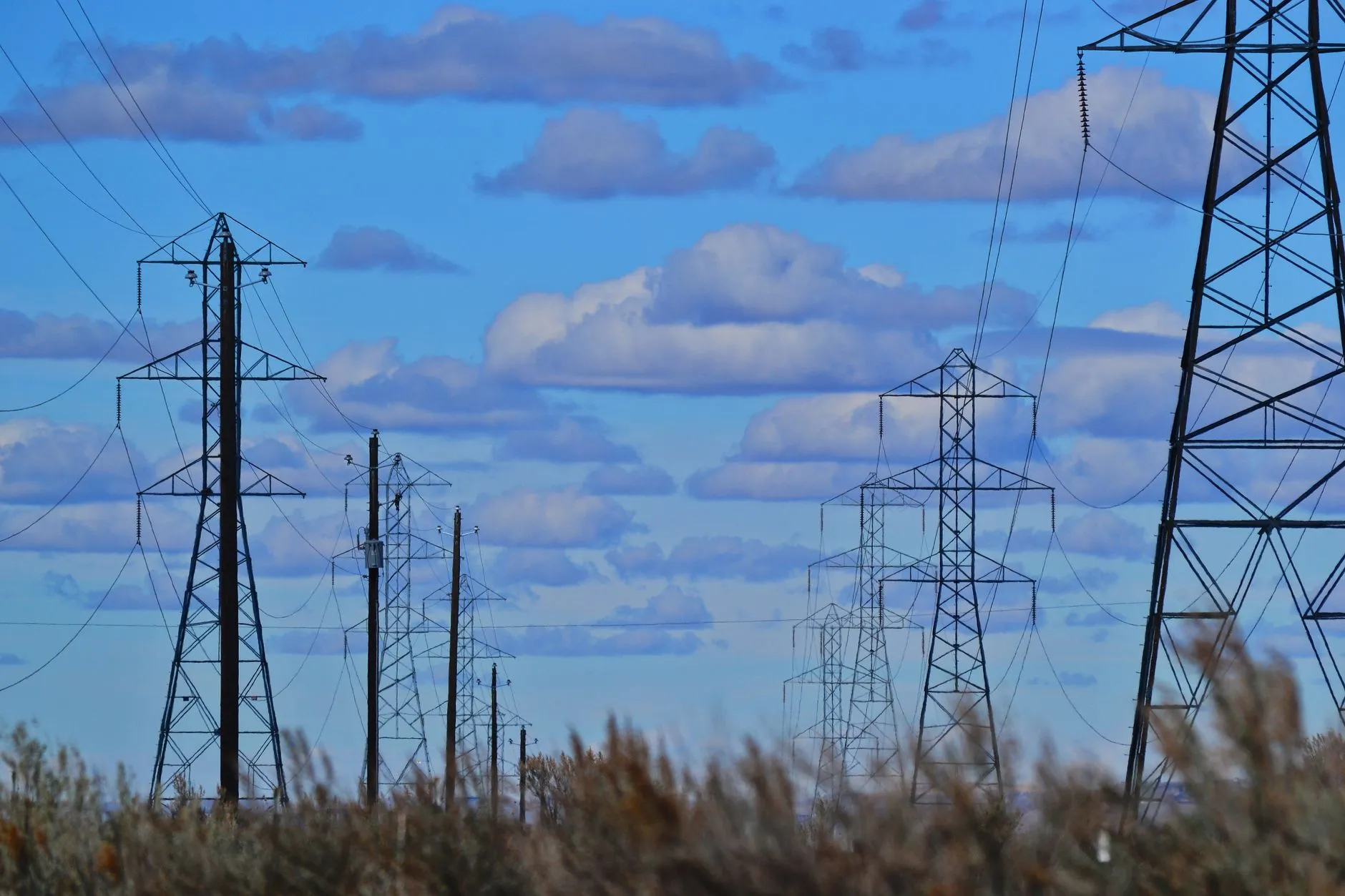
Electrifying transport, heating and industry increases electricity demand and creates new consumption peaks. This places immediate pressure on grid infrastructure. Moreover, it requires coordinated investment across generation, transmission, distribution and storage systems.
The practical requirements include renewable generation capacity, upgraded transmission networks, battery storage, demand response systems, flexible power generation and new grid connections for homes, businesses and industrial sites. Without these elements in place, electrification ambitions quickly encounter physical bottlenecks.
UK businesses already face these constraints. Grid connection queues currently extend several years in some regions. Similarly, planning delays for renewable projects and transmission upgrades are slowing deployment. As a result, companies considering electric equipment or vehicle fleets need to factor in grid capacity alongside capital costs.
The COP31 Presidency's Action Agenda acknowledges this challenge by linking the electrification target to modern grids, storage and system flexibility. However, translating policy ambition into physical infrastructure takes time, capital and planning reform.
A new initiative launched during COP31, the Electrify Now Finance Coalition, aims to mobilise investment in clean electrification for developing countries. The coalition brings together governments, development banks and private financial institutions. Its stated focus is improving access to capital for projects in emerging markets.
For UK supply chains, these infrastructure challenges have commercial implications. Businesses sourcing from or selling into markets with constrained grids may face reliability risks or delays in partners' electrification plans. Consequently, understanding regional grid capacity is becoming a supply chain due diligence issue.
Reliability and access gaps persist despite high connection rates
National electrification rates do not tell the full story. Isabel Beltrán, vice president for Latin America and the Caribbean at the Global Energy Alliance for People and Planet, highlighted this gap during the COP31 Covered podcast. Latin America has one of the world's cleanest electricity mixes and approximately 98% electricity access. Despite this, around 17 million people remain unconnected, while an estimated 60 million experience unreliable supply and may depend on diesel generators.
The Caribbean faces a different vulnerability. More than 80% of its energy reportedly comes from imported fossil fuels, leaving island economies highly exposed to international price shocks. Therefore, electrification in these contexts requires not just new electric equipment but also affordable, reliable electricity supply.
These examples illustrate why a global electrification target cannot be measured solely by electric vehicle sales or renewable capacity additions. It must also address whether households receive dependable electricity, whether electricity is affordable, whether remote and low-income communities are connected, and whether developing countries can finance grid and generation upgrades.
GEAPP, launched at COP26 in Glasgow, brings together philanthropic organisations, governments, development banks and private sector partners to expand energy access and accelerate clean power investment. Beltrán argued that relatively small amounts of flexible philanthropic funding can help unlock significantly larger pools of public and private capital.
For UK businesses operating internationally, these access and reliability issues affect market development and workforce welfare in emerging economies. Companies with supply chains in regions with unreliable electricity may face production disruptions or quality control challenges. Similarly, businesses expanding into new markets need to assess whether electricity infrastructure can support their operational requirements.
COP31 connects electrification to buildings, transport and industrial policy
Electrification formed the official focus of COP31's energy and transport day, which featured approximately 140 related sessions in Antalya. The Presidency's broader agenda connects the 35-by-35 target with electric mobility, public transport, efficient buildings, heat pumps, industrial electrification, renewable power deployment, energy storage, grid modernisation and international finance.
Turkey also proposed a compact aimed at reducing energy use intensity in buildings by at least 25% by 2035, including through electrification. This broader framing matters because replacing fossil fuel equipment with electric alternatives will not, by itself, deliver required climate gains. Efficiency reduces the amount of new generation and network infrastructure needed.
For UK property owners and facility managers, these policy directions signal where building standards are heading. Energy Performance Certificate requirements, planning conditions and tenant expectations are already shifting towards electric heating and improved efficiency. Meanwhile, public sector tenders increasingly specify heat pumps and electric vehicle charging infrastructure.
Industrial electrification presents more complex challenges. Some processes are technically difficult to electrify. Consequently, high-temperature heat, chemical reactions and heavy transport may require hydrogen, sustainable fuels or other technologies alongside electricity. Therefore, businesses in manufacturing, chemicals and heavy industry need to assess which processes can realistically electrify and what alternatives exist for those that cannot.
The COP31 agenda acknowledges this complexity by framing electrification as one element within a broader energy transition. However, the political focus on a single headline target risks oversimplifying the different pathways required across sectors.
New fossil fuel projects undermine electrification commitments
COP31's electrification push exposes a significant contradiction. Governments are encouraging rapid adoption of electric technologies while simultaneously approving new fossil fuel infrastructure. Reuters highlighted this tension during the conference, pointing to the UK's approval of the Jackdaw gas field and Turkey's announcement of a new oil discovery alongside calls for faster electrification.
Such developments raise questions about whether the pledge represents a decisive transition away from fossil fuels or primarily an attempt to expand electricity use without binding commitments to phase out oil and gas. The distinction is consequential. A target based only on electricity's share of final energy consumption could be met through a combination of clean and fossil-generated electricity.
A climate-aligned approach would need to pair electrification with rapid renewable energy deployment, coal phase-down, reduced unabated gas use, strong efficiency standards, lower methane emissions, investment in grids and storage, and social protections for affected workers and households. Without these complementary policies, electrification could increase electricity demand while leaving fossil fuel dependence embedded in power systems.
For UK businesses, this policy incoherence creates uncertainty. Companies making long-term capital decisions need clear signals about whether fossil fuel infrastructure will be phased out or extended. Similarly, businesses developing net zero strategies need to understand whether grid decarbonisation will keep pace with electrification requirements.
The voluntary nature of the pledge compounds this uncertainty. Voluntary commitments allow governments flexibility but lack enforcement mechanisms. Therefore, businesses cannot rely on the 35% target alone when assessing future energy policy direction.
Key facts about the COP31 electrification pledge
- The 35-by-35 Global Electrification Pledge aims to raise electricity's share of final energy consumption from approximately 23% to 35% by 2035.
- Turkey's COP31 Presidency formally introduced the target on 9 June 2026 at the Bonn Climate Change Conference.
- The pledge is voluntary rather than a binding obligation, and does not explicitly require new electricity to come from low-carbon sources.
- An Electrification Board chaired by the COP31 Presidency will coordinate implementation, with the International Energy Agency serving as secretariat.
- The Electrify Now Finance Coalition was launched during COP31 to mobilise investment in clean electrification for developing countries.
- Latin America has approximately 98% electricity access but around 17 million people remain unconnected and an estimated 60 million experience unreliable supply.
- More than 80% of Caribbean energy reportedly comes from imported fossil fuels, creating vulnerability to international price shocks.
- The pledge connects to wider COP31 initiatives including a proposed compact to reduce building energy use intensity by at least 25% by 2035.
How UK businesses should approach electrification planning
The COP31 debate signals where policy momentum is heading. UK businesses should expect continued pressure to electrify vehicles, heating and equipment. However, electrification plans need to be grounded in commercial realities rather than policy announcements alone.
First, assess your current energy use by source. Understanding how much energy currently comes from electricity versus gas, diesel or other fuels establishes a baseline. This analysis should cover transport, heating, cooling and process energy across all sites.
Second, evaluate grid capacity at each location. Contact your Distribution Network Operator to understand connection capacity and timelines for upgrades. Grid constraints often prove more limiting than equipment availability or capital costs. Therefore, early engagement with network operators helps identify potential bottlenecks.
Third, consider the carbon intensity of your electricity supply. Electrification only reduces emissions if the electricity is cleaner than the fuel it replaces. Consequently, businesses should evaluate renewable electricity contracts, on-site generation or Power Purchase Agreements alongside equipment decisions. Our net zero program for carbon reporting compliance helps businesses assess these options systematically.
Fourth, model the financial case carefully. Electric equipment often has higher upfront costs but lower running costs. However, electricity prices, maintenance savings, grant funding and carbon pricing all affect payback periods. Furthermore, public sector tenders increasingly require electric vehicles or heat pumps, making electrification a qualification criterion rather than an optional efficiency measure.
Fifth, factor in workforce and operational changes. Electric vehicles require charging infrastructure and route planning adjustments. Heat pumps operate differently from gas boilers and may require building fabric improvements. Industrial electric equipment may need different maintenance skills. Therefore, electrification planning should include training, facilities and operational procedures.
Sixth, understand your supply chain position. If you supply public sector clients or large corporates, electrification may become a tender requirement. Similarly, if your suppliers are electrifying, it may affect their costs, reliability or capacity. Supply chain due diligence should therefore include partners' electrification plans and their grid constraints.
Finally, monitor policy developments closely. Building regulations, vehicle standards, heat pump mandates and industrial emissions rules are all tightening. Early adoption can provide competitive advantage, whereas delayed action may result in rushed decisions under regulatory pressure. Our ESG compliance and carbon reporting services help businesses stay ahead of changing requirements.
Electrification is not a simple switch. It requires coordinated decisions across energy supply, equipment, infrastructure, finance and operations. Businesses that treat it as a strategic programme rather than isolated equipment purchases are more likely to achieve cost-effective emissions reductions.
Where to find authoritative guidance on electrification
The Department for Energy Security and Net Zero publishes guidance on heat pumps, electric vehicles and industrial electrification. Its Net Zero Strategy outlines the UK government's approach to decarbonising buildings, transport and industry.
The Institute of Export and International Trade provides resources for businesses navigating export requirements related to carbon and energy standards. Similarly, the Institute of Environmental Management and Assessment offers technical guidance on energy management and carbon reduction strategies.
For grid connection information, contact your local Distribution Network Operator. National Grid ESO publishes network planning documents that provide insight into regional capacity constraints and planned upgrades. Additionally, Ofgem regulates electricity networks and publishes data on connections and investment.
Businesses seeking sector-specific guidance should consult relevant trade bodies. The Manufacturing Technology Centre, Construction Leadership Council and Freight Transport Association all publish resources on electrification within their sectors. Finally, our SBS Academy training on emissions reporting and energy management provides practical skills for implementing electrification strategies within carbon reduction programmes.