
COP31: Tackling Global Waste to Reduce Emissions by 1.5 Billion Tonnes
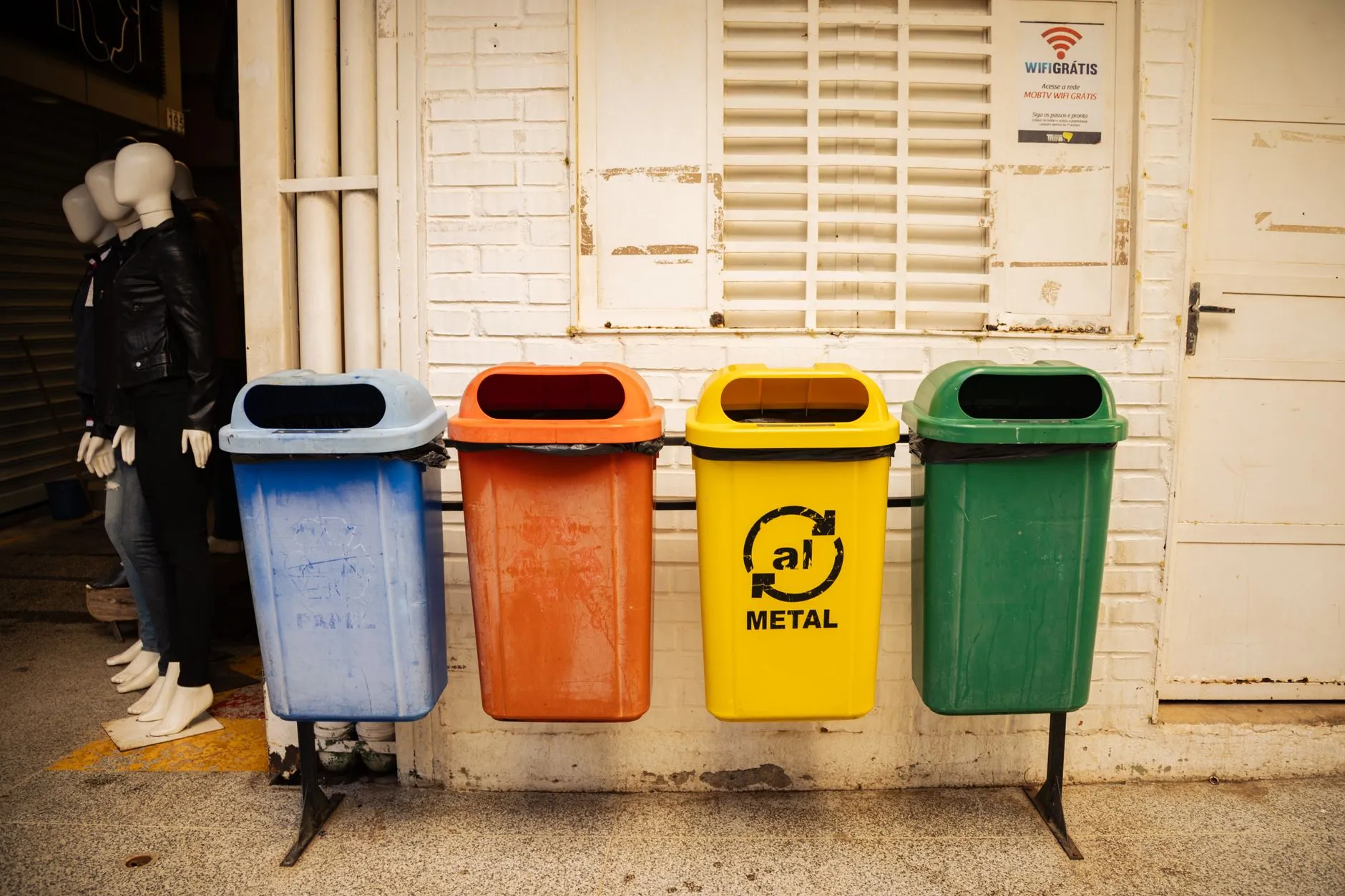
Global waste generation now sits at around 2.6 billion tonnes each year. Consequently, the climate implications of how we produce, use and discard materials are substantial. A report from the International Energy Agency, released during COP31 in Antalya, Türkiye, sets out how coordinated waste reduction could cut global greenhouse gas emissions by more than 1.5 billion tonnes annually by 2035. That figure is roughly equivalent to removing half the world's cars from the road.
The report frames waste as a cross-cutting issue that affects energy security, industrial costs and emissions alike. Waste disposal itself accounts for about 4% of global greenhouse gas emissions. Meanwhile, the sector contributes nearly one-fifth of all human-caused methane releases. Methane traps heat far more effectively than carbon dioxide over short timescales, making rapid reductions particularly valuable.
However, direct disposal emissions tell only part of the story. Materials require energy to extract, process, manufacture and transport. When products are discarded early or designed poorly, the energy embedded in their production is wasted too. This wider lens connects waste policy to raw material demand, industrial efficiency and supply chain emissions. Using fewer virgin materials and keeping products in circulation longer reduces the need for energy-intensive commodities such as steel, cement and plastics.
Three routes to lower emissions from waste systems
The IEA report was commissioned by the COP31 Presidency to support Türkiye's zero-waste agenda. It identifies three main areas where action could deliver measurable climate benefits by 2035.
First, preventing waste at source through better product design and more efficient material use. Products that last longer, use fewer resources and can be repaired reduce the volume of waste entering disposal systems. This approach tackles emissions before waste is even created.
Second, expanding collection and recycling infrastructure. Improved sorting, processing and recovery systems could help double global plastics recycling by 2035. Recycling reduces the need for virgin materials and lowers the energy intensity of manufacturing. However, it depends on functioning collection networks and viable end markets for recovered materials.
Third, recovering energy from unavoidable organic waste through controlled treatment. Biogas production could increase fourfold while reducing unmanaged methane emissions from decomposing organic matter. Landfills and poorly managed organic waste are significant methane sources. Capturing that gas for energy use addresses both emissions and energy supply.
Together, these measures form the basis of the IEA's projected 1.5 gigatonne reduction by 2035. Notably, the report does not break down how much each pathway contributes or identify which regions would deliver the largest cuts.
Türkiye's zero-waste campaign takes centre stage
Waste reduction is a core pillar of Türkiye's COP31 presidency. The country has set a target to reduce projected growth in global municipal waste by 50% by 2035. This sits alongside other summit priorities including methane reduction, electrification and energy-efficient urban planning.
President Recep Tayyip Erdoğan told the leaders' summit that Türkiye had returned approximately 90 million tonnes of waste to the economy through its domestic programme. He emphasised that the country would continue efforts until achieving zero-waste goals. First Lady Emine Erdoğan has been closely associated with the campaign, promoting international cooperation on recycling, food waste and methane control.
The presidency's agenda positions zero waste as a pathway to strengthen circular economy principles and reduce pollution. Bringing materials back into productive use reduces reliance on virgin resources and lowers the emissions intensity of manufacturing. Nevertheless, the gap between international pledges and on-the-ground implementation remains substantial.
Why methane from organic waste demands urgent attention
Methane's warming effect is roughly 80 times stronger than carbon dioxide over a 20-year period. This makes short-term methane cuts especially valuable for slowing near-term warming. Landfills and decomposing organic waste are important methane sources, particularly where collection and management systems are weak or absent.
The COP31 discussions have therefore emphasised landfill gas capture and separate collection of food waste. These measures can deliver rapid emissions reductions while producing biogas for energy. However, effectiveness depends heavily on local infrastructure and enforcement.
Champa Patel, Executive Director for Governments and Policy at the Climate Group, noted that subnational authorities regulate landfills, establish organic waste rules and shape municipal collection systems. She stressed that achieving the presidency's waste target depends on involvement from states, regions and cities. International commitments alone cannot deliver results without functioning collection networks, processing facilities and reliable monitoring.
This emphasis on local implementation reflects a practical reality. Waste management operates through municipal contracts, planning decisions and day-to-day service delivery. National governments can set targets and standards, but cities and regions control the infrastructure that determines whether waste is collected, sorted, recycled or sent to landfill.
Balancing recycling expansion with waste prevention
COP31 has generated renewed commitments on waste and methane, but questions remain about the scope of proposed measures. Greenpeace climate policy specialist Alpay welcomed the goal of halving projected waste growth. However, he argued that policies must address waste prevention at source rather than focusing primarily on recycling and disposal.
That distinction matters. Recycling reduces demand for virgin materials and lowers manufacturing emissions. Yet it cannot fully offset rising consumption or compensate for products designed for short lifespans. Effective policy therefore combines recycling targets with product redesign, reuse systems, repair infrastructure and producer responsibility schemes. Reducing avoidable food and material waste also plays a role.
Türkiye's position illustrates some of the tensions in global waste flows. While promoting zero waste internationally, the country received 503,000 tonnes of plastic waste from the European Union in 2025, according to Eurostat data cited by AFP. That represents nearly a 20% increase on the previous year. Waste trade can support recycling capacity when properly regulated and monitored. However, it also raises questions about environmental safeguards, traceability and whether waste is being displaced rather than prevented.
These dynamics highlight a broader challenge. Waste reduction involves complex trade-offs between prevention, reuse, recycling, energy recovery and disposal. Different materials require different approaches. Policies must account for local infrastructure capacity, economic viability and environmental risks. International coordination can support progress, but implementation remains intensely local.
Emissions reductions depend on infrastructure and enforcement
The IEA's analysis reframes waste as a climate issue that extends well beyond landfill methane. Waste reflects decisions made throughout the economy: how products are designed, which materials are extracted, how much energy manufacturing consumes and how quickly items are discarded.
A potential 1.5 billion tonne reduction by 2035 is substantial. For context, it exceeds the annual emissions of most individual countries. However, this figure represents an opportunity rather than a foregone conclusion. Realising it would require governments to introduce enforceable waste prevention standards, expand collection and sorting infrastructure, improve landfill gas capture and invest in recycling capacity. Energy recovery from organic waste must avoid undermining recycling or creating new pollution risks.
The distribution of projected reductions also matters. The publicly available IEA summary does not specify how much would come from waste prevention, recycling improvements, methane control or biogas production. Nor does it identify which countries would deliver the largest cuts or estimate the infrastructure costs involved. These details will shape whether the emissions pathway is realistic and equitable.
COP31 has positioned waste at the intersection of climate mitigation, public health, industrial policy and resource security. If governments translate new pledges into measurable national and local plans, waste reduction could become a meaningful emissions source by 2035. If commitments remain confined to broad targets without infrastructure funding, enforcement mechanisms and monitoring systems, the promised climate benefits will prove difficult to achieve.
Commercial implications for UK businesses
UK manufacturers, retailers and suppliers should expect waste reduction to feature more prominently in procurement criteria and regulatory requirements. Public sector buyers already apply carbon reduction standards through PPN 06/21 and similar frameworks. Waste prevention, circular design and recyclability are likely to become increasingly important as buyers seek to demonstrate progress against net zero commitments.
Suppliers competing for public contracts may face questions about product lifespan, material efficiency and end-of-life management. Businesses that can demonstrate reduced waste in manufacturing, improved recyclability or reuse systems will have an advantage. Those still relying on linear production models may find themselves disadvantaged in tenders or facing higher compliance costs.
Extended Producer Responsibility schemes are expanding across the UK, particularly for packaging and electronics. These regulations make producers financially responsible for the end-of-life treatment of their products. Consequently, businesses must factor collection, sorting and recycling costs into product pricing and design decisions. Early action to reduce packaging weight, increase recyclability and improve product durability can lower future compliance costs.
Supply chain transparency is also under pressure. Buyers increasingly request data on Scope 3 emissions, which include waste generated during product use and disposal. Companies without robust waste tracking systems may struggle to provide accurate figures. This can affect tender competitiveness and investor confidence. Establishing clear baseline measurements now will make future reporting requirements easier to meet.
The global emphasis on waste reduction may also affect raw material prices and availability. As more countries introduce waste prevention policies and expand recycling, demand for virgin materials such as plastics, metals and timber could shift. Businesses reliant on single-use materials or hard-to-recycle composites may face rising costs or sourcing constraints. Conversely, those using recycled content or designing for disassembly could benefit from more stable supply chains.
Food manufacturers and retailers face specific risks around organic waste. Methane reduction targets will drive stricter controls on food waste disposal. Separate collection requirements are expanding, and landfill bans for organic waste are already in place in parts of the UK. Businesses generating significant food waste should assess options for waste reduction, redistribution and controlled treatment. Carbon reporting obligations may soon require detailed disclosure of food waste volumes and associated emissions.
Insurance and finance sectors are also responding. Lenders and insurers increasingly consider environmental risks, including waste management practices, when assessing business viability. Companies with poor waste records or significant landfill dependence may face higher premiums or restricted access to capital. Demonstrating waste reduction progress can improve risk profiles and support access to green finance.
For SMEs, the challenge lies in balancing immediate operational demands with longer-term policy shifts. Many small businesses lack dedicated sustainability staff or capital for infrastructure upgrades. However, incremental steps such as waste audits, supplier engagement and process efficiency improvements can deliver cost savings while building resilience against future regulatory change. Training and skills development can help teams understand waste reduction opportunities and integrate them into daily operations.
Summary of key figures
- Global municipal waste generation totals approximately 2.6 billion tonnes each year.
- Waste disposal, treatment and incineration account for around 4% of global greenhouse gas emissions.
- The waste sector contributes nearly one-fifth of all human-caused methane emissions.
- Coordinated waste reduction could cut annual emissions by more than 1.5 billion tonnes by 2035, according to the IEA.
- COP31 has set a target to reduce projected growth in municipal waste by 50% by 2035.
- Türkiye reported returning approximately 90 million tonnes of waste to the economy through its domestic programme.
- The European Union shipped 503,000 tonnes of plastic waste to Türkiye in 2025, representing a nearly 20% increase year on year.
Practical considerations for waste reduction planning
Businesses assessing their waste position should start with accurate baseline data. Understanding current waste volumes, composition and disposal routes is essential. Many companies discover that waste costs are higher than assumed once disposal fees, handling time and lost material value are combined. A structured waste audit provides the foundation for targeting improvements.
Product design decisions have long-term consequences. Choices made at the design stage determine whether products can be repaired, remanufactured or recycled. Designing for disassembly, using fewer materials and selecting recyclable components can reduce lifecycle costs and regulatory exposure. Engaging suppliers early in the design process helps identify opportunities and constraints.
Operational efficiency often reveals quick wins. Segregating waste streams at source improves recycling rates and reduces disposal costs. Training staff to identify reusable materials or reduce packaging waste can deliver immediate savings. Process improvements that reduce offcuts, defects or obsolete stock lower waste volumes and material costs simultaneously.
Collaboration across supply chains can unlock value that individual businesses cannot achieve alone. Sharing data on material flows, coordinating packaging standards and establishing take-back schemes distribute costs and benefits more evenly. Industry groups and trade associations can facilitate collective action where competitive concerns might otherwise prevent progress.
Regulatory compliance is a moving target. UK waste regulations are evolving in response to devolved government priorities, EU alignment questions and international commitments such as those emerging from COP31. Monitoring policy developments and engaging with consultations allows businesses to anticipate changes and influence implementation details. Waiting for regulations to take effect leaves less room for manoeuvre and increases compliance costs.
Investment decisions should account for waste infrastructure gaps. The UK faces capacity constraints in recycling and organic waste treatment. Businesses relying on outsourced waste services need assurance that providers have viable long-term solutions. Evaluating provider credentials, processing routes and end-market stability reduces risk of service disruption or non-compliance.
Reputation and stakeholder expectations are also shifting. Customers, employees and investors increasingly scrutinise waste performance. Transparent reporting, measurable targets and demonstrated progress build trust and differentiate businesses in competitive markets. Conversely, poor waste management can damage brand value and attract regulatory attention.
Sources for further information
The International Energy Agency published the full report on synergies between waste reduction and energy decarbonisation. It provides detailed analysis of emissions pathways and policy options.
Information on COP31 outcomes and the presidency's zero-waste agenda is available through the United Nations Framework Convention on Climate Change website.
UK-specific waste policy and regulations are set out by the Department for Environment, Food and Rural Affairs. Guidance on Extended Producer Responsibility, waste data reporting and landfill controls is updated regularly.
The Environment Agency regulates waste treatment facilities and provides operational guidance for businesses managing waste in England.
The UK legislation website hosts the full text of waste-related regulations, including packaging, landfill and hazardous waste controls.