
COP31: Governments Need Effective Action on Power Plant Emissions
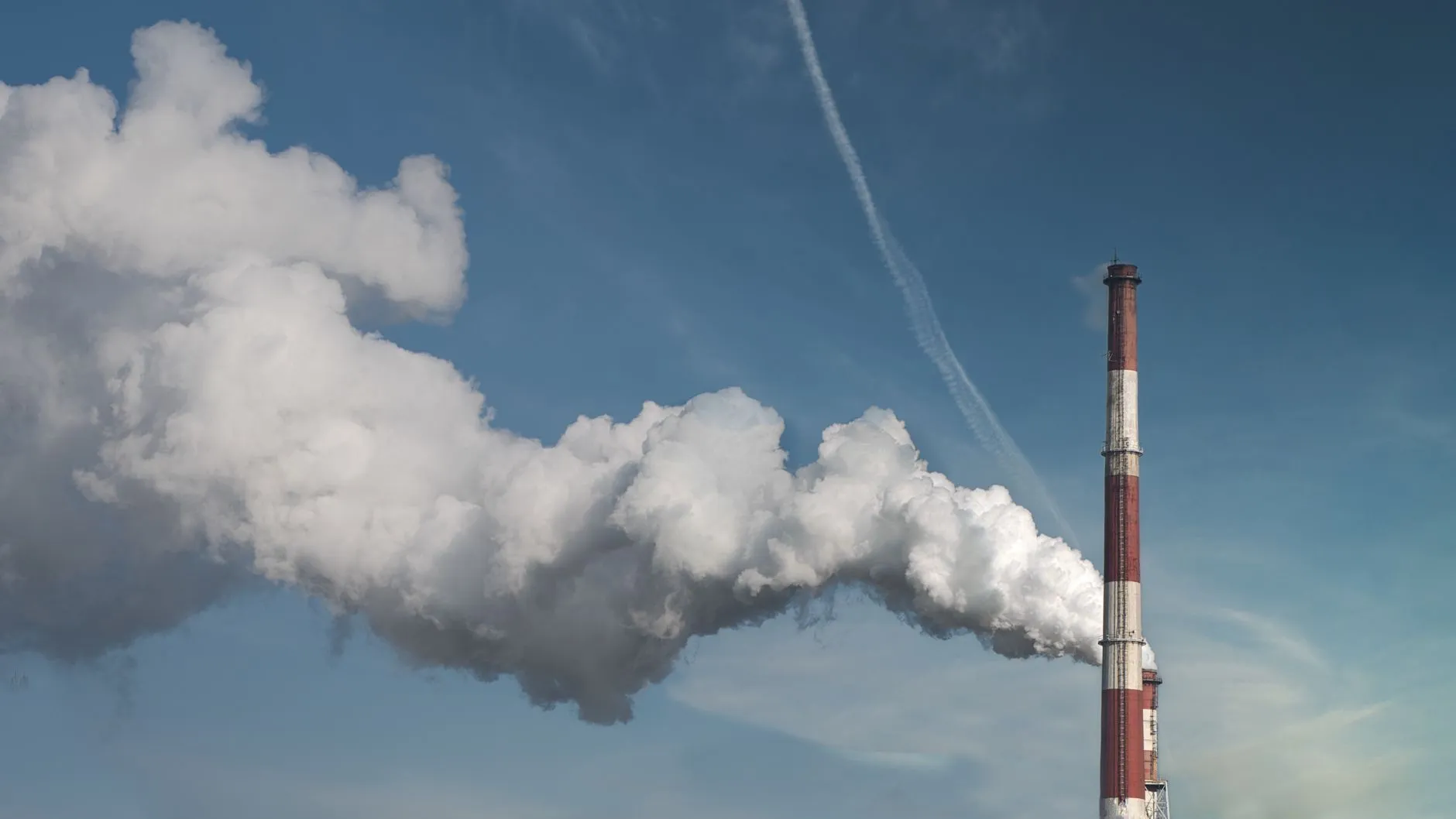
Governments meeting at COP31 in Antalya this November will confront an awkward reality. While national climate pledges grow more ambitious, the power plants those same governments own are lagging behind. A major study covering more than 13,000 fossil fuel facilities in 134 countries has found that state-owned generators produce far more carbon dioxide than their privately owned counterparts and respond less effectively to climate policy.
The scale of the problem is significant. Publicly owned utilities control nearly two thirds of global electricity generating capacity. If those facilities continue to underperform, carbon pricing systems and renewable mandates will deliver weaker results than ministers expect. For UK businesses tracking international climate commitments and watching how policy translates into real emissions cuts, the findings raise questions about credibility.
This matters commercially because electricity generation underpins decarbonisation across transport, manufacturing and buildings. When the power sector fails to clean up, emissions targets become harder to meet. That affects everything from energy costs to carbon reporting requirements and the feasibility of electrification strategies.
State-owned generators emit three times more than private operators
Researchers examined 13,661 fossil fuel power plants operating between 2009 and 2018. Around 38 per cent of those facilities were government owned. However, those state-controlled plants accounted for 69 per cent of total emissions in the sample.
The average government-owned facility emitted approximately 910,000 metric tons of carbon dioxide each year. By comparison, investor-owned plants averaged 290,000 tons annually. Cooperative facilities produced roughly 109,000 tons per year. Consequently, the typical state-run plant emitted three times as much as a private generator and more than eight times the output of a cooperative.
The researchers emphasised that these figures do not prove regulatory breaches. Instead, they indicate slower responsiveness to climate policy measures. State-owned utilities appear less willing or able to reduce emissions even when national rules require it.
Renewable mandates worked, but most policies failed to cut emissions from public plants
The study compared 2018 emissions with data from a decade earlier and tracked how different ownership types responded to policy instruments. These included renewable portfolio standards, carbon pricing, fuel regulations and subsidies.
Several measures were statistically linked to lower emissions among investor-owned plants. For state-owned facilities, only renewable energy mandates showed a significant effect. Carbon pricing, regulatory standards and subsidy reforms produced little measurable change in public sector emissions.
This pattern held even when researchers adjusted for policy stringency and implementation timelines. Therefore, the issue is not simply whether governments pass climate laws. The problem lies in whether publicly owned utilities actually comply with those rules once they are in force.
One of the study's authors noted that governments must do more than enact climate policies. They also need to ensure all plants translate those policies into meaningful emissions cuts. The evidence suggests that is not happening consistently across the public sector.
Political pressures and competing mandates slow the energy transition
State-owned utilities face pressures that private operators largely avoid. Governments expect them to keep electricity affordable, protect jobs, generate tax revenue and maintain reliable supply. In countries reliant on coal or gas, political considerations often outweigh environmental objectives.
Public utilities may be tied to domestic fuel industries, regional employment and public finances. Consequently, retiring older coal plants or shifting rapidly to renewables can trigger resistance from mining communities, trade unions and treasury officials. These competing demands make it harder for ministers to enforce emissions reductions on assets they control.
Private generators, by contrast, respond more directly to financial signals. Carbon prices, investor expectations and fuel costs influence investment decisions. That does not guarantee lower emissions, but it does explain why investor-owned plants in the study reacted more strongly to policy instruments.
The research did not assess enforcement practices in individual countries. As a result, it cannot confirm whether state-owned plants received preferential treatment or faced weaker oversight. Nevertheless, the emissions gap suggests accountability mechanisms are not working as intended.
COP31 in November 2026 must address public sector performance
COP31 will take place in Antalya, Türkiye, from 9 to 20 November 2026. The agenda includes emissions reductions, clean energy transitions, climate finance and adaptation support. The United Nations has described the conference as an opportunity to advance international cooperation and support communities facing climate risks.
Governments arrive under growing pressure to turn pledges into measurable cuts. The study adds a governance challenge to that list. Countries must scrutinise emissions from utilities they own, not only regulate private companies. Public ownership should be treated as part of the transition, not an exemption from it.
For businesses watching international climate policy, COP31 offers a test. Will governments impose stricter accountability on their own assets or continue to operate high-emitting plants while demanding cuts from industry? The answer will affect energy prices, grid decarbonisation rates and the reliability of national climate targets.
Commercial and regulatory implications for UK businesses
Electricity generation is central to decarbonisation because power plants remain among the largest sources of greenhouse gas pollution. Progress in this sector also determines how quickly transport, buildings and manufacturing can electrify without increasing overall emissions.
The findings carry several practical consequences for UK firms. First, national climate goals should translate into binding reduction plans at plant or utility level. Without enforceable targets, state-owned generators will continue to underperform. That delays grid decarbonisation and raises costs for businesses relying on clean power.
Second, governments should disclose performance data regularly. Public reporting would allow businesses and investors to compare state-owned utilities with private operators. Transparency also creates accountability. When emissions data is published, underperformance becomes harder to justify.
Third, climate policies need credible enforcement. Rules that work for private companies have limited impact if public utilities are not monitored or held to the same standards. Enforcement mechanisms must apply equally across ownership types.
Fourth, ownership should not determine climate obligations. State-owned facilities should meet the same environmental standards as investor-owned plants, or stricter ones. Governments cannot credibly regulate industry while exempting their own assets from similar scrutiny.
Finally, reliability and affordability concerns require targeted solutions. Ministers may need financial support, grid investment and worker transition programmes to retire high-emitting plants without disrupting electricity access. However, these challenges do not justify continued operation of carbon-intensive facilities that undermine national targets.
For UK businesses, the implications extend beyond domestic policy. Many firms operate internationally or rely on supply chains that cross borders. When governments fail to decarbonise their own power sectors, global emissions targets slip further out of reach. That increases climate-related risks and complicates long-term planning.
What the research reveals about state ownership and emissions performance
- Government-owned plants accounted for 69 per cent of emissions in a sample covering 13,661 fossil fuel facilities across 134 countries.
- The average state-owned generator emitted approximately 910,000 metric tons of carbon dioxide annually, compared with 290,000 tons for investor-owned plants and 109,000 tons for cooperatives.
- Only renewable portfolio standards were significantly associated with emissions reductions at government-owned facilities, while several other policies showed measurable effects on private operators.
- State-owned utilities face competing political and economic demands, including pressure to keep electricity affordable, protect employment and generate tax revenue.
- The study does not prove regulatory breaches or preferential treatment, but it indicates slower responsiveness to climate policy measures among publicly owned generators.
Accountability gaps threaten climate policy effectiveness
The study does not argue for privatisation. Government ownership can support long-term infrastructure investment and extend reliable electricity service to underserved communities. The central issue is accountability. Governments that own power plants must ensure those assets support national climate commitments rather than undermine them.
For businesses, this distinction matters. Climate policy effectiveness depends on whether all actors face comparable obligations. When state-owned utilities lag behind, the overall pace of decarbonisation slows. That affects energy costs, carbon reporting accuracy and the feasibility of sector-wide electrification.
Moreover, the credibility of national climate targets depends on whether governments apply the same standards to their own operations. Companies investing in decarbonisation or preparing for stricter regulations need confidence that policy frameworks are consistent and enforceable. Weak accountability for public assets erodes that confidence.
The research also highlights a gap between policy adoption and implementation. Governments may pass ambitious climate legislation while failing to enforce it on utilities they control. Consequently, emissions reductions remain uneven and national targets become harder to achieve.
UK businesses preparing for carbon reporting compliance should monitor international developments closely. The performance of publicly owned generators affects global emissions trajectories and the reliability of international climate commitments. Those commitments, in turn, shape domestic policy and commercial expectations.
Practical steps governments must take after COP31
Governments attending COP31 should recognise that climate action is measured not only by the strength of pledges but also by the emissions performance of public assets. State ownership gives ministers direct influence over investment decisions, fuel choices, plant retirements and grid planning. Therefore, it also creates a direct responsibility to accelerate the transition away from fossil fuels.
Clear emissions targets at plant or utility level are essential. National goals must be broken down into enforceable reduction plans for individual facilities. Without that level of detail, accountability remains weak and performance continues to lag.
Regular public reporting should become standard practice. Governments that own power plants should publish emissions data, fuel consumption and performance benchmarks. That information allows businesses, investors and civil society to assess progress and identify underperformance.
Enforcement mechanisms must apply equally across ownership types. Carbon pricing systems, renewable mandates and fuel standards should not exempt public utilities. Similarly, monitoring and penalties for non-compliance should be consistent regardless of whether a plant is government-owned or privately operated.
Financial and operational support may be necessary to manage the transition. Grid upgrades, worker retraining programmes and community investment can help governments retire high-emitting plants without compromising electricity access or regional economies. However, these measures should support decarbonisation, not delay it.
For UK firms, these developments are relevant because they affect international climate policy credibility. Businesses making long-term investment decisions or setting science-based targets need confidence that governments will meet their commitments. The performance of state-owned utilities is a key indicator of whether that confidence is justified.
Our compliance team works with businesses navigating carbon reporting requirements and preparing for stricter regulatory standards. Understanding how international policy translates into real emissions reductions helps firms anticipate changes and plan accordingly.
Where to find further information on climate policy and public sector emissions
The UK government publishes guidance on emissions reporting and net zero commitments through the Department for Energy Security and Net Zero. This includes policy updates, regulatory frameworks and sector-specific decarbonisation strategies.
The United Nations Framework Convention on Climate Change provides information on COP31 and international climate negotiations through its official website. Details on conference agendas, national commitments and policy developments are updated regularly.
For businesses seeking practical support with carbon reporting and emissions reduction, our net zero hub offers guidance on compliance, cost control and sustainable procurement. We help SMEs translate policy developments into actionable steps that meet regulatory requirements and support commercial objectives.