
COP31: Guterres emphasizes climate action's role in UN's future
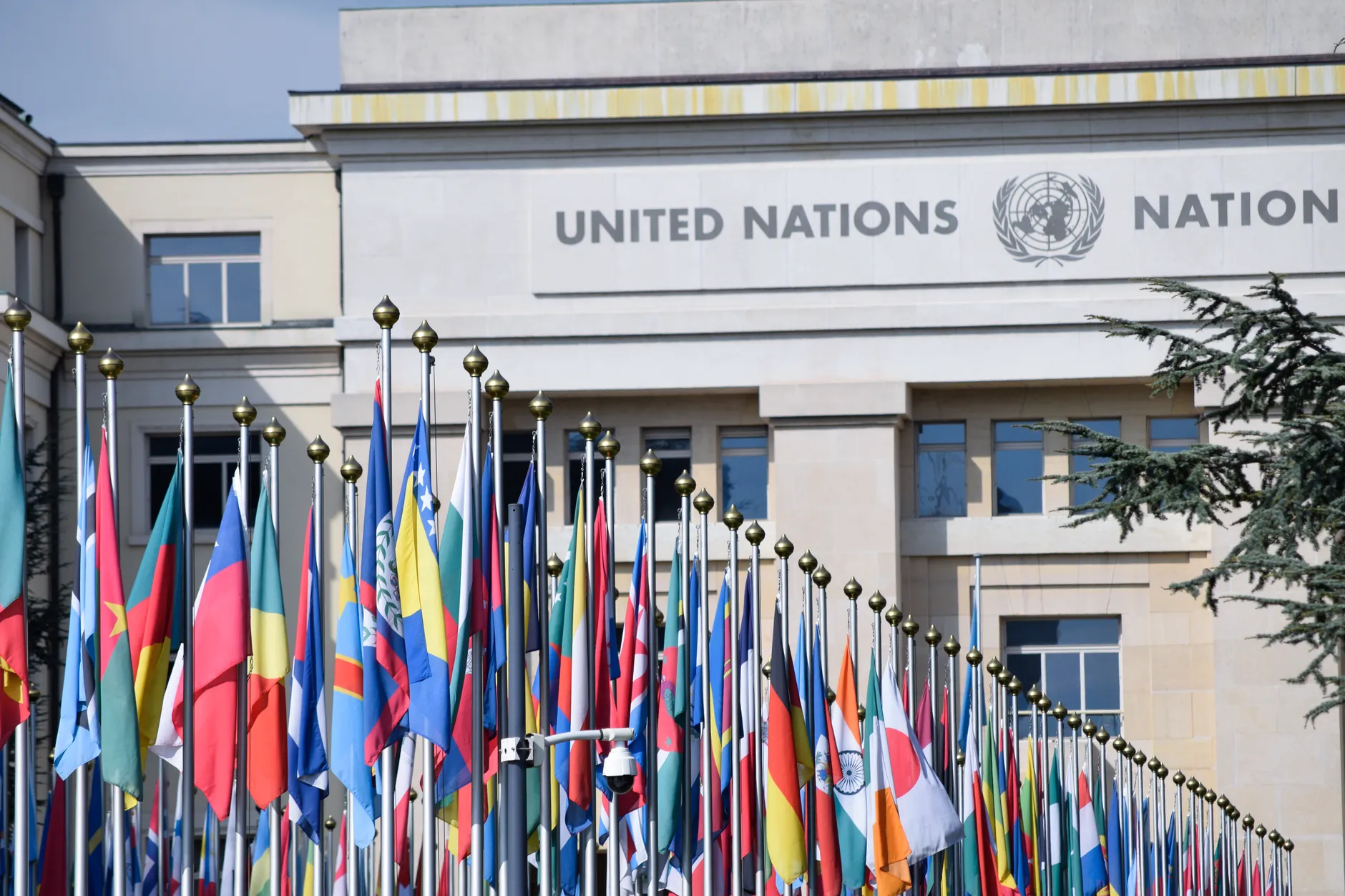
The UN secretary-general used his final climate summit to deliver a stark message. António Guterres told governments in Antalya that climate action must remain at the core of the United Nations' work. Moreover, he warned that the world is moving too slowly to protect the 1.5°C temperature limit agreed in Paris. His intervention connects climate policy directly to economic security, geopolitical stability and human rights.
For UK businesses, this matters because international climate diplomacy shapes domestic regulation. Consequently, the direction set at COP31 will influence carbon reporting rules, supply chain standards and the pace of the energy transition. Furthermore, the finance disputes playing out in Türkiye affect the trade environment for companies working across borders.
Guterres is stepping down at the end of 2026. His departure raises questions about whether climate policy will retain the same political weight within the UN system. The emphasis he placed on fossil-fuel dependence as an economic vulnerability echoes the risks many UK firms now face from volatile energy costs.
Science shows temporary overshoot of 1.5°C is now unavoidable
Guterres confirmed what recent climate science has been indicating. A temporary breach of the 1.5°C warming threshold is now inevitable. However, he argued that the scale and duration of that overshoot remain within political control. The difference depends on whether major emitters deliver immediate and substantial cuts to emissions.
At the opening Leaders' Summit, he described the situation plainly. "The brutal truth is that the climate crisis is outrunning us," he said. Nevertheless, countries still have the capacity to limit any temperature spike to a short period. That outcome requires faster coordination and stronger national policies than are currently in place.
The challenge is that current commitments fall well short of the reduction pathway needed. Therefore, the gap between stated ambitions and actual emissions trends continues to widen. This divergence creates regulatory uncertainty for businesses planning capital investment in energy, transport and manufacturing.
UK firms should expect tighter emissions standards as governments respond to this scientific pressure. In addition, carbon pricing mechanisms and border adjustment measures are likely to intensify. Consequently, companies with high-carbon supply chains face increasing commercial risk.
Fossil fuel reliance creates economic and geopolitical exposure
Guterres framed fossil-fuel dependence as a structural vulnerability, not just an environmental issue. He argued that reliance on oil and gas leaves economies exposed to price shocks and geopolitical instability. Switching suppliers does not remove that risk because disruptions anywhere in the global system affect prices everywhere.
His solution is to reduce dependence itself. Specifically, he called for expanded clean energy capacity, improved electricity grids, energy storage and widespread electrification. These measures insulate economies from the volatility of international fuel markets.
He also cited the cost of energy insecurity in concrete terms. The European Union has paid more than €100 billion in additional fossil-fuel import costs since the Middle East conflict began. Meanwhile, petrol prices have risen by approximately 26% across 130 countries, with diesel up 38%. He added that nine oil companies were on track to earn over $95 billion in a single quarter.
For UK businesses, this analysis has practical implications. Energy-intensive sectors remain vulnerable to sudden cost increases. Furthermore, procurement teams face pressure to demonstrate supply chain resilience in tenders, particularly for public sector contracts. The shift towards electrification and renewable energy therefore becomes both a compliance issue and a risk management strategy.
Companies with long-term energy contracts should review exposure to fossil-fuel price volatility. Similarly, those planning capital projects need to assess whether gas-dependent infrastructure will remain competitive as electricity costs fall and carbon prices rise.
Finance shortfalls undermine adaptation in developing economies
Climate finance was a flashpoint at COP31. Guterres said wealthy countries must honour existing commitments and provide significantly more support to vulnerable nations. He warned that even tripling adaptation finance would meet less than 30% of developing countries' needs.
This shortfall affects countries dealing with floods, droughts, heat stress and rising sea levels. Consequently, infrastructure gets destroyed repeatedly without sufficient resources for reconstruction or resilience. The finance gap reflects a broader justice question: nations that contributed least to emissions often suffer the worst impacts.
Guterres argued that fossil-fuel companies should contribute through taxes on extraordinary profits. Those revenues could then flow to communities facing climate damage they did little to cause. This proposal remains politically contentious, but it signals growing pressure on high-emitting industries.
For UK firms, the finance debate has supply chain implications. Companies sourcing from climate-vulnerable regions face disruption risks as extreme weather events become more frequent. In addition, UK businesses operating in developing markets may encounter new taxes or levies designed to fund adaptation measures.
The finance discussion also affects UK exporters. Countries receiving climate finance often attach conditions around technology transfer and local content. Therefore, businesses offering clean energy solutions need to understand how international funding mechanisms work and what procurement criteria apply.
Electrification and urban resilience move up the agenda
COP31 has placed greater emphasis on implementation rather than target-setting. For the first time, the Leaders' Summit included a high-level dialogue focused specifically on urban resilience and climate action in cities. UN-Habitat chief Anacláudia Rossbach summarized the shift: "Housing is climate action. Urban planning is climate action. Access to basic services is climate action."
The summit also highlighted electrification as a priority. A proposed "35-by-35" pledge aims to increase electricity's share of global energy use to 35% by 2035. More than 100 national leaders attended discussions on electrification and waste reduction. This practical focus marks a shift from abstract commitments towards changes in energy systems, buildings and transport.
For UK manufacturers, the electrification push accelerates the transition away from gas-powered processes. Consequently, firms using industrial heat or steam should assess electric alternatives. Similarly, transport operators face mounting pressure to switch fleets to battery or hydrogen power.
The urban resilience agenda affects construction firms and property developers. Building standards are tightening around energy efficiency, flood risk and heat stress. In addition, planning authorities increasingly require developments to demonstrate climate adaptation measures.
UK businesses supplying clean technology stand to benefit from this implementation focus. However, competition is intensifying as governments direct finance towards domestic supply chains. Therefore, exporters need to demonstrate clear cost or performance advantages.
Essential facts from COP31
- COP31 is taking place in Antalya, Türkiye, from 9 to 20 November 2026, with participation from governments, negotiators and international organizations.
- António Guterres is stepping down as UN secretary-general at the end of 2026, making this his final climate summit in that role.
- Temporary overshoot of the 1.5°C Paris Agreement target is now considered unavoidable, though the duration and scale remain within political control.
- The European Union has paid over €100 billion in additional fossil-fuel import costs since the Middle East conflict began, while global petrol prices rose 26% and diesel 38%.
- Even tripling current adaptation finance would cover less than 30% of developing countries' climate-related needs.
- The proposed "35-by-35" electrification pledge aims to raise electricity's share of final global energy use to 35% by 2035.
- For the first time at a UN climate conference, COP31 held a dedicated high-level dialogue on urban resilience and adaptation.
How UK businesses should respond to shifting climate expectations
Guterres's final intervention underscores a fundamental shift. Climate policy is no longer treated as a standalone environmental issue. Instead, it now connects directly to energy costs, supply chain security and compliance obligations. UK firms should therefore integrate climate considerations into core business planning rather than treating them as a separate workstream.
The emphasis on fossil-fuel vulnerability has immediate relevance. Businesses reliant on gas for heating or processes face both cost volatility and regulatory pressure. Consequently, energy audits should assess electrification options and renewable alternatives. This analysis becomes more urgent as carbon prices rise and grid electricity becomes cleaner.
Companies bidding for public contracts need to understand how climate commitments translate into procurement criteria. The SBS net zero program supports businesses with carbon reporting and PPN 06/21 compliance, which remains mandatory for central government suppliers. Furthermore, local authorities and NHS trusts increasingly apply similar standards to their own tenders.
Supply chain resilience deserves closer attention. Climate impacts in sourcing regions create operational risks that standard business continuity plans often miss. Therefore, procurement teams should map exposure to flood zones, water stress and extreme heat. In addition, supplier carbon data becomes essential for Scope 3 reporting under emerging regulations.
The finance discussions at COP31 signal potential changes to trade and investment conditions. Countries receiving climate finance may introduce local content requirements or technology transfer obligations. UK exporters should monitor these developments, particularly in sectors such as renewable energy, water management and climate adaptation infrastructure.
Training staff on climate policy and carbon management is becoming a commercial necessity. Our SBS Academy offers practical courses on emissions reporting, supply chain assessment and regulatory compliance. These skills help teams respond quickly as requirements evolve.
For many firms, the most practical step is establishing a baseline carbon footprint. This measurement identifies major emission sources and highlights cost-saving opportunities. It also provides the data needed for tender responses, investor questions and customer due diligence. Our compliance support services help businesses build credible carbon reporting systems without diverting resources from core operations.
Where to find authoritative guidance on climate policy
The UK government's climate policy is coordinated by the Department for Energy Security and Net Zero, which publishes guidance on emissions reporting, energy efficiency schemes and the transition to clean power.
Official records of international climate negotiations, including COP31 outcomes, are available through the UN Framework Convention on Climate Change website. This resource provides the full text of agreements, national commitments and technical reports.
The UK Hydrogen Strategy sets out the government's approach to developing hydrogen as an alternative to natural gas in industrial processes and heavy transport. This document is essential reading for energy-intensive businesses assessing decarbonization options.
For firms navigating public sector procurement requirements, the Procurement Policy Note 06/21 explains carbon reduction plan requirements for contracts above £5 million annually. Compliance with PPN 06/21 is mandatory for central government suppliers and increasingly expected across the wider public sector.