
At COP31, Governments Must Invest in Farming Systems Built to Endure
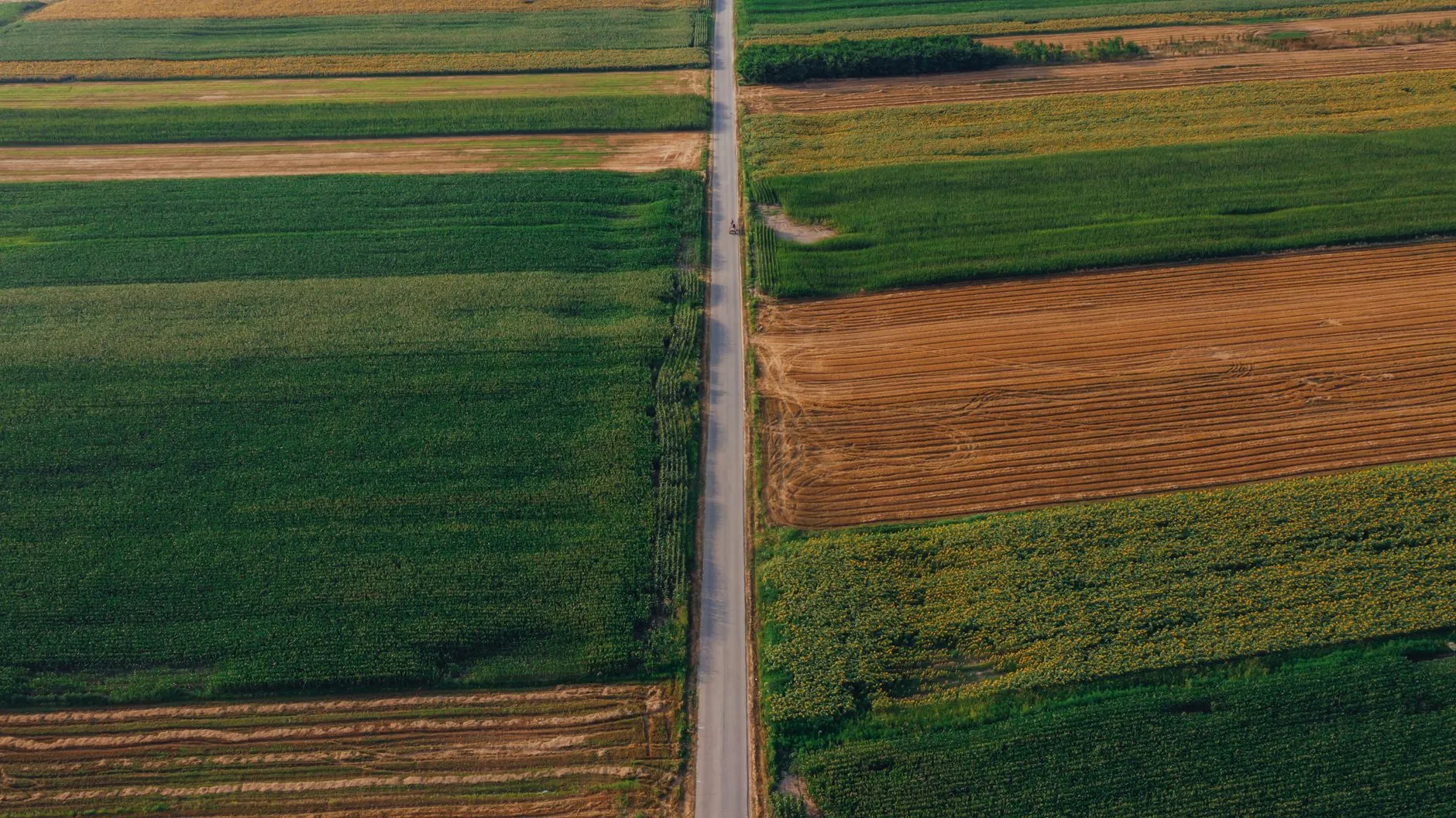
Climate negotiations take place against technical backdrops, but for farmers the decisions made at these summits translate directly into financial risk. As governments prepare for COP31 in Antalya this November, agriculture sits at the centre of a difficult question. Can the sector feed growing populations while cutting emissions and adapting to more volatile weather? And if it can, who pays for the transition?
For UK businesses working in food production, processing or supply chains, the answer matters. International climate policy increasingly shapes trade rules, procurement standards and investor expectations. Meanwhile, the gap between what governments promise and what they fund continues to widen.
The agriculture and food system accounts for roughly a third of global greenhouse gas emissions. It also employs billions of people and covers most of the world's usable land. Consequently, any credible path to net zero must run through farms, forests and fisheries. Yet the finance required to change how food is grown, processed and distributed remains a fraction of what analysts estimate is needed.
National climate plans overlook most food-system emissions
Countries now routinely mention agriculture in their national climate commitments. According to the Food and Agriculture Organization, 94% of countries identify food and farming as priorities for climate adaptation. Similarly, 91% include the sector in their mitigation plans.
However, these commitments rarely cover the full emissions footprint. The same FAO analysis found that existing climate plans address only around 40% of total agrifood-system emissions. This leaves significant sources unaccounted for.
Livestock emissions are particularly underrepresented. Approximately two thirds fall outside current national plans. Emissions from fertiliser production, food processing, transport and waste show an even larger gap, with an estimated 82% excluded from formal commitments.
This mismatch reveals a pattern. Governments acknowledge the sector's vulnerability and importance, but their policies do not yet reflect the scale of transformation required. The result is a growing disconnect between ambition and implementation.
Climate finance for food systems has fallen in recent years
The financial shortfall is sharpest in developing countries, where farmers face the greatest climate risks. Heat, drought and floods hit hardest in regions with the least access to insurance, affordable credit or technical support.
FAO estimates that transforming global food systems in line with climate goals requires approximately US$1.15 trillion each year through 2030. Current funding averages around US$28.5 billion annually. That represents roughly one fortieth of the estimated need.
Moreover, the trend is moving in the wrong direction. Climate-related development finance to agrifood systems declined by 10% in 2024, compared with a 2% decline across all sectors. Only 5% of total climate finance reached food-producing sectors such as crop production, forestry, livestock and fisheries.
Earlier research shows a longer decline. The share of global climate finance directed to agriculture and land use fell from an average of 45% in the early 2000s to 22% by 2020. This suggests that agriculture features prominently in summit declarations but receives funding that does not match its economic or environmental weight.
The consequences extend beyond individual farms. Underinvestment increases food price volatility, accelerates land degradation and deepens rural poverty. It also makes countries more dependent on supply chains that are themselves vulnerable to climate shocks.
What farmers need to build resilience and cut emissions
No single technology or practice will deliver a resilient food system. Durable change requires diversified approaches that reduce exposure to climate shocks while rebuilding soil health, water resources and ecological function.
Crop diversification and rotation reduce pest and disease pressure. They also spread market risk and improve soil structure. Agroforestry and integrated crop-livestock systems provide shade, improve soil organic matter and create additional income streams.
Better soil management matters as much as new crops. Cover crops, composting and reduced tillage help soils retain water during drought and resist erosion during heavy rain. Efficient irrigation and drought-resilient varieties reduce dependence on unreliable rainfall.
Sustainable fertiliser use and improved nitrogen management cut emissions while lowering input costs. Restoring degraded land, watersheds and rangelands rebuilds the natural systems that underpin food production.
Infrastructure also plays a role. Local processing and storage facilities reduce losses and improve market access. Farmer-led research, extension services and climate information help producers adapt to changing conditions. Insurance, concessional credit and public guarantees enable smallholders to invest without taking on unmanageable debt.
These measures can deliver multiple benefits. Farms become more resilient, emissions fall, biodiversity improves and rural livelihoods stabilise. Nevertheless, most involve upfront costs and a period of uncertainty before benefits appear.
This timing creates a barrier. Farmers may need new equipment, seed varieties, training or labour before a diversified system generates higher or more stable returns. If transition costs fall entirely on producers, adoption remains uneven. Smallholders and those operating on thin margins are least able to take the risk.
Restoring degraded land strengthens climate adaptation
Agricultural resilience depends on the condition of the land itself. Degraded soils hold less water, erode more easily and become less productive during drought or heavy rainfall. Therefore, restoring land functions as both a climate adaptation measure and a long-term investment in food security.
The UN Convention to Combat Desertification has emphasised that existing finance for sustainable land management remains inadequate. Farmers continue to bear a disproportionate share of transition costs, particularly in regions where land degradation is already severe.
Regenerative practices such as improved soil cover, rotational grazing, agroforestry and reduced disturbance can enhance resilience. However, they should not be promoted as cost-free solutions. Success depends on local conditions, reliable markets, appropriate advice and financial arrangements that protect farmers from excessive debt.
Market-based instruments including resilience credits and carbon finance could supplement public investment. Such tools require credible standards, transparent monitoring and safeguards against overstating environmental benefits or excluding small producers. Without these protections, they risk rewarding projects that displace communities or rely on unverified claims.
November 2026 summit offers chance to align finance with need
COP31 will take place in Antalya from 9 to 20 November 2026, under Türkiye's hosting. The conference provides an opportunity to connect climate negotiations with the practical financial needs of farmers and land users.
A credible agriculture agenda should prioritise several areas. First, the volume of finance must increase substantially. Agrifood systems need a larger share of adaptation and mitigation funding, not just isolated pilot projects.
Second, funding must reach the people who manage the land. Smallholders, pastoralists, fishers, Indigenous communities and women farmers need simpler application procedures, local institutions and appropriate financial products. Complex bureaucracy and distant decision-making exclude the very producers who could deliver change.
Third, grants and concessional finance should cover initial transition costs. Low-interest loans and guarantees can support longer-term investment without pushing farmers into unsustainable debt. This matters particularly in regions where commercial credit is expensive or unavailable.
Fourth, adaptation finance deserves equal attention to mitigation. FAO data shows that adaptation represented 45% of climate-related development finance to agrifood systems in 2024, compared with 30% across all sectors. This reflects the sector's exposure to climate hazards, yet adaptation funding remains far below estimated need.
Fifth, climate action should be linked explicitly to land restoration. Investments must support soil health, watershed protection, drought resilience and biodiversity, rather than treating emissions reductions separately from ecological recovery.
Sixth, public policy must align with private capital. Governments can use guarantees, procurement policies, tax incentives and blended-finance structures to reduce risk for responsible investment. Public finance cannot meet the full need alone, but it can create conditions that attract longer-term private commitment.
Finally, outcomes should be measured transparently. Projects must report not only tonnes of carbon reduced, but also changes in farm income, water security, soil health, biodiversity and resilience to extreme weather. Without this broader accountability, finance flows to projects that perform well on narrow metrics but fail to deliver lasting change.
Seven priorities that connect climate finance to farm-level risk
- Substantially increase the share of climate finance directed to food and farming, moving beyond pilot projects to system-wide transformation.
- Simplify access for smallholders, pastoralists, fishers and women farmers through local institutions and appropriate financial products.
- Provide grants and concessional finance for upfront transition costs, reducing reliance on commercial debt.
- Fund adaptation alongside mitigation, recognising the sector's exposure to heat, drought, floods and volatile weather.
- Link climate investments to land restoration, soil health, watershed protection and biodiversity recovery.
- Use public guarantees, procurement policies and blended finance to align private capital with sustainable outcomes.
- Measure results transparently, including farm income, water security, soil condition, biodiversity and resilience to extreme weather.
Public and private finance must share transition risk
The central question for COP31 is not whether farming must adapt. It already is. The question is who finances adaptation and who bears the risk of changing established production systems.
Public finance has a role that private capital cannot replace. Governments can fund research, extension services, infrastructure, social protection and land restoration. They can establish standards and absorb early-stage risks. Development banks can provide concessional lending and guarantees. Food companies and investors can contribute through longer-term purchasing agreements and supply-chain finance.
Safeguards are essential. Climate finance should not reward projects that displace communities, increase farmer indebtedness or rely on unverified carbon claims. Nor should resilience become a justification for maintaining systems that degrade soil, water and biodiversity.
For UK businesses, these debates shape the operating environment. Trade agreements increasingly include sustainability standards. Public procurement rules reward suppliers who demonstrate emissions reductions and resilience. Investors scrutinise supply-chain risks related to climate, water and land degradation. Understanding how international climate finance flows can help businesses anticipate regulatory shifts and identify opportunities in emerging markets.
At SBS, we work with businesses to navigate these changes. Our net zero program supports companies in measuring, reducing and reporting emissions across their operations and supply chains. We also provide sustainable procurement support for organisations seeking to align purchasing decisions with climate and resilience goals.
Where to find official guidance and data
The Food and Agriculture Organization publishes detailed analysis on climate finance and agrifood systems. Their reports track funding flows, identify gaps and provide country-level data. Visit the FAO website for the latest research and technical guidance.
The UN Convention to Combat Desertification offers resources on sustainable land management, drought resilience and land restoration finance. The UNCCD website includes policy briefs, case studies and information on market-based instruments for land restoration.
UK businesses should also monitor guidance from the Department for Environment, Food and Rural Affairs. Defra publishes updates on domestic agriculture policy, climate targets and trade standards that affect food and farming sectors.
COP31 negotiations will be covered by the UN Framework Convention on Climate Change. The UNFCCC website provides official documents, negotiation schedules and country submissions relevant to agriculture and land use.
Finally, the Intergovernmental Panel on Climate Change publishes comprehensive assessments of climate science, impacts and mitigation options. The IPCC website includes working group reports with detailed chapters on food systems, land use and adaptation strategies.