
COP31 President Urges Stronger Climate Action for Pacific Island Nations
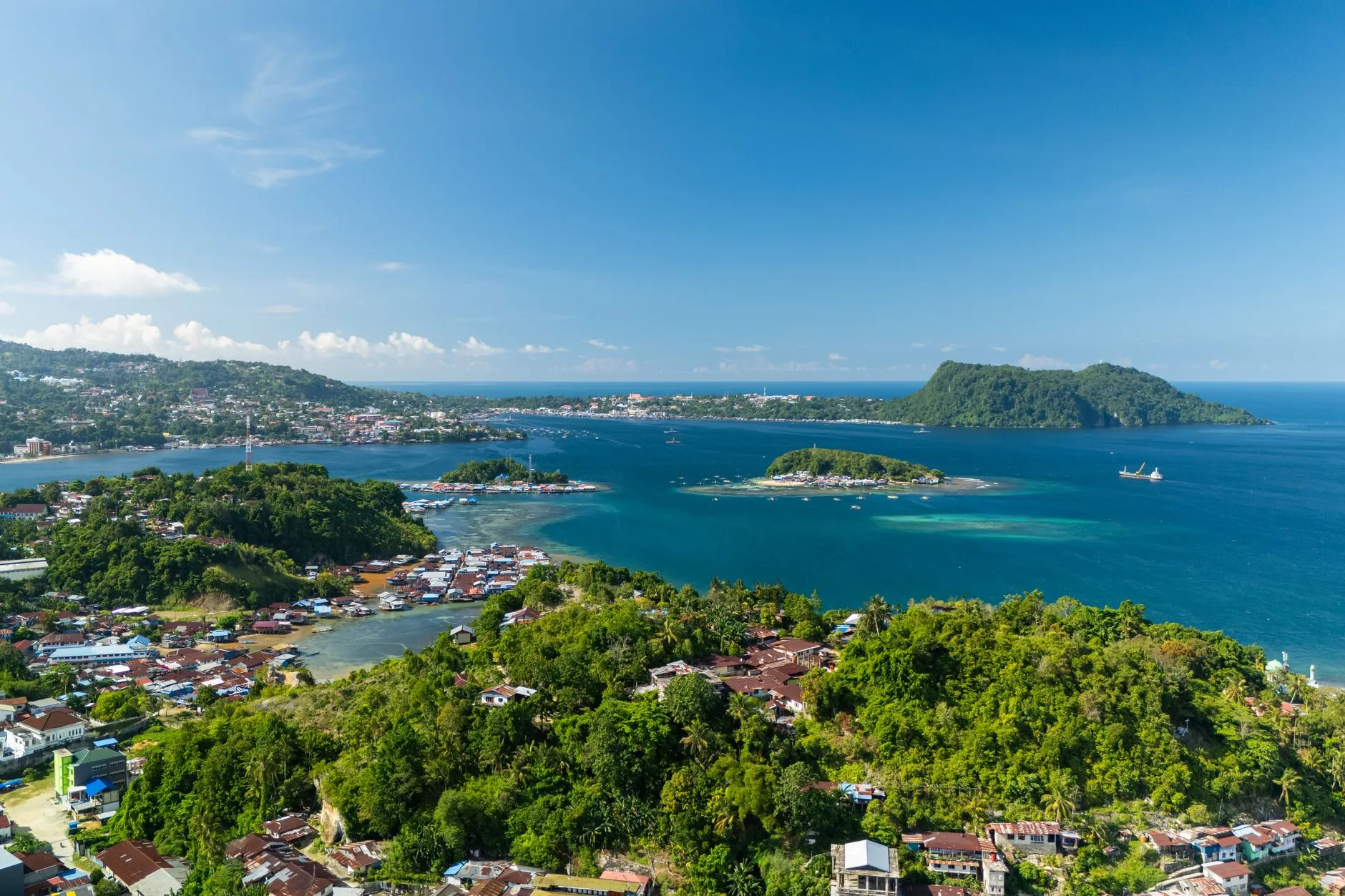
Pacific island states face a defining diplomatic moment in November 2026. COP31, hosted in Antalya, Türkiye, will test whether international climate negotiations can finally deliver practical support for countries confronting rising seas, coastal erosion and severe weather. For these nations, adaptation is not abstract policy. It means protecting freshwater supplies, rebuilding infrastructure repeatedly damaged by storms, and maintaining statehood amid threats that could render entire islands uninhabitable.
The conference has adopted an unusual structure. Türkiye retains the formal presidency and will host the World Leaders' Summit, while Australia takes charge of negotiations and works directly with Pacific governments to advance their priorities. Murat Kurum, nominated as COP31 president, has emphasised that this arrangement aims to ensure Pacific voices shape outcomes rather than simply observe them.
For UK businesses, particularly those with supply chains dependent on fisheries, tourism or agricultural exports from the region, the summit's outcomes matter commercially. Meanwhile, firms pursuing public sector contracts in the UK should note that this conference will likely influence how climate resilience and adaptation finance are assessed in tender criteria and reporting requirements.
How the presidency structure changes Pacific participation
Previous climate summits have acknowledged the vulnerability of small island developing states without translating that recognition into accessible finance or enforceable commitments. COP31's split presidency is designed to address this gap by embedding Pacific priorities throughout the negotiating process, not merely during ceremonial speeches.
Australia's role as negotiation president creates a formal channel for Pacific concerns. The partnership gives island governments a stronger position before talks begin in Antalya. Fiji, Tuvalu and Australia are scheduled to host a ministerial Pre-COP and leaders' event from 5 to 8 October 2026. This gathering will bring climate decision-makers directly to the Pacific several weeks before the main conference opens.
The Pre-COP format allows ministers and negotiators to engage with adaptation projects, coastal communities and infrastructure challenges firsthand. Consequently, Pacific governments hope to set the agenda while positions remain flexible rather than reacting to proposals drafted elsewhere. Australia and Türkiye have confirmed plans for a dedicated session on climate finance for small island developing states as part of the COP31 Action Agenda.
Kurum has framed his presidency around implementation. At the opening of COP31, he stated that climate decisions must reach affected communities rather than remain at the level of diplomatic commitments. He also described the 1.5°C temperature goal as a guiding reference and warned that postponing resilience investment would result in significantly higher disaster costs later.
Why Pacific nations represent the most urgent test of climate finance
Pacific island countries contribute negligible shares of historical greenhouse gas emissions. However, many face disproportionate exposure to climate impacts. Sea level rise threatens low-lying settlements, roads, ports, airports and essential infrastructure. Stronger storms, coastal flooding, erosion and changing ocean conditions add pressure to economies heavily dependent on fisheries, tourism and climate-sensitive agriculture.
The region's concerns extend beyond physical adaptation. Pacific governments have sought international recognition that climate-driven sea level rise should not automatically undermine maritime zones, statehood or the rights of displaced populations. A recent UN declaration on sea level rise highlighted the need to protect the long-term habitability, livelihoods and infrastructure of vulnerable states, particularly small island developing states and least developed countries.
The declaration calls for more predictable and accessible public and private finance. It also emphasises faster disbursement of bilateral, regional and international funding, better integration of sea level projections into coastal infrastructure planning, and greater use of ecosystem-based adaptation. Protection of ports, energy systems, transport, water networks, healthcare and telecommunications features prominently.
These priorities reflect the practical scale of the challenge. For many Pacific countries, adaptation is not a single coastal defence project. It involves redesigning settlements, securing freshwater, strengthening health systems, protecting food supplies and maintaining connectivity between remote islands. The costs are substantial, and the administrative burden of accessing international climate finance often exceeds the capacity of small national governments.
Finance barriers that prevent funds reaching communities
Climate finance will likely be the most consequential measure of COP31's success. Developing countries frequently report that funding is difficult to access, slow to arrive and poorly matched to local conditions. Small island states face additional barriers because they often have limited administrative capacity, high borrowing costs and projects that are too small or geographically dispersed for conventional investors.
The Australian government says the COP31 process will include a focus on finance for small island developing states. The UN's sea level rise declaration likewise calls for scaled-up, timely and predictable funding and improved coordination among providers. However, the gap between pledges and delivery remains wide.
The Pacific Resilience Facility is one regional attempt to address these problems. The facility is designed as a Pacific-owned mechanism for climate resilience and disaster preparedness, with an emphasis on sustainable financing and local decision-making. At the Pre-COP31 events, Fiji pledged $10 million and Solomon Islands pledged $1.1 million toward the facility, which is seeking to build a fund of $500 million.
Those contributions are politically significant because they demonstrate regional ownership. Nevertheless, they cannot substitute for international finance from developed countries. Pacific governments are pressing donor nations to meet their responsibilities while ensuring that funds reach communities quickly and with fewer bureaucratic requirements.
UN Climate Change Executive Secretary Simon Stiell has called for COP31 to address the barriers that prevent developing countries from accessing available funding and to accelerate delivery of adaptation finance. For UK firms involved in infrastructure, engineering or environmental consultancy, this could create opportunities to support adaptation projects. Equally, businesses should understand that climate reporting and compliance expectations are increasingly shaped by how governments respond to adaptation needs in vulnerable regions.
Connecting adaptation, loss and damage, and emissions cuts
COP31's Pacific agenda is expected to connect three issues that are often negotiated separately. Adaptation concerns measures that reduce exposure to impacts that are already occurring or unavoidable. These include seawalls, elevated infrastructure, water security projects, early warning systems and climate-resilient health services.
Loss and damage addresses harms that cannot be prevented through mitigation or adaptation. This includes destroyed homes, lost cultural sites, damaged ecosystems and the permanent displacement of communities. Pacific governments argue that loss and damage finance should not be provided as loans, which would increase debt burdens for countries that did not cause the problem.
Mitigation remains essential because the scale of future sea level rise and extreme weather risk depends heavily on how quickly global emissions fall. Pacific governments continue to argue that keeping warming close to 1.5°C is necessary to limit the risks facing their countries. Consequently, the summit's credibility depends on whether major emitters commit to faster emissions reductions alongside adaptation finance.
Kurum has warned that delay increases costs. As reported during the COP31 opening, he said that postponing resilience investment could result in much higher disaster costs later. The message is particularly relevant to islands where repeated storms can damage the same infrastructure before reconstruction is complete.
Evidence from locally led adaptation projects
Pacific countries are not waiting passively for international action. Tuvalu's Coastal Adaptation Project, implemented with UNDP and partners, has created more than 15 hectares of elevated land on Funafuti. The project is designed to remain above projected sea levels beyond 2100 and illustrates how adaptation can combine land reclamation, settlement protection and long-term infrastructure planning.
Such projects also show why finance must be flexible. Large national infrastructure programmes may be difficult to apply to small or remote islands, while locally led initiatives can be better suited to community priorities. The challenge is to provide sufficient capital, technical support and long-term maintenance without imposing procedures that overwhelm national institutions.
For UK businesses, particularly those supplying goods or services to Pacific markets, understanding these adaptation priorities can inform product development, project design and partnership strategies. Furthermore, experience gained in supporting climate-resilient infrastructure in vulnerable regions can strengthen bids for UK public sector contracts that assess net zero and climate adaptation credentials.
What successful outcomes would look like
The following developments would indicate meaningful progress for Pacific island countries at COP31:
- Clear progress on expanding adaptation finance and making it easier to access, with streamlined application procedures and faster disbursement timelines.
- More predictable contributions to Pacific-led financing mechanisms such as the Pacific Resilience Facility, backed by multi-year commitments from donor governments.
- Practical measures on loss and damage, including dedicated funding streams and governance structures that ensure rapid response to climate-related disasters.
- Stronger support for early warning systems, resilient infrastructure and coastal protection, with technical assistance provided alongside finance.
- Explicit integration of sea level rise projections into development and investment decisions, particularly for infrastructure projects funded by multilateral development banks.
- Negotiating outcomes that preserve the 1.5°C goal and accelerate emissions reductions through updated nationally determined contributions from major emitters.
- A formal role for Pacific leaders and communities throughout implementation, ensuring that funding decisions reflect local priorities rather than donor preferences.
Commercial relevance for UK businesses
COP31's outcomes will influence how climate risk, adaptation and resilience are assessed across international supply chains. UK businesses should monitor the summit for several reasons. First, Pacific nations are important markets for UK exports, particularly in marine technology, renewable energy systems, telecommunications and engineering services. Adaptation finance could create opportunities for firms with relevant expertise.
Second, public sector procurement in the UK increasingly requires suppliers to demonstrate climate action and resilience planning. Understanding how adaptation finance is structured and delivered can inform responses to tender questions on climate risk management and supply chain resilience. Moreover, firms with experience supporting adaptation projects in vulnerable regions can differentiate themselves in competitive bids.
Third, the summit's approach to climate finance will shape international standards for reporting and accountability. Businesses preparing for mandatory climate reporting under UK regulations should note that adaptation and resilience are likely to feature more prominently in future disclosure requirements. Companies already tracking climate risks in their supply chains will be better positioned to respond to these evolving expectations.
Finally, the conference's focus on small island developing states highlights the importance of understanding climate impacts beyond direct operational footprints. For firms with global supply chains, particularly in fisheries, agriculture or tourism, the risks facing Pacific nations are material business concerns. Consequently, engaging with adaptation finance mechanisms and supporting resilient infrastructure can protect supply continuity while demonstrating responsible business practice.
Risks and credibility tests
COP31's importance lies in the gap between international commitments and conditions on the ground. Pacific states do not need another statement acknowledging vulnerability. They need funding that arrives on time, projects that can be maintained, and global emissions cuts that reduce the severity of future impacts.
The Türkiye-Australia arrangement could give Pacific priorities unusual visibility. However, visibility alone will not guarantee results. The summit will face familiar disputes over who should provide finance, how funds should be governed, the balance between grants and loans, and the responsibilities of major emitters. There is also a risk that new pledges will be announced without clear timetables, monitoring or accountability.
The most credible measure of success will therefore be implementation. If COP31 produces easier access to adaptation finance, strengthens Pacific-led institutions such as the Pacific Resilience Facility, and embeds sea level resilience into infrastructure and development planning, it could mark a practical advance for island states. If negotiations end with broad promises but limited funding and no delivery mechanism, the summit will reinforce the frustration Pacific leaders have expressed for years.
For UK SMEs, the lesson is that climate diplomacy increasingly shapes commercial expectations. Firms that track these negotiations and understand their implications for supply chains, reporting requirements and procurement criteria will be better prepared for the compliance and competitive landscape ahead. Additionally, businesses seeking to demonstrate climate leadership should consider how their operations and supply chains align with the adaptation priorities that vulnerable countries are fighting to advance at COP31.
Where to find further information
For authoritative updates on COP31 and climate finance developments, consult the Department for Energy Security and Net Zero, which provides UK government policy on international climate negotiations. The UN Framework Convention on Climate Change publishes official documents, negotiating texts and outcomes from climate summits. The UK government's guidance on measuring and reporting environmental impacts offers practical advice for businesses preparing for mandatory climate disclosures.
For support with climate reporting, emissions reduction planning or understanding how international climate policy affects your business, our net zero hub provides resources and advisory services tailored to UK SMEs.