
COP31 Day 3: Focus on Zero Waste and Methane Reduction
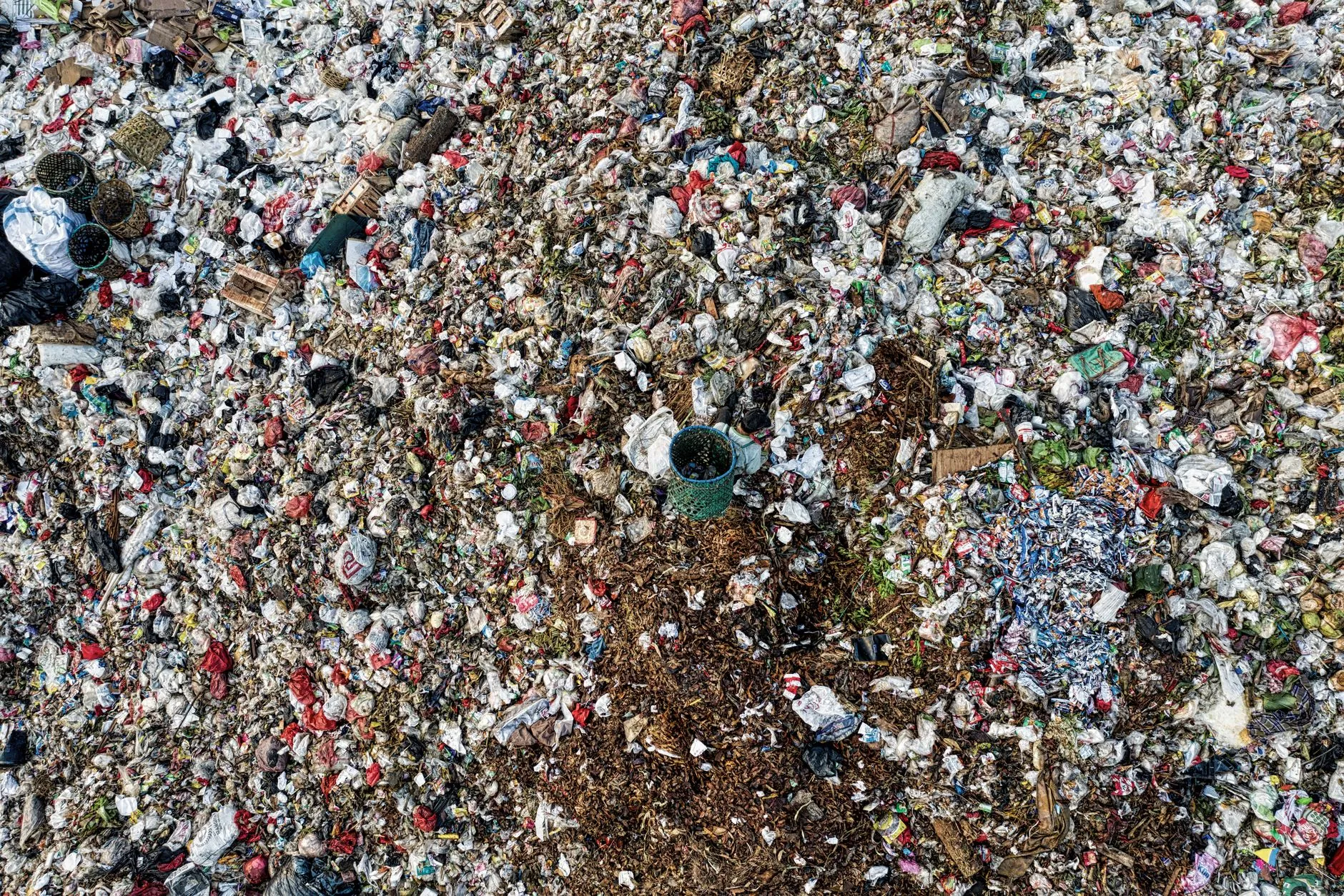
Methane reduction and zero-waste strategies took centre stage on day three of COP31 in Antalya, Türkiye. Governments turned their attention to converting climate pledges into measurable outcomes, particularly in sectors where rapid emissions cuts could deliver near-term benefits. The focus fell on waste management, oil and gas operations, and other sources of short-lived climate pollutants.
Two ministerial meetings anchored the day's programme. Canada and the European Union co-convened the Global Methane Pledge Ministerial on 11 November 2026. Meanwhile, discussions addressed food waste, landfill emissions, methane monitoring, and the reduction of black carbon. These sessions represented an effort to move beyond announcements and toward funded projects, enforceable standards, and independent verification.
For UK businesses, these developments carry practical weight. Methane targets influence supply chain expectations, tender requirements, and compliance frameworks. As international standards tighten, UK suppliers to public sector contracts and multinational corporations face growing pressure to demonstrate emissions reductions across Scope 3 activities. Understanding these shifts helps businesses anticipate regulatory changes and commercial requirements.
Methane's outsized role in near-term warming
Methane accounts for roughly 30% of current global warming, according to COP31 Presidency materials. Unlike carbon dioxide, methane breaks down relatively quickly in the atmosphere. Consequently, cutting methane emissions can slow the rate of warming faster than carbon reductions alone. This makes methane a priority for governments seeking near-term climate results while pursuing longer-term decarbonisation.
The waste sector generates significant methane emissions. Organic material decomposes in landfills and releases methane. Poorly managed wastewater and food waste create additional emissions. The COP31 Presidency linked methane reduction with circular economy measures, including food waste prevention, separate collection of organic waste, recycling, resource recovery, and improved landfill gas management.
The Presidency proposed reducing the projected increase in global municipal solid waste generation by at least 50% by 2035. This objective functions as a voluntary invitation for cooperation rather than a legally binding obligation. Nevertheless, the target signals where international policy momentum is heading. UK businesses involved in waste management, food production, or supply chain logistics should monitor how these voluntary frameworks evolve into procurement criteria and reporting requirements.
Methane also escapes from oil and gas infrastructure through leaks, venting, and flaring. Addressing these emissions requires stronger leak detection, equipment upgrades, and restrictions on routine flaring. For businesses operating in or sourcing from hydrocarbon-producing regions, these technical requirements may affect costs, contracts, and compliance obligations.
The Global Methane Pledge shifts from announcement to implementation
The Global Methane Pledge Ministerial on 11 November 2026 aimed to reinforce political leadership and review implementation progress. The European Commission described the event as "from Pledge to Delivery," emphasising the shift from commitments to policies, project financing, and verified results. The meeting addressed a persistent gap between the scale of methane reductions required and the climate finance reaching abatement projects.
Launched in 2021, the pledge sets a target of reducing global methane emissions by 30% from 2020 levels by 2030. It operates as a political initiative rather than a treaty. Success depends on participating countries adopting national measures across energy, agriculture, and waste sectors. The ministerial's value lies in encouraging governments to publish implementation plans, adopt stronger standards, and mobilise funding.
Canada used COP31 to promote methane reduction as one of the fastest available opportunities to slow warming. Environment and Climate Change Canada stated that reducing methane emissions offered "one of the most effective opportunities to rapidly address warming." The country presented domestic methane reductions as evidence that climate action can coexist with a strong energy sector.
For UK manufacturers and suppliers, the pledge matters because it influences regulatory direction in multiple jurisdictions. As countries strengthen methane standards, UK businesses exporting goods or services face varying compliance requirements. Furthermore, large buyers increasingly expect suppliers to report and reduce methane emissions within their value chains. This expectation appears in carbon reporting requirements under frameworks like PPN 06/21, where Scope 3 emissions include supply chain methane.
Satellite monitoring and independent verification change the compliance landscape
Independent methane measurement is becoming a significant factor in climate policy. The International Methane Emissions Observatory and its Methane Alert and Response System help governments and companies identify major emission sources, prioritise repairs, and track corrective action. Satellite data can reveal large leaks from oil and gas facilities, landfills, and other sources that traditional inventories miss or underestimate.
Carbon Mapper's COP31 programme highlighted how satellite data can support government frameworks and practical interventions. A session on landfill methane examined how monitoring connects measurement with enforceable policy. Better measurement matters because methane emissions are often underreported or estimated using outdated inventories. Independent observations help distinguish between announced action and verified reductions.
The methane observatory ministerial scheduled for 12 November 2026 examined how measurement-based data and the Methane Alert and Response System could strengthen cooperation between countries, companies, and technical organisations. This development has implications for UK businesses. As satellite monitoring becomes routine, self-reported emissions data may no longer suffice for compliance or commercial credibility. Third-party verification could become standard in supply chain audits and tender evaluations.
Businesses should consider how they currently measure and report methane emissions. Companies relying solely on estimation methodologies may find themselves at a disadvantage as buyers and regulators demand independently verified data. Investment in monitoring technology, third-party audits, or participation in industry-wide measurement initiatives may become necessary to meet emerging standards.
Zero-waste solutions connect climate targets with operational changes
The zero-waste agenda at COP31 linked methane mitigation with practical changes in how cities and businesses handle materials and food. Proposed solutions included preventing food waste before it enters the waste stream, separately collecting and treating organic waste, capturing and using landfill gas, reducing methane from wastewater, expanding recycling and resource recovery, producing biogas and biomethane from suitable organic materials, and developing circular systems that reduce reliance on disposal and virgin materials.
The UN Environment Programme identified zero waste as a COP31 Presidency priority, describing food waste prevention and improved waste management as ways to cut methane while delivering health, economic, and air quality benefits. A Food Waste Breakthrough discussion involving UNEP and the Zero Waste Foundation examined how commitments translate into local implementation. Governments, cities, and businesses explored the relationship between food waste reduction and methane emissions.
These measures extend beyond climate policy. Better waste services can reduce local pollution, improve sanitation, create employment, and increase access to energy where captured biogas or biomethane is used productively. However, benefits depend on reliable collection systems, suitable infrastructure, enforceable standards, and financing. These conditions remain uneven across countries and municipalities.
UK businesses in food production, hospitality, retail, and logistics face growing pressure to reduce food waste and organic waste. Large retailers already report food waste under the Courtauld Commitment. As methane targets tighten, expect similar requirements to expand across sectors. Businesses may need to invest in waste segregation, organic waste processing, or partnerships with waste-to-energy facilities. Sustainable procurement strategies should account for waste reduction as a material factor in supplier selection and contract terms.
Oil, gas, and black carbon in North Africa and beyond
The super-pollutant agenda also addresses methane leakage, venting, and flaring from oil and gas operations. In North Africa, reducing these emissions is especially relevant because the region contains major hydrocarbon-producing and transit infrastructure. Many countries face pressure to expand energy supply and attract investment while managing climate commitments.
Methane reduction in the fossil fuel sector involves stronger leak detection and repair requirements, restrictions on routine flaring and venting, improved equipment, and greater transparency around facility-level emissions. These measures can sometimes recover saleable gas, creating an economic incentive alongside the climate benefit. However, implementation requires technical capacity, regulatory enforcement, and capital investment.
The COP31 programme linked methane action with reductions in black carbon, a short-lived pollutant produced by incomplete combustion. Black carbon contributes to air pollution and accelerates melting when deposited on snow and ice. Addressing methane, black carbon, and other non-carbon-dioxide pollutants together reflects the Climate and Clean Air Coalition's emphasis on super pollutants that produce significant near-term climate and health effects.
UK businesses sourcing energy, materials, or components from hydrocarbon-producing regions should monitor how methane and black carbon standards evolve. Supply chain due diligence increasingly includes emissions performance. Furthermore, buyers may require suppliers to demonstrate that upstream energy sources meet minimum environmental standards. Companies involved in public sector tenders should expect methane and broader emissions criteria to feature in evaluation frameworks.
What UK businesses should understand about COP31's methane focus
- Methane accounts for roughly 30% of current global warming and breaks down faster than carbon dioxide, making it a priority for near-term climate action.
- The Global Methane Pledge targets a 30% reduction in global methane emissions from 2020 levels by 2030, influencing national policies across energy, agriculture, and waste sectors.
- Satellite monitoring and the Methane Alert and Response System are increasing transparency around methane emissions, shifting compliance from self-reporting to independent verification.
- Zero-waste strategies and food waste reduction are linked directly to methane mitigation, with voluntary targets aiming to reduce projected municipal solid waste generation by at least 50% by 2035.
- Oil and gas methane reduction measures, alongside black carbon targets, are tightening standards for hydrocarbon infrastructure in producing and transit regions, including North Africa.
How businesses should prepare for tightening methane standards
The ministerial discussions at COP31 represent a shift from political commitments to practical implementation. Businesses should assess where methane features in their operations and supply chains. This includes direct emissions from facilities, waste management practices, and upstream emissions from suppliers, particularly in energy, agriculture, and waste sectors.
Companies involved in food production, hospitality, or retail should review waste management systems. Separate collection of organic waste, investment in anaerobic digestion, or partnerships with biogas facilities may reduce methane emissions and deliver cost savings through energy recovery. Demonstrating progress on food waste reduction can also strengthen tender responses and meet buyer expectations.
Manufacturers and suppliers to public sector contracts should anticipate methane reporting requirements. Scope 3 emissions accounting increasingly includes methane from waste, energy, and supply chain activities. Businesses that develop robust measurement and reporting systems now will be better positioned to meet future compliance obligations and respond to buyer demands. ESG compliance services can help businesses understand reporting frameworks and integrate methane data into existing sustainability programmes.
Investment in independent verification may become necessary as satellite monitoring and third-party data systems gain credibility. Relying solely on estimation methodologies may no longer satisfy regulators or commercial partners. Businesses should explore how measurement technology, audits, or industry initiatives can provide verified emissions data.
Training and awareness are also important. Staff responsible for procurement, operations, or sustainability reporting should understand how methane fits within broader climate commitments. Training on Scope 3 emissions and supply chain sustainability can build internal capacity to manage these requirements effectively.
Where to find authoritative information on methane policy
UK businesses seeking detailed guidance should consult official sources. The Department for Energy Security and Net Zero provides updates on UK climate policy and international commitments. The UN Framework Convention on Climate Change publishes COP31 outcomes, negotiating texts, and thematic reports.
For waste-specific guidance, the Environment Agency offers information on waste regulation, landfill gas management, and circular economy initiatives. The UN Environment Programme publishes resources on food waste, zero-waste strategies, and methane reduction in the waste sector.
Businesses involved in oil and gas supply chains can refer to the Climate and Clean Air Coalition for guidance on methane reduction in the energy sector and super-pollutant mitigation. The International Methane Emissions Observatory provides technical resources on monitoring, measurement, and the Methane Alert and Response System.