
Cutting EV Target Risks UK Missing Climate Targets, Warns Adviser
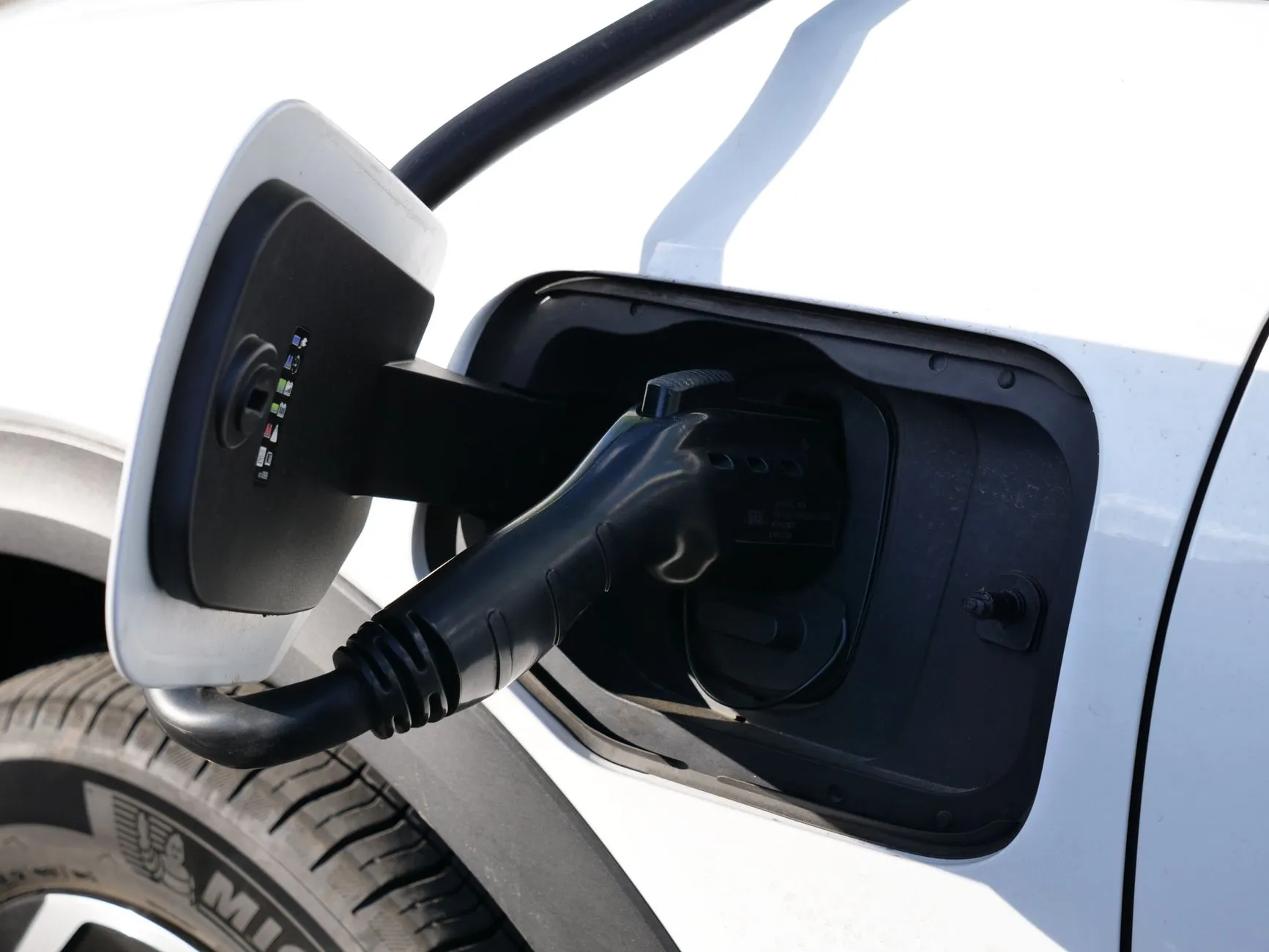
The government is under pressure to relax the Zero-Emission Vehicle Mandate after vehicle manufacturers called for more flexibility. However, the Climate Change Committee has responded with a stark warning: softening the rules could increase oil imports, raise costs for consumers and put legally binding climate commitments at risk.
The mandate sets annual targets for the proportion of new cars and vans that must be zero-emission. It began in January 2024 across England, Scotland and Wales. For 2024, manufacturers must ensure that 22% of new cars and 10% of new vans produce no tailpipe emissions. Those percentages rise each year until 2035, when all new cars and vans must be zero-emission.
The current trajectory requires 80% of new cars sold in 2030 to be electric or hydrogen-powered. Ministers are now considering whether to reduce that figure to 70%, 60% or even 50%. A consultation on the proposed changes has been completed, but no final decision has been announced.
Rising targets drive the transition to electric vehicles
The mandate establishes a clear year-by-year path to phasing out petrol and diesel vehicles. In 2025, manufacturers must meet a 28% target for cars and 16% for vans. By 2028, those requirements jump to 52% and 46% respectively. The pace accelerates further in 2029, before reaching 80% for cars and 70% for vans in 2030.
Manufacturers can use compliance flexibilities, including credits and borrowing mechanisms. As a result, the effective sales requirement in a given year can be lower than the headline percentage. The Climate Change Committee estimates that after accounting for these flexibilities, manufacturers need to reach approximately 25% electric car sales in 2026 rather than the headline target of 33%.
The system was designed to give the industry room to adjust while maintaining overall progress. Nevertheless, some manufacturers argue that consumer demand has not kept pace with regulatory requirements. High purchase prices, concerns about charging infrastructure and variable interest in electric vehicles across different market segments have all been cited as barriers.
Weakening the mandate could cost over a billion pounds annually
In a letter to Transport Secretary Heidi Alexander, Climate Change Committee Chair Nigel Topping warned that reducing the interim targets would make it harder and more expensive to meet the UK's legally binding carbon budgets. The Sixth Carbon Budget, which covers 2033 to 2037, relies on the transport sector achieving significant emissions reductions during the late 2020s.
Therefore, any shortfall from weaker vehicle standards would need to be replaced by alternative policies of comparable scale. The committee says no such measures have yet been identified. Without them, the gap would remain unfilled.
The financial implications are equally significant. Drawing on the Department for Transport's own impact assessment, the committee estimates that reducing the headline targets could increase UK fuel consumption by up to 15 million barrels of oil per year by 2030. At current prices, that additional oil requirement could cost more than £1 billion annually.
Another analysis, using October 2026 crude oil prices, put the potential annual cost at approximately £1.3 billion. Either way, the UK would become more exposed to international energy markets and the price volatility that comes with them. Households and businesses would face higher fuel bills, and the economy would be more vulnerable to external shocks.
Topping framed the issue in both climate and economic terms. He said weakening the mandate would miss an opportunity to reduce the cost of living, undermine British competitiveness and leave the country more exposed to volatile fossil fuel prices.
Household savings at stake as transition slows
Electric vehicles typically cost less to run than petrol or diesel equivalents. Electricity is cheaper per mile than fuel, and electric drivetrains require less maintenance. The Climate Change Committee estimates that switching to an electric vehicle could save a typical household around £800 a year.
A weaker mandate would reduce the number of households able to access those savings in the near term. Fewer electric vehicles on the market would mean fewer opportunities to switch, and slower adoption could delay the broader cost reductions that come with manufacturing scale.
Consequently, the policy debate is not only about emissions. It also affects household budgets and long-term affordability. Vehicles purchased during the 2020s will remain on the road for ten years or more, so decisions made now will shape running costs for a significant period.
Meanwhile, the government has maintained that no final decision has been made. A spokesperson said the government remains committed to phasing out all new petrol and diesel cars by 2030 and ensuring all new car and van sales are zero-emission by 2035. Ministers also reiterated their commitment to legally binding net zero targets.
However, the distinction between long-term goals and interim requirements is critical. Retaining the 2030 and 2035 deadlines while reducing the annual targets in between would still create a large emissions gap. The Climate Change Committee argues that such a change would undermine the pathway to net zero unless other policies filled the shortfall.
Industrial investment hinges on policy certainty
Vehicle manufacturers have invested billions of pounds in electrification. Factories are being retooled, supply chains are being restructured and new battery production capacity is being built. All of that investment was made on the assumption that policy would remain stable and that the market for electric vehicles would grow predictably.
The Climate Change Committee warns that weakening the mandate could create uncertainty for companies that have already committed resources. A less predictable policy environment could discourage further investment in UK manufacturing, particularly if other markets maintain or strengthen their own requirements.
Britain's competitiveness is also at stake. Major export markets, including the European Union and United States, are moving rapidly towards electric vehicles. If UK policy slows the transition while other markets accelerate, British manufacturers could find themselves with weaker domestic demand and a less competitive position in global supply chains.
Furthermore, the mandate affects more than vehicle production. It influences the development of charging infrastructure, battery supply chains and the broader ecosystem of businesses that support electric mobility. A weaker policy could slow progress across all of those areas, reducing the UK's industrial capacity just as the global automotive market is being reshaped.
Key facts about the mandate and the proposed changes
- The Zero-Emission Vehicle Mandate took effect in January 2024 and sets annual targets for the proportion of new cars and vans that must be zero-emission.
- The government is considering reducing the 2030 car target from 80% to 70%, 60% or 50% following pressure from manufacturers.
- The Climate Change Committee warns that weakening the mandate could increase UK fuel consumption by up to 15 million barrels of oil per year by 2030.
- That additional oil requirement could cost more than £1 billion annually at current prices, leaving the UK more exposed to international energy markets.
- Electric vehicles could save a typical household around £800 a year through lower running and fuelling costs.
- The committee says no alternative policies have been identified that could replace the emissions reductions expected from the current mandate.
- Vehicle manufacturers have invested billions of pounds in electrification on the assumption that policy would remain stable and predictable.
Proposed reforms could preserve targets while improving effectiveness
The Climate Change Committee has not simply defended the status quo. It has proposed adjustments intended to improve how the mandate works while preserving its overall direction. Those proposals focus on ensuring that compliance delivers genuine emissions reductions rather than allowing credit for vehicles that offer smaller real-world benefits.
Specifically, the committee has suggested revising the treatment of plug-in hybrids so that credits better reflect their actual emissions. Many plug-in hybrids are driven primarily on petrol, particularly if they are not charged regularly. The current rules may therefore overstate their environmental benefit.
The committee also recommends tightening the carbon dioxide baseline used for new market entrants and establishing post-2030 requirements that maximise electric-only driving capability. In addition, it has called for stronger support for electric van adoption and expanded access to affordable public charging.
These suggestions reflect a broader concern that the policy should reward genuine progress. If the government does decide to adjust the mandate, the committee's view is that the changes should improve its effectiveness rather than simply reduce its ambition.
Transport emissions and the path to net zero
Transport is one of the UK's largest sources of greenhouse gas emissions. Road vehicles account for a substantial share of that total, and emissions from cars and vans have been slow to decline in recent years. Consequently, the transport sector is critical to meeting the UK's legally binding climate commitments.
The Sixth Carbon Budget, which covers 2033 to 2037, assumes significant emissions reductions from road transport during the late 2020s. The Zero-Emission Vehicle Mandate is one of the main policies designed to deliver those reductions. If the mandate is weakened, the government would need to introduce alternative measures capable of achieving equivalent results.
The challenge is that vehicles bought during the 2020s will remain on the road for many years. Delaying the transition now would therefore make later reductions more difficult. The longer petrol and diesel vehicles continue to be sold in large numbers, the longer they will contribute to emissions.
Moreover, the emissions gap created by a weaker mandate would not be small. The Climate Change Committee describes it as requiring replacement policies of comparable scale. No such policies have yet been proposed, raising questions about how the gap would be filled.
Balancing short-term flexibility with long-term goals
The government faces a difficult choice. Retaining the current targets would provide policy certainty and preserve the expected emissions reductions. It would also support the billions of pounds already invested in electrification and avoid undermining the UK's industrial position.
However, manufacturers argue that the current trajectory is difficult to achieve given the state of the market. Consumer demand varies, charging infrastructure is uneven and the upfront cost of electric vehicles remains a barrier for many buyers. Offering more flexibility could relieve short-term pressure on the industry.
The Climate Change Committee's view is that the trade-off is not worthwhile. It argues that the costs of weakening the mandate, including higher fuel consumption, greater energy insecurity, reduced household savings and a more challenging path to net zero, outweigh the benefits of short-term flexibility.
Ultimately, the central question is whether temporary relief for the automotive market would justify the longer-term climate, economic and energy security costs identified by the UK's independent climate advisers. The answer will shape not only the pace of the transition to electric vehicles, but also the UK's ability to meet its legally binding emissions targets.
Support for businesses navigating the transition
The shift to zero-emission vehicles affects businesses in multiple ways. Fleet operators need to plan for higher upfront costs and new charging requirements. Supply chain managers may face questions from public sector buyers about vehicle emissions. Companies with net zero commitments need to understand how transport fits into their carbon footprints.
At SBS, we help businesses manage these changes through carbon reporting and compliance support that includes transport emissions. We also provide guidance on sustainable procurement and help companies respond to requirements like PPN 06/21, which applies to public sector supply chains.
The policy environment around transport and emissions is shifting. Businesses that understand the direction of travel and plan accordingly will be better positioned to manage costs, meet tender requirements and reduce their exposure to energy price volatility.
Where to find official guidance and updates
The Department for Transport publishes detailed information about the Zero-Emission Vehicle Mandate, including compliance rules and reporting requirements. The Climate Change Committee provides independent analysis of UK climate policy and progress towards net zero.
For businesses managing emissions reporting, the Department for Energy Security and Net Zero offers guidance on carbon accounting and the UK's legal framework for emissions reductions. The Climate Change Act 2008 sets out the statutory basis for the UK's carbon budgets and net zero target.