
DHL and Vinted Expand Cooperation in Germany
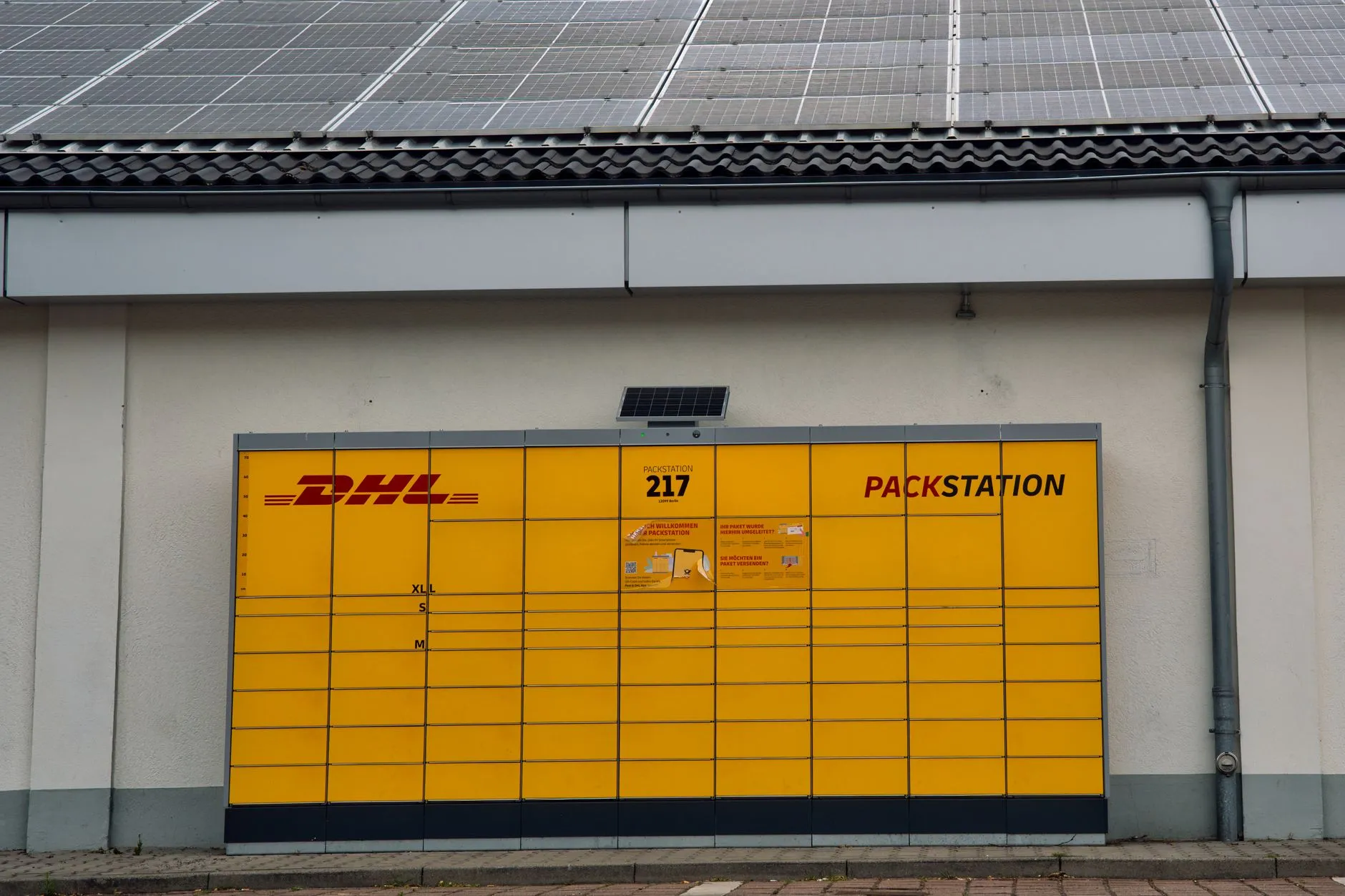
DHL expands locker network to support Vinted's second-hand fashion model
DHL and Vinted are expanding their partnership in Germany to make second-hand fashion shipping easier for private sellers and buyers. The move centres on DHL's automated locker network, which will grow significantly over the next six years to support rising volumes of resale parcels.
The expanded agreement focuses on Packstations, Poststations, and DeinFach lockers. It will enable more locker-to-locker shipping for Vinted parcels. DHL says the arrangement is designed to simplify drop-off and collection while supporting the continued growth of recommerce across Germany.
Vinted users will be able to access DHL's locker network more extensively, with an emphasis on around-the-clock availability. At a later stage, the pickup code for parcel collection is expected to be integrated directly into the Vinted app. This will reduce the need to switch between platforms when managing shipments.
Locker network to reach 30,000 locations by 2030
DHL said the locker network used for this partnership is expected to grow from around 18,500 locations to more than 30,000 by 2030. The company already operates approximately 41,000 parcel drop-off and collection points across Germany. These include post offices, parcel shops, and automated facilities.
The expansion reflects a wider shift toward circular fashion logistics, where more clothing is bought and sold second-hand rather than discarded. For DHL, the move is part of its response to rising recommerce volumes. For Vinted, it provides access to a dense national delivery and pickup network that operates outside normal business hours.
The commercial logic is straightforward. Resale marketplaces generate many small, individual shipments. These are more efficient when handled through a high-density locker network rather than conventional store-based or in-person handover models. Consequently, DHL says the arrangement also supports more consolidated, self-service parcel flows.
Consumer behaviour drives demand for resale infrastructure
Consumer behaviour has shifted because of inflation and environmental concerns. Research from Barclays found that 38% of UK customers bought something from a resale platform in the past year. Meanwhile, DHL's own circularity materials note that reverse logistics can be costly and environmentally damaging. The company emphasises efficiency and sustainability improvements in returns and reuse flows.
This is less a traditional retail logistics story than a sign that resale is becoming infrastructure-intensive. As second-hand commerce grows, platforms like Vinted need shipping systems that are low-friction, low-cost, and available outside normal business hours. DHL's locker network is being positioned to fill that role.
The broader implication is clear. Logistics providers are no longer just moving new goods from warehouse to home. They are increasingly enabling the circular economy itself. In that sense, the DHL and Vinted expansion is both a commercial partnership and a practical response to the operational demands of recommerce.
How the partnership affects UK resale operations
For UK businesses watching the German market, this partnership offers a useful reference point. Second-hand fashion is growing in the UK as well. However, the infrastructure required to support peer-to-peer resale at scale is still developing. The DHL and Vinted model demonstrates how automated parcel networks can reduce friction for private sellers.
UK retailers and resale platforms face similar challenges. Customers expect convenient drop-off and collection options. They also expect low shipping costs and minimal environmental impact. Locker networks offer a solution by consolidating parcel flows and reducing the number of failed home deliveries.
For businesses selling through resale platforms, the key lesson is that logistics infrastructure matters. A dense network of collection points can make the difference between a smooth customer experience and one that discourages repeat sales. As a result, UK businesses may see similar partnerships emerge between parcel carriers and resale platforms in the coming years.
Furthermore, businesses involved in returns and recommerce should consider how their logistics partners are adapting to these trends. The rise of circular fashion creates new demands on parcel networks. Carriers that invest in automated, self-service infrastructure are better positioned to handle the volume and frequency of resale shipments.
What UK businesses need to know about circular fashion logistics
- DHL and Vinted are expanding their partnership in Germany to support second-hand fashion shipping through automated lockers.
- The locker network used for this partnership is expected to grow from around 18,500 locations to more than 30,000 by 2030.
- Locker-to-locker shipping is being rolled out to simplify drop-off and collection for private sellers and buyers.
- The pickup code for parcel collection will be integrated directly into the Vinted app at a later stage.
- Research from Barclays found that 38% of UK customers bought something from a resale platform in the past year.
- The partnership reflects a wider shift toward circular fashion logistics, where more clothing is bought and sold second-hand rather than discarded.
- Logistics providers are increasingly enabling the circular economy by adapting their networks to handle resale and recommerce volumes.
Commercial and environmental considerations for UK businesses
The DHL and Vinted partnership highlights a broader commercial trend. Resale is no longer a niche market. It is becoming a mainstream channel that requires dedicated logistics infrastructure. For UK businesses, this means thinking about how your operations can support circular models.
If you sell products that have a resale market, consider how your logistics and returns processes enable or hinder secondary sales. Customers increasingly expect convenient ways to return, resell, or recycle products. Businesses that make these processes easier are likely to see stronger customer loyalty and repeat business.
From an environmental perspective, circular fashion logistics can reduce waste and emissions. However, the benefits depend on how efficiently the logistics network operates. Automated lockers and consolidated parcel flows can reduce the carbon footprint of deliveries. They also reduce the number of failed delivery attempts and unnecessary vehicle journeys.
For businesses involved in procurement or supply chain management, this partnership is a reminder that sustainability is increasingly linked to logistics choices. Choosing carriers that invest in low-emission infrastructure and circular economy solutions can support your own sustainability goals. It can also make you more competitive when bidding for public sector contracts or working with customers that have strict environmental criteria.
Additionally, businesses should consider how they communicate their circular economy credentials to customers. Supporting resale, offering convenient returns, and working with carriers that prioritise sustainability can all strengthen your brand. However, these efforts need to be backed by genuine operational changes, not just marketing claims.
We work with UK businesses on net-zero planning and carbon reduction strategies that include supply chain and logistics considerations. If your business is exploring circular economy models or needs support with sustainability reporting, we can help you navigate the practical steps required. Our sustainable procurement services also support businesses that need to meet environmental criteria in tenders or supply contracts.
Where to find further information
For more information on circular economy policies and logistics in the UK, the Department for Environment, Food and Rural Affairs provides guidance on waste reduction and resource efficiency. The British Retail Consortium also publishes research on retail logistics and sustainability trends.
Businesses looking for practical advice on returns and reverse logistics can consult the Chartered Institute of Procurement and Supply, which offers resources on sustainable supply chain management. For information on parcel delivery standards and consumer rights, Citizens Advice provides clear guidance on UK regulations.