
Egypt and Honeywell Collaborate on Refinery Upgrades
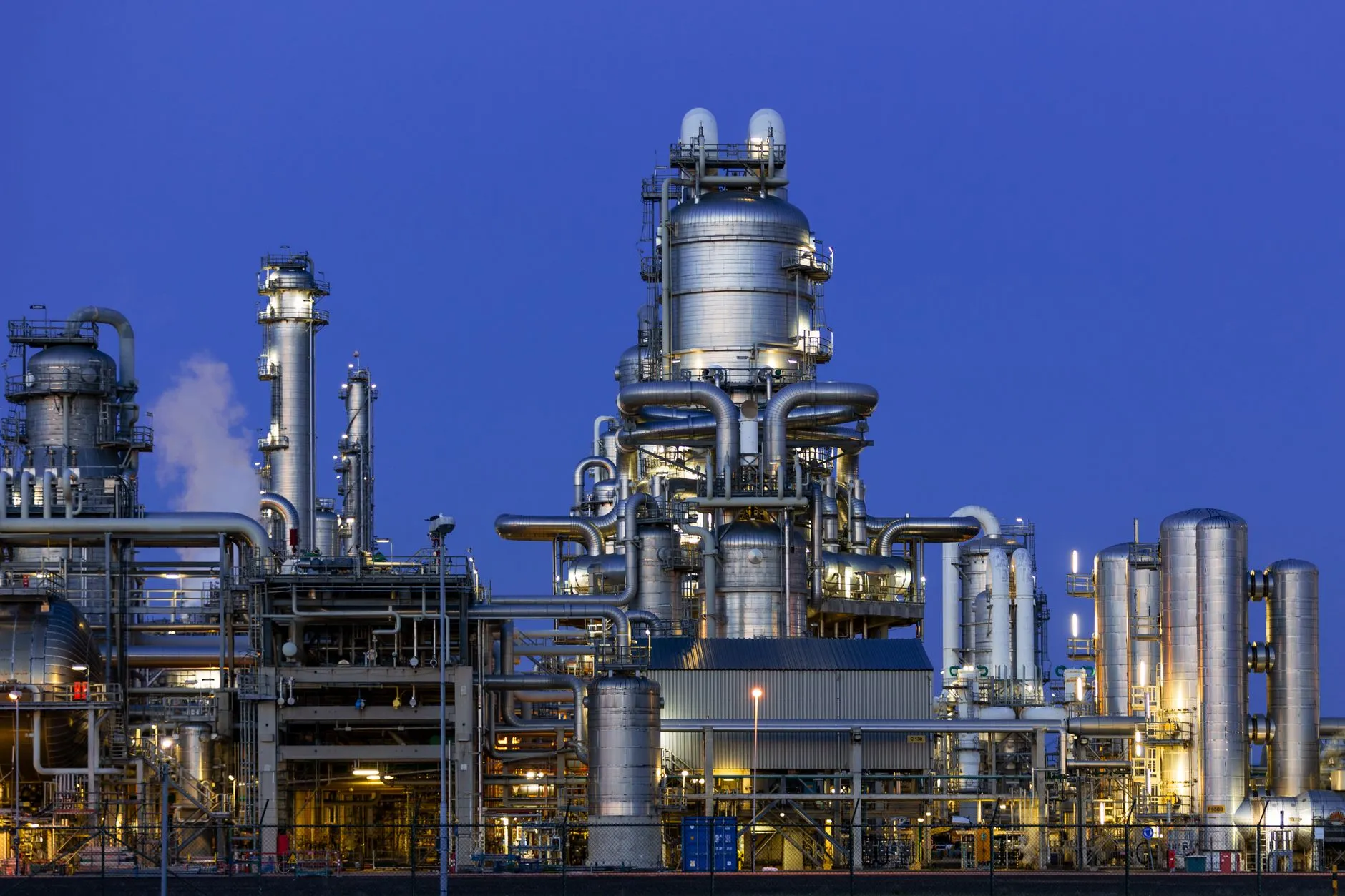
Egypt is preparing to expand its refinery infrastructure through a partnership with Honeywell that spans process technology, emissions control, digital systems and sustainable aviation fuel production. The collaboration forms part of a wider effort to modernize six refineries through investments estimated at approximately $4 billion, while bringing Egypt's first sustainable aviation fuel facility into operation in Alexandria.
For UK businesses operating in the energy sector, petrochemicals, engineering or aviation, the developments illustrate how emerging economies are combining conventional refinery expansion with lower-carbon fuel projects. They also show the technical and commercial pathways countries are using to meet methane reduction commitments and aviation emissions targets.
The proposed cooperation was discussed between Egyptian Petroleum and Mineral Resources Minister Karim Badawi and Anant Maheshwari, Honeywell's president of strategy and president of global regions, at the Abu Dhabi International Petroleum Exhibition and Conference in 2026. The discussions covered existing refinery partnerships, new digital control systems, emissions monitoring technologies and the expansion of petrochemical capacity under Egypt's 2026 to 2030 development plan.
Six refinery projects target fuel self-sufficiency
Egypt's refinery modernization program covers six facilities and is designed to increase production of gasoline, diesel and jet fuel from domestic feedstocks. The program aims to reduce the country's petroleum import bill by raising the value extracted from crude oil and improving the performance of existing assets.
Badawi outlined the program's objectives during the ADIPEC meeting. According to the Egyptian petroleum ministry, the goal is to enhance operational efficiency, maximize utilization of existing assets, increase productivity and improve environmental performance. The ministry noted that Egypt's refineries are currently operating at around 80 percent utilization, suggesting scope for efficiency gains and better capacity use.
Honeywell already works with two Egyptian refineries. The Middle East Oil Refinery and the Alexandria National Refining and Petrochemicals Company have existing relationships with the US-based technology provider. The proposed expansion would deepen that cooperation and extend it to additional facilities and new technology areas.
The $4 billion investment figure represents an estimate rather than committed capital. Whether the six projects proceed will depend on financing arrangements, final investment decisions and the completion of feasibility studies. However, the scale of the program indicates Egypt's intent to reduce reliance on imported refined products and improve domestic energy security.
Artificial intelligence enters process control and emissions management
Beyond physical refinery upgrades, the discussions addressed the deployment of artificial-intelligence-powered control systems. These systems are intended to improve process management, energy efficiency, safety and operational reliability across Egypt's petroleum infrastructure.
The two sides agreed to intensify coordination through specialized technical meetings with Egyptian petroleum companies. These meetings are expected to identify priority projects, evaluate potential technologies and select pilot locations before any wider rollout takes place. Consequently, the AI systems will be tested in controlled environments rather than deployed across all facilities simultaneously.
Emissions management formed another major focus. The proposed cooperation includes technologies for monitoring and controlling industrial emissions, reducing flaring, improving energy efficiency and supporting methane management efforts. The discussions were linked to Egypt's commitments under the Global Methane Pledge, an international initiative aimed at reducing methane emissions.
Methane is a particularly potent greenhouse gas. According to research, it has a global warming potential many times greater than carbon dioxide over a 20-year period. Therefore, reducing methane leaks and flaring at refineries and production sites represents a significant emissions reduction opportunity. The proposed monitoring systems would help identify leaks, measure emissions and support compliance with international methane reduction targets.
For UK engineering firms and technology providers, the Egypt-Honeywell cooperation illustrates demand for emissions monitoring systems in markets where refinery expansion and environmental performance are being pursued in parallel. It also shows how digital process control is becoming a standard component of refinery modernization projects, not an optional addition.
Alexandria facility to produce 120,000 tonnes of sustainable aviation fuel annually
A separate but related development is Egypt's first sustainable aviation fuel project. In May 2026, the Egyptian Sustainable Aviation Fuel Company, a subsidiary of the Egyptian Petrochemicals Holding Company, signed an agreement with Honeywell to use the company's Ecofining technology at a new facility in Alexandria.
The plant is expected to produce approximately 120,000 tonnes of SAF annually by processing locally sourced used cooking oil. Government-linked reporting estimates that the project could reduce aviation-related carbon emissions by around 400,000 tonnes per year once operational. However, that figure represents an expected annual reduction based on engineering estimates rather than an independently verified result from an operating plant.
The emissions benefit will depend on several factors. These include the sustainability of the feedstock supply, the facility's energy requirements, transport emissions associated with collecting and delivering used cooking oil, and the ability to meet recognized SAF certification standards such as those administered by the Roundtable on Sustainable Biomaterials.
Sustainable aviation fuel is produced from waste oils, agricultural residues, forestry waste or other biomass feedstocks. It can be blended with conventional jet fuel and used in existing aircraft engines without modification. Consequently, SAF offers airlines a way to reduce emissions without replacing aircraft or redesigning fueling infrastructure.
The Alexandria project could give Egypt a domestic source of lower-carbon aviation fuel while creating a market for used cooking oil and related waste-based feedstocks. It aligns with the aviation sector's broader effort to reduce emissions in advance of regulatory requirements and customer expectations. For UK businesses in aviation, logistics or waste management, the project illustrates how SAF production is expanding beyond Europe and North America into Middle Eastern and North African markets.
Workforce development and technology transfer support petrochemical expansion
The cooperation also covers Egypt's petrochemical sector. Discussions reportedly addressed the provision of advanced technologies for planned petrochemical projects under the Egyptian Petrochemicals Holding Company's 2026 to 2030 five-year plan. In addition, the partnership includes expanded technical training, knowledge transfer and skills development for Egyptian engineers.
This workforce component is significant. Refinery modernization requires not only new process units and control systems but also personnel capable of operating, maintaining and optimizing them. Training programs and technology transfer arrangements could help Egypt build domestic technical capacity and reduce dependence on external expertise over time.
For UK firms involved in training, technical services or engineering consultancy, the emphasis on skills development highlights opportunities in markets where infrastructure expansion is accompanied by workforce capability building. It also reflects a broader trend in which host governments seek technology transfer and local capacity development as part of major industrial projects.
Commercial and environmental implications for Egypt's petroleum sector
The proposed Egypt-Honeywell partnership has implications across three areas. First, refinery modernization could improve Egypt's fuel security by increasing domestic output of gasoline, diesel and jet fuel. Meeting local demand from domestic production would reduce reliance on imported petroleum products and improve the country's trade balance. Nevertheless, the effectiveness of that effort depends on whether the announced projects secure financing, reach final investment decisions and enter service on schedule.
Second, the introduction of digital controls and emissions monitoring systems could improve the performance of existing facilities without relying entirely on new refining capacity. AI-assisted process management may help reduce energy consumption, identify inefficiencies and improve safety. However, those benefits will need to be demonstrated through the planned pilot projects before broader deployment takes place.
Third, the Alexandria SAF project could position Egypt in the emerging market for lower-carbon aviation fuels. Its expected production of 120,000 tonnes per year would provide a domestic supply base while supporting Egypt's environmental objectives through an estimated 400,000-tonne annual emissions reduction. The project's broader success depends on feedstock availability, financing, regulatory approvals, certification and long-term demand from airlines operating in Egyptian airspace or seeking SAF supply agreements.
The immediate outcome of the ADIPEC meeting appears to be an agreement to deepen technical coordination rather than a finalized construction contract for every refinery project. Specialized meetings, pilot deployments and further project assessments will determine how quickly the proposed cooperation translates into operational improvements at Egyptian refineries and petrochemical facilities.
For UK businesses, the developments are relevant in several respects. Companies involved in refinery technology, process control systems, emissions monitoring or sustainable fuels may find opportunities in Egypt's modernization program. Firms operating in aviation or logistics should note the expansion of SAF production capacity outside traditional markets. Additionally, businesses with methane reduction commitments or supply chain emissions targets may observe how industrial emitters in partner countries are addressing methane management through monitoring technology and flaring reduction.
Egypt combines conventional refinery expansion with lower-carbon fuel production
The partnership links Egypt's conventional energy priorities with newer environmental and digital objectives. Higher refinery output, reduced imports and improved asset utilization sit alongside methane management, digitalization and sustainable aviation fuel production. If implemented effectively, the program could modernize key parts of Egypt's petroleum infrastructure while supporting a gradual reduction in the sector's environmental footprint.
Refinery utilization rates of around 80 percent suggest that efficiency improvements and process optimization could deliver meaningful output gains without requiring entirely new facilities. Digital control systems and AI-powered process management represent one route to those improvements. Meanwhile, emissions monitoring technologies provide the data needed to meet international methane reduction commitments and demonstrate environmental performance to investors and trading partners.
The Alexandria SAF facility represents a parallel effort to establish lower-carbon fuel production capacity in a region where aviation fuel demand is growing. Producing SAF from used cooking oil creates a domestic value chain for waste feedstocks while reducing lifecycle emissions compared with conventional jet fuel. For airlines, the availability of SAF in Egypt could support emissions reduction strategies and meet sustainability criteria in corporate procurement policies.
Nevertheless, several uncertainties remain. The $4 billion refinery investment estimate requires confirmation through final investment decisions and financing arrangements. The performance benefits of AI-powered control systems will emerge through pilot projects rather than immediate deployment. The Alexandria SAF facility's emissions reduction will depend on feedstock sustainability, energy inputs and certification standards. Consequently, the announced cooperation represents a framework for future projects rather than a set of completed assets.
Proposed cooperation in summary
- Egypt and Honeywell are expanding cooperation across refinery modernization, emissions monitoring, digital controls and sustainable aviation fuel production following discussions at the Abu Dhabi International Petroleum Exhibition and Conference in 2026.
- Egypt's refinery development program covers six projects with estimated investments of approximately $4 billion, aiming to increase production of gasoline, diesel and jet fuel while reducing petroleum imports.
- The partnership includes deployment of artificial-intelligence-powered control systems and emissions monitoring technologies, with pilot projects planned to assess performance before broader rollout.
- Egypt's first sustainable aviation fuel facility in Alexandria is expected to produce around 120,000 tonnes of SAF annually from used cooking oil, with an estimated annual emissions reduction of 400,000 tonnes once operational.
- The cooperation also covers technology provision for petrochemical projects and workforce development programs to build domestic technical capacity in refinery operations and process management.
- Current refinery utilization rates of around 80 percent indicate potential for efficiency improvements and better use of existing assets through digital systems and process optimization.
- The partnership supports Egypt's commitments under the Global Methane Pledge through technologies for monitoring industrial emissions, reducing flaring and improving energy efficiency across petroleum operations.
Actions for UK businesses in energy and aviation sectors
UK companies should consider how Egypt's refinery modernization and SAF production plans affect their commercial interests. Businesses involved in refinery technology, emissions monitoring or process control systems may find partnership or supply opportunities as the six refinery projects move towards final investment decisions. Similarly, firms specializing in sustainable fuels, waste feedstock processing or aviation logistics should monitor the Alexandria SAF facility's development and assess whether it creates supply chain opportunities or competitive dynamics in regional aviation fuel markets.
Companies with operations or supply chains in Egypt should evaluate whether the proposed refinery upgrades affect fuel availability, pricing or contract terms. Improved domestic production of gasoline, diesel and jet fuel could alter import patterns and potentially stabilize supply for businesses operating in-country. However, the timing and extent of those changes depend on project execution and financing.
For businesses with methane reduction targets or Scope 3 emissions commitments, Egypt's adoption of emissions monitoring technologies and flaring reduction measures may affect supplier performance data. Companies sourcing petrochemical feedstocks or fuels from Egyptian facilities should engage with suppliers to understand how emissions monitoring will be implemented and whether it will improve the carbon intensity of supplied products.
UK firms bidding for public sector contracts or pursuing net-zero commitments may also find value in understanding how SAF production is expanding geographically. The Alexandria facility demonstrates that lower-carbon aviation fuel is becoming available in markets beyond Europe and North America. Businesses with corporate travel programs or logistics operations should assess whether SAF availability in Egypt supports emissions reduction strategies or meets sustainability criteria in procurement policies. Our sustainable procurement support helps businesses integrate environmental performance into supplier selection and contract management.
Engineering and training providers should note the emphasis on workforce development and technology transfer in Egypt's refinery program. The partnership includes technical training and knowledge transfer for Egyptian engineers, suggesting demand for specialized skills development services. UK firms with expertise in refinery operations, process control or emissions management may find opportunities to deliver training programs or technical support services as part of the modernization effort.
Businesses should also consider the regulatory context. Egypt's commitments under the Global Methane Pledge reflect international momentum towards methane reduction in the oil and gas sector. UK companies operating in energy-intensive industries or with upstream petroleum exposure should monitor how methane management requirements are evolving globally and assess whether similar monitoring technologies could support compliance with UK or European environmental regulations. Our ESG compliance services help businesses navigate regulatory requirements and implement emissions monitoring systems.
Additional information and authoritative sources
For further details on Egypt's petroleum sector development, refinery modernization and sustainable aviation fuel projects, consult the following sources. The Egyptian Ministry of Petroleum and Mineral Resources publishes updates on refinery projects, investment programs and policy developments. Industry analysis and project announcements are covered by established energy sector publications.
Information on sustainable aviation fuel standards, certification requirements and lifecycle emissions assessment is available from the Roundtable on Sustainable Biomaterials and the International Civil Aviation Organization. These organizations provide guidance on feedstock sustainability, carbon accounting methodologies and SAF blending requirements.
Details on the Global Methane Pledge, participating countries and methane reduction targets are published by the United Nations Environment Programme and the Department for Energy Security and Net Zero. The UK government's methane reduction strategy and supporting guidance documents outline domestic and international commitments relevant to UK businesses with oil and gas sector exposure.
For businesses seeking guidance on emissions monitoring, carbon reporting or supply chain sustainability, our net-zero program for carbon reporting compliance provides structured support for measuring, managing and reducing emissions across operations and supply chains.