
Emerson’s Approach to Sustainable Sourcing in Industrial Automation
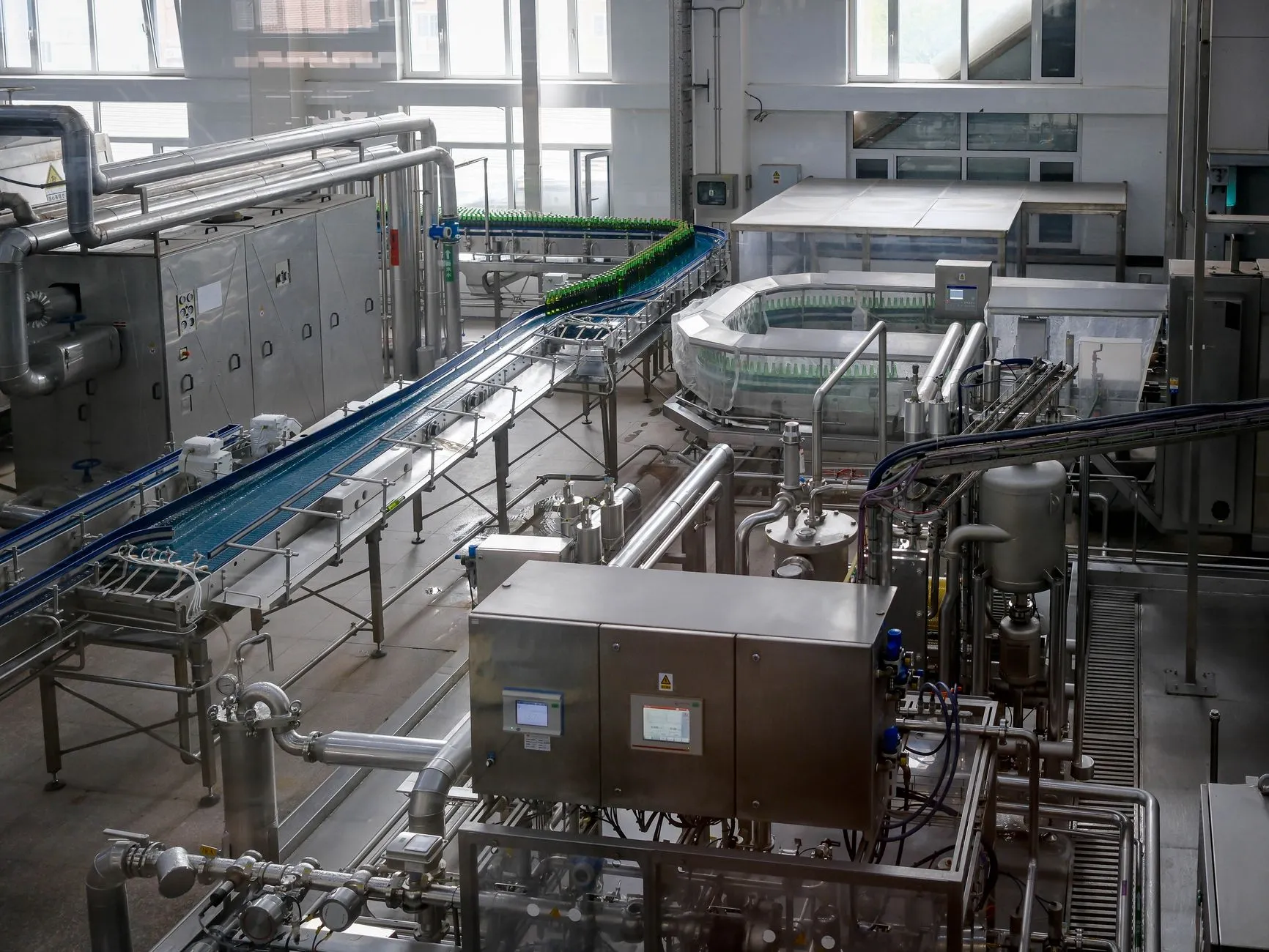
Industrial automation companies face a distinct sustainability challenge. Their own factories and offices produce a small fraction of their total environmental impact. The rest sits elsewhere: in supplier facilities, in transportation networks, in the energy their products consume over decades of use, and in the materials extracted and processed long before components reach the assembly line.
Emerson, a major manufacturer of control systems and measurement technology, recently detailed how it approaches this reality. The company has made significant progress reducing emissions from its own operations. However, it also acknowledges that roughly 98% of its total greenhouse gas footprint lies beyond the walls of its facilities, embedded instead across its value chain.
This distribution is not unusual for technology manufacturers. Nevertheless, it creates a problem: operational efficiency alone cannot deliver meaningful climate action when direct emissions represent such a small share of the total. As a result, Emerson's strategy now extends to supplier engagement, water stewardship, sustainable procurement, and the efficiency potential of the automation equipment it sells.
For UK manufacturers who specify or install industrial control systems, understanding how suppliers manage their own sustainability performance is becoming commercially relevant. Tender requirements increasingly reference supply chain emissions. Large customers ask detailed questions about Scope 3 data. Demonstrating progress on indirect impacts is no longer optional in many procurement contexts.
Operational emissions and renewable electricity targets
Emerson set its environmental goals using 2021 as a baseline. The company aims to cut Scope 1 and 2 emissions by 90% by 2030. These categories cover emissions from facilities it owns and from the electricity it purchases. It also committed to sourcing 100% renewable electricity for global operations by the same deadline, alongside a 35% reduction in energy intensity.
Progress has been measurable. By 2025, the company reported a 49% reduction in Scope 1 and 2 emissions. Purchased renewable electricity reached 56% of total consumption. Energy intensity fell by 27% compared with the 2021 baseline.
These figures suggest Emerson is roughly halfway toward its operational targets. Closing the remaining gap will require continued investment in power purchase agreements, on-site generation, and energy efficiency projects. Achieving 100% renewable electricity by 2030 is particularly demanding, given the variability of grid supply, infrastructure constraints, and the need to secure credible renewable energy certificates or direct contracts in multiple countries.
However, operational progress on its own addresses only a small portion of the company's total climate footprint. According to the data Emerson has disclosed, direct emissions from its facilities and purchased energy account for approximately 2% of its value-chain greenhouse gas total. Consequently, the company's ability to meet broader climate commitments depends heavily on what happens outside its direct control.
Why value chain emissions matter more than factories
Scope 3 emissions include everything that happens upstream and downstream of a company's own operations. For an automation manufacturer, this encompasses raw material extraction, component fabrication, logistics, product installation, and energy consumption during use. It also includes end-of-life disposal and any emissions associated with capital goods, business travel, employee commuting, and waste from operations.
When indirect activities generate 98% of total emissions, improvements within company-owned facilities have limited impact on the overall footprint. Therefore, Emerson's sustainability strategy now prioritizes supplier engagement, procurement standards, and product efficiency.
This shift reflects a wider trend in industrial sustainability. Companies with complex supply chains are under growing pressure to measure, disclose, and reduce Scope 3 emissions. Financial institutions, regulators, and procurement teams increasingly demand this data. In addition, the UK government's Green Finance Strategy and forthcoming Sustainability Disclosure Requirements will require large companies to report on value chain impacts with greater rigour.
For suppliers to large manufacturers, this creates both risk and opportunity. Businesses that can provide credible emissions data and demonstrate progress on reduction targets are better positioned in procurement processes. Conversely, those without visibility into their own environmental performance may face exclusion from supply chains as buyers tighten sustainability criteria.
Supplier engagement and procurement standards
Sustainable sourcing in an industrial context is not simply about choosing products with green labels. It requires establishing environmental standards for suppliers, collecting emissions data, assessing risks related to water and waste, and tracking performance over time.
For Emerson, the supply chain includes metals, electronics, plastics, precision components, packaging, and logistics. Many of these categories carry significant environmental impacts. Metal production is energy intensive. Semiconductor manufacturing uses large volumes of water and specialty chemicals. Plastics depend on fossil feedstocks. Transportation contributes to emissions at every stage.
A credible supplier engagement program typically involves several elements. First, companies establish baseline environmental requirements that suppliers must meet to qualify. Second, they collect data on emissions, water use, waste, and energy consumption. Third, they encourage or require suppliers to adopt renewable energy, efficiency measures, and waste reduction initiatives. Fourth, they assess risks such as water stress, hazardous materials, and resource scarcity. Finally, they track progress through audits, corrective action plans, and performance reviews.
This level of engagement is resource intensive. It requires dedicated staff, data systems, and ongoing communication with potentially hundreds of suppliers. For UK SMEs supplying into these value chains, the administrative burden can be significant. Preparing for carbon reporting and ESG compliance is becoming a practical prerequisite for maintaining relationships with large industrial customers.
Moreover, the quality of supplier data varies widely. Some businesses have sophisticated environmental management systems and can provide granular emissions data. Others lack the tools or expertise to measure their impacts accurately. This inconsistency makes it difficult for buyers to compare suppliers, set meaningful targets, or verify progress.
Water stewardship and manufacturing efficiency
Water management is another key component of Emerson's approach. Industrial manufacturing uses water for cooling, cleaning, processing, and sanitation. Sites located in water-stressed regions face operational risks if local supplies become unreliable or subject to regulatory restrictions.
Effective water stewardship involves reducing consumption, increasing reuse, monitoring discharge quality, and identifying facilities exposed to drought or competition for freshwater. These measures improve operational resilience as well as environmental performance. Businesses that depend on vulnerable water supplies may face production interruptions, rising costs, or regulatory limits. Consequently, managing water risk is both an environmental and commercial priority.
Emerson's automation technologies can support water management by providing real-time monitoring and control of industrial processes. Similarly, the company's measurement instruments and software platforms help customers optimize energy use, reduce waste, and improve maintenance schedules. When implemented effectively, these systems may deliver efficiency gains that lower resource consumption and emissions.
However, automation does not automatically produce sustainability benefits. Companies must establish baselines, define performance indicators, and verify that efficiency improvements translate into absolute reductions rather than simply enabling increased production. Without rigorous measurement and reporting, the environmental value of automation remains uncertain.
Industrial efficiency and product lifecycle impacts
Control systems, sensors, and plant management software can influence emissions throughout their operating life. Equipment that runs for 20 or 30 years in a chemical plant, refinery, or manufacturing facility consumes energy and influences the efficiency of the processes it controls. As a result, the carbon footprint associated with product use can far exceed the emissions from manufacturing the equipment in the first place.
This creates both responsibility and opportunity for automation suppliers. Products designed for energy efficiency, durability, and ease of maintenance can help customers reduce their operational footprint. Conversely, equipment that is energy intensive, difficult to service, or incompatible with renewable energy integration adds to lifecycle emissions.
For UK manufacturers evaluating automation investments, lifecycle considerations are increasingly relevant. Capital equipment decisions made today will shape energy costs, emissions profiles, and compliance obligations for decades. Specifying efficient, adaptable systems can reduce both environmental impact and long-term operating costs. In contrast, overlooking lifecycle performance may lock in higher emissions and greater exposure to future carbon pricing or regulatory constraints.
Emerson's focus on product efficiency reflects this reality. The company positions its technologies as tools for optimizing customer operations. Nevertheless, the credibility of these claims depends on transparent lifecycle data, independent verification, and evidence that efficiency gains deliver measurable reductions in absolute resource use.
Progress reported and targets remaining
Emerson's disclosed figures show significant progress on operational emissions. A 49% reduction in Scope 1 and 2 emissions since 2021 is substantial. Similarly, increasing renewable electricity procurement to 56% of total consumption demonstrates commitment to decarbonizing energy supply. Energy intensity reductions of 27% indicate improved efficiency across facilities.
However, these achievements address only the smaller portion of the company's total footprint. The remaining challenge lies in Scope 3 emissions, where data is harder to obtain, measurement methodologies vary, and influence is indirect. Achieving meaningful reductions across the value chain will require sustained supplier engagement, improved data quality, and potentially difficult decisions about sourcing, materials, and product design.
For Emerson, the path to its 2030 targets depends on factors beyond its direct control. Supplier cooperation, grid infrastructure development, and customer adoption of efficiency technologies all play a role. Meanwhile, evolving disclosure requirements and stakeholder expectations will likely increase pressure to demonstrate progress with credible, independently verified data.
Commercial context for UK manufacturers
The dynamics shaping Emerson's sustainability strategy are affecting suppliers, customers, and competitors across the industrial sector. UK manufacturers supplying into large industrial value chains are encountering similar expectations. Procurement teams request carbon data. Tender documents include environmental criteria. Customers ask how suppliers plan to reduce emissions and manage resource risks.
These pressures are not limited to large corporations. SMEs supplying components, materials, or services to industrial automation companies face the same questions. Businesses without visibility into their emissions, energy use, or supply chain impacts risk losing access to major contracts. Conversely, those that can demonstrate progress on sustainability may gain competitive advantage.
Preparing for this shift requires investment in measurement, reporting, and reduction initiatives. Businesses need to understand their own carbon footprint, identify where emissions occur, and develop credible plans for reduction. In addition, they must collect and manage data in formats that meet customer requirements and comply with emerging regulatory standards.
Support is available. Carbon reporting programs help businesses measure emissions, meet compliance obligations, and respond to procurement requirements. Training through structured learning resources builds internal capability for managing sustainability data and implementing reduction projects.
Furthermore, early action can deliver cost savings alongside environmental benefits. Energy efficiency improvements reduce operating expenses. Better resource management lowers waste disposal costs. Sustainable procurement practices can improve supply chain resilience and reduce exposure to price volatility for materials and energy.
Key points on Emerson's approach
- Emerson aims to reduce Scope 1 and 2 emissions by 90% by 2030, using 2021 as a baseline, and has achieved a 49% reduction as of 2025.
- The company targets 100% renewable electricity for global operations by 2030, with purchased renewable electricity currently at 56% of total consumption.
- Approximately 98% of Emerson's total value chain emissions occur outside its direct operations, primarily in supplier activities and product use.
- Energy intensity across facilities has declined by 27% since 2021, moving toward the 35% reduction target set for 2030.
- Supplier engagement and sustainable sourcing are central to addressing the majority of emissions that lie beyond direct operational control.
- Water stewardship and manufacturing efficiency are integrated into Emerson's sustainability strategy, reflecting resource risks and operational resilience priorities.
- Industrial automation technologies can support customer emissions reductions, but lifecycle impacts and product efficiency must be measured and verified.
What this means for supply chain participants
Emerson's disclosure illustrates a fundamental shift in how industrial companies approach sustainability. Operational improvements within owned facilities remain important, but they address only a small fraction of total environmental impact. Consequently, attention is shifting to supply chains, procurement standards, and product lifecycle performance.
This transition creates expectations for suppliers at every tier. Businesses that manufacture components, provide materials, or deliver services to industrial automation companies will face increasing requests for emissions data, environmental management documentation, and evidence of reduction initiatives. Those unable to respond risk exclusion from procurement processes.
At the same time, the commercial benefits of strong environmental performance are becoming clearer. Lower energy costs, reduced waste, improved resilience, and preferential access to supply contracts all flow from credible sustainability strategies. Companies that treat environmental management as a compliance burden miss the operational and strategic advantages available to early movers.
For UK manufacturers, the message is straightforward. Measuring your carbon footprint, understanding where emissions occur, and developing a credible reduction plan are no longer optional for businesses supplying into large industrial value chains. The timeline for action is compressed by regulatory developments, customer expectations, and the increasing sophistication of procurement processes.
Investment in carbon reduction programs and environmental reporting capabilities positions businesses to meet these expectations while capturing cost savings and competitive advantages. Delay, in contrast, creates risk as supply chain sustainability requirements tighten and procurement criteria evolve.
Further information and policy context
The UK government has published guidance on environmental reporting and mandatory greenhouse gas emissions disclosure for businesses. This includes methodologies for calculating Scope 1, 2, and 3 emissions in line with international standards.
The Greening Government Commitments set out sustainability targets for the public sector and its supply chains. Businesses supplying to government or large public contracts should review these requirements, as they increasingly influence procurement criteria.
For detailed technical guidance on measuring and reporting carbon emissions across supply chains, the government's business guidance on measuring and reporting environmental impacts provides practical steps and links to established methodologies.
The Department for Energy Security and Net Zero publishes updates on the UK's progress toward net zero targets and policy developments affecting industrial decarbonization. Its net zero strategy collection includes sector-specific analysis and future policy direction relevant to manufacturers and their supply chains.