
Energy, prosperity, emissions, and innovation: A decarbonization progress report
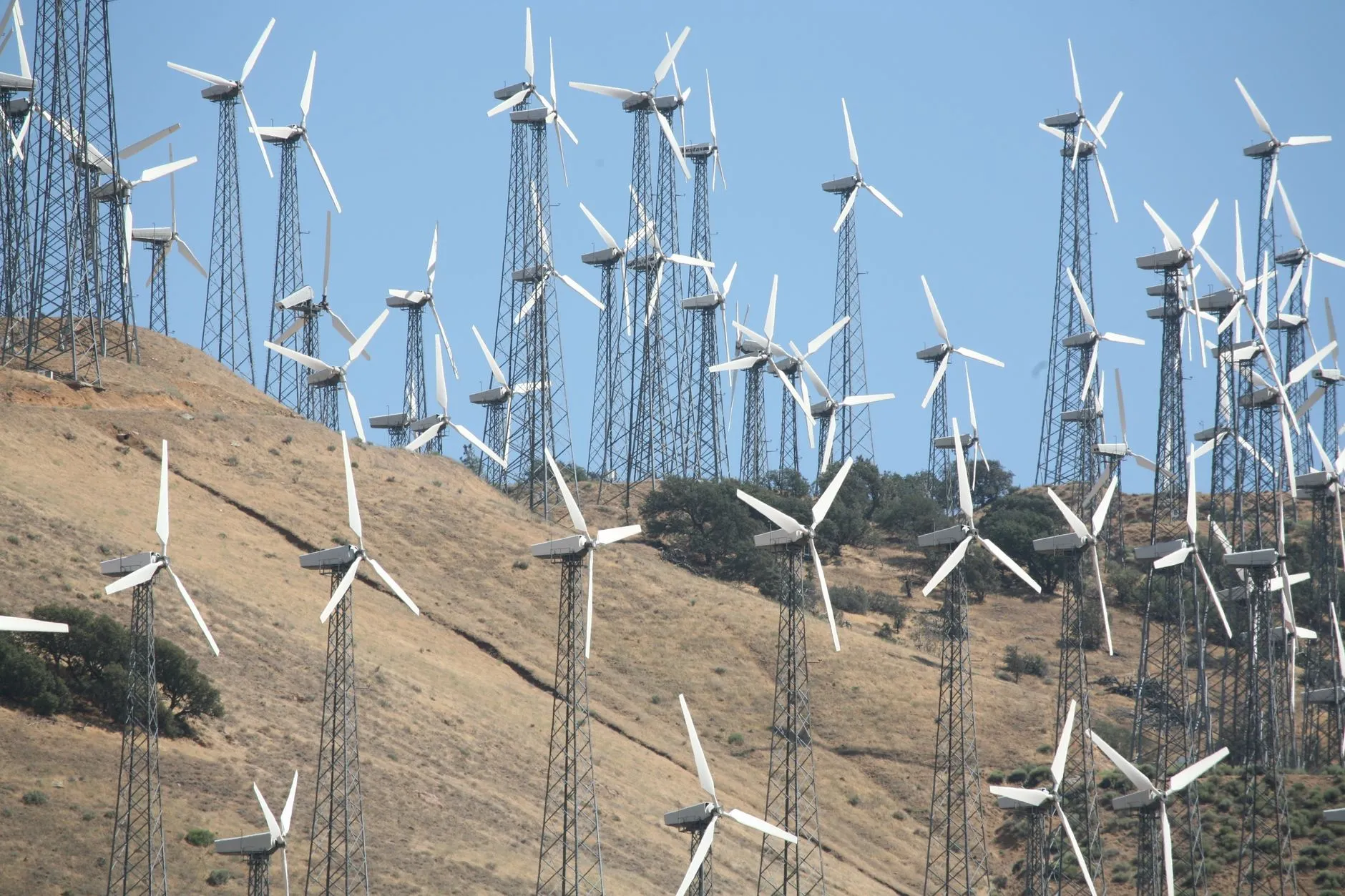
The global economy faces a fundamental tension. More people have access to modern energy than ever before, yet that progress has pushed emissions to record levels. At the same time, solar panels, wind turbines, and batteries have become far cheaper and more capable than most experts predicted. Consequently, the question is no longer whether clean energy can work at scale but whether it can grow fast enough to offset rising demand.
For UK businesses, this shift matters commercially. Energy prices, supply chain expectations, and regulatory frameworks are all moving in response to these global dynamics. Understanding where the transition stands helps firms plan investment, manage risk, and respond to changing market conditions.
Record emissions despite rapid growth in renewables
Global energy-related carbon dioxide emissions reached approximately 38 gigatonnes in 2024, according to the International Energy Agency. That represents a historic peak. Fossil fuels still supply around 80 percent of the world's energy, and coal generates roughly 35 percent of global electricity, as highlighted by Eric Toone, chief technology officer of Breakthrough Energy, in remarks reported by MIT.
These figures reveal a paradox. Clean technologies are expanding faster than ever, yet total energy use continues to climb. Emerging economies are industrialising, cities are growing, and digital infrastructure demands more power. As a result, even rapid renewable deployment has not yet reversed global emissions growth.
Electricity demand is rising faster than overall energy consumption. The IEA projects that global electricity use will increase by about 40 percent by 2035 under current policy settings. In a scenario aligned with net zero, the increase exceeds 50 percent. Electric vehicles, heat pumps, industrial processes, and data centres are all contributing to that surge.
Meanwhile, policy choices significantly affect how much energy the world will need. Under the IEA's stated policies scenario, total energy demand could grow by roughly 50 exajoules by 2035, an increase of around 8 percent. A more fossil fuel intensive scenario pushes that figure to approximately 90 exajoules, or 15 percent. Therefore, regulation and investment decisions shape not just the fuel mix but the scale of the challenge itself.
Technology costs have fallen faster than expected
The cost of decarbonisation has dropped sharply over the past decade. Breakthrough Energy used artificial intelligence to model the global transition and initially estimated the cost at approximately $7.5 trillion. Further analysis suggested that successful development of emerging technologies could reduce that figure to around $3.5 trillion.
This estimate depends on several conditions. Technologies must move from pilot projects to commercial deployment. Supply chains for critical minerals need to expand. Grids require significant reinforcement. Permitting processes must accelerate. Financing has to reach projects in developing economies. None of these outcomes is guaranteed, but each is technically and economically plausible.
The Intergovernmental Panel on Climate Change reports that solar photovoltaics, onshore wind, offshore wind, and batteries have all seen sharp cost reductions as deployment has scaled. Moreover, the IPCC concludes with high confidence that these technologies have progressed faster in recent years than many earlier models anticipated.
Solar and onshore wind are now cost competitive with fossil fuel generation in many markets. However, their value depends on grid flexibility, transmission capacity, and energy storage. Batteries are improving in both cost and performance, which helps integrate variable renewable power and supports electrification across transport and other sectors.
These advances have expanded the range of feasible emissions reduction strategies. A decade ago, deep decarbonisation appeared prohibitively expensive. Today, the cost barrier has fallen significantly. Nevertheless, deployment at the required speed remains a challenge.
What emissions pathways require from energy systems
Technology progress does not eliminate the need for rapid cuts. The IPCC finds that limiting warming to 2 degrees Celsius requires rapid and deep reductions in energy system carbon dioxide and other greenhouse gas emissions. Pathways that limit warming to 1.5 degrees with no or limited overshoot see net energy system CO2 emissions fall by roughly 87 to 97 percent by 2050 relative to baseline levels.
The IPCC estimates that mitigation options costing no more than $100 per tonne of carbon dioxide equivalent could reduce global greenhouse gas emissions by at least half of their 2019 level by 2030. More than half of the identified technical mitigation potential consists of options costing less than $20 per tonne. This suggests that many near term reductions are economically attainable if policies and investment enable deployment.
Electricity generation offers major near term potential. However, progress is also required in buildings, transportation, industry, agriculture, forestry, and land use. No single sector can deliver the necessary reductions alone. Therefore, businesses across multiple industries face pressure to cut emissions and demonstrate credible transition plans.
For UK firms, this translates into several commercial realities. Large customers and public sector buyers increasingly require suppliers to report emissions and show improvement. Access to finance is becoming conditional on climate risk disclosure. Export markets are introducing carbon border measures. Consequently, emissions performance is shifting from a reputational issue to a competitive and compliance factor.
Policy scenarios show how much current decisions matter
The IEA's latest outlook illustrates the importance of government action. Under the stated policies scenario, energy related emissions decline below 30 gigatonnes by the middle of the century. Under the current policies scenario, emissions remain close to today's level for much longer. The net zero emissions scenario requires much deeper and faster change.
This range is significant because it shows that technology availability alone does not determine outcomes. Government standards, carbon policies, public and private investment, grid construction, research funding, industrial strategy, and international cooperation all influence whether low carbon technologies move from promising demonstrations to widespread commercial use.
Electricity is becoming more central to economic activity. The pace of demand growth is increasingly shaped by electrification and emerging technologies rather than by traditional fuel consumption alone. For businesses, this shift has practical implications. Energy procurement strategies need to account for rising electricity use. Investment in heating, transport, and industrial processes should consider electrification options. Grid connection timelines are lengthening in many regions.
UK energy policy reflects these global trends. The government has committed to decarbonising the electricity grid by 2030 and achieving economy wide net zero by 2050. Carbon reporting requirements are expanding under the Streamlined Energy and Carbon Reporting framework. Public procurement now favours suppliers with credible net zero plans. Therefore, understanding the policy trajectory helps businesses anticipate regulatory changes and identify commercial opportunities.
Key facts about the global energy transition
- Global energy related carbon dioxide emissions reached a record approximately 38 gigatonnes in 2024, according to the International Energy Agency.
- Fossil fuels still supply around 80 percent of global energy, and coal generates roughly 35 percent of the world's electricity.
- The IEA projects that global electricity demand will rise by about 40 percent by 2035 under current policies, with electrification of transport, heating, and industry driving much of that growth.
- The costs of solar photovoltaics, onshore wind, offshore wind, and batteries have fallen sharply as deployment has expanded, progressing faster than many earlier models anticipated.
- The IPCC estimates that mitigation options costing no more than $100 per tonne of carbon dioxide equivalent could reduce global greenhouse gas emissions by at least half of their 2019 level by 2030.
- More than half of the identified technical mitigation potential consists of options costing less than $20 per tonne, suggesting that many near term reductions are economically attainable.
- Pathways limiting warming to 1.5 degrees Celsius require net energy system CO2 emissions to fall by roughly 87 to 97 percent by 2050 relative to baseline levels.
Why UK businesses should track these developments
The decarbonisation challenge is not simply a question of replacing one energy source with another. Rising prosperity means that the world must provide more energy services, especially in developing economies, while sharply reducing the emissions intensity of that energy. This dynamic creates both risks and opportunities for UK firms.
Energy demand will continue to grow in many regions. Development, urbanisation, cooling, manufacturing, transport, and digital services will increase demand for reliable energy. Consequently, businesses that depend on international supply chains or serve global markets need to understand how energy availability and cost will evolve in different geographies.
Clean technologies are advancing rapidly. Solar, wind, batteries, and electrification are becoming more competitive and have expanded the range of feasible emissions reduction strategies. For firms planning capital investment, this means that low carbon options are increasingly viable on purely economic grounds. Conversely, locking in fossil fuel dependent infrastructure carries growing financial and regulatory risk.
Deployment speed is decisive. The difference between scenarios depends less on whether solutions exist than on how quickly they are financed, approved, manufactured, connected to grids, and adopted. This creates opportunities for businesses involved in manufacturing, installation, project development, and supply chain services. It also means that regulatory timelines and grid capacity constraints will increasingly affect investment decisions.
The most encouraging development is that decarbonisation is increasingly supported by technological progress and falling costs rather than relying solely on sacrifice or reduced energy access. However, the principal risk is that deployment will lag behind demand, leaving fossil fuels to fill the gap. For businesses, this uncertainty makes scenario planning and flexible investment strategies essential.
UK firms should consider several actions. First, assess exposure to energy price volatility and explore opportunities to lock in renewable power through corporate power purchase agreements or on site generation. Second, understand how carbon reporting requirements and customer expectations are evolving. Our net zero program for carbon reporting compliance helps businesses meet regulatory standards and respond to supply chain requests.
Third, evaluate whether electrification makes commercial sense for heating, transport, or industrial processes. Fourth, monitor policy developments that could affect cost, compliance, or market access. Finally, engage with supply chain partners to understand their transition plans and ensure alignment with your own commitments.
The global energy transition is moving faster in some areas than many expected, yet not fast enough to prevent further emissions growth. For UK businesses, the commercial implications are becoming clearer. Energy markets are changing, regulatory frameworks are tightening, and customer expectations are rising. Firms that understand these shifts and plan accordingly will be better positioned to manage risk and capture opportunity.
Where to find authoritative information on energy and emissions trends
The International Energy Agency publishes annual outlooks and data on global energy markets, emissions, and technology trends. Their website provides detailed scenario analysis and policy recommendations.
The Intergovernmental Panel on Climate Change offers comprehensive assessments of climate science, mitigation pathways, and technology costs. Their reports are available through the IPCC website.
The UK government's Department for Energy Security and Net Zero sets national policy and provides guidance on carbon reporting, energy efficiency, and transition planning. Visit gov.uk for official updates and consultation documents.
Our ESG compliance and carbon reporting services help UK businesses navigate regulatory requirements and develop credible transition plans. We also offer training through SBS Academy on Scope 3 emissions, supply chain engagement, and carbon reduction strategies.