
Europe’s Plastic Packaging Reset: New EU Rules for Less Waste
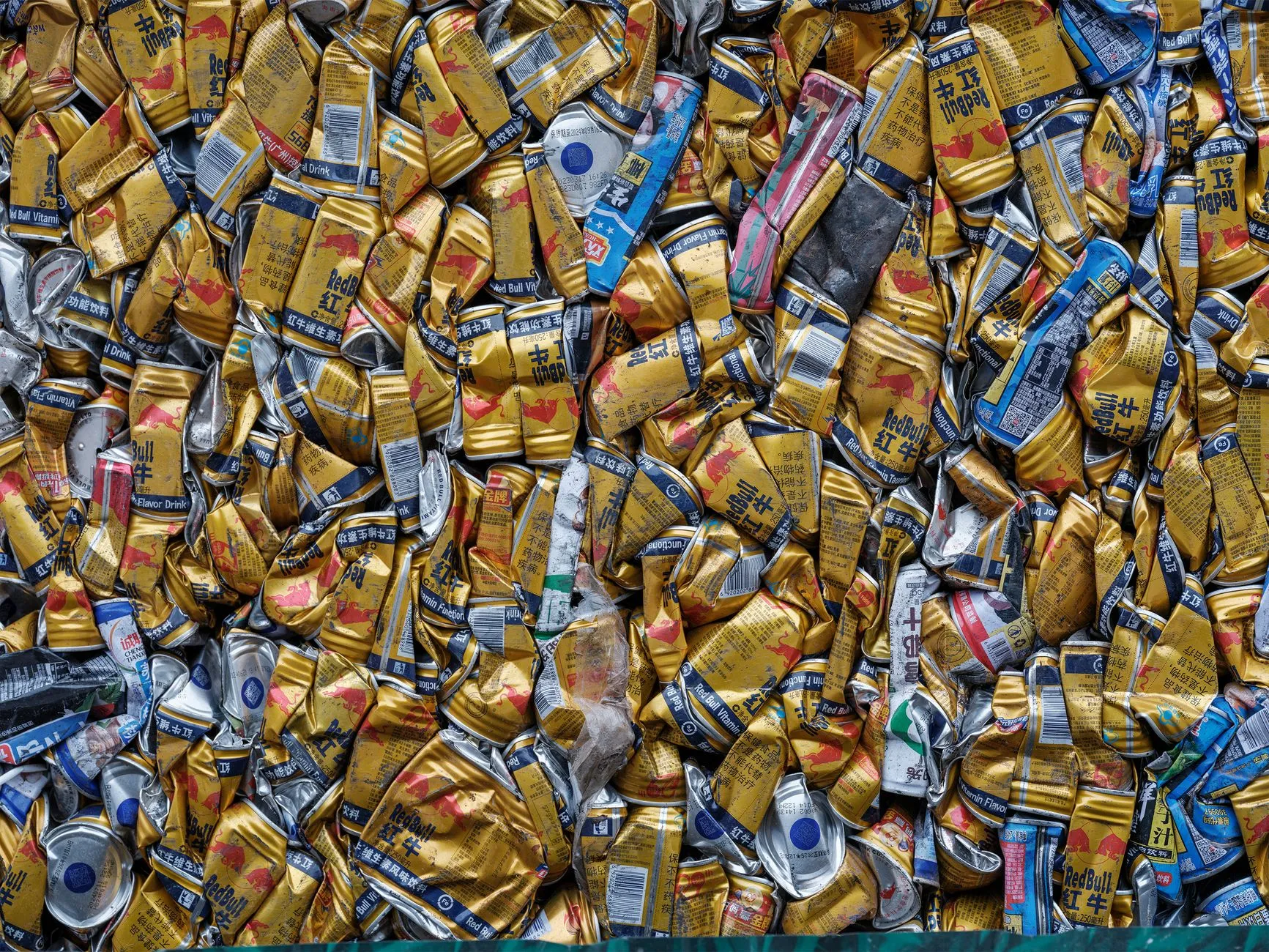
Europe has replaced decades of voluntary packaging guidance with binding legal requirements. From August 2026, businesses selling goods across the European Union will face detailed rules on packaging design, recycled content, reuse systems and waste reduction. The shift affects manufacturers, retailers, logistics firms and online sellers operating in or exporting to EU markets.
The changes arrive through Regulation (EU) 2025/40, formally known as the Packaging and Packaging Waste Regulation. It entered into force on 11 February 2025. Unlike the directive it replaces, this regulation applies directly in all member states without requiring national transposition into domestic law.
For UK businesses exporting to Europe, the regulation creates new compliance obligations. Moreover, it signals a policy direction that may influence UK regulations in the coming years. Understanding the requirements now helps firms prepare for both immediate export challenges and potential future domestic rules.
Why the European Commission overhauled packaging policy
Packaging accounts for a substantial portion of European waste streams. Single-use plastic packaging has grown particularly problematic. According to the European Commission, only 42.4% of plastic packaging waste generated in 2024 was recycled. The majority went to incineration or landfill.
Previous rules relied heavily on voluntary initiatives and national implementation. Consequently, standards varied across member states. Some countries achieved high recycling rates while others lagged significantly behind. The patchwork approach created competitive distortions and undermined the single market.
The regulation addresses these inconsistencies by establishing uniform requirements. It also advances broader EU policy goals, including reduced dependence on virgin raw materials and progress toward climate neutrality by 2050. Packaging decisions are now treated as matters of resource security rather than purely commercial choices.
Timeline for packaging waste reduction and recycling requirements
The regulation sets progressive targets across a 15-year implementation period. Initial requirements take effect in August 2026. However, the most demanding obligations arrive between 2030 and 2040.
By the end of 2025, member states were required to achieve a 65% recycling rate for all packaging waste. This target was carried over from previous rules. In addition, consumption of lightweight plastic carrier bags was capped at 40 bags per person annually.
From 2029, member states must ensure separate collection of at least 90% of single-use plastic and metal beverage containers up to three litres. This effectively mandates deposit return schemes or equivalent systems in countries that lack them.
The 2030 milestone introduces multiple requirements simultaneously. Packaging must be designed for recycling in an economically viable way. Recycled-content minimums take effect for plastic packaging. Reuse targets begin for transport packaging and certain retail formats. The EU-wide packaging waste recycling target rises to 70%.
By 2035, recyclability standards become more demanding. Packaging must be recyclable at scale, meaning collection and sorting infrastructure exists across Europe. Member states must reduce packaging waste per capita by 10% compared with 2018 levels.
The 2040 targets represent the regulation's long-term ambition. Packaging waste per capita must fall by 15% compared with 2018. Reuse rates for transport packaging rise to an indicative 70%.
Minimum recycled content for plastic packaging from 2030
The regulation introduces mandatory recycled-content requirements for plastic packaging. These rules aim to create stable demand for post-consumer recycled material and reduce reliance on virgin plastic.
From 2030, contact-sensitive PET packaging must contain at least 30% recycled content. This category excludes single-use beverage bottles, which face a separate 30% requirement. Other contact-sensitive plastic packaging requires a minimum of 10% recycled content. All other plastic packaging must contain at least 35% recycled material.
Targets apply as averages per manufacturing plant per year. Therefore, individual packages need not contain exactly the specified percentages. However, the overall output from each facility must meet the thresholds.
Certain categories receive exemptions or modified treatment. Pharmaceutical packaging, food packaging for infants, medical devices and hazardous-goods packaging are excluded. Some compostable plastics also fall outside the scope.
These provisions will likely intensify competition for high-quality recycled feedstock. Businesses using plastic packaging may face higher material costs if supply does not keep pace with regulatory demand. Investment in collection, sorting and recycling infrastructure becomes essential to avoid supply constraints.
Reuse systems and refill requirements for retailers and distributors
The regulation shifts policy emphasis from recycling toward reuse. By 2030, businesses using transport packaging must ensure that at least 40% operates within a reuse system. This includes packaging used in e-commerce, business-to-business deliveries and logistics.
Covered formats include pallets, crates, boxes, trays, drums, canisters, intermediate bulk containers and pallet wrapping. The indicative target rises to 70% by 2040.
Final distributors must offer at least 10% of products in reusable packaging formats from 2030. Retailers with sales areas larger than 400 square metres are expected to provide refill stations for food and non-food products. These requirements create operational challenges, particularly for businesses without existing refill infrastructure.
Beverage packaging faces additional reuse and refill objectives. However, specific categories receive exemptions. Milk, wine, aromatised wine and spirits are treated differently or excluded entirely.
Reuse systems require more than reusable containers. They need standardised packaging dimensions, reverse logistics, washing infrastructure, consumer participation and viable economics. Without these supporting elements, reuse mandates may shift environmental burdens rather than eliminate them.
Restrictions on single-use formats and excessive packaging
The regulation restricts several single-use packaging formats. Plastic films used at points of sale to group products and encourage multi-buy purchases face restrictions. Single-use packaging for pre-packed fruit and vegetables weighing less than 1.5 kilograms is also limited.
From 2030, manufacturers and importers must ensure packaging uses the minimum necessary weight and volume. Packaging whose dimensions or materials exceed what is required for product protection, transport and presentation will not comply. This provision targets over-packaging practices common in consumer goods.
The regulation reinforces earlier restrictions on lightweight plastic carrier bags. Annual consumption must remain below 40 bags per person. Member states with higher consumption rates must implement measures to reduce usage.
These rules affect packaging design decisions across product categories. Brands that rely on visual impact through large or multi-layered packaging may need to rethink their approach. Similarly, promotional packaging designed to attract attention on shelves could fall foul of minimisation requirements.
Summary of core requirements and deadlines
- The regulation applies directly across EU member states from 12 August 2026, with progressive obligations through 2040.
- Plastic packaging must contain minimum recycled content from 2030, ranging from 10% to 35% depending on type and application.
- At least 40% of transport packaging must operate within reuse systems by 2030, rising to an indicative 70% by 2040.
- Member states must collect 90% of single-use beverage containers separately from 2029, effectively requiring deposit return schemes.
- Packaging must be designed for economically viable recycling by 2030 and recyclable at scale by 2035.
- Member states must reduce packaging waste per capita by 5% by 2030, 10% by 2035 and 15% by 2040 compared with 2018 levels.
- Single-use formats including certain plastic films and excessive packaging are restricted or phased down from 2030.
Compliance obligations for manufacturers, importers and retailers
The regulation affects every stage of the packaging value chain. Manufacturers must audit existing packaging portfolios against the new recyclability and minimisation requirements. Products using inseparable materials, excessive layers or problematic additives will require redesign.
Importers and exporters face similar scrutiny. Packaging placed on the EU market must meet the same standards regardless of where it was manufactured. Therefore, UK businesses exporting to Europe need to verify compliance before goods enter the single market.
Retailers and distributors must prepare for reuse and refill obligations. Larger stores need space for refill stations. All distributors must offer a proportion of products in reusable formats. Consequently, supply chain relationships may need renegotiation to accommodate returnable packaging systems.
Documentation and traceability requirements increase substantially. Companies must track packaging placed on the market across different member states. In addition, they must verify recycled-content claims and packaging composition with suppliers. Data collection and conformity assessment become routine compliance activities.
Food businesses face particular challenges with recycled-content requirements. Food-contact packaging must meet strict safety standards. Therefore, sourcing compliant recycled plastic requires careful supplier selection and quality assurance.
E-commerce operators must ensure transport packaging meets reuse thresholds. This may require investment in return logistics and cleaning systems. Alternatively, businesses may join collective reuse schemes where available.
Practical challenges in meeting recycling and reuse targets
Recycling targets depend on infrastructure as much as packaging design. Member states must establish effective separate collection systems. In addition, they need sorting capacity capable of handling increased volumes and material types. Without these systems, even perfectly recyclable packaging may end up in residual waste.
The 90% collection requirement for beverage containers places particular pressure on deposit return schemes. Countries without such systems must implement them quickly. However, deposit schemes require consumer participation, retailer cooperation and operational funding. Rollout delays could undermine compliance.
Recycled-content requirements may expose supply gaps. If collection and recycling systems do not produce enough suitable material, demand will outstrip supply. Consequently, prices for food-grade recycled plastic may rise sharply. Businesses relying on such materials need to secure supply agreements early.
Reuse systems face distinct challenges. Standardised packaging dimensions are necessary for efficient reverse logistics. However, achieving industry consensus on standards takes time. Meanwhile, businesses must invest in washing infrastructure, return logistics and tracking systems without certainty about long-term viability.
Consumer behaviour plays a critical role. Reuse and refill systems require active participation. If consumers reject refillable formats or fail to return containers, the systems will not achieve their environmental objectives. Education and incentives become essential components of compliance strategies.
What UK businesses exporting to Europe should consider
UK firms selling goods in the EU must comply with the regulation for products placed on European markets. This applies regardless of where manufacturing occurs. Therefore, exporters face the same packaging requirements as EU-based competitors.
Businesses should start by reviewing current packaging against 2030 requirements. Specifically, assess whether designs will meet recyclability standards and minimisation criteria. In addition, evaluate whether plastic packaging can accommodate recycled-content thresholds.
Supply chain visibility becomes more important. Companies need to verify packaging composition and recycled-content claims with suppliers. Furthermore, they must document compliance for customs and market surveillance authorities. Traceability systems should be reviewed and strengthened where necessary.
Firms using transport packaging for EU deliveries need to plan for reuse obligations. This may involve joining existing reuse schemes or establishing dedicated systems. Early engagement with logistics partners helps identify practical solutions.
Regulatory divergence between the UK and EU creates complexity. While the UK has not adopted identical rules, the Department for Environment, Food and Rural Affairs is developing extended producer responsibility reforms and packaging requirements. Businesses operating in both markets may face parallel but not identical compliance burdens.
Our compliance support service helps businesses navigate regulatory requirements across different jurisdictions. We work with exporters to map obligations, assess packaging portfolios and develop practical compliance strategies.
How the regulation changes packaging economics and strategy
The regulation transforms packaging from a branding and cost decision into a legal compliance issue. Consequently, marketing preferences must align with regulatory constraints. Visual impact and shelf presence remain important, but they cannot override minimisation and recyclability requirements.
Material choices become more strategic. Mono-material packaging generally performs better against recyclability criteria than multi-layer formats. However, mono-material options may cost more or require process changes. Businesses must balance regulatory compliance with cost control and product protection.
Recycled-content requirements create new market dynamics. Demand for post-consumer recycled plastic will increase across Europe simultaneously from 2030. Therefore, early supply agreements may offer both cost and availability advantages. Firms that wait until requirements take effect may face higher prices and limited options.
Reuse systems shift financial models. Returnable packaging requires higher initial investment but lower per-use costs over time. However, return rates, washing costs and loss rates all affect overall economics. Financial viability depends on operational efficiency and consumer participation.
Competitive dynamics may change. Companies that adapt quickly and efficiently gain advantages in tenders and supply agreements. Conversely, businesses that delay face rushed redesigns, higher transition costs and potential market access issues.
Where to find detailed guidance and regulatory text
The complete text of Regulation (EU) 2025/40 is available through EUR-Lex, the EU's official legal database. It provides the definitive source for all requirements, exemptions and timelines.
The European Commission publishes guidance materials and frequently asked questions through its Environment Directorate-General. These resources help interpret specific provisions and clarify implementation questions.
Member state authorities provide country-specific guidance on enforcement, collection systems and reporting obligations. UK businesses exporting to particular markets should consult the relevant national environmental agencies.
Industry bodies including the British Standards Institution offer technical standards and sector-specific interpretation for packaging compliance. These resources help translate regulatory requirements into practical design specifications.
For businesses seeking support with packaging compliance, supply chain sustainability or export requirements, our sustainable procurement service provides practical assistance tailored to UK SMEs operating in European markets.