
Fairtrade warns banana growers face extreme climate shocks
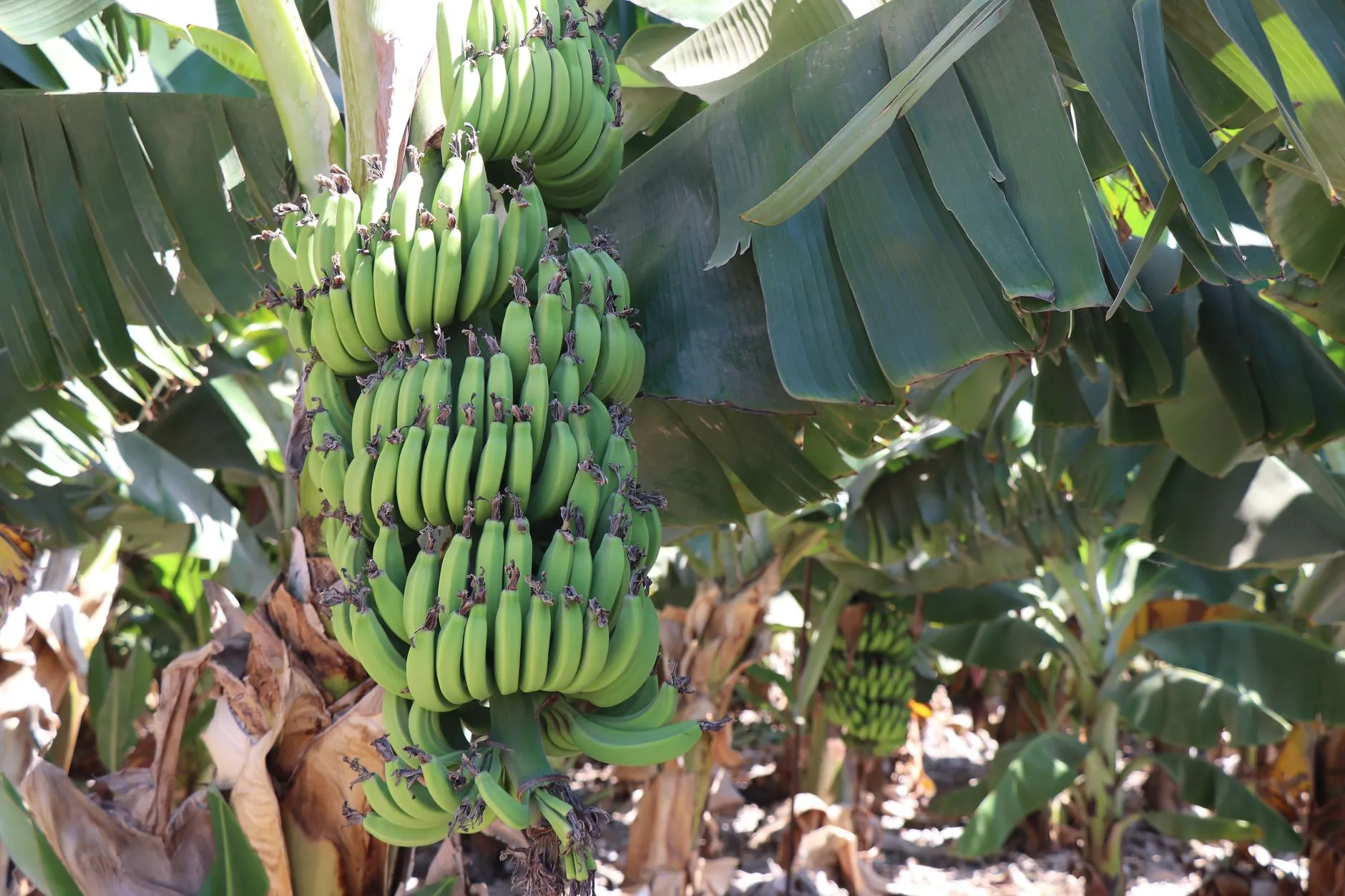
The Fairtrade Foundation has warned that banana growers face a dangerous combination of climate disruption and unfair trading practices. Together, these pressures are pushing producers into what the organisation calls a "downward spiral" where falling productivity meets inadequate income. For UK businesses that rely on stable tropical supply chains, the warning matters. Bananas are one of the most widely traded fruits globally, and roughly 10 to 12 million people depend on them for their livelihoods. When those supply chains weaken, the effects travel quickly through procurement systems, supplier relationships and cost structures.
Fairtrade's analysis centres on a report titled Bananas: An Endangered Staple, developed with independent research partner 3Keel. The findings draw on productivity data from certified farms during the 2023 to 2024 El Niño cycle. They show that climate shocks are already reducing output in major producing countries. Meanwhile, growers say they face persistent downward pressure on prices, last-minute order cancellations and penalties that transfer commercial risk away from buyers and onto farms. The result is a system where producers are expected to absorb both climate and market volatility without the financial capacity to adapt.
El Niño reduced yields across three major producing countries
Fairtrade collected productivity data from certified banana farmers and workers during the most recent El Niño event. The figures show significant declines compared with the previous year. In Ecuador, average productivity fell by 22%. The Dominican Republic recorded a 13% drop. Peru saw yields decline by 6%. These are not marginal variations. For growers operating on thin margins, a productivity loss of even 6% can mean the difference between covering costs and falling into debt.
Climate impacts vary by region and weather pattern. Heavy rainfall and flooding disrupt field operations and damage plants. Strong winds can flatten crops and destroy infrastructure in a matter of hours. Conversely, prolonged dry spells increase water stress and reduce the quantity and quality of fruit. Each of these effects requires different responses, but all demand investment that many producers cannot afford.
Carley-Jane Stanton, Fairtrade's climate and environment lead, noted that the current El Niño cycle is expected to bring more extreme weather, including torrential rain and high winds. She cautioned that the consequences for producers could be more severe than those observed in the 2023 to 2024 period. Consequently, the productivity losses already recorded may represent an early stage of a longer-term trend rather than a temporary anomaly.
Commercial pressures leave growers unable to invest in resilience
The Fairtrade report makes clear that producers are not confronting climate risk from a position of financial stability. Farmers and plantation workers described a cycle in which inadequate prices reduce their ability to invest in adaptation. When climate-related losses occur, their financial position weakens further. This makes future shocks harder to withstand. The term "downward spiral" reflects the compounding nature of the problem.
Building climate resilience requires upfront capital. Growers may need to improve drainage systems, install or upgrade irrigation, strengthen wind protection around plantations, adopt more resilient planting material, manage emerging pests and diseases, and upgrade worker facilities and farm infrastructure. These are not optional luxuries. They are basic requirements for maintaining productivity in a changing climate. However, when prices fail to cover production costs, farmers have little choice but to defer or abandon such investments.
The trading practices identified by Fairtrade include downward price pressure, last-minute cancellations and unfair penalties. These behaviours transfer commercial risk down the supply chain. A retailer or importer that cancels an order at short notice may face minimal financial consequences. The grower, on the other hand, is left with fruit that cannot be stored indefinitely and limited options for finding alternative buyers. Similarly, penalties for minor quality variations or delivery delays can erode already narrow margins.
The banana sector also faces biological threats that require sustained investment. Fusarium Tropical Race 4 is a fungal disease capable of devastating susceptible banana varieties. Once it enters soil, it can persist for decades. There is no cure. The only effective responses are prevention, containment and the development of resistant varieties. These measures require resources that many smallholder farmers and even larger operations struggle to mobilise without stable income.
Fairtrade raised minimum prices but broader trading practices remain unchanged
In November 2026, Fairtrade International announced increases to its banana minimum prices. The organisation reported an average rise of 5.6% at ex-works level and 3.9% at free-on-board level. The exact adjustments vary by country of origin. Fairtrade described the change as a response to climate disruption, geopolitical instability, higher input and logistics costs, and disease pressures.
Emmerson Aguirre, president of Colombia's Asociación de Bananeros de Colombia, said the sector was facing "overarching and global" pressures. These include climate change and rising costs for production and transport. The minimum price adjustment is intended to improve producers' capacity to maintain farms and fund adaptation measures. However, a floor price alone cannot resolve power imbalances if other actors in the supply chain continue to demand low prices, impose penalties or cancel orders without adequate notice.
Fairtrade's pricing system includes two components. The Fairtrade Minimum Price is designed to act as a safety net when market prices fall below sustainable levels. The Fairtrade Premium is an additional sum paid to producer organisations, which they can allocate to community projects, business improvements or resilience investments. For these mechanisms to function as intended, buyers must honour the pricing structure and maintain consistent purchasing commitments.
Supply chain consequences extend beyond individual farms
Bananas are among the most widely traded fruits globally. In the UK alone, consumers eat approximately 12 kilograms per person each year. That equates to roughly 100 bananas annually for every individual. This scale of demand underscores how deeply banana supply chains are embedded in UK retail, hospitality and food service operations. When productivity falls in Ecuador, the Dominican Republic or Peru, the effects do not remain localised.
For growers, the immediate consequences include lower yields, higher costs, income instability and reduced capacity to adapt to future shocks. Workers face increased employment insecurity where farms cut production or reduce labour requirements in response to financial pressure. Buyers and retailers, meanwhile, face greater exposure to supply disruptions, quality problems and price volatility. If these trends intensify, consumers may experience reduced availability or higher retail prices. There is also an environmental dimension. Farms that become unviable in traditional growing regions may push production into new areas, potentially increasing ecological damage through deforestation or habitat conversion.
The interaction between climate and commercial pressures is particularly serious because each problem amplifies the other. A farm with adequate income can invest in drainage, irrigation or disease management after a storm or drought. A farm already operating below cost has far fewer options when the next shock arrives. This dynamic explains why Fairtrade describes the situation as a spiral rather than a series of isolated setbacks.
What businesses should understand about banana supply chain risks
- Productivity in Ecuador fell by 22% during the 2023 to 2024 El Niño cycle, with smaller but still significant declines in the Dominican Republic and Peru.
- Climate impacts include heavy rainfall, flooding, strong winds, droughts and increased water stress, each requiring different and costly adaptation measures.
- Growers report that inadequate prices, last-minute cancellations and unfair penalties prevent them from investing in resilience and leave them unable to absorb climate-related losses.
- Fusarium Tropical Race 4 is a persistent fungal disease that poses an additional biological threat to banana production and requires sustained investment in prevention and resistant varieties.
- Fairtrade International raised minimum prices by an average of 5.6% at ex-works level in November 2026, but broader trading practices remain a barrier to durable producer resilience.
- UK consumers eat roughly 100 bananas per person annually, illustrating the scale of demand and the potential for supply disruptions to affect retail and food service operations.
- Without fairer prices and stronger investment in adaptation, the future of banana production and the livelihoods it supports will remain increasingly vulnerable to both climate and market volatility.
Addressing root causes requires shared responsibility across the supply chain
The Fairtrade findings point to structural issues rather than isolated failures. Climate change is reducing productivity in important producing countries. However, the impact is being magnified by a trading system that often leaves farmers carrying the costs of disruption. A durable response would therefore need to address both the physical risks of climate change and the commercial practices that prevent producers from adapting.
Prices that cover sustainable production and decent working conditions are a starting point. Growers cannot invest in resilience if their income does not cover basic costs. More reliable purchasing commitments would reduce the risk of last-minute cancellations that leave farms with unsold produce. Transparent contracts and limits on unfair penalties would help distribute commercial risk more equitably. Greater investment in climate adaptation, disease prevention and infrastructure is essential if productivity is to be maintained in the face of worsening climate shocks.
Support for producer organisations and worker representation also matters. Collective bargaining power allows growers and workers to negotiate more effectively with buyers. It also enables them to pool resources for adaptation measures that individual smallholders cannot afford. For UK businesses, this means considering how procurement decisions affect the stability of supplier relationships. Short-term cost savings achieved by switching suppliers or negotiating down prices can weaken the long-term viability of supply chains.
Businesses that source bananas or other climate-vulnerable commodities should assess their own practices. Do contracts provide sufficient notice periods for order changes? Are prices set at levels that allow suppliers to invest in adaptation? Are penalties applied proportionately, or do they transfer excessive risk to producers? These questions are relevant not only for ethical reasons but also for commercial resilience. A supply chain that relies on producers operating below cost is one that will struggle to withstand repeated climate shocks.
For businesses working toward net-zero targets or sustainable procurement standards, sustainable procurement support can help align sourcing decisions with broader sustainability commitments. Similarly, organisations that need to report on Scope 3 emissions or demonstrate supply chain resilience may benefit from structured guidance on how to engage suppliers in a way that supports both compliance and long-term stability. Our net-zero program for carbon reporting compliance addresses these requirements in practical terms.
Where to find further information on fair trade and climate adaptation
The Fairtrade Foundation's report Bananas: An Endangered Staple provides detailed analysis of the productivity impacts observed during the 2023 to 2024 El Niño cycle. The Fairtrade Foundation website includes information on minimum pricing mechanisms, premium structures and certification standards. For broader context on climate adaptation in agriculture, the Department for Energy Security and Net Zero publishes guidance on climate risks and resilience measures relevant to supply chains.
Businesses that source tropical commodities may also find value in the UK government's guidance on due diligence and supply chain transparency. The Environment Agency offers resources on environmental risk management that can inform procurement decisions. For organisations seeking to align sourcing practices with ESG reporting requirements, the International Institute for Environment and Development provides research on fair trade, climate adaptation and sustainable agriculture.
Understanding the risks facing banana producers is not only a matter of ethical sourcing. It is also a question of commercial resilience. Supply chains built on unsustainable pricing and unfair risk allocation will continue to weaken as climate shocks intensify. Businesses that recognise this dynamic and adjust their procurement practices accordingly will be better positioned to manage volatility, maintain supplier relationships and meet the expectations of customers, investors and regulators who increasingly scrutinise supply chain sustainability.