
FC Bayern's Initiative for Climate Week and Sustainability
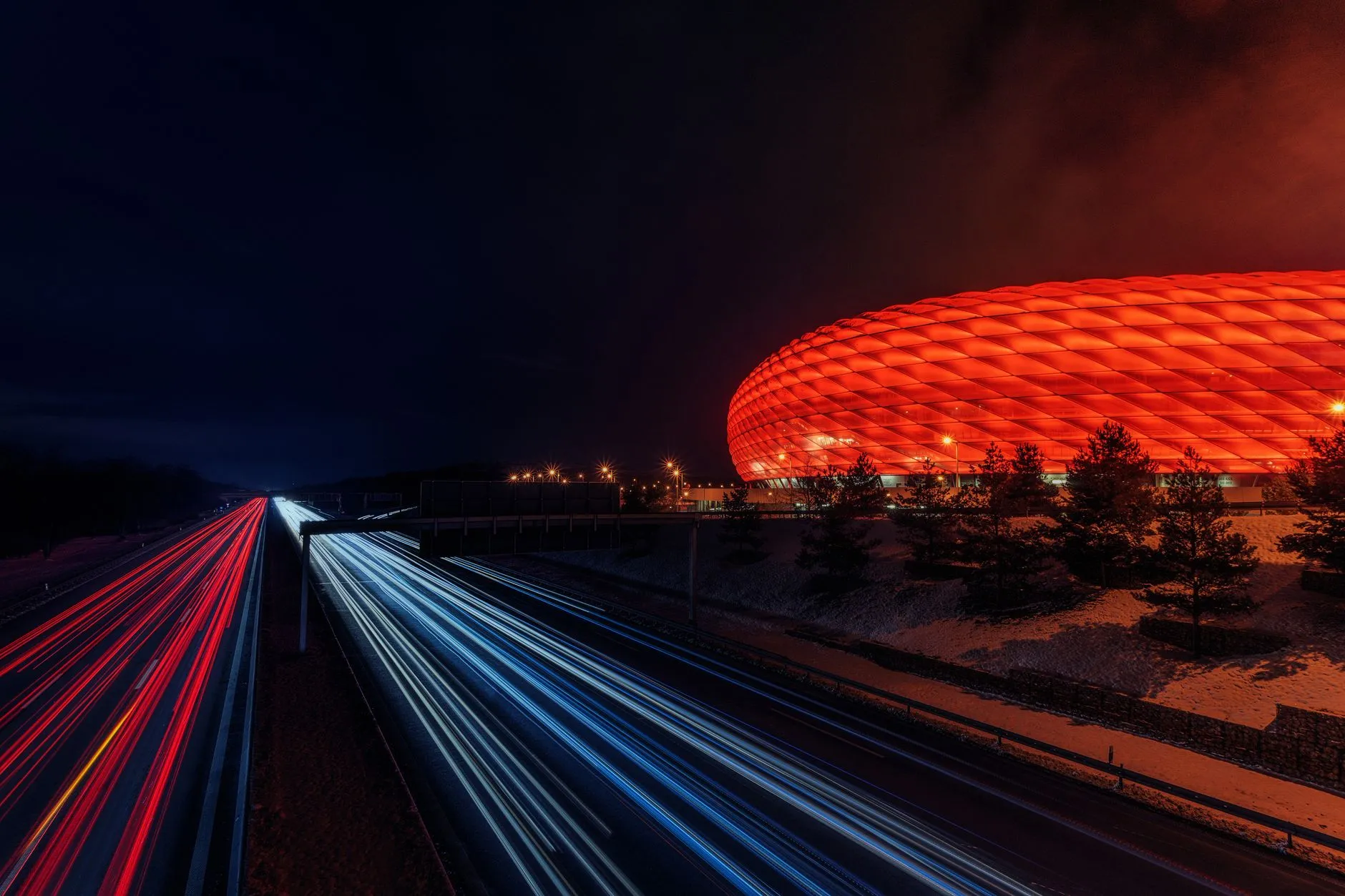
FC Bayern Munich is turning the Allianz Arena into a public classroom this autumn. The club will light its stadium twice during October 2026 as part of coordinated regional climate campaigns. At the same time, it will run nine sustainability tours with partner Allianz. The tours are designed for school groups and the general public.
This initiative sits within two consecutive campaigns. Bavarian Climate Week runs from 9 to 18 October. Munich Climate Week follows immediately, from 19 to 25 October. This is the first time Munich has hosted its own dedicated climate week.
For UK businesses watching European developments, the story offers a clear example of how large organisations can use physical assets to support public education on climate. Moreover, it shows how sports clubs are expanding their environmental role beyond carbon footprint reduction. They are now contributing to broader public discourse.
How the club is using the stadium during October 2026
The Allianz Arena will be illuminated at the start of Bavarian Climate Week. A second lighting display is scheduled for 22 to 24 October. During this period, the stadium façade will display climate stripes, a visual representation of temperature changes over time.
Climate stripes were developed by Professor Ed Hawkins at the University of Reading. Each stripe represents one year. The colour indicates whether the temperature was above or below average. The pattern reveals warming trends at a glance. Consequently, it has become a widely recognised symbol in climate communication.
In addition to lighting, the club will host nine sustainability tours across October. These tours are being organised with insurance partner Allianz. The Munich Climate Week event calendar lists one specific tour on 23 October from 10:00 a.m. to 1:00 p.m. This session is aimed at school groups.
The tours will cover energy efficiency, renewable energy, sustainable mobility, diversity, and inclusion. FC Bayern is using its appeal among young people to connect environmental topics with football. The aim is to make sustainability feel tangible rather than abstract.
BMW Park, home to FC Bayern Basketball, will also feature in the programme. The club has not yet published full details of activities at that venue. However, it is clear the campaign extends beyond the football stadium alone.
Regional context and previous climate work
Bavaria has run a regional Climate Week for several years. The 2026 event is coordinated by the Bavarian environment ministry. Munich Climate Week is new. It represents an effort by the city to concentrate local climate activities within a single week.
FC Bayern has been a member of the Bavarian Climate Alliance since 2015. The alliance brings together businesses, public bodies, and cultural institutions. Members commit to reducing emissions and supporting climate education. The club's participation in this year's campaign builds on that long-term involvement.
The Allianz Arena has been used for environmental messaging before. The stadium's LED façade has been lit for Earth Hour campaigns in previous years. It has also displayed climate-related colours during earlier climate weeks. The venue's sustainability page states that the club works with social partners on climate protection and publishes annual reports on energy consumption and carbon reduction.
The Bavarian environment ministry has previously described the arena as a prominent symbol in regional climate communication. The LED façade itself delivers energy savings compared to older lighting systems. This means the stadium's visual identity serves a dual purpose. It attracts attention and reduces energy demand.
Schools, families, and public engagement
Educational outreach forms the core of this campaign. The sustainability tours are designed to reach students who might not otherwise engage with climate topics through traditional channels. Football clubs enjoy high levels of trust and emotional connection. Therefore, they can act as bridges between technical subjects and everyday life.
The tours link practical sustainability measures with the club's operations. Participants will learn how the stadium manages energy, what renewable sources it uses, and how transport to matches can be made more sustainable. They will also hear about diversity and inclusion. These topics are increasingly recognised as part of environmental and social governance.
For schools, the tours offer curriculum-relevant content in an engaging setting. Teachers can use the visit to support lessons on climate science, geography, or citizenship. The Munich Climate Week event listing emphasises this educational goal. It states that the tour connects FC Bayern's appeal with practical lessons on sustainability and climate action.
Families attending matches will also see the stadium illuminations. This creates opportunities for conversations about climate change in informal settings. Visual displays like climate stripes are effective because they communicate complex data quickly. Parents and children can discuss what the colours mean without needing scientific expertise.
Public campaigns of this kind can shift perceptions. When a major institution visibly supports climate action, it signals that the issue is mainstream rather than niche. This normalization matters. It helps to reduce the sense that environmental concern is limited to activists or specific political groups.
October 2026 campaign summary
- Bavarian Climate Week takes place from 9 to 18 October 2026, followed immediately by the first Munich Climate Week from 19 to 25 October.
- The Allianz Arena will be illuminated at the start of Bavarian Climate Week and again from 22 to 24 October in climate stripe colours.
- Nine sustainability tours will be run in partnership with Allianz, covering energy efficiency, renewable energy, sustainable mobility, diversity, and inclusion.
- A dedicated school tour is scheduled for 23 October from 10:00 a.m. to 1:00 p.m. as part of the Munich Climate Week programme.
- BMW Park will also host activities, extending the campaign beyond the football stadium.
- FC Bayern has been a member of the Bavarian Climate Alliance since 2015 and has used the Allianz Arena for climate-focused lighting in previous years.
What UK businesses can learn from this approach
FC Bayern's campaign demonstrates how organisations can use existing assets to support climate communication. The club is not building new infrastructure. Instead, it is repurposing the stadium and its public profile. This approach is accessible to many types of business.
UK companies with visible premises, customer-facing operations, or strong local connections could adopt similar strategies. For example, a retail chain might use window displays to highlight climate data. A logistics firm could run educational events at its distribution centres. The principle is the same: make sustainability visible and connect it to something people already care about.
The emphasis on education is also significant. FC Bayern is not simply broadcasting messages. It is creating structured learning opportunities. This approach builds understanding rather than just awareness. Consequently, it is more likely to lead to behaviour change.
For businesses seeking to meet environmental, social, and governance expectations, this model offers practical value. Clients, investors, and regulators increasingly expect companies to demonstrate climate responsibility. Public engagement activities can support compliance while building reputation. They also provide content for annual reports and ESG disclosures.
Partnership plays a key role in the FC Bayern campaign. Allianz is co-organising the tours. This shared approach spreads costs and combines expertise. UK firms could explore similar collaborations with local councils, schools, or environmental organisations. Working together often delivers more impact than isolated efforts.
The timing of the campaign is deliberate. By aligning with Bavarian Climate Week and Munich Climate Week, FC Bayern ensures its activities receive broader media coverage. UK businesses can apply the same logic. National events such as Great Big Green Week or Carbon Literacy Action Day offer ready-made platforms for engagement.
Visual communication is another lesson. Climate stripes are simple but effective. They convey scientific information without requiring lengthy explanations. Businesses can use similar visual tools to make abstract topics concrete. Infographics, data displays, and colour-coded charts can all support public understanding.
Finally, the campaign shows the value of consistency. FC Bayern has been involved in climate work since 2015. It has used the stadium for environmental messaging repeatedly. This long-term commitment builds credibility. One-off initiatives can appear opportunistic. Sustained engagement signals genuine intent.
Where to find more information
The Bavarian environment ministry publishes details of Bavarian Climate Week activities each year. Its website provides background on the Climate Alliance and participating organisations. This resource explains how regional climate campaigns are structured and supported.
Munich Climate Week has its own event calendar. This lists all scheduled activities, including times, venues, and organisers. Schools and community groups can use this calendar to plan visits and educational sessions.
The Allianz Arena sustainability page offers information on the stadium's environmental measures. It includes data on energy consumption, carbon reduction programmes, and partnerships with social organisations. This page is updated annually with new performance figures.
For UK businesses interested in running similar campaigns, Great Big Green Week is a national event that brings together environmental activities across the country. The organisers provide resources, branding, and support for participating organisations. This can be a useful starting point for companies new to public engagement on climate.
Carbon Literacy Action Day is another relevant event. It focuses on education and training around carbon emissions. Businesses can register their own activities or join existing sessions. The Carbon Literacy Project offers free resources and toolkits to support workplace learning.