
Financing Resilient Farms for Food Security
Food security is shifting from a supply chain concern to a financial risk. Farmers in the UK now face a simple calculation: environmental deterioration threatens farm income, asset values and access to affordable finance. According to Ben Makowiecki, Agriculture Sustainability Director at Lloyds Banking Group, the equation is stark. In a Bloomberg Sustainability Currents episode recorded on October 6, he warned that farms which fail to adapt to climate and environmental pressures risk worsening financial outcomes.
The discussion with Bloomberg Intelligence analyst Grace Osborne explored why farm resilience can no longer be separated from financial resilience. Topics included regenerative agriculture, the role of lenders in managing the transition, and the growing involvement of insurers and infrastructure developers in healthier farmland. The episode also highlighted why businesses outside the food sector now have commercial interests in soil health, water retention and biodiversity.
For UK businesses that rely on stable food prices, secure agricultural supply chains or predictable environmental performance, the message matters. What happens on farmland affects not just food production but also flood risk, water quality, carbon emissions and the cost of insurance. Therefore, how farms are financed will influence outcomes far beyond the farm gate.
Farmers face mounting pressure on profitability and land condition
UK farmers are managing a combination of prolonged weather extremes, rising input costs, volatile markets and increasing regulatory pressure to reduce environmental impacts. Lloyds Banking Group says these conditions are placing growing strain on farm profitability, cash flow and long-term resilience.
The risks extend well beyond individual businesses. Agriculture underpins food supply, rural employment and land management. Meanwhile, farming practices influence soil health, water quality, biodiversity, carbon emissions and flood risk. Lloyds has described farmers as central to the UK's efforts to protect food security and progress toward net zero.
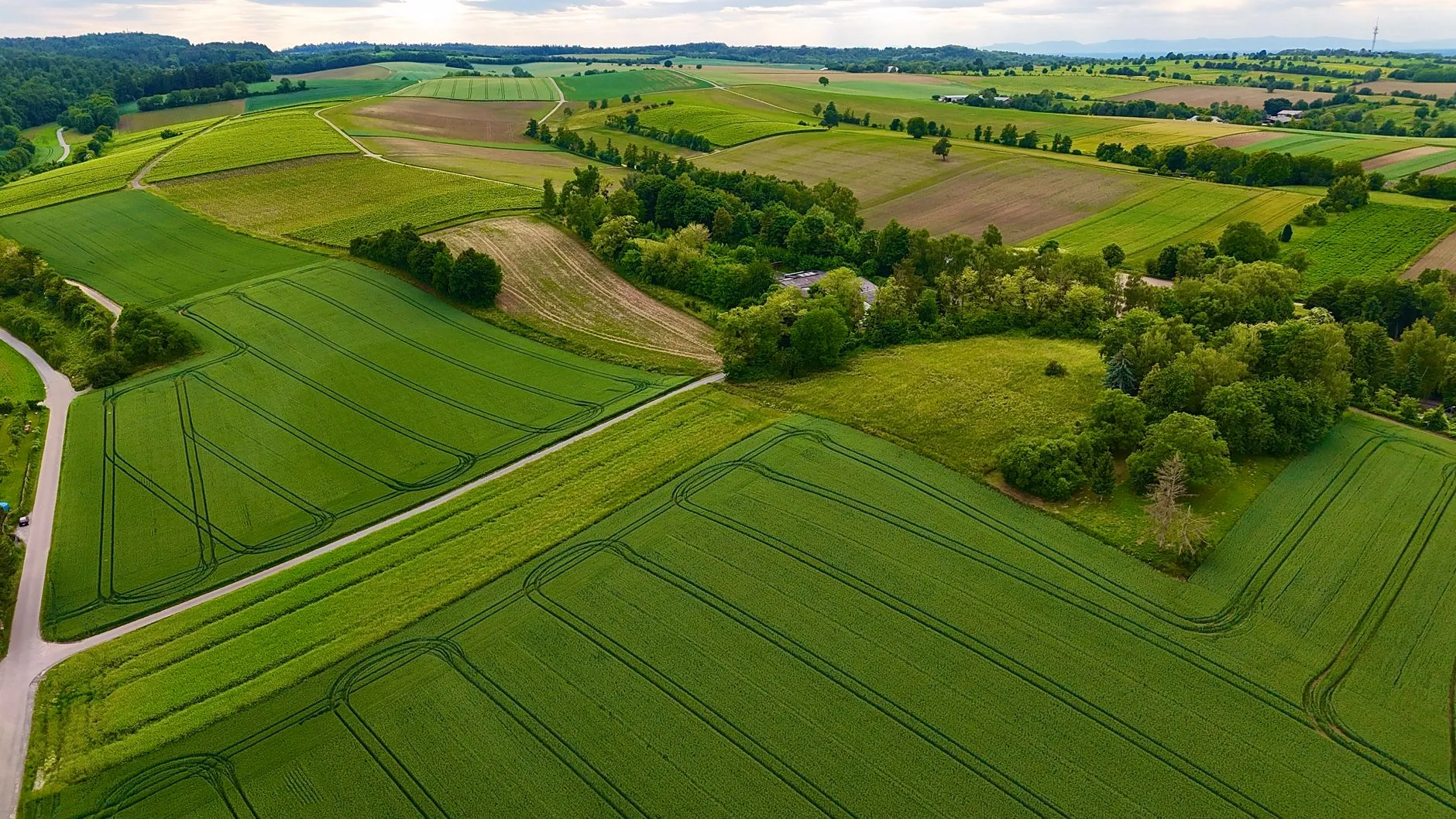
The scale of the land involved is substantial. Almost 70% of the UK is farmland, approximately 16.8 million hectares. That includes around 3 million hectares of cereal production. Consequently, how that land is managed has implications not only for farm businesses but also for the wider food system and the natural resources on which it depends.
For businesses tendering for public contracts or managing supply chain sustainability criteria, these pressures matter commercially. Farms are increasingly expected to demonstrate environmental performance, not just productivity. As a result, the financial health of farming businesses is becoming linked to their ability to meet these expectations.
Transition costs create a cash flow gap for many farms
The shift to regenerative farming can involve significant short-term costs and uncertainty. Farmers may need to invest in new machinery, water management systems, renewable energy, soil improvements, biodiversity measures or altered production methods. Some practices can also create a temporary reduction in yields or income while soils and farm systems adjust.
Research by Lloyds identifies finance as a major barrier. In a survey, 92% of farmers cited economic constraints as the primary obstacle to adopting regenerative practices. Furthermore, 85% said they would make significant changes if suitable financial incentives were available.
This helps explain the emphasis on tailored lending. Rather than treating sustainability as a separate charitable or compliance objective, transition finance attempts to connect environmental improvements with farm profitability, risk management and long-term asset value. The goal is to address the gap between making an investment and realizing its environmental or financial benefits.
Lloyds says its Agriculture Transition Finance product is designed to support farms moving toward regenerative practices. The offering includes terms of up to 25 years, an interest-only period of up to five years, and flexible drawdown options, subject to eligibility and lending assessment. The bank also offers discounted finance for projects such as energy efficiency upgrades, renewable energy, improved water use, sustainable agricultural technologies and biodiversity-related work.
New payment models aim to reward environmental benefits
A central issue is how farmers can be rewarded for benefits that markets have historically undervalued. Soil improvement, flood prevention, cleaner water, carbon reduction and biodiversity can create broad public and commercial benefits. However, they do not always generate immediate farm income.
Lloyds' partnership with Soil Association Exchange aims to address part of this problem through farm-level environmental data. The partnership has created an environmental baseline covering more than 850 farms. This can be used to identify opportunities for investment and reward measurable improvements.
The associated Exchange Market pilot uses a carbon insetting model. Farmers are paid to reduce emissions within their own supply chains without selling conventional carbon credits. Payments can support measures including direct drilling, reduced tillage, cover cropping and improved nutrient management. Notably, the model provides 50% of the annual payment upfront to help with adoption costs.
Another initiative is the Food and Nature Resilience Fund, launched by Lloyds and regenerative farming company Wildfarmed. The fund is intended to accelerate investment across the UK's approximately 3 million hectares of arable farmland. It pools capital from banks, utilities, insurers and companies across food and non-food value chains.
The fund's stated objective is to reward verified improvements in biodiversity, soil health, water quality and carbon while keeping land in food production. This reflects an important distinction from some conservation approaches. Specifically, the model seeks to make food production and nature recovery complementary rather than competing uses of land.
Makowiecki has described the underlying problem in stark terms: historically, the food system has priced nature at zero. Lloyds says the consequences include food price inflation and increased fragility in the ecosystems on which agriculture depends.
Lloyds positions itself as the UK's largest financial partner to agriculture
Lloyds Banking Group describes itself as the UK's largest financial partner to agriculture, serving more than 46,000 farming businesses. The group says it lent £550 million to UK agriculture businesses in the previous year.
Its wider sustainable finance activity has also expanded. Lloyds Banking Group reported that it had provided £71 billion in sustainable finance since 2022, including £22 billion during 2025. Agriculture is one part of a broader portfolio that includes clean energy, water resilience and other infrastructure projects.
For smaller farms, access to suitably sized finance is particularly important. Lloyds has lowered the lending threshold for its Clean Growth Finance Initiative in agriculture to include borrowing below £25,000. This allows smaller businesses to fund projects such as soil health improvements and peatland protection. The bank also says it offers a one percentage point margin discount on eligible loans of up to £50,000 for sustainability initiatives.
These products do not remove the commercial risks of changing production systems. However, longer repayment periods, interest-only options, discounted margins and upfront payments can help address the cash flow gap between making an investment and realizing its environmental or financial benefits.
For SMEs in the food sector, these developments matter because they affect the stability and cost of agricultural supply. If finance becomes more available for farms that demonstrate environmental performance, supply chains may become more resilient. Conversely, if traditional farms struggle to access affordable capital, supply disruption and price volatility could increase.
Insurers and infrastructure companies now have commercial interests in farm resilience
The Bloomberg discussion highlights that farm resilience has consequences well beyond the farm gate. Healthier soils can improve water retention and reduce erosion. Meanwhile, better land management may help moderate flood risk. More reliable agricultural production can also reduce disruption across food supply chains.
That creates potential interests for insurers, utility companies, food manufacturers, retailers, landowners and infrastructure developers. Investments in agricultural resilience may help reduce exposure to flooding, water scarcity, supply interruptions and commodity price volatility.
The Food and Nature Resilience Fund reflects this broader stakeholder model by bringing together organizations that may benefit from resilient landscapes even when they are not direct participants in food supply chains. It is an example of blended or pooled finance, in which multiple parties contribute because the benefits of environmental improvements are shared across the economy.
For businesses managing procurement, tenders or supply chain risk, this shift has practical implications. Farms that can demonstrate environmental performance may gain access to better finance terms, longer contracts and more stable relationships with buyers. Those that cannot may face higher costs, reduced access to capital and greater vulnerability to extreme weather or regulatory change.
Key details from the Bloomberg episode and Lloyds initiatives
- The episode was recorded on October 6, 2026, and featured Bloomberg Intelligence analyst Grace Osborne and Ben Makowiecki, Agriculture Sustainability Director at Lloyds Banking Group.
- Approximately 16.8 million hectares of UK land is farmland, representing nearly 70% of the country's land area.
- UK cereal production covers approximately 3 million hectares.
- Lloyds Banking Group serves more than 46,000 farming businesses and lent £550 million to UK agriculture in the previous year.
- In a survey, 92% of farmers cited economic constraints as the main barrier to adopting regenerative practices, while 85% said they would make significant changes with suitable financial incentives.
- The Soil Association Exchange environmental baseline covers more than 850 farms and is used to identify investment opportunities and reward measurable improvements.
- Lloyds' Agriculture Transition Finance offers terms of up to 25 years and up to five years of interest-only financing, subject to eligibility.
- Lloyds Banking Group has provided £71 billion in sustainable finance since 2022, including £22 billion in 2025.
What this means for businesses managing sustainability and supply chain risk
The story signals a shift in how agricultural sustainability is being framed. Environmental improvements are no longer presented solely as obligations or long-term ethical goals. Instead, they are increasingly treated as components of credit risk, business continuity and food security planning.
The argument also challenges a narrow view of farm finance. Traditional lending often focuses on near-term cash flow and conventional productivity measures. Transition finance requires lenders to assess additional factors, including soil condition, climate exposure, water resilience, biodiversity performance and the potential income generated by environmental markets.
Several challenges remain. Environmental outcomes must be measured credibly to prevent greenwashing. Farmers need stable policy frameworks and dependable revenue streams rather than short-lived pilot schemes. Financial products must also account for differences between arable, livestock, horticultural, dairy and mixed farms. A model suitable for one sector may not work for another.
For businesses tendering for public sector contracts, carbon reporting compliance and supply chain sustainability are already affecting procurement criteria. If environmental performance becomes a condition of access to finance, it will also become a condition of commercial viability. Consequently, businesses that rely on agricultural suppliers should monitor how their supply chains are adapting to these financial and environmental pressures.
The central test will be whether these initiatives can move beyond individual demonstrations and deliver affordable capital at scale. If they succeed, finance could help farmers manage the short-term costs of changing practices while strengthening long-term productivity and resilience. If they fail to provide reliable returns, the transition could remain concentrated among better-capitalized farms.
The broader conclusion is clear. Food security increasingly depends on the financial health of farms and the ecological health of the land they manage. As Makowiecki's warning suggests, the economic case for sustainability is becoming harder to separate from the environmental one.
For SMEs navigating net zero commitments, supply chain transparency or tender requirements, the message is practical. Farms are no longer insulated from environmental expectations, and businesses that depend on them should understand how finance, regulation and environmental performance are converging. At SBS, we support businesses managing these pressures through ESG compliance support and practical advice on navigating sustainability requirements in procurement and supply chain management.
Where to find further information on agricultural finance and sustainability
For more detail on the Bloomberg Sustainability Currents episode, visit Bloomberg's Sustainability Currents page. Lloyds Banking Group provides information on its agricultural finance products and sustainable lending initiatives on its sustainable finance page.
The Department for Environment, Food and Rural Affairs publishes guidance on environmental land management schemes and agricultural sustainability on gov.uk. The Soil Association offers resources on regenerative agriculture and farm-level environmental data through its website.
For businesses seeking support with sustainability compliance, supply chain management or net zero planning, SBS provides tailored advice for UK SMEs. Our net zero hub offers resources on carbon reduction, certification and environmental performance.