
Floating wetlands reduce wastewater emissions
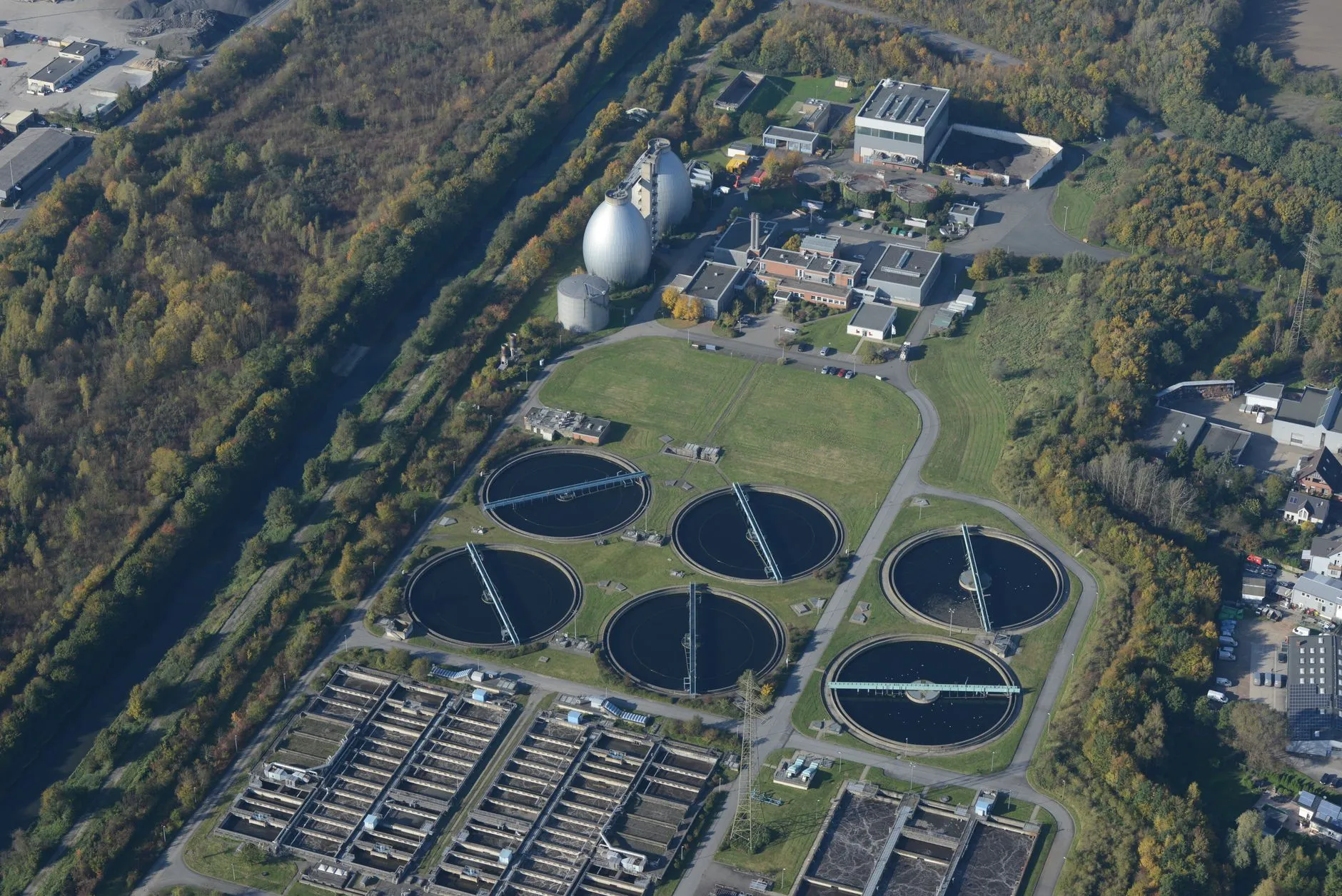
Australian lagoon trial shows floating wetlands cut wastewater emissions by up to 31 percent
A two-year trial in southeastern Australia has demonstrated that floating wetlands can reduce greenhouse gas emissions from wastewater lagoons by between 22 and 31 percent. The research, led by RMIT University in partnership with Westernport Water and CSIRO, offers the first field-scale evidence that a nature-based system can cut emissions from wastewater infrastructure without expensive technological upgrades.
The trial monitored a wastewater lagoon on Phillip Island in Victoria. Researchers installed a floating wetland in one treatment channel and left a paired control channel untreated. Continuous monitoring over two years tracked carbon dioxide, methane, and nitrous oxide emissions alongside monthly water quality testing.
Results showed the wetland system delivered particularly strong reductions in methane, the most potent of the three gases measured. Carbon dioxide fell by up to 36 percent, methane by up to 66 percent, and nitrous oxide by 18 percent. Notably, these reductions appeared within four to seven months of installation, before water quality improvements became statistically significant.
The findings matter because wastewater lagoons are a significant source of greenhouse gas emissions worldwide. Microbes breaking down organic matter in sewage produce carbon dioxide, methane, and nitrous oxide. Methane and nitrous oxide carry especially high global warming potential. Consequently, water utilities face mounting pressure to find lower-emission treatment options.
How the trial was structured and what researchers measured
RMIT University partnered with Westernport Water and CSIRO to run the study at a working wastewater lagoon on Phillip Island. The research team divided the lagoon into two channels. One channel received a floating wetland installation. The other remained unmodified to serve as a control.
This paired design allowed direct comparison of emissions over time under identical environmental and operational conditions. The team monitored greenhouse gas fluxes continuously using automated measuring equipment. Water quality samples were collected and analysed monthly.
The trial ran for 24 months. During that period, researchers tracked carbon dioxide, methane, and nitrous oxide emissions from both channels. They also measured nutrient concentrations, dissolved oxygen levels, and microbial activity in the water and around the wetland plant roots.
According to the published results, the wetland channel showed average emissions reductions of 22 to 31 percent on a carbon dioxide equivalent basis. The range reflects different calculation methods used to account for the varying global warming potentials of each gas. Methane reductions were especially pronounced, reaching up to 66 percent lower than the control channel. Carbon dioxide dropped by up to 36 percent, while nitrous oxide fell by 18 percent.
Lead researcher Lukas Schuster noted that this was the first time field-scale evidence had confirmed that supporting microbial communities in wetland plant root systems could reduce wastewater emissions without high-tech solutions. The speed of the emissions reductions was also notable. Changes became detectable within four to seven months, well before nutrient removal improvements showed statistical significance. This timing suggests the wetland influences emissions through changes in microbial activity, not just nutrient uptake.
Why methane reductions are particularly significant for water utilities
Methane is approximately 28 times more potent than carbon dioxide over a 100-year period. Nitrous oxide is roughly 265 times more potent. Therefore, even small reductions in methane and nitrous oxide emissions deliver disproportionately large climate benefits compared to equivalent cuts in carbon dioxide.
Wastewater lagoons are a known source of methane emissions. Organic matter in sewage provides food for anaerobic bacteria, which produce methane as a metabolic byproduct. Open lagoons allow this methane to escape directly into the atmosphere. Traditional treatment upgrades to reduce methane often involve enclosed tanks, gas capture systems, or energy-intensive aeration. These approaches require substantial capital investment and ongoing operational costs.
Floating wetlands offer a different approach. The plant roots create oxygen-rich zones in the water column. This supports aerobic microbial communities that can oxidise methane before it reaches the surface. The plants also take up nutrients, which reduces the organic load available for anaerobic decomposition. Together, these mechanisms appear to suppress methane production and release.
For UK water utilities, methane reduction is becoming a commercial priority. The Department for Energy Security and Net Zero has set clear expectations for emissions reductions across all sectors. Water companies face regulatory pressure to measure and report greenhouse gas emissions from treatment works. Additionally, investors and regulators increasingly scrutinise climate performance as part of environmental, social, and governance assessments.
Floating wetlands could help utilities meet these expectations without the capital costs associated with traditional methane abatement technologies. However, the Australian trial does not yet provide enough data to confirm performance across different climates, lagoon designs, or wastewater compositions. Further trials in UK conditions would be necessary before widespread adoption.
Evidence from the trial on emissions, water quality, and biological mechanisms
The trial produced several findings that help explain how floating wetlands influence lagoon emissions. First, the emissions reductions appeared quickly. Methane, carbon dioxide, and nitrous oxide levels in the wetland channel dropped measurably within four to seven months of installation. Water quality improvements, by contrast, took longer to emerge and were not statistically significant during the trial period.
This timing suggests the wetland affects emissions through biological changes rather than simple nutrient removal. Researchers believe the plant roots create microhabitats that alter microbial activity. Oxygen released by the roots supports aerobic bacteria, which can oxidise methane and reduce nitrous oxide production. The roots also provide surfaces for biofilm growth, which may further influence greenhouse gas cycling.
Second, methane reductions were the largest of the three gases measured. This aligns with the biological mechanisms described above. Aerobic conditions suppress methane-producing bacteria, which are strictly anaerobic. Carbon dioxide and nitrous oxide are less sensitive to oxygen levels, so reductions in these gases were smaller.
Third, the trial did not show clear nutrient reductions during the monitoring period. Floating wetlands have previously been shown to remove nitrogen and phosphorus from wastewater in smaller-scale studies. The lack of significant nutrient removal in this trial may reflect the lagoon's low nutrient loading, the trial duration, or the specific plant species used. Researchers noted that nutrient uptake may become more apparent over longer time periods or in systems with higher nutrient concentrations.
Finally, the trial was conducted in a real wastewater lagoon under normal operating conditions. This field-scale setting is important because it demonstrates that floating wetlands can function in a working system, not just in controlled laboratory experiments. Many nature-based solutions perform well in small trials but fail to scale. The Australian study suggests floating wetlands can deliver emissions reductions at operational scale.
What UK businesses should understand about this research
- A two-year field trial in Australia found that floating wetlands reduced total greenhouse gas emissions from a wastewater lagoon by 22 to 31 percent, with methane reductions of up to 66 percent.
- Emissions reductions appeared within four to seven months of installation, faster than water quality improvements, suggesting biological mechanisms linked to plant root microbial activity.
- The trial was conducted at full operational scale in a working wastewater lagoon, providing stronger evidence than laboratory studies.
- Floating wetlands may offer water utilities a comparatively low-cost option for reducing fugitive methane emissions without major infrastructure investment.
- The findings are most relevant to utilities operating open lagoon systems, where methane and nitrous oxide emissions are typically highest.
- UK adoption would require trials under local climate conditions and with domestic wastewater characteristics to confirm performance.
- The research adds to a growing body of evidence supporting nature-based solutions for climate mitigation in the water sector.
Implications for UK water companies and environmental compliance
UK water companies are under growing pressure to reduce their carbon footprint. Ofwat, the economic regulator for water and sewerage services in England and Wales, has integrated climate commitments into its price review process. Companies must now demonstrate how they will achieve net zero by 2030 for operational emissions and 2050 for capital carbon.
Wastewater treatment accounts for a significant share of the sector's emissions. Methane from lagoons and anaerobic processes contributes substantially to this total. However, many treatment works rely on open lagoon systems, particularly in rural areas and smaller catchments. Retrofitting these sites with enclosed tanks or methane capture equipment is often prohibitively expensive.
Floating wetlands could provide a practical alternative. The Australian trial suggests they can reduce methane emissions by up to two-thirds without major capital expenditure. Installation costs are relatively low. The systems require minimal ongoing maintenance once established. They also deliver co-benefits, including habitat creation, visual amenity, and potential water quality improvements.
For businesses that supply water utilities, this research may signal new demand for wetland design, installation, and monitoring services. Companies with expertise in ecological engineering, aquatic plant propagation, or environmental monitoring could find opportunities in this emerging market. Similarly, manufacturers of floating wetland platforms and modular systems may see increased interest from UK utilities.
Public sector suppliers should also take note. Many UK councils and housing associations operate small wastewater treatment systems serving social housing, parks, or public facilities. These systems are often subject to environmental permits but lack the budgets for high-tech upgrades. Floating wetlands could offer a cost-effective way to improve compliance with emissions reporting requirements and environmental performance standards.
There are caveats. The Australian trial showed strong methane reductions but did not demonstrate significant nutrient removal during the monitoring period. UK water companies face stringent nutrient discharge limits, particularly for nitrogen and phosphorus. Therefore, floating wetlands would need to deliver both emissions reductions and nutrient removal to be commercially viable in most UK applications. Further trials would be required to establish performance under UK regulatory standards.
Additionally, the research does not yet explain all the biological mechanisms at work. Understanding these mechanisms is important for optimising wetland design, plant selection, and operational management. UK utilities would need to invest in pilot trials to refine system design for local conditions, climate, and wastewater characteristics.
How floating wetlands fit into broader net zero strategies
Floating wetlands are part of a wider category of nature-based solutions for climate mitigation. These approaches use natural processes to reduce emissions, sequester carbon, or increase resilience to climate impacts. Examples include peatland restoration, tree planting, soil carbon management, and constructed wetlands.
Nature-based solutions are increasingly recognised in UK climate policy. The government's Net Zero Strategy identifies natural climate solutions as a key component of achieving economy-wide emissions reductions. The Environmental Improvement Plan also emphasises the role of wetlands, rivers, and coastal habitats in carbon sequestration and climate adaptation.
For water companies, nature-based solutions align with regulatory expectations and stakeholder demands. Ofwat's PR24 price review explicitly encourages companies to adopt nature-based approaches where they deliver value for money. The Environment Agency has published guidance on using constructed wetlands for water quality improvement and biodiversity enhancement.
Floating wetlands fit this policy context well. They reduce emissions, improve ecological function, and require lower capital investment than conventional treatment upgrades. They also create visible environmental benefits, which can support stakeholder engagement and social value reporting.
However, nature-based solutions are not a substitute for comprehensive emissions reduction programmes. Utilities will still need to address energy use, process emissions, and supply chain carbon. Floating wetlands are best understood as one tool within a broader portfolio of measures. For companies developing net zero strategies, our net zero programme for carbon reporting compliance provides structured support for identifying and prioritising emissions reduction opportunities.
For smaller businesses in the water supply chain, understanding these trends is commercially important. Utilities are increasingly asking suppliers to demonstrate their own climate performance. Tender specifications often include carbon reduction targets, environmental management certification, or supply chain emissions reporting. Businesses that can evidence their own net zero plans and support their customers' climate goals are better positioned to win and retain contracts.
Where to find authoritative guidance and further research
Businesses interested in exploring floating wetlands or other nature-based solutions can access guidance from several authoritative sources. The Construction Industry Research and Information Association publishes technical guidance on constructed wetlands, sustainable drainage, and water sensitive urban design. CIRIA's publications are widely used in UK infrastructure projects and are recognised by regulators.
The Environment Agency provides regulatory guidance on wastewater treatment and environmental permits. Its website includes technical notes on emissions monitoring, treatment standards, and nature-based approaches to water quality management. Companies operating treatment works or discharge permits should consult the Agency's guidance to ensure compliance with environmental regulations.
For those interested in the science behind floating wetlands, the original Australian research has been covered in several peer-reviewed publications and industry reports. While the full trial results are not yet published in a single academic paper, interim findings have been presented at water industry conferences and summarised in technical briefings. Businesses can contact RMIT University or CSIRO for further information on the trial methodology and results.
UK-based research is also emerging. Several universities are investigating constructed wetlands, wastewater emissions, and nature-based climate solutions. The UK Water Industry Research organisation coordinates research projects across the water sector and publishes findings that inform industry practice and regulatory policy.
For companies developing their own emissions reduction strategies, our compliance support for carbon reporting and ESG can help navigate the regulatory landscape and identify practical opportunities for emissions reductions across operations and supply chains.