
Plans approved for floating wind farm off Scottish coast
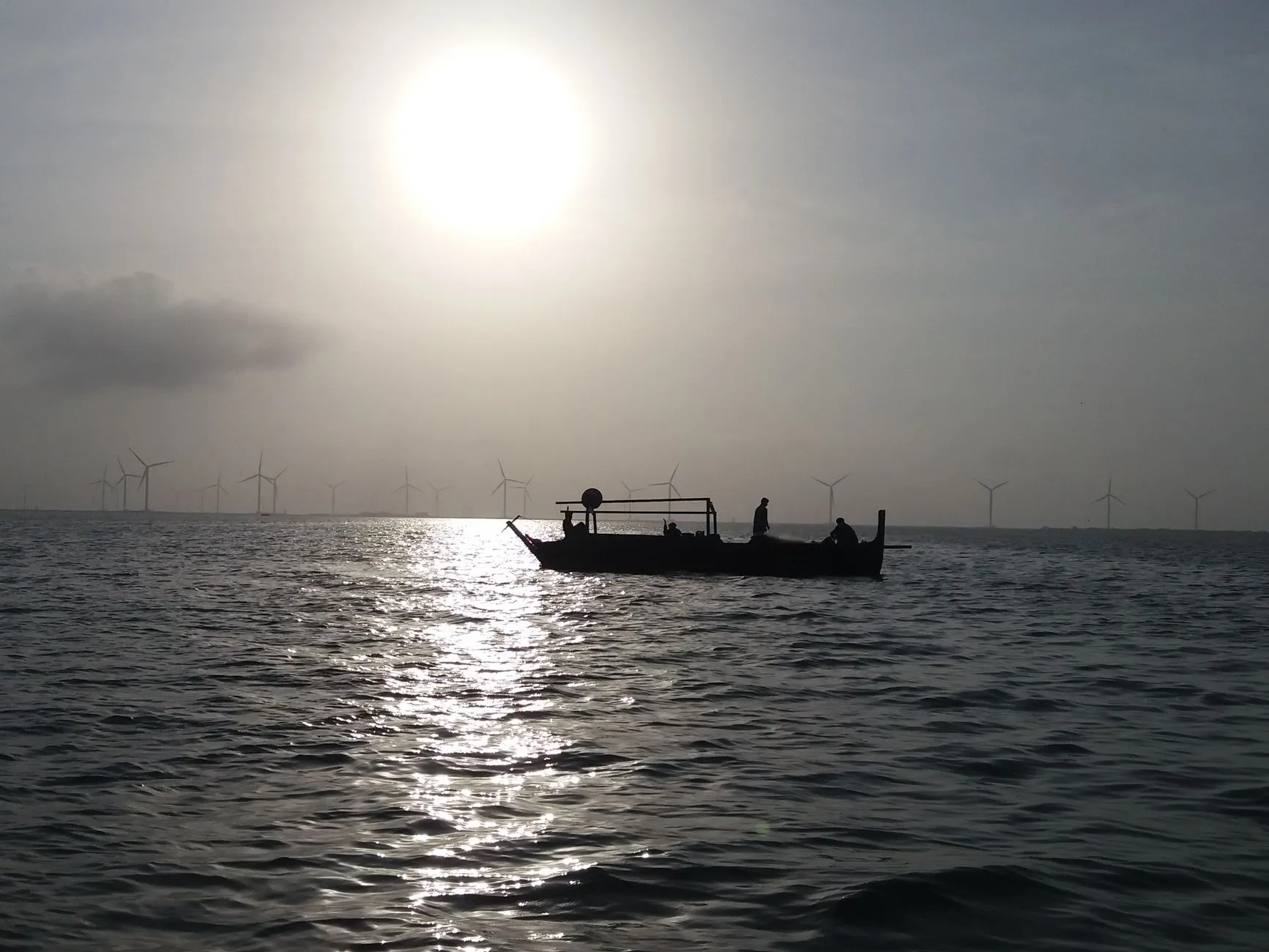
Scotland has taken a significant step forward in floating offshore wind. The Scottish Government recently approved Muir Mhòr, a proposed 1GW wind farm that would sit roughly 63 kilometres off the Aberdeenshire coast near Peterhead. If built, the project could power the equivalent of 1.2 million homes annually and generate electricity by the early 2030s.
For UK businesses watching energy policy, this matters. Floating wind technology opens up deeper waters that fixed turbines cannot reach. It expands the potential scale of offshore renewables considerably. However, the approval comes with environmental and fisheries conditions attached, and the project still faces commercial, technical and industrial hurdles before construction begins.
This approval also tests whether Scotland can move floating wind from pilot schemes to commercial operation. Consequently, businesses involved in energy supply chains, manufacturing, marine services or offshore contracting should pay attention. The decisions made here will shape the broader market for years to come.
What the Muir Mhòr project involves
Muir Mhòr translates from Gaelic as "Great Sea". The wind farm would consist of up to 67 floating turbines anchored in Scottish waters. Its planned capacity reaches 1GW, which places it among the largest proposed floating offshore wind developments in the UK.
Fred. Olsen Seawind leads the development. Initially, Vattenfall joined as a 50:50 partner, bringing offshore wind experience from previous Scottish projects. The venture secured seabed rights through Crown Estate Scotland's ScotWind leasing auction in January 2022.
Unlike traditional offshore wind farms, floating turbines rest on buoyant foundations rather than structures fixed to the seabed. This design allows deployment in deeper water where seabed conditions make fixed foundations impractical or prohibitively expensive. For Scotland, with its steep coastal shelf and deep offshore waters, the technology could substantially increase the developable area for wind generation.
The project submitted both offshore and onshore consent applications in December 2024 following a year of stakeholder consultation. In June 2025, Aberdeenshire Council granted planning permission for the onshore infrastructure, including underground export cables and a substation connecting the wind farm to the National Grid. The Scottish Government's offshore approval followed shortly after, making Muir Mhòr the first fully floating project from the 2022 ScotWind round to secure both permissions.
Martha Lovatt, development and consenting manager for the project, described the decision as the result of years of environmental assessment, technical work and engagement with local communities and marine stakeholders. Nevertheless, the approval includes strict conditions addressing fishing industry impacts and seabird protection.
Conditions attached to the consent decision
The Scottish Government imposed requirements designed to manage the project's effects on commercial fishing and seabird populations. Developers must secure mitigation measures for fisheries impacts and provide environmental compensation where seabird populations might be affected.
These conditions reflect two persistent challenges for large offshore wind developments. Wind farms can overlap with established fishing grounds, restricting access for commercial vessels. Meanwhile, turbine construction and operation may harm seabirds through collision risk, habitat displacement or disruption to feeding areas.
The Scottish Fishermen's Federation criticised the decision strongly. The organisation called it a serious blow to the fishing industry and warned that the wind farm would occupy important fishing grounds. This dispute highlights a broader tension between expanding renewable energy infrastructure and maintaining access for existing maritime industries.
For businesses, this tension matters because it affects project timelines and costs. Resolving conflicts with fishing communities often requires negotiated compensation, adjusted project layouts or seasonal construction restrictions. These factors can delay projects or increase capital requirements. Therefore, companies considering involvement in offshore wind supply chains should understand that consents often come with contingencies that affect delivery schedules.
Environmental monitoring requirements also add complexity. Developers must track seabird populations, assess collision risks and implement mitigation strategies throughout construction and operation. This creates demand for marine survey specialists, environmental consultants and data management services. However, it also introduces regulatory risk if monitoring reveals greater impacts than predicted, potentially triggering additional restrictions.
Floating wind technology and its commercial significance
Most operational offshore wind capacity in the UK uses fixed foundations installed in relatively shallow waters, typically less than 60 metres deep. Floating technology changes this constraint fundamentally. It allows turbines to operate in water depths exceeding 100 metres, often farther from shore where wind resources are stronger and more consistent.
Scotland's coastline suits this technology particularly well. The seabed drops off steeply in many areas, creating deep water relatively close to shore. Fixed foundations become uneconomical or technically impractical in these conditions. Consequently, floating wind could unlock a substantial portion of Scotland's offshore wind potential that fixed turbines cannot access.
However, floating wind remains less mature than fixed offshore wind. It costs more per megawatt installed, and the supply chain is less developed. Floating foundations require different engineering, fabrication and installation techniques compared to fixed structures. Mooring systems must withstand extreme weather while allowing controlled movement. These technical differences mean higher capital costs and greater execution risk.
Muir Mhòr represents a test of whether floating wind can transition from demonstration projects to commercial scale. Several smaller floating wind farms operate globally, including Scotland's Hywind pilot project. Yet moving from tens of megawatts to a full gigawatt involves industrial scaling, supply chain maturation and cost reduction. If Muir Mhòr succeeds, it could establish Scotland as a leader in floating wind technology and manufacturing. If costs overrun or technical problems emerge, it may slow wider deployment.
Energy output and grid implications
The project's 1GW capacity could generate electricity equivalent to the annual consumption of up to 1.2 million homes. That figure represents potential output under good wind conditions, not continuous generation. Actual electricity production will vary with wind speeds, weather patterns and operational availability.
Adding 1GW of renewable capacity to Scotland's electricity system supports decarbonisation goals and reduces reliance on fossil fuel generation. It also contributes to the UK's target of deploying 50GW of offshore wind by 2030. However, intermittent generation creates grid management challenges. The National Grid must balance supply and demand constantly, which becomes more complex as variable renewable sources account for a larger share of total capacity.
For businesses, this affects electricity pricing and availability. Increased renewable capacity generally lowers average wholesale electricity prices during windy periods. Conversely, prices can spike when wind generation drops and demand remains high. Companies with flexible energy usage or on-site storage can benefit from this volatility. Those without face greater exposure to price fluctuations.
The project also requires substantial grid infrastructure. Underground cables will carry electricity from the offshore substation to a new onshore substation, which connects to the National Grid. This infrastructure must handle 1GW of capacity, requiring significant capital investment and coordination with the grid operator. Delays in grid connection can postpone revenue generation even if the wind farm itself is ready, creating financial risk for developers and their supply chains.
Industrial and supply chain opportunities
A 1GW floating wind farm requires extensive manufacturing, engineering and marine services. Scottish ports, fabrication yards and offshore contractors could benefit substantially if the project proceeds. Key opportunities include manufacturing floating foundations, producing mooring systems, fabricating subsea cables, and providing installation and maintenance services.
Floating foundations differ significantly from fixed structures. They require specialised fabrication facilities, often located in deep-water ports with heavy-lift capability. Scotland has invested in port infrastructure to support offshore wind, including facilities in the Cromarty Firth and at Nigg Energy Park. Muir Mhòr could help these facilities establish commercial-scale production, creating skilled jobs and industrial capacity.
Mooring systems represent another specialised area. Floating turbines require anchors and chains capable of withstanding severe weather while allowing controlled movement. This creates demand for marine engineering expertise, subsea installation vessels and inspection services. Similarly, subsea cable installation and maintenance require specialist vessels and skilled crews, supporting a growing offshore services sector.
However, capturing these opportunities requires investment and skills development. Businesses entering the floating wind supply chain need relevant certifications, technical capability and financial capacity to meet developer requirements. Moreover, competition exists from established offshore wind supply chains in Europe and Asia. Scottish firms must demonstrate cost competitiveness and delivery reliability to secure contracts.
The project timeline also matters. With electricity generation targeted for the early 2030s, businesses have several years to develop capability and position themselves in the supply chain. Early engagement with developers and investment in relevant skills and infrastructure will determine which companies benefit most.
Outstanding challenges before construction begins
Consent approval represents a major milestone, but it does not guarantee construction. The project must secure financing, complete detailed engineering, satisfy consent conditions and manage potential supply chain constraints before work can begin.
Financing remains a significant hurdle. Floating wind projects cost more than fixed offshore wind, and lenders typically require higher returns to compensate for technology and execution risk. Developers must demonstrate that the project can generate acceptable returns despite higher capital costs and ongoing uncertainty about long-term operational performance.
Engineering and procurement work also takes time. Developers must finalise turbine selection, foundation design and mooring configurations. They must negotiate contracts with turbine manufacturers, foundation fabricators and installation contractors. These negotiations involve complex technical specifications, delivery schedules and payment terms. Delays in any area can postpone the entire project.
Environmental monitoring and mitigation measures add further complexity. The consent conditions require ongoing assessment of fishing impacts and seabird populations. If monitoring reveals greater effects than predicted, developers may face additional restrictions or compensation requirements. This creates regulatory uncertainty that can affect project economics.
Grid connection timing represents another risk. The National Grid must upgrade infrastructure to accommodate 1GW of additional capacity. If grid upgrades lag behind the wind farm's construction schedule, the project cannot begin generating revenue even if physically complete. Coordination between developers, the grid operator and regulators is essential to avoid delays.
Key details for businesses and stakeholders
- The Muir Mhòr project has received both offshore consent from the Scottish Government and onshore planning permission from Aberdeenshire Council, making it the first fully floating ScotWind project to secure both approvals.
- The wind farm would consist of up to 67 floating turbines with a total capacity of 1GW, located approximately 63 kilometres off Peterhead on the Aberdeenshire coast.
- Electricity generation could begin in the early 2030s, subject to financing, detailed engineering and satisfaction of consent conditions.
- Consent conditions require mitigation for commercial fishing impacts and environmental compensation for potential seabird effects, reflecting ongoing tensions between renewable energy development and established marine industries.
- The project secured seabed rights through the January 2022 ScotWind leasing auction, part of a broader programme to expand offshore wind capacity in Scottish waters.
- Floating wind technology allows deployment in deeper waters than fixed turbines can access, potentially expanding Scotland's offshore wind capacity significantly.
- The project creates supply chain opportunities in foundation manufacturing, mooring systems, subsea cables and offshore services, but requires substantial investment and skills development to capture these benefits.
What businesses should consider
For companies involved in energy procurement, supply chain planning or industrial facilities management, Muir Mhòr signals a broader shift in UK energy infrastructure. Floating wind will likely play a larger role in electricity generation over the next decade. This affects long-term energy costs, supply reliability and corporate decarbonisation strategies.
Businesses with high electricity consumption should monitor the development of offshore wind capacity closely. Increased renewable generation generally reduces average wholesale electricity prices but increases volatility. Companies with flexible demand or on-site storage can take advantage of low-price periods. Those without may need to consider hedging strategies or power purchase agreements to manage price risk.
Manufacturers and engineering firms should assess whether their capabilities align with floating wind supply chains. Opportunities exist across foundation fabrication, mooring systems, cable installation and maintenance services. However, entering this market requires relevant certifications, technical capability and financial capacity. Early engagement with developers and investment in skills development will position companies to compete effectively.
For businesses tendering for public sector contracts, understanding renewable energy deployment matters. Many procurement frameworks now include carbon reduction criteria. Demonstrating alignment with net zero goals can improve tender competitiveness. This may involve carbon reporting compliance under frameworks like PPN 06/21, which requires suppliers to publish carbon reduction plans.
Companies operating in coastal areas should also consider infrastructure impacts. Large-scale offshore wind projects require port facilities, fabrication yards and grid connections. These developments create local economic activity but may also affect traffic, environmental conditions and community infrastructure. Engaging with planning processes early helps businesses anticipate changes and identify opportunities.
Finally, businesses should recognise that energy transition creates regulatory and commercial uncertainty. Policies, technologies and market structures continue to evolve. Staying informed about developments like Muir Mhòr helps companies anticipate changes and adapt strategies accordingly. We support businesses navigating these shifts through regulatory compliance guidance and strategic planning.
Where to find additional information
The Scottish Government's renewable energy policy pages provide context on Scotland's offshore wind ambitions and planning frameworks. For details on the ScotWind leasing programme, Crown Estate Scotland's ScotWind section explains the auction process and awarded projects.
Businesses interested in environmental requirements for offshore wind developments should consult the UK Government's Offshore Wind Sector Deal, which outlines industry commitments and government support. Marine Scotland's consenting guidance also offers detailed information on the approval process for offshore renewable energy projects.
For technical information on floating wind technology, the Offshore Renewable Energy Catapult publishes research and market analysis. Companies considering supply chain opportunities may also find useful resources through industry bodies focused on offshore wind and marine engineering.