
Global fossil fuel carbon emissions projected to fall slightly in 2026
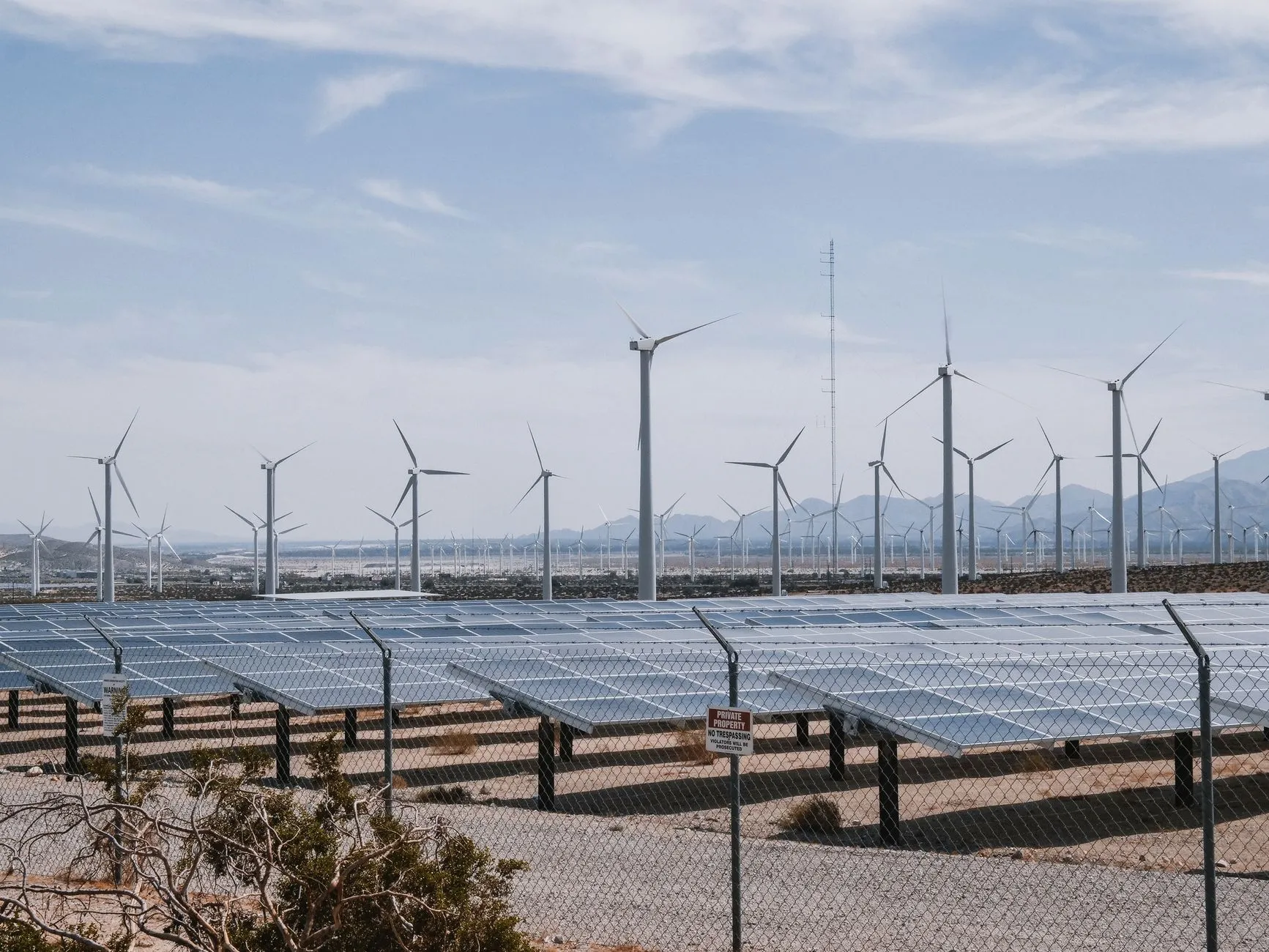
For the first time in years, global carbon emissions from fossil fuels may actually fall. The latest Global Carbon Budget projects a 0.4% reduction in 2026, bringing total fossil fuel emissions to approximately 38.2 billion tonnes of CO₂. However, the reasons behind the decline are more complex than they first appear, and the overall picture for UK businesses navigating net zero remains sobering.
The fall follows a period of consistent growth. Fossil fuel emissions increased by 1.2% in 2025 and rose by an average of 0.9% annually between 2016 and 2025. Consequently, the projected decline represents a notable shift in direction, even if the magnitude is modest. The forecast carries considerable uncertainty, with a range spanning from a 1.5% reduction to a 0.6% increase.
Researchers from the Global Carbon Project, an international collaboration involving around 140 scientists, presented the findings on 10 November 2026 during the United Nations climate conference in Antalya, Turkey. Their analysis reveals that the reduction stems from two distinct forces: the ongoing expansion of renewable energy and a sharp, likely temporary contraction in oil consumption following disruptions linked to the Iran conflict.
Oil consumption falls while coal emissions continue rising
The projected reduction is far from uniform across fuel types. Oil-related emissions are expected to fall by 1.9%, with declines reported across major regions as well as international shipping and aviation. Natural gas emissions are forecast to decrease by 0.3%. Meanwhile, coal emissions are projected to rise by 0.6%.
This uneven pattern matters for businesses tracking their Scope 2 and Scope 3 emissions. Energy prices and supply disruptions affect different sectors in different ways. Companies reliant on road transport or aviation may see temporary relief in their carbon footprints, while those dependent on coal-intensive electricity grids face continued upward pressure.
Researchers attribute much of the oil decline to higher energy prices and market disruptions following the Iran conflict. The Global Carbon Project describes the change as a short-term response to geopolitical shocks rather than a structural shift in demand. Professor Pierre Friedlingstein, who led the study, cautioned that the result should not be mistaken for a climate breakthrough. He noted that a decline driven partly by geopolitical shocks is not a sustainable solution.
For UK businesses, this distinction is important. A reduction caused by economic disruption differs fundamentally from one achieved through efficiency improvements, fuel switching or electrification. The former can reverse as quickly as it appeared. The latter builds resilience into operations and supply chains.
Renewable energy now meets most new demand
Beneath the headline numbers, a more durable trend is emerging. Solar and wind power continue to expand rapidly, alongside the growth of electric vehicles. Although global energy demand is still increasing, these technologies now meet approximately two-thirds of the additional demand. As a result, less new energy must be supplied by fossil fuels.
This development suggests that structural changes in the energy system are beginning to affect global emissions trajectories. For businesses managing energy costs and carbon reporting, the implication is clear: renewable energy is no longer a niche or aspirational choice. It is increasingly the default source of new capacity.
UK manufacturers and service providers with operations in multiple countries are likely to see this shift reflected in grid carbon intensity factors. Electricity emissions factors in many markets are falling as renewables displace coal and gas generation. This trend supports reductions in reported Scope 2 emissions, even without changes to energy consumption levels.
Nevertheless, the continued rise in coal emissions demonstrates that the transition remains uneven. Renewable growth is not advancing quickly enough in every region or sector to eliminate fossil fuel dependence. Coal remains central to electricity generation in several major economies, and that reliance is not yet declining at the pace required to meet international climate commitments.
Land use emissions push total CO₂ output higher
The projected decline in fossil fuel emissions does not translate into a reduction in total human-caused CO₂ emissions. Emissions from land use change, including deforestation and forest degradation, are projected to increase in 2026. Consequently, total global CO₂ emissions are expected to reach approximately 43.3 billion tonnes, up from 42.8 billion tonnes in 2025.
This increase highlights a challenge for businesses working on Scope 3 emissions. Supply chains that source commodities such as palm oil, soy, timber or beef often carry embedded land use emissions. These emissions are difficult to measure and harder still to reduce without direct intervention in sourcing practices.
The rise in land use emissions also underscores why progress in the energy sector must be accompanied by stronger efforts to protect forests and restore ecosystems. For businesses with nature-positive commitments or biodiversity targets, the data reinforces the need for credible verification and measurable impact.
Deforestation rates remain high in key agricultural regions, and many supply chains lack the transparency needed to identify and address these emissions. Companies tendering for public sector contracts under PPN 06/21 or responding to customer requests for carbon disclosures may find that land use emissions become a growing area of scrutiny.
The 1.5°C carbon budget will run out in under four years
The report estimates that the remaining carbon budget for limiting warming to 1.5°C above pre-industrial levels is approximately 150 billion tonnes of CO₂. At current emissions rates, that amount would be exhausted in less than four years. Researchers estimate that warming attributable to human activity reached 1.37°C in 2025.
The speed at which the remaining budget is being consumed has implications for corporate climate strategies. Targets aligned with 1.5°C pathways assume that global emissions will decline rapidly and reach net zero by mid-century. A single year's emissions decline provides limited relief if it does not mark the beginning of a sustained downward trajectory.
For businesses with science-based targets or net zero commitments, the message is stark. The time available to reduce absolute emissions is shrinking rapidly. Offsetting strategies that defer action or rely on future carbon removals carry growing reputational and compliance risks as scrutiny of climate claims intensifies.
Companies operating in sectors with long asset lives, such as property, infrastructure or manufacturing, face particular challenges. Investment decisions made today will lock in emissions profiles for decades. Therefore, capital allocation choices must reflect the reality of tightening carbon budgets, not historical norms.
What this means for UK businesses managing carbon and costs
The 2026 projection contains two contrasting signals. The first is encouraging: renewable energy and electric vehicles are increasingly meeting new energy demand, and fossil fuel emissions may decline for the first time after years of growth. The second is a warning: much of the projected reduction is connected to a geopolitical and economic shock rather than an orderly, permanent phaseout of coal, oil and gas.
Oil emissions could rise again if prices fall, supply disruptions ease or consumption rebounds. Meanwhile, coal emissions are still expected to increase, and land use emissions continue to push total CO₂ output higher. The significance of the report therefore lies less in the size of the projected decline than in what happens next.
For UK businesses, several practical considerations emerge from the data. Energy price volatility remains a risk, and geopolitical shocks can disrupt supply chains and carbon footprints in ways that are difficult to predict or control. Relying on external factors to drive emissions reductions is not a viable strategy for meeting internal targets or external reporting requirements.
At the same time, the expansion of renewable energy creates opportunities. Businesses that invest in on-site generation, procure renewable electricity through power purchase agreements or improve energy efficiency can reduce both costs and emissions. These actions build resilience and provide greater control over future performance.
Transport emissions remain a major challenge. The 1.9% decline in oil emissions reflects higher prices and disrupted markets, not structural changes in freight or fleet operations. Businesses with significant logistics or travel footprints should expect continued pressure to electrify, improve efficiency or shift to lower-carbon alternatives.
Supply chain emissions are likely to attract increasing attention. The rise in land use emissions and the uneven pace of decarbonisation across regions mean that Scope 3 emissions will remain difficult to manage. Companies seeking to demonstrate progress will need better data, stronger supplier engagement and more credible reduction plans.
Key details from the Global Carbon Budget
- Global fossil fuel emissions are projected to fall by 0.4% in 2026, reaching approximately 38.2 billion tonnes of CO₂.
- Oil emissions are expected to decline by 1.9%, largely due to higher prices and market disruptions following the Iran conflict.
- Coal emissions are forecast to rise by 0.6%, demonstrating that the energy transition remains uneven across regions and sectors.
- Renewable energy sources now meet approximately two-thirds of additional global energy demand, reducing reliance on new fossil fuel capacity.
- Total global CO₂ emissions, including land use change, are expected to reach 43.3 billion tonnes in 2026, an increase from 42.8 billion tonnes in 2025.
- The remaining carbon budget for limiting warming to 1.5°C is approximately 150 billion tonnes of CO₂, which would be exhausted in less than four years at current rates.
- The forecast carries significant uncertainty, with a range spanning from a 1.5% reduction to a 0.6% increase in fossil fuel emissions.
Planning for sustained reductions rather than temporary shocks
A lasting global emissions peak would require the renewable energy trend to continue, coal use to fall, transport and industry to electrify more rapidly, and deforestation to be sharply reduced. Without those changes, the 0.4% decline risks becoming a temporary interruption rather than the beginning of a sustained downward path.
Businesses should treat the 2026 projection as a reminder that external factors can influence emissions in unpredictable ways. Energy shocks, supply chain disruptions and geopolitical events all affect carbon footprints. However, these factors should not distract from the need for deliberate, planned reductions based on efficiency, technology and operational change.
Companies reporting under mandatory carbon disclosure requirements will need to explain year-on-year changes in emissions. A reduction driven by higher energy prices or reduced economic activity may not satisfy stakeholders looking for evidence of strategic decarbonisation. Therefore, businesses should ensure that their reporting clearly distinguishes between structural improvements and external fluctuations.
The uneven pace of coal phase-out presents risks for businesses sourcing goods or services from regions where coal remains dominant. Electricity emissions factors in these markets are unlikely to fall quickly, and companies may need to consider contractual arrangements or supply chain adjustments to achieve reductions.
Similarly, the rise in land use emissions highlights the importance of due diligence in commodity supply chains. Businesses should assess whether their sourcing practices contribute to deforestation or ecosystem degradation. Credible certification schemes and transparent sourcing policies can help manage these risks, but they require active management and verification.
Energy efficiency remains one of the most reliable ways to reduce both emissions and costs. Investments in building insulation, process optimisation, waste heat recovery and equipment upgrades deliver measurable savings that are largely insulated from external shocks. These measures also improve competitiveness and reduce exposure to future energy price volatility.
Transport decarbonisation will require sustained attention. The projected decline in oil emissions is welcome, but it does not reduce the need for businesses to plan fleet electrification, optimise logistics or explore alternative fuels. Customer expectations, regulatory requirements and tender specifications are all moving in this direction, and early action can create competitive advantage.
For businesses tendering for public sector contracts, the need to demonstrate credible carbon reduction plans is intensifying. PPN 06/21 requires suppliers to publish carbon reduction plans and report on progress. The Global Carbon Budget data underscores that relying on grid decarbonisation alone will not be sufficient. Active measures to reduce energy consumption, switch fuels and improve efficiency will be necessary.
Companies with science-based targets or net zero commitments should review whether current reduction trajectories remain aligned with updated climate science. The rapid consumption of the remaining 1.5°C budget means that targets set several years ago may need to be revisited. Acceleration of near-term action is likely to be necessary to maintain credibility.
Where to find further information
The Global Carbon Budget is published annually by the Global Carbon Project and provides comprehensive data on global emissions trends. The full 2026 report is available on the project's website and includes detailed breakdowns by country, sector and fuel type.
UK businesses seeking guidance on carbon reporting requirements can consult the Streamlined Energy and Carbon Reporting framework published by the Department for Energy Security and Net Zero. This sets out mandatory disclosure requirements for companies above certain size thresholds.
Information on PPN 06/21 and carbon reduction plans for public sector suppliers is available from the Cabinet Office procurement policy notes. These documents explain the requirements and provide templates for carbon reduction plan submissions.
Businesses looking to improve energy efficiency or reduce operational emissions may find useful resources through the Carbon Trust, which provides guidance on energy management, carbon footprinting and supply chain engagement.
The Science Based Targets initiative offers frameworks and validation services for companies setting emissions reduction targets aligned with climate science. Their guidance helps businesses ensure that commitments are credible and consistent with global climate goals.