
France and Germany's New Emissions Rules: What It Means for Businesses
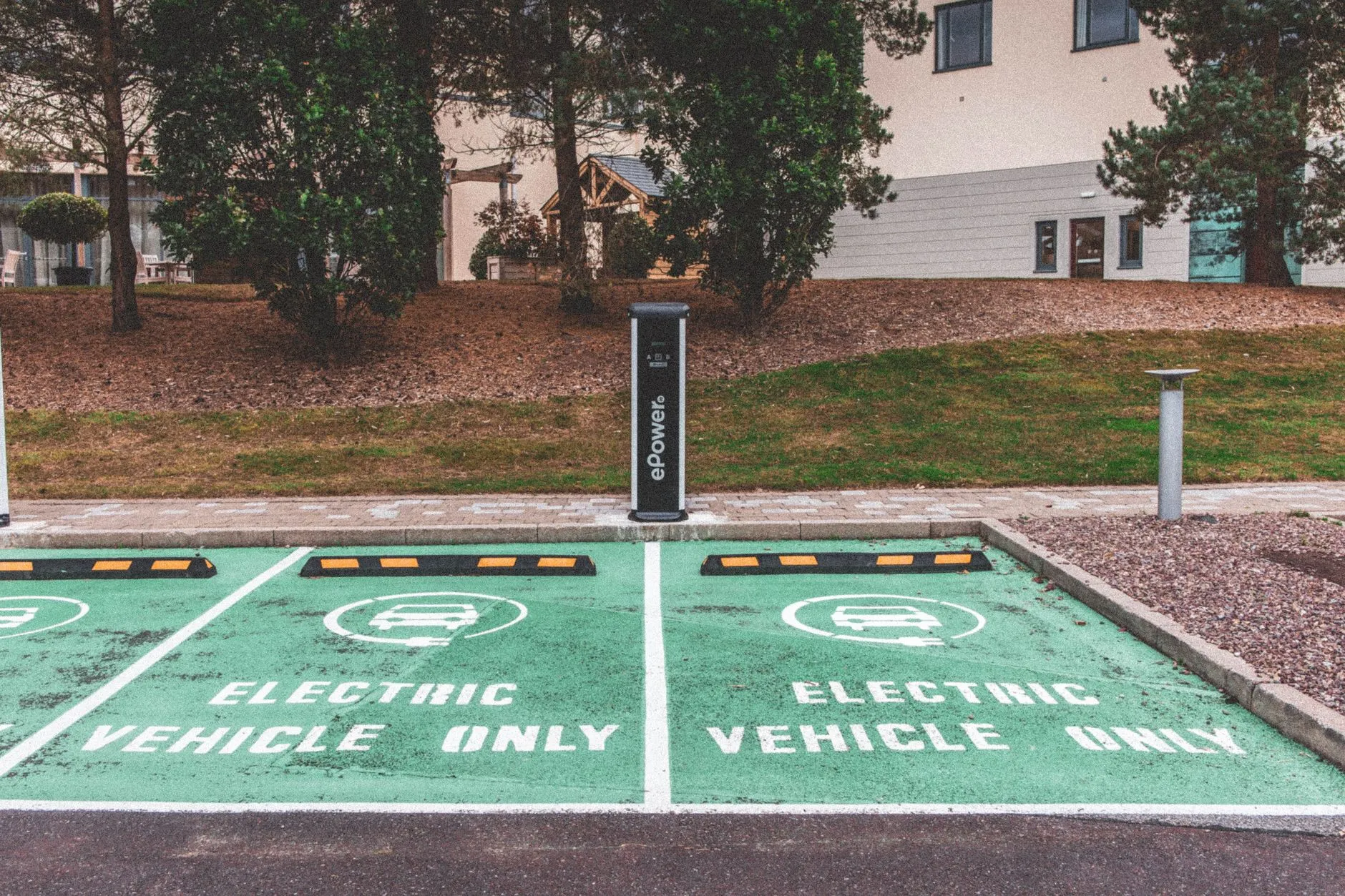
A provisional deal between France and Germany proposes to lower the European Union's 2035 vehicle emissions target from 100% to 90%. The arrangement would give car manufacturers more room to keep combustion engines, hybrids, and alternative fuels in their line-ups. However, it remains a political position rather than law. Other member states and the European Parliament must agree before any changes take effect.
The proposal comes with a trade-off. Germany has accepted stricter "Made in Europe" requirements for cars and batteries. France has backed the weaker emissions target. The deal reflects competing pressures on Europe's automotive sector: tougher climate rules, weaker demand in some markets, and rising competition from Chinese manufacturers.
For UK businesses that export to the EU, import vehicles, or supply automotive components, the outcome could shift compliance requirements, supply chain expectations, and the pace of electrification across the continent. The political agreement is not yet final, and the existing 100% reduction target remains the binding legal standard until further notice.
Current EU emissions law sets a zero-carbon target
Regulation (EU) 2023/851 requires new passenger cars and vans sold in the EU to achieve a 100% reduction in fleet-average CO₂ emissions by 2035. The baseline is 2021 fleet performance. Consequently, the legal target is zero grams of CO₂ per kilometre for new vehicles.
The rule is often called a ban on new petrol and diesel cars. Technically, it sets a fleet-wide emissions ceiling rather than prohibiting specific engine types outright. Manufacturers could theoretically meet the target using e-fuels or other zero-carbon technologies. In practice, battery-electric vehicles are the only widely available option that meets the standard.
Existing petrol and diesel cars can still be driven, bought, and sold as used vehicles after 2035. The restriction applies only to new registrations. Meanwhile, the European Commission has proposed a more flexible framework. Under that proposal, manufacturers would cut emissions by 90% and offset the remaining 10% through measures such as low-carbon steel produced in Europe, e-fuels, or biofuels.
France and Germany want 90% without mandatory offsets
The Franco-German agreement, reported on 16 October 2026, goes further than the Commission's proposal in one respect. Both governments want the 2035 target set at 90% without requiring automakers to compensate for the remaining 10%. That would leave a residual emissions allowance unmatched by any offsetting obligation.
In addition, the plan would allow greater recognition for vehicles using renewable or low-carbon fuels. It would extend "super-credit" incentives for lower-emission vehicles beyond small affordable cars to all vehicle sizes. Manufacturers would also gain the option to average compliance over multiple years, smoothing the path to the 2035 deadline.
Plug-in hybrids would benefit from the arrangement. The proposal avoids revising the "utility factor" before 2030. This factor estimates how much driving occurs on electric power versus the combustion engine and influences a vehicle's official emissions rating. Some vehicles powered by renewable fuels could also qualify as zero-emission vehicles for regulatory purposes, depending on the final legal text.
These measures would not end the EU's push toward electrification. Nevertheless, they would make it easier for automakers to continue offering plug-in hybrids, selected combustion-engine models, and cars using alternative fuels after 2035. The effect would be to slow the transition without reversing it entirely.
Stricter European-content rules form part of the bargain
The emissions concession is tied to a broader industrial-policy package. Germany has accepted stronger local-content requirements for the automotive sector. This addresses a key French demand for protection against rising competition from manufacturers based outside Europe, particularly in China.
Under the reported arrangement, 70% of vehicle components, excluding batteries, would have to be produced in Europe. Battery content would require a 10% European share. The automotive definition of "Made in Europe" could include the EU's 27 member states and, under specified conditions, countries such as the United Kingdom, Norway, and Switzerland.
Consequently, the two governments are trading support. France backs more flexibility on the combustion-engine phaseout. Germany accepts stricter European-content rules designed to strengthen the region's manufacturing base and protect domestic jobs.
The agreement reflects the competing pressures facing Europe's car industry. Automakers are being required to invest heavily in electric vehicles. At the same time, they confront weaker demand in some markets, intense competition from Chinese manufacturers, high production costs, and concerns about battery supply chains. The Franco-German compromise attempts to balance climate ambition with industrial competitiveness.
Timeline and key figures behind the proposal
- The EU's 2035 emissions target is measured against 2021 fleet-average emissions levels, providing the baseline for the 100% reduction.
- Regulation (EU) 2023/851, introduced in 2023, established the current 100% reduction target for new cars and vans from 2035.
- The existing legal target is a 100% reduction, equivalent to a fleet-wide target of zero grams of CO₂ per kilometre for new vehicles.
- France and Germany now support a 90% target, matching the European Commission's earlier proposal but without mandatory compensation for the remaining 10%.
- The proposed European production share is 70% for vehicle components, excluding batteries, and 10% for battery content.
- The Franco-German agreement was reported as reached on 16 October 2026, though final legislative approval remains outstanding.
The deal is not yet law and faces further hurdles
The arrangement remains a political position rather than a completed amendment to EU law. France and Germany must persuade other EU governments and the European Parliament before the proposed changes can take effect. The process may also involve negotiations over the wider Industrial Accelerator Act and the final wording of the automotive package.
Reuters reported that a final common text was unlikely before early 2027, after an EU-UK summit scheduled for 20 November 2026. The uncertainty was visible even during the negotiations. A German government spokesperson said on 15 October that "a final agreement has yet to be reached," before the governments subsequently confirmed the broader arrangement.
Until the member states and Parliament approve final legislation, the existing 100% reduction requirement remains the EU's binding 2035 target. Businesses should not assume the changes will take effect as announced. Legislative processes in Brussels can be unpredictable, and other member states may push for different terms or reject the proposal altogether.
Three ways the proposal could affect UK businesses
The Franco-German plan could have significant commercial consequences, even though it is not yet law. First, it would weaken the legal certainty of the 2035 phaseout. A 90% target without mandatory compensation would allow some combustion-engine or hybrid vehicles to remain within manufacturers' fleets. That would represent a substantial departure from the current zero-emissions objective.
For UK businesses exporting vehicles or components to the EU, this creates planning uncertainty. Companies preparing for a full transition to battery-electric vehicles by 2035 may need to reconsider their timelines. Similarly, suppliers of combustion-engine parts could see demand sustained for longer than previously anticipated. However, the risk of policy reversal remains high until final legislation is passed.
Second, the proposal could slow the transition to electric vehicles without reversing it. Automakers would still face a substantial emissions-reduction requirement and strong market pressure to sell battery-electric models. Nevertheless, additional flexibility could reduce the urgency of discontinuing combustion-engine platforms and potentially redirect investment toward hybrids and alternative fuels.
UK businesses supplying the EU automotive sector should monitor which technologies qualify under the final rules. If plug-in hybrids and renewable fuels gain greater regulatory recognition, demand for related components and services could increase. Conversely, suppliers focused exclusively on battery-electric vehicle technology may face a more gradual market transition than the current 100% target implies.
Third, the agreement would link climate policy more closely to industrial protection. The European-content provisions aim to ensure that the transition to electric mobility creates manufacturing capacity, battery demand, and supply-chain jobs within Europe. Their effectiveness will depend on whether European producers can offer competitive costs and technology while meeting the required local-content thresholds.
For UK suppliers, the proposed 70% European-content rule for vehicle components and 10% European battery content could affect market access. The definition of "Made in Europe" may include the UK, Norway, and Switzerland under specified conditions. However, the precise terms are not yet clear. UK businesses should prepare for the possibility that European-content requirements could tighten, particularly if the deal is part of a broader industrial strategy aimed at limiting reliance on non-EU suppliers.
Compliance with future EU rules may require changes to sourcing, manufacturing locations, or certification processes. Businesses that currently export vehicles or components to the EU should assess whether their supply chains would meet the proposed thresholds. If not, early planning could help avoid disruption. Our sustainable procurement support can help businesses review supply chain dependencies and plan for evolving regulatory requirements.
What businesses should consider while the proposal is under negotiation
The Franco-German agreement is not yet binding, and the existing 100% reduction target remains EU law. Consequently, businesses should not make major investment decisions based solely on the provisional deal. However, the proposal signals a possible shift in EU climate policy, and early consideration of the implications is sensible.
First, review your current plans for compliance with EU vehicle emissions rules. If your business manufactures or imports vehicles for the European market, consider how a 90% target would affect your product line-up and investment strategy. Similarly, if you supply components to automakers, assess whether demand for combustion-engine or hybrid parts could extend beyond 2035 under the new framework.
Second, monitor the legislative process closely. The final text of any amendment to Regulation (EU) 2023/851 could differ significantly from the Franco-German proposal. Key details, such as the definition of eligible renewable fuels, the treatment of plug-in hybrids, and the precise European-content thresholds, will shape the practical impact on businesses. We will continue to track developments and update our analysis as the situation evolves.
Third, consider the broader trend toward industrial policy in EU climate legislation. The Franco-German deal links emissions targets to local-content requirements, reflecting a growing emphasis on protecting European manufacturing. This approach could extend to other sectors, including energy-intensive industries, green technology, and construction materials. Businesses operating across multiple EU regulatory frameworks should prepare for similar linkages between environmental standards and industrial protection.
Finally, assess your supply chain's ability to meet potential European-content requirements. Even if the proposal does not proceed as currently drafted, the political pressure to strengthen local-content rules is unlikely to disappear. Mapping your sourcing, identifying dependencies on non-EU suppliers, and exploring alternative options could reduce future compliance risks. Our ESG compliance and carbon reporting services can help businesses prepare for regulatory changes and integrate climate considerations into strategic planning.
Where to find authoritative updates and guidance
For the latest information on EU vehicle emissions rules, consult the following sources. The European Commission's climate action pages provide updates on legislative proposals and the Fit for 55 package, available at the European Commission climate action website. Official EU legislation, including Regulation (EU) 2023/851, is published on EUR-Lex.
The UK government's guidance on exporting vehicles to the EU, including type approval and environmental standards, can be found on the gov.uk export vehicles page. For sector-specific analysis and policy developments, the Society of Motor Manufacturers and Traders (SMMT) publishes updates relevant to UK automotive businesses.
We will continue to monitor the Franco-German proposal and provide updated analysis as the legislative process unfolds. If you have specific questions about how potential changes to EU emissions rules could affect your business, our team can provide tailored advice grounded in the latest regulatory developments.