
Gevo, DHL and DuPont highlight sustainability advancements
Five developments this week show how sustainability moves from ambition to operation. Companies now face questions about fuel sourcing, supply chain data, validated targets and the commercial reality of decarbonisation. These stories connect agriculture, logistics, climate policy and industrial emissions in ways that matter for UK businesses navigating net zero, reporting obligations and tender requirements.
Each development addresses a different part of the climate challenge. However, they share common ground. Emissions must be measured across value chains. Technology choices must work commercially. Credibility depends on external validation and transparent reporting.
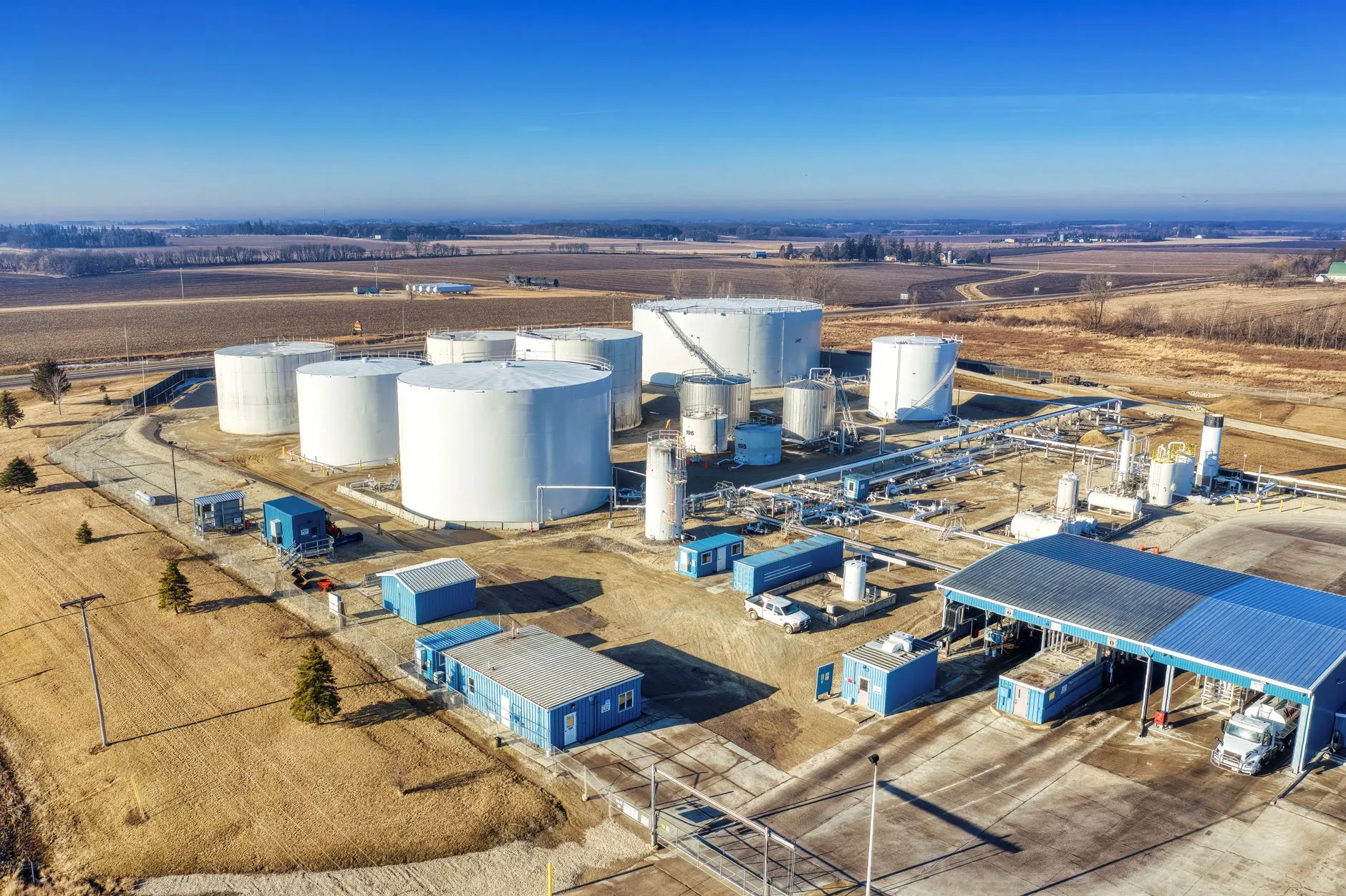
Gevo combines renewable fuels with carbon management systems
Gevo is building a model that links agricultural feedstocks, renewable fuel production, carbon capture and storage, and digital carbon accounting. The approach aims to create fuels and chemicals compatible with existing infrastructure while reducing life-cycle emissions.
The company treats captured carbon dioxide as a resource rather than waste. Permanently stored carbon can generate removal credits. Meanwhile, renewable feedstocks and low-carbon production methods reduce emissions intensity across the fuel's life cycle.
Gevo CEO Paul Bloom framed the strategy around dual objectives. He said the result is "a high-demand energy product that creates low-carbon solutions, driving sustainability in both senses of the word."
This model places the company at the intersection of agriculture, energy and climate technology. The significance lies in the attempt to make decarbonisation commercially durable. Emissions reductions must be demonstrated not only at production facilities but across feedstock sourcing, processing, transport and end use.
Sustainable aviation fuels and renewable chemicals face a wider challenge beyond technology. Projects must secure reliable feedstocks, financing, carbon accounting systems, infrastructure and long-term customers. Availability of low-carbon molecules depends on all these elements working together.
DHL deploys artificial intelligence across global logistics operations
DHL is expanding its use of data and artificial intelligence to improve decision-making, operational efficiency and supply chain resilience. Sabine Mueller, executive vice president of data and AI, coordinates the strategy across the company's global operations.
The focus extends beyond automation. DHL aims to embed emerging technologies into existing processes in ways that support employees and improve efficiency, resilience and performance. The company's Logistics Trend Radar identifies AI as an important force while placing it alongside decarbonisation, sustainable fuels, circularity and vehicle electrification.
DHL has reaffirmed its ambition to achieve net-zero emissions logistics by 2050. The connection between AI and sustainability is practical rather than abstract. Better forecasting can reduce unnecessary transport and inventory. Route optimisation can lower fuel use. Predictive maintenance can improve vehicle and equipment efficiency. Improved emissions data can help companies track Scope 3 impacts throughout supply chains.
AI does not automatically reduce emissions. Its climate value depends on how it is deployed, whether efficiency gains outweigh additional energy demand, and whether companies use the resulting data to make genuine operational changes rather than simply improve reporting.
For UK businesses managing complex supply chains, the question is whether digital tools produce measurable reductions in energy consumption, waste or transport emissions. Data infrastructure matters most when it enables operational decisions that reduce carbon intensity.
DuPont receives Science Based Targets validation for net-zero commitments
DuPont announced that the Science Based Targets initiative had validated its net-zero greenhouse gas targets. The validation covers both near-term and long-term objectives across the company's value chain.
The targets include net-zero emissions across the value chain by 2050. DuPont committed to an 83% reduction in absolute Scope 1 and 2 emissions by 2035 from a 2019 baseline. The company also set a 63% reduction in absolute Scope 3 emissions by 2035 from a 2020 baseline.
By 2050, DuPont aims for a 90% reduction in Scope 1 and 2 emissions from 2019 levels. A 90% reduction in Scope 3 emissions from 2020 levels is also targeted for that year.
DuPont reported that in 2025 it had reduced combined Scope 1 and 2 emissions by 76% compared with its 2019 baseline. Scope 3 emissions fell by 59% from the 2020 baseline.
The announcement builds on earlier SBTi-validated targets. In 2023, DuPont strengthened its 2030 Scope 1 and 2 goal to a 50% reduction from 2019. It also established a 25% Scope 3 reduction goal from a 2020 baseline. At the end of 2022, the company reported a 35% reduction in Scope 1 and 2 emissions and said it had surpassed its previous 2030 target eight years early.
DuPont's 2024 sustainability reporting stated that Scope 1 and 2 emissions had fallen 58% from the 2019 baseline. This exceeded the company's 2030 goal ahead of schedule.
SBTi validation matters because it assesses whether corporate emissions targets align with climate science. It does not guarantee that a company will achieve those targets. Progress still depends on capital investment, energy procurement, operational changes, product design and reductions throughout the value chain.
For UK businesses setting carbon reduction targets, external validation provides credibility. However, it also raises the stakes. Validated targets create expectations among investors, customers and regulators. Delivery requires sustained investment and transparent reporting.
Türkiye scheduled to host COP31 in November 2026
Türkiye is scheduled to host COP31 from 9 to 20 November 2026. The annual Conference of the Parties remains the central forum for governments to negotiate collective responses to climate change. This includes emissions reductions, adaptation, climate finance and implementation of the Paris Agreement.
The significance of COP has changed since the first conference in 1995. Early negotiations focused heavily on establishing common rules and differentiating responsibilities among countries. More recent summits have increasingly concentrated on implementation. This includes accelerating renewable energy, mobilising finance, addressing loss and damage, and converting national climate pledges into measurable action.
The continued prominence of COP illustrates the limits of voluntary commitments. Governments and companies may announce ambitious goals. However, delivery depends on regulation, investment, technology deployment and credible monitoring.
For UK businesses, policy developments at COP increasingly affect capital allocation, supply chain planning and disclosure requirements. Climate diplomacy shapes the regulatory environment in which companies operate. Consequently, understanding the policy trajectory matters for strategic planning.
DHL advances decarbonisation across aviation, road transport and warehousing
DHL's sustainability strategy illustrates the range of technologies needed to decarbonise logistics. The company has highlighted sustainable aviation fuel, electric delivery fleets, renewable energy infrastructure, vehicle electrification and circularity as important areas of development.
DHL's GoGreen Plus programme uses sustainable aviation fuel and shipment-level emissions tracking. This supports carbon insetting and emissions reporting. The company has also reported projects involving alternative marine fuels and renewable-powered facilities.
One DHL warehouse in Thailand was designed with a 4.2-megawatt-peak solar array and battery storage. The aim is to generate all of its energy on-site. This addresses both carbon intensity and energy resilience.
These initiatives address different parts of the logistics system. Sustainable aviation fuel can reduce life-cycle emissions where electrification is not currently practical. Battery-electric and hydrogen vehicles can reduce direct fossil fuel use, depending on infrastructure and the carbon intensity of electricity or hydrogen.
On-site solar generation and storage can reduce reliance on grid electricity. Shipment-level data can help customers account for emissions in their own value chains. This matters particularly for Scope 3 reporting.
The challenge is scale. Freight networks operate across multiple countries, vehicle types and infrastructure systems. Sustainable fuels remain constrained by availability and cost. Meanwhile, electrification is more straightforward for some delivery routes than for long-haul trucking, shipping or aviation.
For UK businesses managing logistics, the message is clear. Decarbonising supply chains requires multiple technologies deployed across different transport modes. No single solution addresses the entire problem.
What UK businesses need to know about this week's developments
- Gevo is developing an integrated model connecting agricultural feedstocks, renewable fuels, carbon capture and digital carbon accounting to produce lower-emission fuels and chemicals.
- DHL is expanding its use of AI to improve decision-making, operational efficiency and supply chain resilience while pursuing net-zero emissions logistics by 2050.
- DuPont received Science Based Targets initiative validation for net-zero targets, including an 83% reduction in Scope 1 and 2 emissions by 2035 and a 63% reduction in Scope 3 emissions by the same year.
- Türkiye is scheduled to host COP31 from 9 to 20 November 2026, continuing global climate negotiations focused on implementation rather than just high-level commitments.
- DHL's sustainability strategy demonstrates the need for multiple technologies, including sustainable aviation fuel, electric vehicles, renewable energy infrastructure and shipment-level emissions data.
Systems thinking replaces isolated projects in decarbonisation strategies
These five developments show how sustainability is becoming more operational and interconnected. Gevo's model focuses on producing lower-carbon molecules and managing carbon across the value chain. DHL is using digital tools to improve the efficiency and resilience of physical supply networks. COP31 represents the policy framework within which climate commitments are negotiated. DuPont's SBTi validation adds externally assessed milestones to corporate climate planning.
Decarbonisation is becoming a systems problem. Progress depends on links among agriculture, energy, manufacturing, transport, finance and data. Companies cannot address one part of the value chain while ignoring the rest. Consequently, strategic planning must consider how different elements connect and reinforce each other.
Scope 3 emissions are increasingly central to corporate climate strategies. Companies cannot meet long-term climate goals by focusing only on emissions from their own facilities. Value chain emissions typically represent the majority of a company's carbon footprint. Therefore, credible net-zero strategies must address supplier emissions, product use and end-of-life impacts.
Validation improves credibility but does not replace delivery. SBTi approval can strengthen target quality. However, actual performance must be tracked over time. External validation creates expectations that companies must meet through sustained investment and operational change.
AI is an enabler rather than a climate solution by itself. Its sustainability benefits depend on measurable reductions in energy use, waste, congestion or emissions. Technology deployment must be evaluated based on outcomes rather than capabilities.
Commercial viability remains decisive for all low-carbon technologies. Projects must compete for investment and customers while meeting reliability and cost requirements. Environmental benefits alone do not guarantee market success. Consequently, business cases must demonstrate both carbon reduction and commercial return.
For UK SMEs, these developments highlight the importance of integrated thinking. Sustainability is not a separate workstream. It affects procurement, energy contracts, supply chain management, capital investment and reporting obligations. Moreover, it increasingly influences tender requirements and customer expectations.
The common thread is a movement away from isolated sustainability projects toward integrated climate strategies. Whether these initiatives produce substantial emissions reductions will depend on implementation. This includes the pace of renewable energy deployment, the availability of sustainable fuels, the quality of emissions data, and the willingness of companies and governments to convert commitments into enforceable action.
We work with UK businesses on carbon reporting and Science Based Targets compliance, helping companies build credible reduction strategies that align with commercial objectives. The shift toward validated targets and Scope 3 accountability changes what counts as credible climate action.
Where to find authoritative guidance on net-zero targets and reporting
The Science Based Targets initiative provides the framework for setting and validating corporate emissions reduction targets aligned with climate science. Companies considering SBTi validation should review the published criteria and submission process.
The Department for Energy Security and Net Zero publishes policy updates, consultations and guidance relevant to UK businesses navigating the transition to net zero. This includes information on energy efficiency, renewable energy support and emissions reporting requirements.
The UK government's greenhouse gas reporting conversion factors are updated annually and provide the standard methodology for calculating emissions across Scopes 1, 2 and 3. These factors are essential for consistent and comparable emissions reporting.
For businesses managing supply chain emissions, the Procurement Policy Note 06/21 sets out requirements for carbon reduction plans in government contracts above £5 million per year. This includes guidance on what constitutes an acceptable plan and how suppliers should demonstrate progress.