
Pathways to Advance Global Cooperation on Green Development
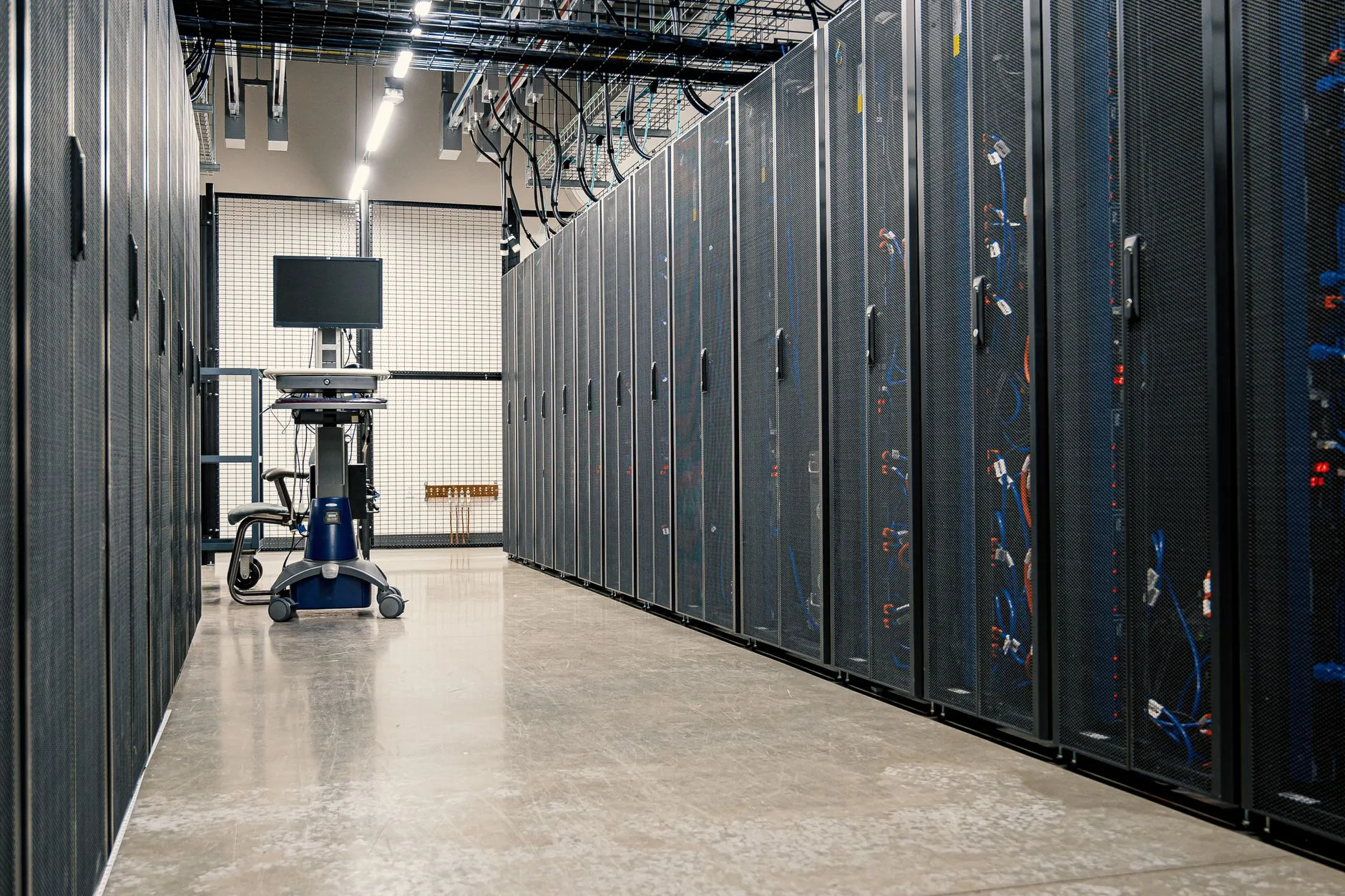
Data centres now sit at the centre of a surprisingly complex environmental challenge. These facilities power cloud computing, artificial intelligence and digital services that businesses increasingly depend on. Yet their growth creates competing demands for electricity, water and materials that many developing countries struggle to meet. A recent policy study suggests international cooperation on green data centres could help resolve this tension, but only if projects deliver measurable environmental and economic benefits beyond the facility itself.
Researchers Cecilia Springer, Mengdi Yue and Kevin Gallagher at the Boston University Global Development Policy Center have examined how developing economies can pursue digital transformation without locking in resource-intensive infrastructure. Their study, published by the China Council for International Cooperation on Environment and Development, warns that rapid digital expansion often intensifies pressure on electricity systems, water supplies and waste-management capacity. It also raises questions about data sovereignty and who ultimately benefits when foreign investment builds critical digital infrastructure.
For UK businesses operating in emerging markets or managing international supply chains, these dynamics matter. Data-centre development affects grid reliability, resource availability and the stability of digital services your operations may depend on. Understanding how countries approach this challenge helps you assess infrastructure risk and anticipate regulatory changes that could affect your business continuity.
Resource demands extend beyond electricity consumption
Most discussions about data-centre sustainability focus on power consumption. That's understandable, given the sector's electricity appetite. However, the environmental footprint extends considerably further. Facilities require cooling water, construction materials, backup power systems and specialised equipment that eventually enters waste streams. In countries where electricity grids and water systems already face constraints, these demands compete directly with household, agricultural and industrial needs.
The study examined green data-centre development in China, South Africa, Brazil, Indonesia and climate-vulnerable countries. Researchers chose China as a particularly important case because of its scale, policy experience and role in international environmental governance. China's framework for green data centres reportedly combines spatial and infrastructure planning with energy and resource-efficiency standards. It also includes support for technological innovation, market-based mechanisms and international cooperation.
Several practices appear in more resource-efficient facilities. Water conservation measures reduce demand on local supplies. Reduced use of critical minerals lowers material intensity. Liquid cooling systems improve thermal management. Waste-heat recovery captures energy that would otherwise be lost. These approaches address different parts of the environmental challenge rather than focusing solely on electricity efficiency.
Consequently, a facility might reduce power consumption while still imposing substantial water demand or generating difficult-to-process waste. Evaluating whether a data centre genuinely qualifies as green requires looking at its complete resource profile and its effects on the surrounding community and infrastructure systems.
Rapid digital expansion creates specific development pressures
The researchers found that potential benefits of international cooperation on green data centres outweigh the challenges. Cooperation can expand access to green technologies and improve access to clean electricity. It also helps countries adopt environmental standards more quickly. Nevertheless, data-centre expansion may worsen existing development pressures in ways that affect business operations and investment decisions.
Across countries with different energy and infrastructure systems, the sector can intensify competition for electricity and water. It may create unequal access to reliable power, with data centres receiving priority supply while other users face interruptions. Demand for minerals and specialised equipment increases. Concerns over data ownership and national sovereignty grow. Waste-management challenges multiply as electronic equipment reaches end-of-life.
These risks mean that businesses cannot assume "green" certification automatically translates into sustainable development. A facility may meet technical efficiency benchmarks while still creating limited economic value for the host country. For companies evaluating where to locate operations or assessing supply-chain stability, understanding how countries balance these competing demands provides insight into regulatory direction and infrastructure investment priorities.
Moreover, governments increasingly recognise that foreign investment in digital infrastructure needs to generate local value through construction, operations, training, equipment supply and associated services. That recognition shapes project approval processes and investment conditions in ways that affect timelines, costs and operational requirements.
Proposed cooperation pathway moves beyond policy dialogue
The study recommends a staged approach to international cooperation that progresses from discussion to measurable outcomes. In the short term, countries should exchange experience and develop compatible definitions, performance standards and environmental benchmarks. This foundational work establishes common language and measurement frameworks that allow meaningful comparison and verification.
Medium-term priorities focus on coordinated investment and institutions. Governments and financial institutions should align investment rules, financing conditions and oversight mechanisms. This alignment reduces regulatory friction and creates clearer expectations for investors and host countries alike. It also establishes accountability frameworks that extend beyond construction phase commitments.
Long-term objectives involve integrated industrial development. Data centres should connect to clean-energy systems, local supply chains and broader industrial strategies rather than operating as isolated technology projects. This integration determines whether facilities strengthen or weaken national development trajectories.
For businesses, this staged approach signals how international frameworks for digital infrastructure investment are likely to evolve. Early-stage projects may face more varied requirements across different countries. As standards converge and institutions align, compliance expectations will become clearer but potentially more stringent. Companies planning long-term infrastructure investments or supply-chain relationships should monitor this progression.
Green digital corridors link infrastructure with clean energy systems
One central proposal involves creating regional green digital corridors. These would link data-centre infrastructure with clean electricity, transmission systems, digital networks, local economies and supply chains. The concept treats data centres as part of a wider development ecosystem rather than standalone facilities.
Properly designed corridors could support renewable-energy deployment and technology transfer. They might create skilled employment and local business development opportunities. They could also reduce the risk that host countries provide land and electricity for facilities whose principal economic benefits accrue elsewhere. That risk concerns governments increasingly focused on ensuring foreign investment creates domestic value.
However, the corridor model requires transparent planning. Governments need to assess cumulative water demand, grid reliability, land use, emissions and local employment before approving major projects. They also need to evaluate the distribution of fiscal benefits and whether facilities genuinely support national digital and industrial objectives. This scrutiny affects approval timelines and the conditions attached to permits and licences.
Businesses operating in these corridors would benefit from clearer infrastructure planning and potentially more reliable access to clean electricity. They might also face higher expectations for local procurement, technology transfer and skills development. Understanding these trade-offs helps you evaluate whether corridor locations offer net advantages for your operations.
China and Indonesia framework establishes replicable bilateral model
The study specifically recommends establishing a China and Indonesia green data-centre investment framework. This framework would cover water use, waste management, carbon emissions and links to the domestic economy. Researchers propose it as a replicable model for bilateral cooperation in other countries.
The emphasis on domestic economic linkages is particularly significant. Foreign investment in digital infrastructure can generate local value, but only when those outcomes are included in project design and investment requirements. Relevant indicators include renewable-electricity use, water consumption and reuse, and treatment of electronic waste. They also cover carbon intensity, local procurement and employment, and the extent to which facilities support broader digital and industrial objectives.
A credible framework also needs clear mechanisms for measuring and enforcing environmental performance. Vague commitments or self-reported metrics typically prove insufficient. Independent verification, regular monitoring and transparent reporting build confidence that green claims reflect operational reality rather than promotional positioning.
For UK businesses, bilateral frameworks like this signal how investment conditions for digital infrastructure may evolve in Southeast Asia and other regions. Countries increasingly want to ensure that foreign investment in data centres delivers measurable environmental and economic benefits. That shift affects project approval processes, ongoing compliance requirements and the commercial terms available to foreign investors.
Core facts about green data centres in developing economies
- Data centres require electricity, cooling water, construction materials, backup power and specialised equipment that creates multiple environmental pressures beyond energy consumption alone.
- Rapid digital expansion can intensify competition for electricity and water, create unequal access to reliable power, increase demand for critical minerals and raise concerns over data sovereignty.
- China's framework for green data centres combines spatial planning, efficiency standards, support for innovation, market mechanisms and international cooperation as complementary elements.
- Green digital corridors would link data-centre infrastructure with clean electricity, transmission systems, local economies and supply chains rather than treating facilities as isolated projects.
- A proposed China and Indonesia framework focuses on water use, waste management, carbon emissions and domestic economic linkages as a replicable model for bilateral cooperation.
- Linking finance to independently verified performance targets for emissions, water use, waste recovery and local economic benefits could prevent green claims from becoming primarily promotional labels.
- Evaluating whether a data centre qualifies as genuinely green requires assessing its complete resource profile and effects on surrounding communities and infrastructure systems.
Practical measures connect lending terms to environmental performance
The study proposes several practical measures that governments and financial institutions could implement. Pilot green data centres should use advanced, water-efficient cooling technologies suited to local conditions. Facilities should apply best-practice waste-management systems, including responsible treatment of electronic equipment. Financing mechanisms should connect lending terms to environmental performance through independently verified targets.
China's domestic green data-centre standards should align with projects developed overseas. This alignment reduces the risk of double standards where facilities built abroad meet lower environmental requirements than those constructed domestically. Regional infrastructure should integrate digital services with clean energy and local supply chains from the planning stage rather than adding these elements later.
Linking finance to performance could prove particularly influential. Lower-cost capital, preferential lending or other incentives could be tied to verified targets for emissions, water use, waste recovery and local economic benefits. Such arrangements create commercial incentives for genuine environmental performance rather than relying solely on regulatory compliance.
For businesses financing data-centre projects or investing in companies that operate these facilities, performance-linked finance changes risk assessment. Projects that meet environmental targets access better terms. Those that fail to deliver face higher capital costs or reduced access to institutional investment. Similarly, carbon reporting and environmental compliance requirements increasingly affect valuations and investment decisions in the technology sector.
This approach also affects supply-chain management for companies procuring digital services. Cloud providers and colocation facilities that demonstrate genuine environmental performance may offer commercial advantages beyond basic service specifications. They reduce your Scope 3 emissions, strengthen your sustainability credentials and reduce regulatory risk in jurisdictions with tightening environmental requirements.
Digital expansion and environmental sustainability require joint planning
The study's broader significance lies in its treatment of digital infrastructure as both a development opportunity and an environmental governance challenge. Data centres can support productivity, public services and industrial upgrading. However, their rapid growth can also transfer environmental costs to communities and public systems without creating proportionate local benefits.
Recommendations suggest that international cooperation should focus less on exporting individual technologies and more on developing complete institutional models. These models would combine technical standards, environmental safeguards, clean-energy planning, financing rules, local economic participation and data-governance protections. Together, these elements determine whether digital infrastructure strengthens or undermines national development objectives.
The proposed China and Indonesia framework serves as a test of whether green digital investment can deliver benefits beyond the facility itself. Success depends on transparent metrics, credible monitoring and meaningful participation by local authorities and communities. Without these elements, green data-centre initiatives risk becoming primarily symbolic rather than delivering substantive environmental and economic improvements.
UK businesses can draw several practical insights from this analysis. First, countries are developing more sophisticated frameworks for evaluating digital infrastructure investments. Simple efficiency metrics no longer suffice. Second, governments increasingly link approval processes and investment incentives to broader development outcomes including local economic participation and resource sustainability. Third, performance verification and transparent reporting are becoming standard expectations rather than optional additions.
These trends affect site selection decisions, partnership structures and operational requirements for companies investing in or using data-centre infrastructure. They also influence how your business approaches carbon reduction and net-zero commitments when digital services form part of your operational footprint. Understanding how host countries evaluate environmental and economic performance helps you assess regulatory risk and identify opportunities aligned with policy direction.
Ultimately, the central message is that digital expansion and environmental sustainability require joint planning rather than sequential consideration. Green data centres contribute to development only if they reduce resource pressures, strengthen clean-energy systems and create durable economic value in the countries where they operate. For businesses, recognising this integrated approach helps you anticipate regulatory changes, evaluate infrastructure investments and position your operations to benefit from rather than resist evolving policy frameworks.
Where to find detailed guidance and research
The original policy study provides detailed analysis of green data-centre frameworks across multiple countries. You can access the full research through the Boston University Global Development Policy Center, which publishes work on sustainable infrastructure and international development finance.
For information on UK environmental reporting requirements and how digital infrastructure affects your carbon footprint, the Department for Energy Security and Net Zero provides guidance on emissions reporting and net-zero pathways. Their resources cover Scope 3 emissions from purchased services including cloud computing and digital infrastructure.
The Institute of Environmental Management and Assessment offers practical guidance on assessing environmental impacts of supply-chain decisions. Their materials help businesses evaluate sustainability claims from suppliers and service providers including data-centre operators.
If your business operates in Southeast Asian markets or manages supply chains in that region, monitor announcements from Indonesia's Ministry of Energy and Mineral Resources and Ministry of Environment and Forestry regarding digital infrastructure policy. These agencies shape regulatory frameworks that affect data-centre development and foreign investment conditions.