
Grass-Fed Dairy: What It Means for International Buyers
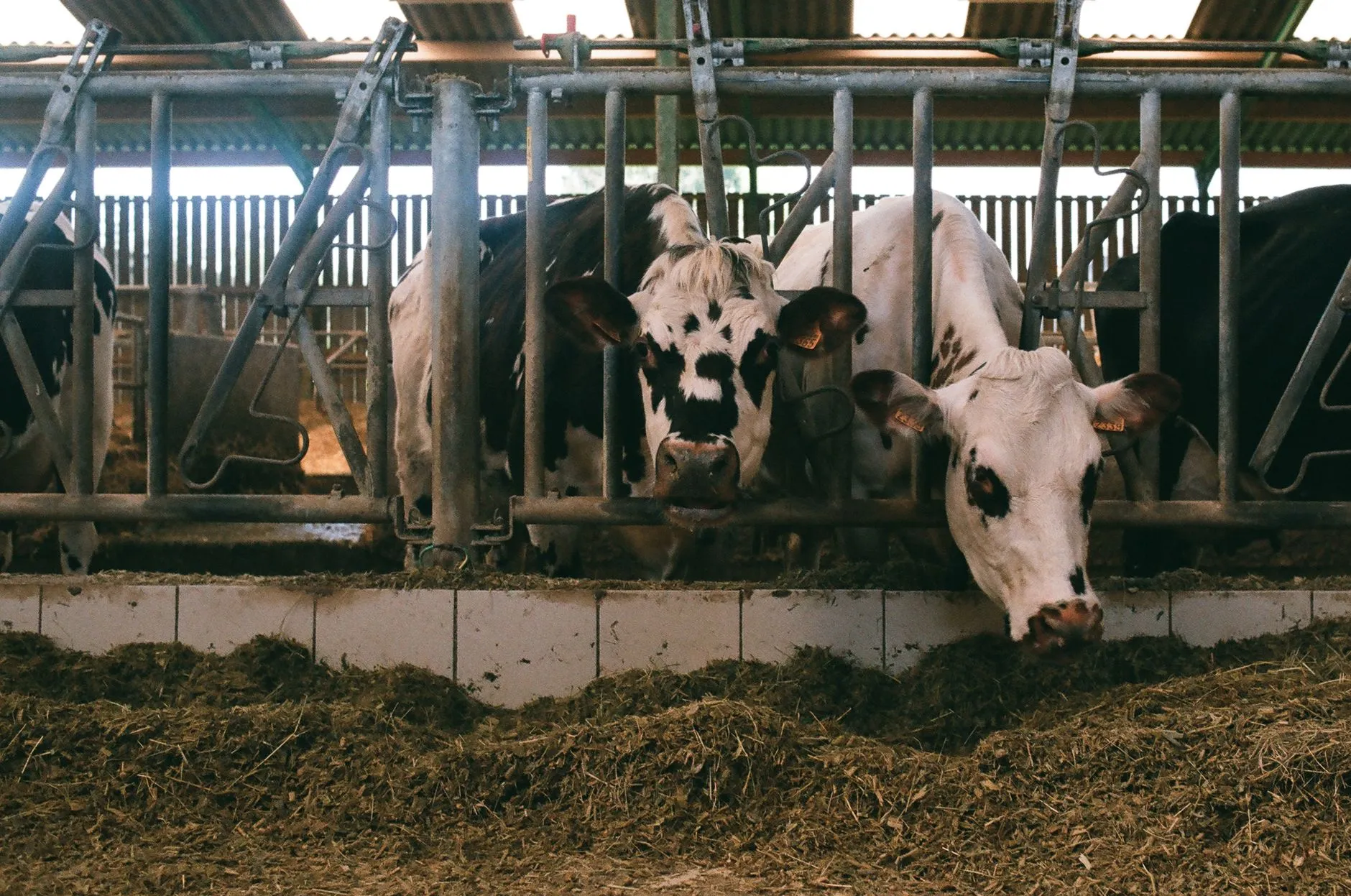
When UK food businesses source dairy or beef from Ireland, the term "grass-fed" appears frequently in supplier literature and marketing materials. For many years, it described a production reality rather than a specific claim. Now it represents something more substantial. International buyers increasingly expect the label to be backed by independent verification, measurable environmental performance, and documented animal welfare standards.
This shift matters because commercial procurement teams no longer accept broad descriptions of farming systems. They need auditable data that can be incorporated into corporate sustainability reporting. Meanwhile, public sector buyers face their own requirements under frameworks such as PPN 06/21, which demands evidence of carbon reduction from suppliers.
For UK businesses evaluating Irish suppliers or comparing pasture-based systems with intensive production, understanding what "grass-fed" actually means has become a commercial necessity. The claim now carries implications for supply chain risk, tender compliance, and product positioning.
Ireland's formal grass-fed certification frameworks
Bord Bia, the Irish Food Board, has developed two distinct standards that move grass-fed claims from marketing language to independently audited production criteria. These frameworks apply to beef and dairy separately, with different requirements reflecting how each sector operates.
For beef, the standard requires at least 90% of an animal's feed to come from grass or grass-based forage, measured on a fresh-weight basis. Cattle must spend a minimum of 220 days at pasture during their lifetime. Additionally, qualifying animals must be born, raised, finished, slaughtered, chilled, and quartered on the island of Ireland. Age, conformation, and fat-score requirements also apply.
The dairy framework takes a different approach. Individual herds must achieve at least 90% grass-fed diet over a three-year period. However, the combined milk pool must reach a weighted average of 94.5% grass-fed. Cows must have access to pasture for a period linked to the national average grazing season, with adjustments permitted for difficult grass-growing conditions.
These standards are supported by the Sustainable Dairy Assurance Scheme (SDAS). Dairy farms receive audits at least once every 18 months. As part of this process, a farm carbon footprint is calculated. This creates a documented trail that procurement teams can reference when responding to sustainability requirements or tender specifications.
Consequently, Irish suppliers can now offer buyers more than a general description of pasture-based farming. They can provide independently verified production data that meets defined criteria. This distinction becomes important when UK businesses need to demonstrate supply chain credentials to their own customers or respond to regulatory requirements.
Different markets interpret grass-fed claims differently
The attributes buyers associate with grass-fed production vary considerably by geography and customer type. Some consumers link pasture-based systems with improved animal welfare because cattle spend more time outdoors. Others connect it with naturalness, nutrition, or product quality. According to Bord Bia, naturalness resonates particularly strongly with consumers in Asian markets, while animal welfare associations carry more weight among European buyers.
Sensory characteristics also play a role. Irish butter's reputation in international markets often connects to the country's grass-based dairy system and the distinctive qualities consumers associate with pasture production. For food manufacturers and retailers, however, the appeal increasingly ties to measurable sustainability performance rather than marketing language alone.
This creates complexity for UK businesses sourcing Irish products. A grass-fed claim may satisfy one customer segment based on welfare associations, another based on taste expectations, and a third based on carbon performance. The challenge lies in matching the specific attributes that matter to your market with the evidence your supplier can provide.
As a result, businesses need to understand which aspect of grass-fed production their customers actually value. A general claim may not be sufficient when faced with specific questions about grazing days, feed composition, or carbon footprint.
Why major buyers now demand carbon data alongside production claims
International food manufacturers and retailers are adopting net-zero targets and emissions-reduction commitments. This changes the procurement landscape significantly. Buyers increasingly prioritise suppliers capable of offering lower-carbon products, but such claims must be supported by independent evidence rather than general statements about production systems.
Pasture-based systems can offer environmental advantages under suitable conditions. Longer grazing seasons may reduce reliance on concentrate feed. Good grass quality and utilisation can lower feed-related emissions. Improved fertiliser management and protected urea can reduce agricultural greenhouse gas emissions.
However, grass-fed should not automatically be treated as synonymous with low-carbon. A farm's overall emissions profile depends on multiple factors beyond grazing. Methane emissions from cattle, nitrous oxide from soils and fertiliser, animal productivity, and age at slaughter all contribute. Feed efficiency, manure management, land-use practices, and the carbon footprint of purchased inputs also matter.
This distinction is critical for procurement decisions. A verified grass-fed claim describes the animal's diet and grazing history. A carbon claim requires a broader assessment of the farm or supply chain. UK businesses evaluating Irish suppliers need both types of evidence to respond to different commercial requirements.
For example, a public sector tender may require carbon footprint data under PPN 06/21. A retail customer may ask about grazing days for welfare reasons. A food manufacturer may need both to satisfy corporate sustainability reporting. Irish suppliers with SDAS certification can provide documented evidence across these requirements because farm carbon footprints are calculated as part of the audit process.
Ireland's export dependence makes verification commercially essential
Approximately 80 to 90% of Irish beef and dairy products are exported. The UK and European Union represent the principal destinations. This level of export dependency means Irish producers face direct exposure to changes in procurement policies, sustainability standards, and consumer expectations across multiple markets.
In 2021, the EU accounted for approximately 37% of Irish ruminant sector sales by value. Irish ruminant exports were valued at about €7.9 billion that year, with approximately €2.9 billion going to EU markets. Different products show different market dependencies. The EU took approximately 30.7% of Irish dairy exports, 46% of beef exports, and 62.1% of sheepmeat exports according to figures cited by University College Dublin.
For UK businesses, this export profile has practical implications. Irish suppliers operate in a competitive international environment where independently verified production claims serve two commercial purposes. First, they help differentiate Irish products in markets where buyers compare production systems. Second, they provide documentation that supports environmental and welfare claims as regulation and corporate reporting requirements become stricter.
Therefore, UK buyers benefit from Ireland's investment in verification infrastructure. Suppliers operating under these schemes have already absorbed the cost and administrative burden of independent auditing. This reduces the due diligence requirements for UK procurement teams evaluating new suppliers or responding to sustainability questionnaires.
Moving from reputation to documented evidence
Ireland has long benefited from the image of a temperate, pasture-based farming system. Its climate supports a long grass-growing season. Dairy cows spend substantial periods grazing outdoors. But reputation alone no longer satisfies international procurement teams.
Large companies require data that can be audited and incorporated into sustainability reporting. This explains the growing importance of schemes such as SDAS and Bord Bia's grass-fed standards. They create a common framework for verifying what grass-fed means and reduce the risk of vague or unsubstantiated claims.
The approach reflects a broader shift in food procurement. Consumers may respond to words such as natural or sustainable, but corporate buyers must demonstrate that those words correspond to measurable production practices. For UK businesses, this creates both opportunities and obligations.
Opportunities arise when verified claims help you meet tender requirements, respond to customer sustainability questions, or differentiate your products. Obligations emerge when you must substantiate environmental or welfare claims made in your own marketing or reporting. Irish suppliers with documented grass-fed certification and carbon footprinting can help you satisfy both.
Core facts on Irish grass-fed standards and market exposure
- At least 90% of feed must come from grass or grass-based forage for Bord Bia's grass-fed beef standard, measured on a fresh-weight basis.
- Qualifying beef cattle must spend a minimum of 220 days at pasture during their lifetime under the certification framework.
- Individual dairy herds must achieve at least 90% grass-fed diet over a three-year period under Bord Bia's dairy framework.
- The combined dairy milk pool must reach a weighted average of 94.5% grass-fed to meet certification requirements.
- Approximately 80 to 90% of Irish beef and dairy production is exported, creating significant exposure to international procurement standards.
- The EU accounted for 37% of Irish ruminant sector sales by value in 2021, representing approximately €2.9 billion of a total €7.9 billion in ruminant exports.
- Dairy farms under SDAS receive independent audits at least once every 18 months, with farm carbon footprints calculated as part of the process.
What UK businesses should consider when evaluating suppliers
The commercial value of grass-fed production now depends on whether it comes with reliable verification. Irish farmers operate within a production system that provides a strong basis for grass-fed marketing. However, international buyers increasingly distinguish between a general pasture-based reputation and a documented claim.
For UK businesses sourcing dairy or beef, this creates specific considerations. Verified grass-fed status may strengthen your position when responding to tenders that value welfare, naturalness, and provenance. At the same time, carbon performance must be measured separately and communicated carefully. A grass-fed claim does not automatically satisfy a carbon reduction requirement.
Consequently, procurement teams should ask Irish suppliers for specific documentation. Request copies of Bord Bia certification. Ask for farm-level carbon footprint data if available. Clarify whether the supplier participates in SDAS audits. This evidence becomes critical when you need to demonstrate supply chain credentials to your own customers or comply with public sector procurement requirements.
For businesses working toward net-zero commitments, understanding your supply chain's carbon profile is essential. Our net-zero program supports carbon reporting compliance and helps you evaluate supplier data against your own reduction targets. Similarly, if you supply the public sector, our compliance services cover carbon reporting requirements under frameworks such as PPN 06/21.
The Irish model offers a potentially useful combination for UK buyers. It provides a defined grass-fed standard, farm-level assurance, and carbon footprinting procedures. Its credibility depends on continued independent auditing, transparent methodology, and evidence that environmental benefits extend beyond marketing labels.
Ultimately, grass-fed has evolved from a production description to a platform for communicating multiple attributes. For UK businesses, its value lies in the quality of evidence behind each claim. Suppliers who can provide independently verified data help you manage supply chain risk, meet tender requirements, and respond to customer sustainability questions with confidence.
Where to find detailed information on Irish standards
Bord Bia publishes detailed information on its grass-fed certification standards and sustainability assurance schemes. The Bord Bia website provides access to documentation on both beef and dairy frameworks, including audit requirements and certification criteria.
For UK businesses evaluating carbon reporting requirements in their supply chains, the Department for Energy Security and Net Zero offers guidance on measuring and reporting greenhouse gas emissions. This helps contextualize supplier data within UK regulatory frameworks.
Public sector buyers should consult the PPN 06/21 guidance on carbon reduction plans published by the Cabinet Office. This sets out requirements for evaluating supplier carbon commitments in major government contracts.
University College Dublin's School of Agriculture and Food Science publishes research on Irish agricultural systems, including analysis of export markets and production sustainability. This provides independent academic perspective on the commercial and environmental performance of Irish farming.
For businesses seeking training on interpreting supplier sustainability data and carbon reporting, SBS Academy offers courses on supply chain carbon assessment and compliance requirements. These help procurement teams evaluate the evidence suppliers provide and integrate it into their own reporting frameworks.